The most overlooked storage real estate in any kitchen sits on the back of the pantry door. While shelf space fills up with canned vegetables, cereal boxes, and last week's groceries, that vertical rectangle of unused door surface quietly waits to be put to work. A door storage rack for pantry applications can add several square feet of organized capacity without sacrificing a single inch of floor space. These racks come in an impressive variety of configurations, materials, and weight ratings, which means choosing the wrong one can lead to sagging doors, damaged hinges, or a cluttered pantry that defeats the entire purpose. This guide explains how door storage racks work, what they can and cannot hold, how to compare them against freestanding pantry shelving, and what you should verify before buying from a manufacturer, supplier, or wholesaler.
Door-mounted pantry organizers have become a standard solution in kitchens where cabinet space is tight and pantries are narrow. They mount over the top edge of the door, hang from the door frame, or attach directly to the door surface using adhesive strips or screws. The most common designs feature wire baskets, fabric pockets, plastic compartments, or a combination of these elements. What makes this category so useful is its adaptability: a well-chosen door rack can hold spice jars, snack pouches, measuring cups, canned goods, and even cleaning sponges within arm's reach. For households that cook regularly, the convenience of seeing everything at a glance reduces the time spent hunting for ingredients and makes meal preparation noticeably smoother.
This article was written with input from the engineering and production team behind King Global Shelving, a Shanghai-based manufacturer with more than 60,000 square meters of factory space dedicated to steel storage products. Their perspective matters because many door racks sold under retail brands are actually produced by contract manufacturers who specialize in wire forming, powder coating, and metal fabrication. Understanding how these products are built helps you evaluate quality before you spend money. Whether you are a homeowner looking for one rack or an importer evaluating supplier options, the technical points covered here will help you make a confident decision.
A door storage rack for pantry use is one of the most cost-effective space-saving investments you can make, provided you match the rack's load capacity, mounting style, and material quality to your actual pantry contents and door construction.
What Is a Door Storage Rack for Pantry Organization?
A door storage rack for pantry use is a freestanding organizing structure that mounts onto the interior or exterior face of a pantry door, or spans the door itself using hooks or brackets that grip the top edge. Unlike conventional pantry shelving, which sits on the floor or attaches to wall studs, a door rack relies on the door structure to bear its weight. This distinction matters because doors are not designed to carry hundreds of pounds indefinitely. Hollow-core interior doors, in particular, have limited structural capacity, while solid wood doors can handle considerably more stress.
The typical door storage rack consists of a frame or backing panel, multiple tiers or pockets, and a mounting mechanism. Frame materials range from coated steel wire to molded plastic, aluminum, or fabric stretched over a rigid support. The mounting mechanism usually takes one of three forms: hook-and-post assemblies that loop over the top of the door, adhesive backing strips that bond to the door face, or screw-mounted brackets that penetrate the door material. Each approach has trade-offs between ease of installation, maximum load, and the amount of damage left on the door when the rack is removed.
What you actually store on these racks depends on the compartment sizes and weight tolerance. Lightweight organizers with fabric or thin plastic pockets are best suited for spice packets, tea bags, small snack bags, and measuring spoons. Heavier wire-based designs can hold canned goods, condiment bottles, oil containers, and even small appliances such as a hand mixer or slow cooker lid. Some advanced models include slots specifically designed for baking sheets and cutting boards, which are notoriously awkward to store elsewhere. The common thread is that a door rack converts dead vertical space into accessible, visible storage that works with your daily cooking rhythm.
Steel wire racks with an epoxy or powder-coated finish dominate the market because they balance strength, weight, and corrosion resistance. A typical epoxy-coated steel wire door rack in the 15 to 20 pound range offers the best strength-to-weight ratio for most pantries. Stainless steel versions are heavier and more expensive but resist humidity and rust far better, making them suitable for pantry doors adjacent to stoves or dishwashers where moisture evaporates during cooking. Plastic and fabric models are lighter and cheaper, but their lifespan is shorter under steady use, especially if you load them near their rated capacity day after day.
How Door Racks Compare with Traditional Pantry Shelving
Traditional pantry shelving distributes weight to the floor or wall studs, allowing much higher total capacity. A wall-mounted steel shelf from a manufacturer such as King Global can hold 200 to 400 pounds when anchored properly, while a floor-standing unit can support even more. Door racks, by comparison, are limited by the door hinges, frame, and mounting points. However, door racks offer something fixed shelving cannot: immediate visibility. Items stored at eye level on the door do not get pushed to the back of a deep shelf and forgotten. This makes door racks particularly effective for frequently used ingredients, everyday staples, and small items that would otherwise be lost in pantry clutter.
The essential takeaway is that a door storage rack for pantry use complements, rather than replaces, conventional shelving; use it for high-frequency light-to-medium items and reserve heavy can cases and bulk bags for freestanding or wall-mounted steel racks.
Main Types of Door Storage Racks and Their Design Characteristics
Door storage racks for pantries are not a single product category but a family of designs, each optimized for a particular storage pattern. Some households need deep baskets for cereal bags and potato sacks; others need narrow channels for cutting boards and baking trays. Understanding the structural differences between these types is the first step toward a purchase you will not regret six months later. The table below uses a horizontal card display so you can compare the main configurations at a glance.
Multi-Tier Wire Basket Racks
Three to six open wire
baskets mounted on a
steel frame that hooks
over the door top. Best
for snacks, canned goods,
and produce that needs
air circulation. Per-basket
capacity typically 10 to
15 pounds.
Pocket Organizers
Fabric or clear vinyl
pockets ,hung from an
over-door hook bar.
Ideal for spice packets,
small boxes, and kitchen
tools. Lightweight and
affordable, but total
capacity is limited to
about 20 to 30 pounds.
Door Mounted Can Racks
Narrow rails with angled
shelves designed specifically
for canned food. Each rail
holds 5 to 10 cans, and rails
can be mounted in parallel.
A dedicated solution for
heavy cylindrical items.
Spice and Jar Door Racks
Compact stepped shelves
with guard rails, sized for
spice jars and condiment
bottles.
Usually screw-mounted
or adhesive-mounted to the
door panel. Total weight
limit is moderate, around 15
to 25 pounds.
Sheet Pan and Tray Holders
Vertical dividers that hold
baking sheets, cutting
boards, and tray-style
pans flat against the door.
They keep awkward flat
items organized.
Usually constructed from
coated steel wire with a
certified capacity of 20 to
40 pounds.
Choosing the Right Frame Material
The frame material is the second decision that shapes performance. Epoxy-coated steel wire is the most common choice because the coating prevents rust, adds grip, and keeps the rack light enough for the door. Stainless steel, while heavier and pricier, is the correct option for humid climates or pantries with poor ventilation. Aluminum frames are lighter than steel but dent more easily and have lower load ratings. Plastic frames should be reserved for lightweight storage because they become brittle over time, especially near heat sources.
Fabric-backed organizers deserve a special note. Polyester or canvas pockets look neat and fold flat for shipping, but they stretch under load and can tear at the seams after a year of regular use. If you choose a fabric model, verify the stitching density and look for reinforced grommets at the hanging points. In our production experience, a woven polyester with double-stitched seams and a rigid steel top bar lasts several times longer than a budget fabric organizer with simple heat-sealed edges.
Match the rack type to your dominant storage need: wire baskets for general pantry overflow, dedicated can rails for heavy canned goods, and sheet pan holders for flat kitchen items; then pick steel or stainless steel frames over plastic whenever durability matters.
Load Capacity and Material Comparison
Load capacity is the single most important specification when comparing door storage racks for pantry use. Many retail listings state a total capacity that sounds generous, but the real number you need is the per-tier or per-pocket rating. A rack with a 30-pound total capacity split across six baskets gives you only 5 pounds per basket, which is fine for spice jars but useless for canned goods. This distinction explains why one rack appears to hold everything while another sags visibly after just two weeks.
Door construction also plays a direct role in capacity planning. A solid-core hardwood door can handle a 50-pound rack without issue. A hollow-core interior door may bow or develop hinge problems at anything above 25 pounds. The hinges themselves are often the weak link, because pantry doors are frequently installed with lightweight two-knuckle hinges that were never designed for continuous lateral load. Before purchasing a heavy-duty rack, check the number of hinges on the door and verify they are steel rather than zinc alloy.
Moisture resistance is the other key variable. Pantry doors near dishwashers or stoves experience humidity spikes that accelerate corrosion on untreated metal. Powder-coated steel resists minor moisture, but if your pantry regularly reaches above 60 percent relative humidity, stainless steel becomes a noticeably safer investment. The chart below compares typical per-shelf or per-pocket load limits across the main categories of door storage racks and a freestanding steel pantry rack for reference.
Typical Per-Shelf / Per-Pocket Load Capacity (lbs)
Fabric pocket organizer
4 lbs
Plastic pocket organizer
6 lbs
Wire mesh door basket
10 lbs
Epoxy-coated steel wire rack
15 lbs
Stainless steel door rack
18 lbs
Freestanding steel pantry rack
55 lbs
The chart makes the capacity hierarchy immediately visible. Fabric and plastic organizers occupy the lowest tier with per-pocket limits of 4 to 6 pounds, which makes them appropriate for lightweight dry goods but risky for glass jars. Wire mesh door baskets triple that capacity to roughly 10 pounds per basket, enabling you to store small canned goods and condiment bottles without worrying about structural creep. Epoxy-coated steel wire racks reach 15 pounds per shelf, a level that comfortably supports most pantry staples including 28-ounce canned tomatoes and 1-liter oil bottles. Stainless steel door racks push slightly higher to 18 pounds per shelf, though the real advantage is corrosion resistance rather than sheer capacity.
What this data does not show directly is the difference between per-shelf and total capacity. A six-basket epoxy-coated steel rack rated at 15 pounds per basket has a theoretical total of 90 pounds, but you should never load every basket to its maximum at the same time. The cumulative weight transfers through the top hooks to the door, and the door's hinges begin to feel that stress well before you reach the rated total. Our production team recommends a practical rule of thumb: load the entire rack to no more than 70 percent of the sum of per-shelf ratings. That means a 90-pound theoretical rack should carry about 63 pounds in daily use.
The temperature and humidity of your pantry also influence material performance far more than most buyers realize. Powder-coated steel rusts if the coating is scratched and exposed to moisture over time. The relatively dry environment of a typical pantry slows this process, but pantries in coastal regions or basements stay damp much longer. For those conditions, stainless steel racks with 304-grade wire are the safer choice even though they cost 40 to 60 percent more than coated carbon steel. If budget forces you to choose coated carbon steel, inspect the coating thickness and look for a manufacturer that applies an anti-rust undercoat followed by a powder topcoat, which is the same dual-layer process King Global uses on its medium-duty steel racks.
Treat per-shelf capacity as the decision metric, cap total loaded weight at 70 percent of the theoretical maximum, and select stainless steel for humid pantries or coated carbon steel for standard dry conditions.
Over-the-Door Rack vs. Freestanding Pantry Shelving
Choosing between a door storage rack and freestanding pantry shelving is not an either-or decision; most efficient pantries combine both. Door racks excel at keeping frequently used items visible and within reach, while freestanding steel shelving carries the heavy bulk storage. The right mix depends on your pantry dimensions, the weight of your typical purchases, and how much you value having everything visible. The comparison table below lays out the key trade-offs side by side so you can weigh them against your own storage pattern.
Side-by-side comparison of over-the-door racks versus freestanding pantry shelving across the factors that matter most in daily use.
| Evaluation Factor |
Over-the-Door Rack |
Freestanding Pantry Shelving |
| Floor space required |
None; mounts entirely on the door |
Usually 12 to 18 inches of depth plus aisle clearance |
| Typical total capacity |
20 to 90 pounds depending on design |
200 to 600 pounds depending on shelf count and material |
| Weight distribution path |
Door panel, hinges, and door frame |
Floor, spreading load through adjustable feet |
| Installation complexity |
Hang over top edge or stick with adhesive strips |
Assemble frame, adjust shelf heights, level the unit |
| Visibility of contents |
High; all tiers visible when the door is open |
Medium; lower shelves may be hidden behind upper ones |
| Best suited for |
Spices, jars, snacks, cans, baking sheets |
Bulk cereal, large boxes, heavy cases, small appliances |
| Risk if overloaded |
Door begins to sag; hinges loosen; hooks bend |
Minimal; unit remains stable if properly assembled |
| Adjustability |
Fixed tiers; little repositioning possible |
Wire shelf decks can be moved up or down in 1-inch increments |
The capacity gap between the two categories is enormous. A freestanding steel pantry rack, such as the 5-layer adjustable metal units built by King Global, spreads its weight directly onto the floor and can support household goods totaling several hundred pounds without any strain on the building structure. A door rack, regardless of how well it is engineered, transfers all its load through a set of hooks, adhesive panels, or screws into the door. This is why free standing shelving should carry the heavy items: cases of canned soup, bulk bags of flour, jugs of cooking oil, and large appliances like stand mixers. Door racks should be reserved for items you reach for several times per day, because their open visibility actually reduces the time you spend searching.
Space-constrained pantries benefit most from the combination approach. A narrow pantry that is only 24 inches deep cannot comfortably accommodate a deep freestanding shelf and leave room for walking. Installing a freestanding rack that is 12 inches deep along one wall, then adding a door rack on the back of the door, effectively doubles the usable linear footage without widening the room. In smaller apartments where the pantry shares space with a hallway, door racks become even more valuable because they keep storage off the floor entirely and eliminate trip hazards.
Typical pantry layouts and the most effective storage combination for each space.
| Pantry Layout |
Recommended Storage Mix |
Why This Works |
| Tall, narrow pantry (24-in depth) |
Freestanding 12-in deep steel racks on the wall side, plus an over-the-door rack |
Preserves walking space while adding door-side capacity |
| Deep walk-in pantry |
Freestanding steel racks on both walls; optional door rack for daily-use spices |
Maximizes total volume; door rack keeps high-frequency items away from the back |
| Shallow pantry closet (16-18 in depth) |
Wall-mounted or floor-standing light-duty shelving plus a slim door rack |
Adds roughly 4 to 6 square feet of visible storage without floor impact |
| No pantry, kitchen cabinet overflow |
Over-the-door rack on a closet or cabinet door |
Provides an organized home for overflow packages and spices |
When you choose freestanding shelving for a pantry, pay attention to the depth and width of the unit. Adjustable steel racks from King Global's office and home storage series feature shelves that can be repositioned in precise increments, which is important when your storage needs shift between seasons. A unit with five shelves and a per-shelf capacity of 55 to 100 pounds gives you room to grow. For the door rack, select a model with removable or adjustable baskets so that you can reconfigure the layout as your pantry inventory changes. Fixed one-piece designs look tidy on day one but become frustrating when you need a taller space for a new appliance or a shallower pocket for small jars.
Use a door storage rack for daily-reach items and freestanding or wall-mounted steel shelving for bulk weight; the combination of both gives you the highest usable capacity per square meter of pantry floor.
How to Select the Right Door Storage Rack for Your Pantry
Selecting a door storage rack starts with measurements, not with browsing photos. The first number you need is the clearance between the pantry door and the shelving inside the pantry. A rack that hangs over the top of the door adds between 1 and 2.5 inches to the effective door thickness, and if the clearance behind the door is less than that, the door will not close. The second measurement is the door width, because most over-the-door racks are built for standard 30- or 32-inch doors. Extra-wide doors may need a wider hook span, while narrow closet doors may not have enough top edge for a secure fit.
The third measurement is actually a physical check: the distance between the door and the nearest shelf when the door swings open. A wire basket rack that extends 4 inches from the door will collide with an adjacent shelf if there is not enough swing space. Measuring this arc prevents the frustrating discovery that your new organizer blocks the very pantry shelves it was meant to supplement. You should also note the door swing direction, as the rack will add substantial weight to whichever hinge side carries the load. If the door feels heavy or misaligned before the rack is installed, fix the hinges first.
Pre-purchase measurement checklist for door storage racks.
| Measurement |
Why It Matters |
Typical Safe Range |
| Door thickness |
Determines whether over-door hooks fit securely |
1.375 to 1.75 inches for standard interior doors |
| Door-to-shelf clearance |
Ensures the rack does not hit existing shelves when closed |
At least 2 inches more than the rack's depth |
| Door width |
Over-door hooks must span the full top edge |
Standard racks fit 28 to 36 inch widths |
| Door weight tolerance |
Prevents hinge damage and sagging |
Total rack load under 70 lbs for hollow-core doors |
| Hinge quality |
Steel hinges support more lateral load than zinc alloy |
Use stainless steel or brass hinges for racks over 30 lbs |
Prioritizing Features Based on Your Cooking Habits
Once the measurements confirm that a door rack fits, the selection decision shifts to feature priorities. If you cook from scratch regularly, you need deep baskets that accept bags of flour, jars of olives, and bunches of produce. If your pantry mostly stores packaged snacks and cereal, shallow pockets and narrow shelves keep boxes upright and visible. If you bake often, look for a rack with dedicated sheet pan slots. The best way to approach this is to empty your pantry onto the counter, sort items by frequency of use, and write down the dimensions of the largest item in each group. That list becomes your specification sheet for the rack.
Adjustable shelves and removable bins are worth paying extra for, because they allow the rack to evolve with your storage needs. A fixed five-basket rack looks efficient until you realize the third basket is too small for the oil bottle collection and the fourth basket is barely half full. Adjustable models let you rebalance the vertical spacing, and removable bins can be washed or relocated. From a manufacturing perspective, adjustable designs require more complex tooling, which is why they typically cost 20 to 30 percent more. That premium is justified if you expect your pantry inventory to change with seasons, holidays, or family size.
Buyers should also examine the finish quality, especially on wire racks. A quality powder-coated finish has a uniform thickness across all wire intersections, without bare spots where two wires cross or drips at the corners. Run your fingers along every edge of a display unit before purchasing. Sharp burrs on cut wire ends indicate poor deburring and will eventually tear through paper packaging or scratch your hands. Reputable manufacturers tumble or grind the wire ends after cutting, then apply the coating only after the surface is smooth. The same quality standard applies to freestanding metal shelving, where hidden weld spatter can reduce the usable life of the product.
Measure your door clearance, swing arc, and door thickness before buying; then choose an adjustable rack with a quality powder-coated finish that matches your daily cooking patterns rather than the largest option on display.
Installation Guidelines and Common Mistakes
Correct installation matters more than the rack's rated capacity, because a well-installed 30-pound rack outperforms a poorly installed 60-pound rack. The first rule is simple: read the mounting instructions before doing anything else. Over-the-door racks usually require you to pass the hook strip over the top edge of the door and then connect the frame. For doors with weather stripping or a raised top edge, you may need a shim to level the hook assembly. Adhesive strip mounts must be applied to clean, dry surfaces and left untouched for at least 24 hours to achieve full bond strength. Screw-mounted racks demand a drill with a bit sized to the included anchors, not a larger bit that weakens the grip.
The most common mistake is overloading the rack immediately after installation. New owners tend to fill every basket to the brim, creating an instant load that can exceed what the door hinges have ever experienced. Instead, install the rack, load it to roughly half capacity, and observe how the door behaves for a few days. If the door swings smoothly and the top hook does not shift, gradually add more weight. This staged loading approach also allows time for adhesive mounts to cure fully and for the door frame to take its natural seat.
- Verify the door hinges are tight and free of play before mounting the rack. Loose hinges amplify the load stress and cause the door to sag visibly.
- Clean the top edge and inner face of the door with a lint-free cloth and isopropyl alcohol to remove grease that would compromise adhesive bonds.
- Mark the desired position of the rack with a pencil, then dry-fit the mounting hardware to confirm that it seats flush against the door surface.
- For screw-mounted racks, drill pilot holes at a slight downward angle so that gravity works with the fastener rather than against it.
- For over-the-top hook designs, place thick felt pads on the interior face of the hooks to prevent marring the door paint.
- After installation, load the bottom tiers first, because bottom weight pulls the rack toward the door while top-heavy loading causes the frame to lean outward.
- Re-tighten all screws and check the hook fit after two weeks of normal use, as settling is normal in the first month.
Safety is a real consideration when the rack holds glass jars and heavy cans. A loaded rack that falls from the door can shatter jars and scatter sharp debris across the floor. The best prevention is a redundant mounting system. If your rack uses adhesive strips, add a safety tether that passes over the top of the door as a secondary catch. If your rack uses top hooks, make sure the hooks engage a minimum of 1 inch of the door edge and that the frame sits level. Do not install racks on doors with broken or squeaky hinges until the hinges are replaced, and do not mount heavy racks on hollow-core doors that feel flexible when you press on the center panel.
Stage your loading over the first week, tighten all hardware twice during the first month, and always create a redundant safety tether for adhesive-mounted racks to eliminate the risk of sudden collapse.
Maintenance and Care Tips for Long Service Life
A door storage rack requires far less maintenance than a wall-mounted steel shelving unit, but it still benefits from a simple monthly routine. The first task is to inspect the mounting mechanism: check that the top hooks remain fully seated over the door edge, that adhesive strips show no signs of peeling, and that all screws have not loosened from door vibration. Pantry doors are opened and slammed dozens of times per day, and each impact sends a shock wave through the rack frame. A 60-second visual inspection each month catches problems before they escalate into a crash.
Cleaning is straightforward but should be done with the right tools. Powder-coated steel wire can be wiped with a damp microfiber cloth and mild dish soap. Avoid abrasive scouring pads, because they scratch the coating and expose the underlying steel to moisture. Stainless steel should be wiped in the direction of the brushed grain to avoid fingerprints, then dried immediately. Fabric pockets can be vacuumed with a brush attachment and spot-cleaned with a mild detergent; machine washing is generally not recommended because the fabric shrinks and the seams weaken. Plastic components should be wiped with a gentle cleaner that does not contain alcohol, which can fade and embrittle some polymers.
Weight redistribution is the maintenance task most owners overlook. As pantry contents change, the heaviest items tend to migrate to whichever shelf is easiest to reach. This concentrates stress on one set of baskets, causing the frame to flex and the door to list to one side. Rearrange the racks every few months so that heavy jars and cans are distributed across different tiers. When you unload for a deep clean, use the opportunity to check for signs of corrosion at the wire joints, where moisture sits longest. A small dab of automotive paste wax on coated steel joints adds an extra barrier against rust in humid climates.
Monthly inspection, gentle cleaning with non-abrasive cloths, and redistribution of heavy items across all tiers will keep your door storage rack operating safely for many years.
Sourcing from a Manufacturer: What Importers and Wholesalers Should Verify
When you move from buying a single door rack to importing or distributing them in volume, the evaluation criteria change completely. Retail buyers focus on appearance and capacity; importers, wholesalers, and retailers must verify manufacturing consistency, coating quality, packaging durability, and documentation. A door storage rack that lasts perfectly in one household may develop widespread coating failures across a production batch if the manufacturer cuts corners on surface preparation or powder application. This is why professional buyers request samples not just from the initial pilot run but also from subsequent production runs.
The first documentation point is the coating specification. A reputable manufacturer should provide the coating type, nominal thickness in microns, and the result of a salt spray test. For door racks destined for coastal markets or humid warehouses, a minimum of 72 hours salt spray exposure without red rust is a reasonable benchmark. For stainless steel products, verify the grade: 304 stainless steel offers significantly better corrosion resistance than 430, and the price difference is reflected in the final quotation. Do not accept a vague written claim of "stainless steel" without a material certificate from the steel supplier.
Structural testing is the second area to probe. Ask the manufacturer for load test reports showing the deflection of each basket or shelf at rated capacity. The industry expectation is that a wire shelf designed for 15 pounds should not deflect more than 5 percent of its span when loaded. Also ask about the hinge and hook material: cold-rolled steel hooks with a minimum thickness of 2.0 mm hold their shape better than thin 1.2 mm hooks under repeated door movement. If a manufacturer cannot provide test data, order a pre-production sample and perform your own deflection test with sandbags or water jugs.
OEM and ODM capability matters if you plan to sell under your own brand. A manufacturer with in-house tooling can adjust basket depth, add a logo, or change the powder coat color to match your packaging. King Global, for example, supports both OEM and ODM arrangements across its shelf and rack categories, with a flexible production system that accommodates custom dimensions and private-label branding. For a category as compact as door storage racks, this flexibility is an advantage, because it lets you differentiate your product without paying for an entirely new factory line.
Packaging and logistics are the last pieces of the sourcing puzzle. Door racks ship flat in corrugated boxes, and the packing density affects your freight cost. Ask the supplier for the carton dimensions, inner packing method, and a compression test result to ensure the boxes survive container transport. A good supplier also offers mixed loading with other shelf products, which is valuable if you are already importing freestanding racks. Minimum order quantities vary widely; some manufacturers accept orders as small as 200 pieces, while larger factories may set a minimum of 2,000. Align the MOQ with your forecasted sell-through rate to avoid frozen inventory.
Professional buyers should verify coating thickness, salt spray test results, structural deflection data, and packaging compression ratings, and should confirm that the manufacturer offers flexible OEM and ODM support before committing to a wholesale partnership.
How King Global Supports Pantry Storage Solutions
King Global Shelving brings direct manufacturing experience to the pantry storage category through its office and home series. While the company's industrial roots are visible in its heavy-duty warehouse racks and pallet racking, the lighter end of its product range addresses exactly the same organizational problems that door racks solve: how to store more in less space, with materials that hold up under steady daily use. The company's 60,000-square-meter factory, professional coating lines, and quality control procedures apply equally to compact home storage products and to industrial racking systems.
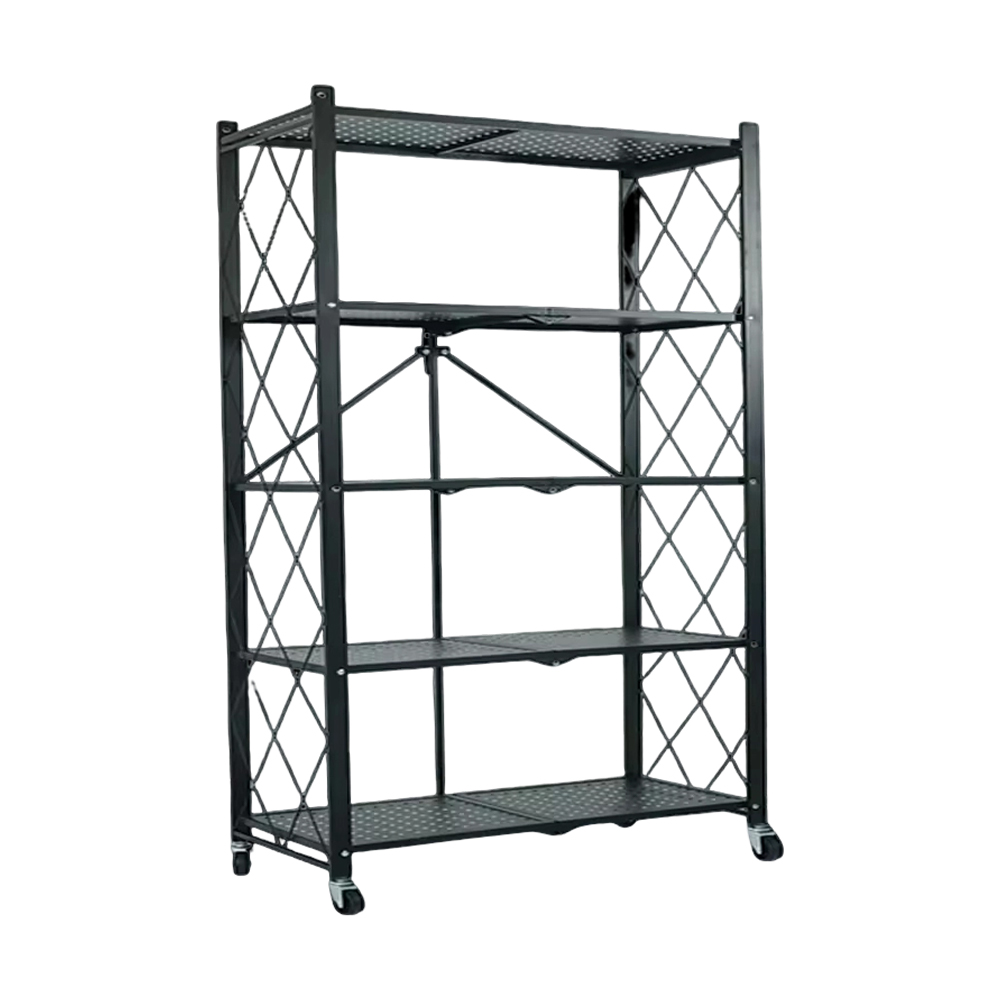
For pantries that need more than a door rack alone, King Global offers freestanding and foldable options that handle the heavier side of food storage. A door rack paired with one of these steel units forms a complete pantry system where the door holds daily-use items and the freestanding shelves carry bulk inventory. Products such as the foldable multi-tier shelves for home use and the adjustable metal storage rack for home, office, and warehouse applications are manufactured in the same facility as the company's industrial racking, which means the same attention to weld quality, surface treatment, and powder coating is present throughout the lineup.
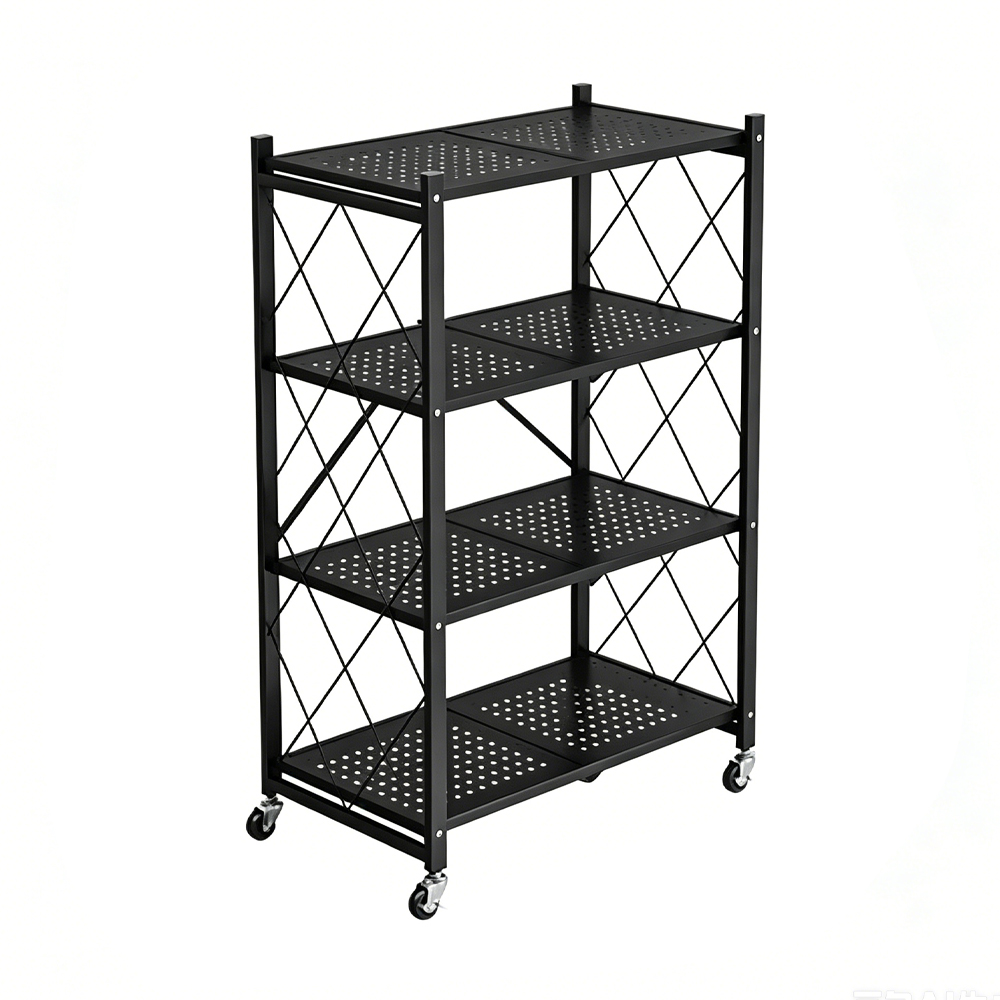 Foldable Multi-Tier Large-Capacity Storage Shelves for Home【Perfect Storage Solution for Small Living Spaces】 If you live in a small apartment, studio or condo with limited space, this foldable storage rack is the perfect solu...View Product →
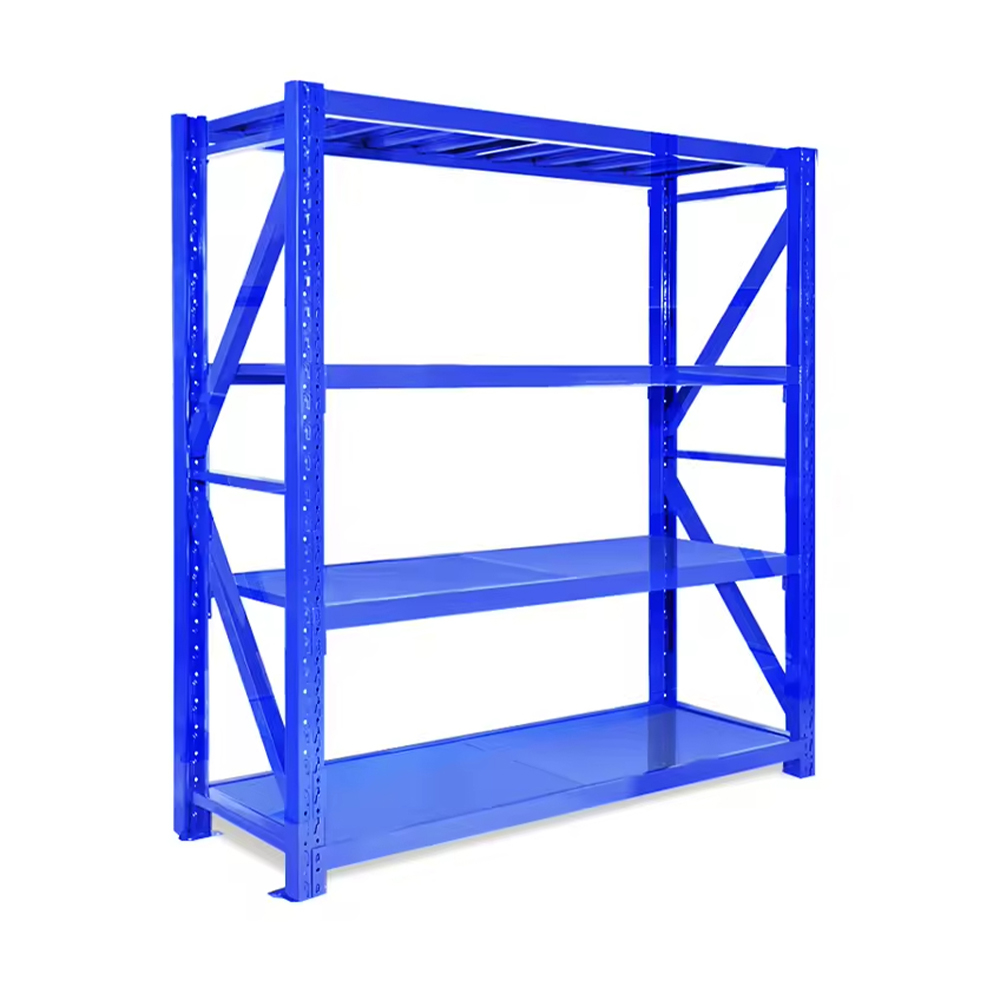
 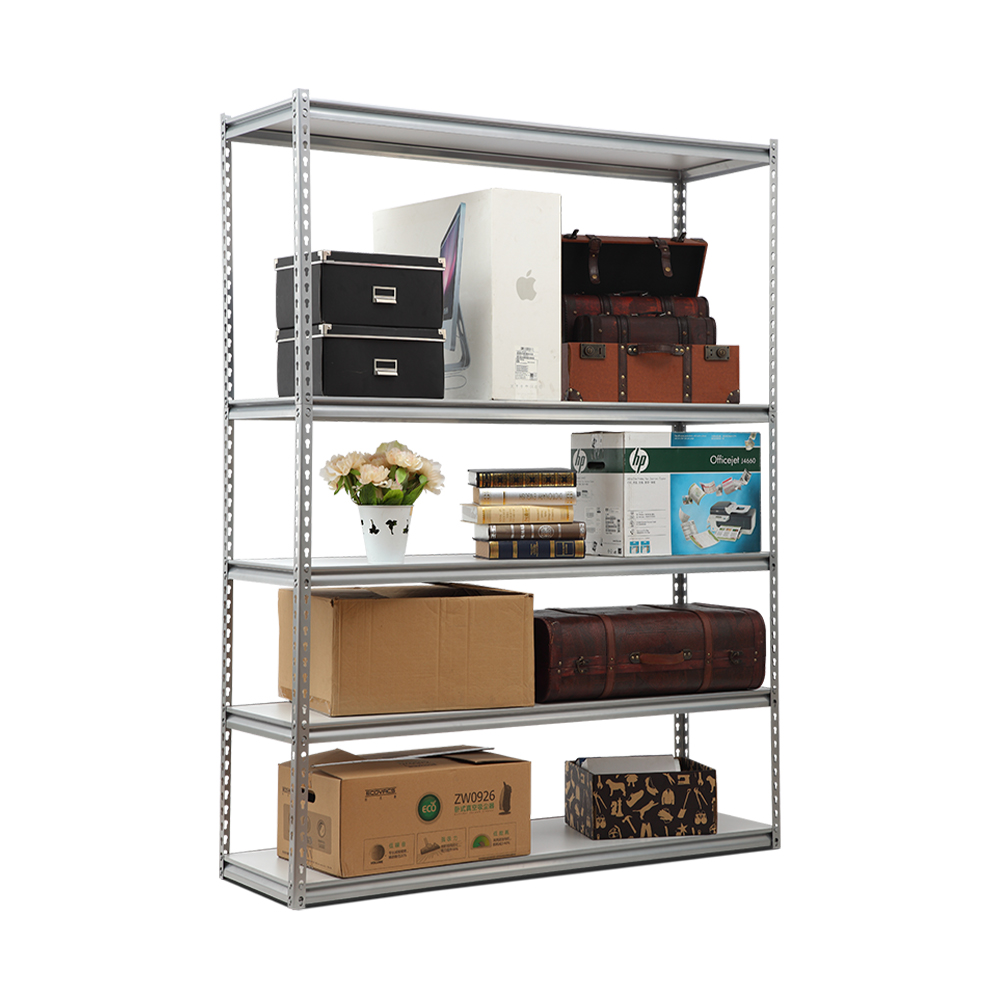 5-Layer Adjustable Metal Storage Rack for Home, Office & Warehouse【Light-Duty Adjustable Home Storage Rack】 This light-duty storage rack is specifically designed for home use, featuring adjustable shelf height, making it easy to cust...View Product →
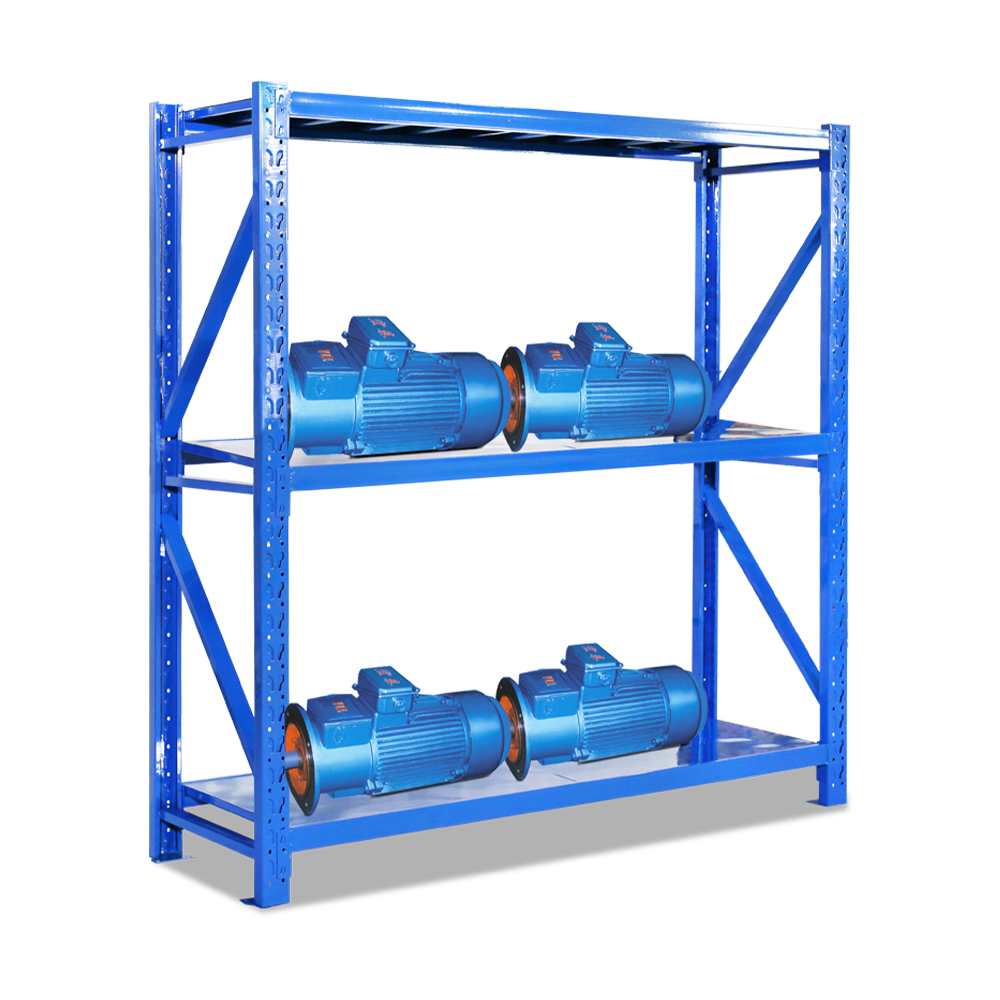
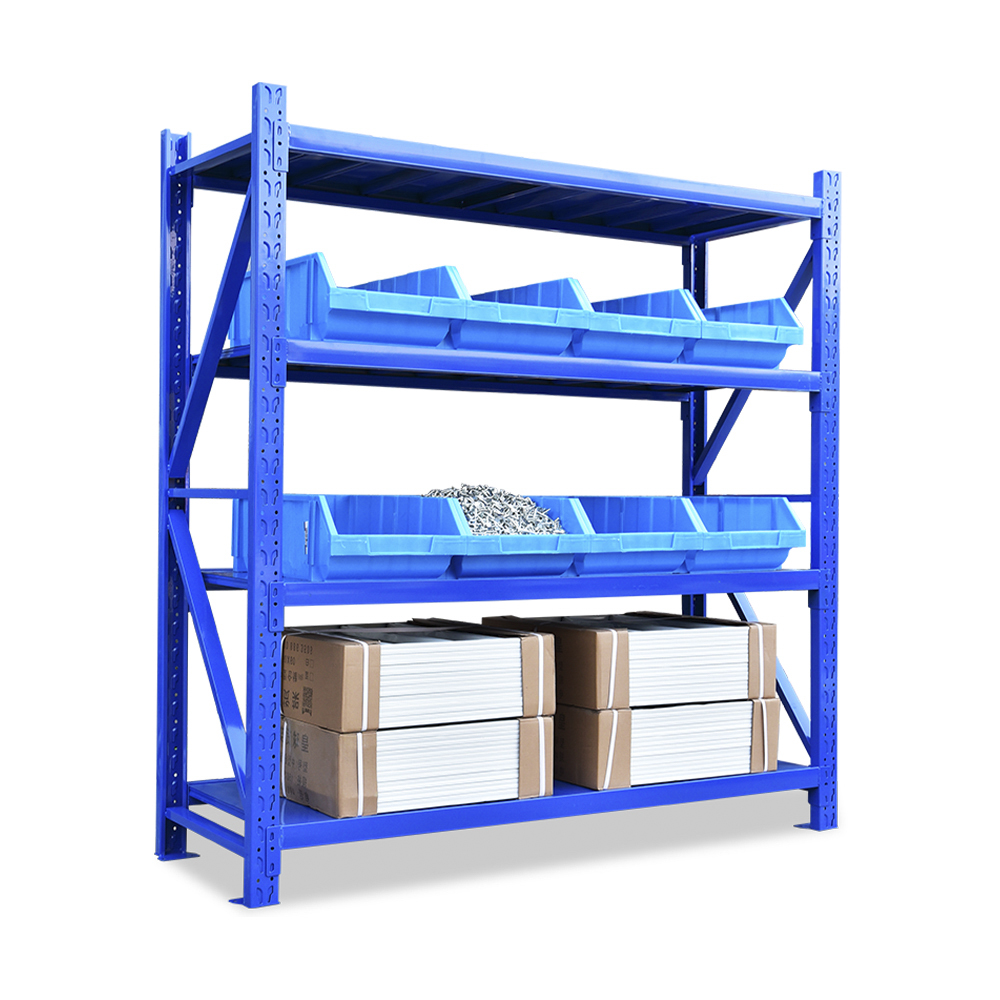
 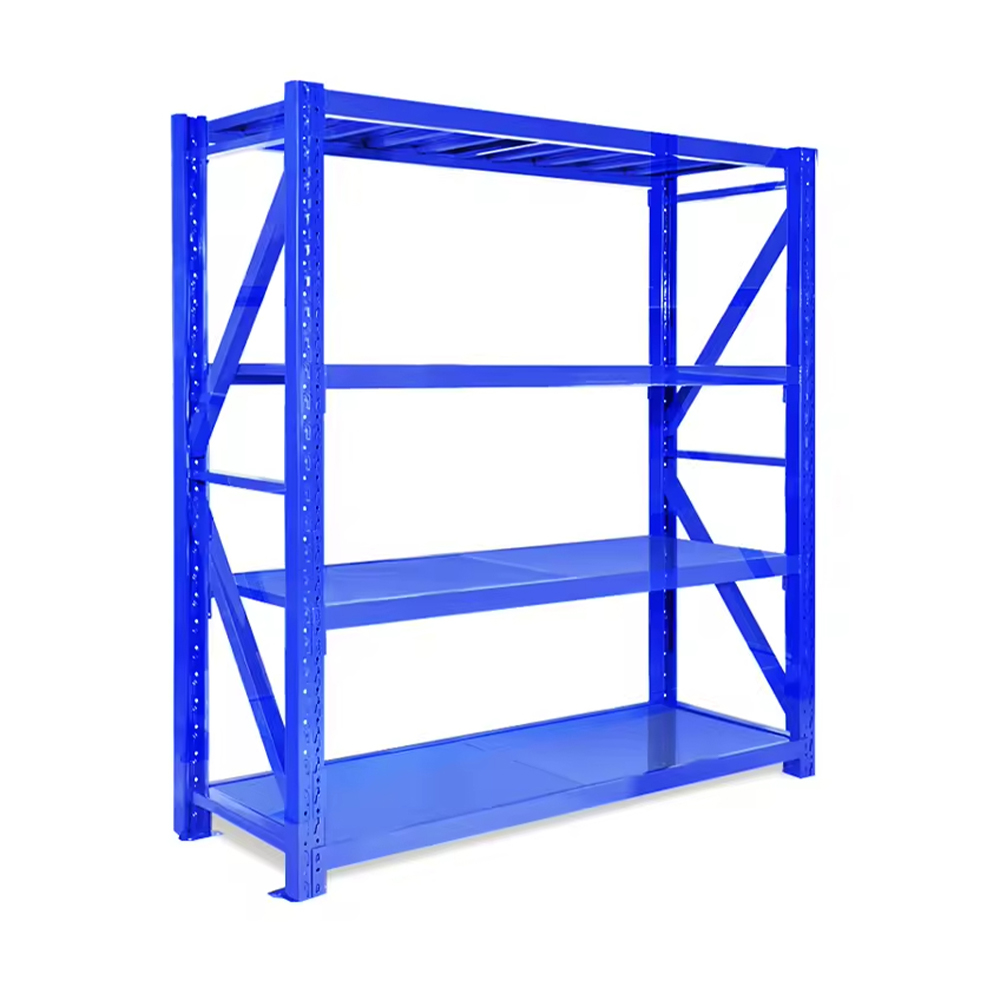 4 Layer Adjustable Light-Duty Warehouse Storage Rack for Offices Retail Home Environments·Light-Duty High-Capacity Storage Rack This storage rack is engineered for light-duty daily use, with a load capacity of up to 200kg per layer to meet daily storage ne...View Product →
Importers and wholesalers evaluating door storage racks alongside steel shelving will find King Global a practical partner because one manufacturer can consolidate purchase orders for both product categories. This consolidation reduces freight costs, simplifies quality inspection, and shortens lead times when compared to juggling multiple suppliers. The company's global sales desk supports multi-language communication, and its contact page is the quickest route to obtain a quotation, request samples, or discuss custom sizes and private-label requirements. Whether you are a retailer adding pantry organization products to your assortment or a procurement manager building a storage category from scratch, the manufacturing depth behind King Global's shelves provides a foundation you can verify.
A complete pantry storage plan combines a door rack for high-frequency access with adjustable steel shelving for bulk goods, and King Global's manufacturing capabilities make it a reliable supplier for both.
Frequently Asked Questions
This section answers the questions our sales engineers hear most often from both retail customers and wholesale buyers about door storage racks for pantry use. The answers combine field experience with the structural reasoning behind each recommendation, so you understand not just what to do but why it matters for safety and longevity.
How much weight can a door storage rack for pantry use safely hold?
Most quality over-the-door racks rate each shelf or pocket between 4 and 18 pounds. The whole rack should carry no more than 70 percent of the sum of shelf ratings. A hollow-core interior door should not receive more than 25 to 30 pounds of total mounted weight, while a solid-core door can handle up to 50 to 70 pounds if the hinges are in good condition.
|
Will a door rack damage my pantry door?
Over-the-top hook designs can scratch the top edge and leave permanent indentations on the door frame over time. Felt pads on the hooks reduce this risk. Adhesive strip mounts generally remove cleanly if you use a hair dryer to soften the adhesive, while screw-mounted racks leave visible holes. If you rent, check the lease terms before installing any rack that requires screws.
|
Can I install a door storage rack on a hollow-core pantry door?
Yes, but keep the total weight below 30 pounds, spread the load across multiple hooks, and avoid screw mounting into the thin hollow core. An over-the-top hook design distributes weight to the solid edge of the door, which is structurally safer than screws anchored in the hollow panel.
|
Which material is better for pantry door racks: coated steel or stainless steel?
Coated carbon steel is lighter, cheaper, and adequate for standard dry pantries. Stainless steel resists corrosion better and is worth the extra money in humid environments, coastal regions, or pantries that open into bathrooms. For most households, a high-quality epoxy-coated steel rack provides the best balance of cost and lifespan.
|
What is the difference between per-shelf capacity and total capacity?
Per-shelf capacity is what a single basket or pocket can hold without deforming. Total capacity is the sum of all shelves, but the door's mounting structure may not support that combined figure. Use the 70 percent rule: multiply total capacity by 0.7 to find a safe daily loading target.
|
Can a door rack replace a freestanding pantry shelf?
No, not for heavy bulk storage. A door rack lacks the structural path to transfer weight safely to the floor. Use a door rack for frequent items and keep a freestanding adjustable steel rack for cases, large bags, and appliances. The two complement each other in a complete pantry system.
|
When sourcing door racks wholesale, what documentation should I request from the supplier?
Request a material certificate for the steel grade, a salt spray test report for the coating, load deflection test data for the shelves or baskets, and the packaging compression test result. If the manufacturer offers OEM services, ask for a sample of the brand marking and a lead time commitment in writing.
|
Should I look for a door rack or a shallow freestanding unit for a very small pantry?
If the pantry is less than 18 inches deep, a door rack plus a 12-inch-deep freestanding steel shelf is usually the best combination. The door rack handles spices and small jars, while the freestanding unit holds larger boxes and cans. Measure the swing arc before choosing a deep-basket door rack.
|
Fundamental rule: a door storage rack for pantry use should be selected by per-shelf capacity, installed with redundant mounting, and paired with adjustable steel shelving to handle the heavy lifting that a door structure cannot safely support.
Related Resources and Where to Start
If you are ready to organize your pantry with a combination of door racks and steel shelving, the starting point is always a clear picture of your available space and your storage priorities. Measure the door thickness, the clearance behind the door, and the depth of the pantry. Then decide which items need daily access and which can live on deeper shelving. This short checklist prevents impulse purchases that either duplicate each other or fail to address your actual space.
For those managing a larger retail, wholesale, or supply-chain project, the practical next step is to evaluate suppliers on the manufacturing criteria covered earlier: coating quality, load test documentation, packaging strength, and OEM flexibility. A direct conversation with a manufacturer who builds the product in its own factory gives you answers that a trading company simply cannot provide. King Global's engineering team and the sales desk welcome inquiries with specific technical requirements such as custom basket depths, special colors, or private-label packaging.
Pantry organization is a journey, not a one-time purchase. Start with a modest door storage rack for the items you grab every day, add a freestanding steel unit for bulk capacity, and adjust the arrangement as your cooking patterns evolve. Over time, the small effort of matching each product to its appropriate load level will keep your pantry tidy, your door safe, and your kitchen routine noticeably more efficient.
Start with measurements, choose products by verified per-shelf capacity, and pair door racks with steel shelving to create a pantry that stays organized under real everyday use.



 English
  Español
  русский
  Français
  한국어
한국어  عربى
عربى  ไทย
ไทย  Deutsch
  Bahasa Melayu
  Português
  Polskie