


 English
  Español
  русский
  Français
  한국어
한국어  عربى
عربى  ไทย
ไทย  Deutsch
  Bahasa Melayu
  Português
  Polskie
China Tel: +86-13761540945
Thailand Tel: +66 99 109 1956
Thailand Tel: +66 92 242 5845
liwu78465@gmail.com



Foldable Storage Shelves Supplier
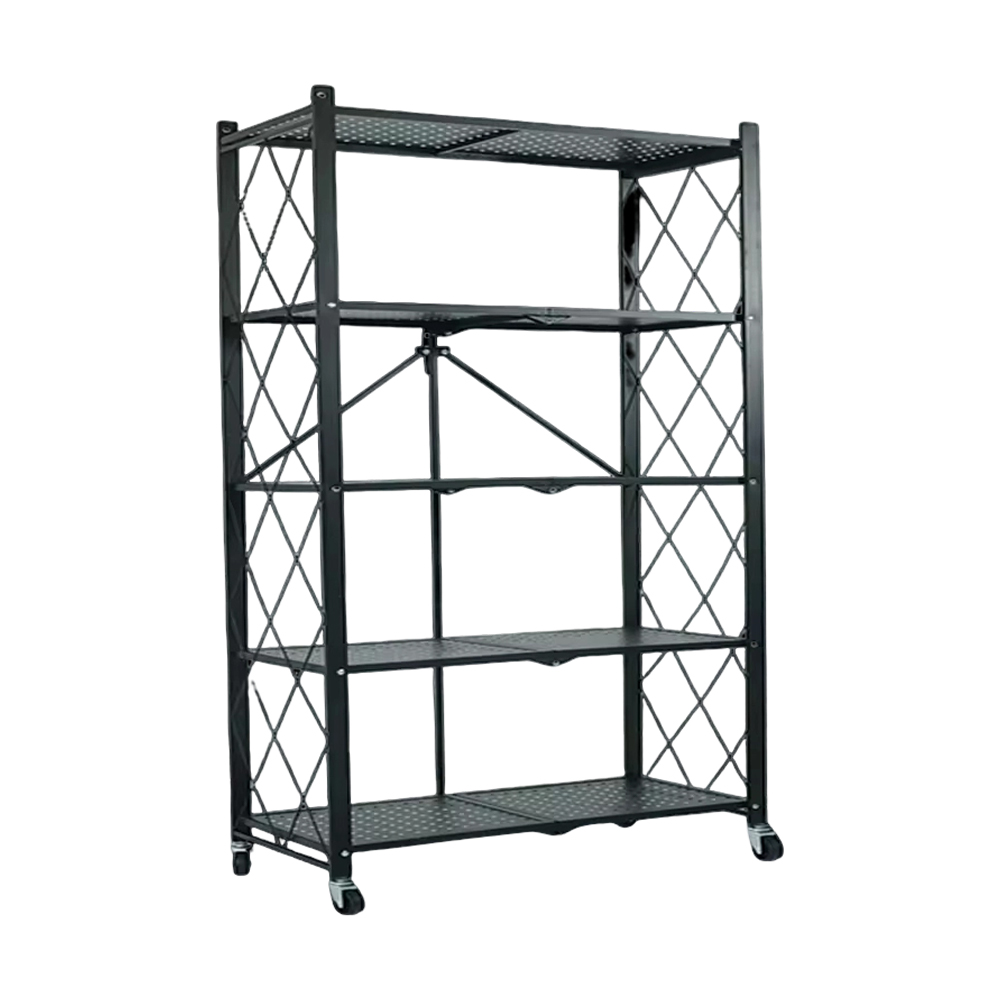
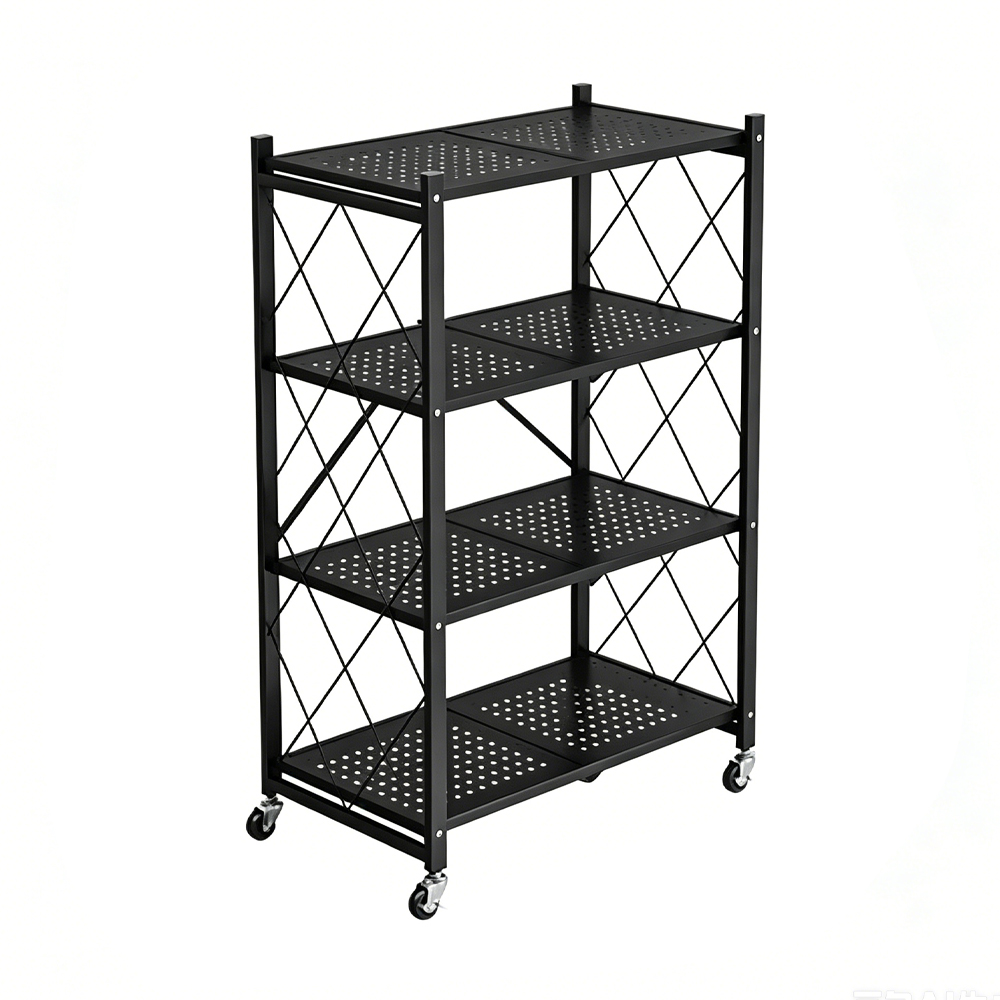
A space-saving storage unit designed for home and office use, easy to fold and unfold without tools.
Applications
·Home: kitchen, living room, balcony, bedroom.
·Office: storage for documents, supplies and small items.
·Suitable for small spaces, rental rooms and temporary use.
What Sets Us Apart
Who We Are
Better Shelving, Better Business
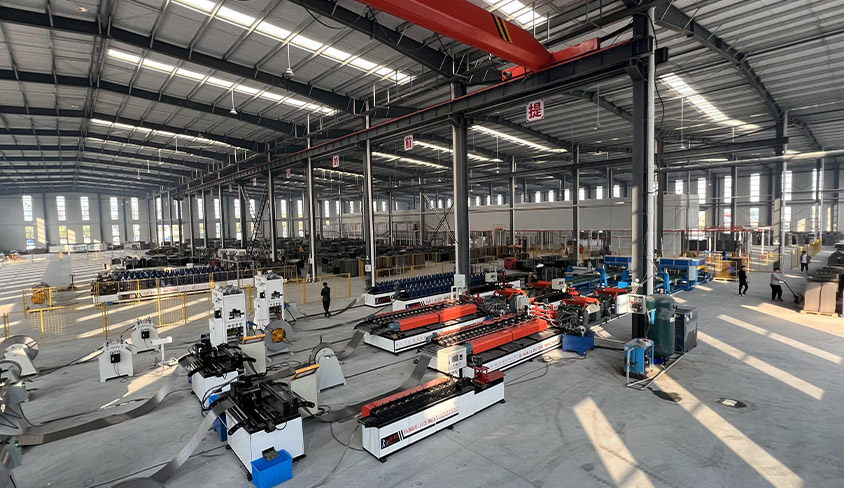
Shanghai King Global Shelf Co.,Ltd. is a leading manufacturer of shelving and storage solutions for
logistics and warehousing. Specializing in home racks, industry heavy-duty shelving, and warehouse
optimization systems. Founded in 2010, we have built strong production capability with a modern facility,
experienced team, and reliable quality control. We are China Foldable Storage Shelves Supplier and Wholesale Foldable Storage Shelves Factory, our products are designed to improve display, storage
efficiency, and space utilization for different markets. With stable quality, flexible solutions,
and responsive service, we support customers in both domestic and overseas markets.
About Us


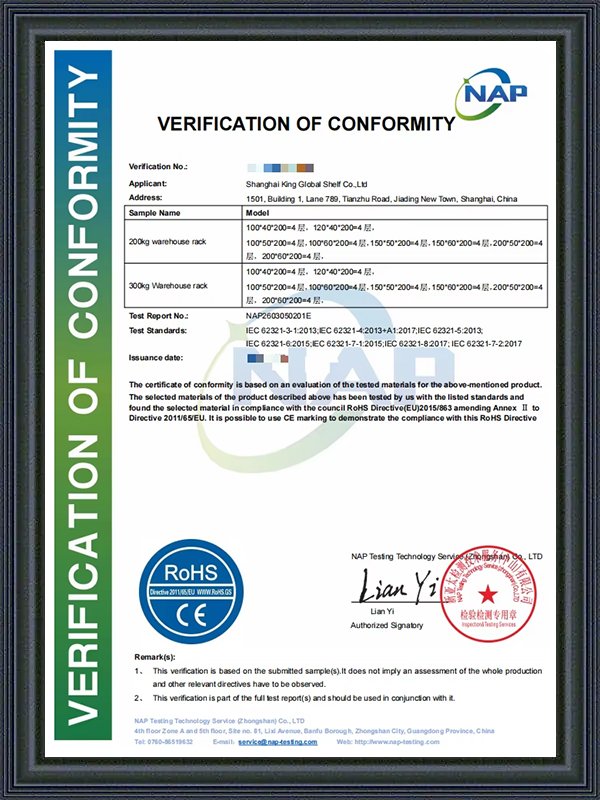
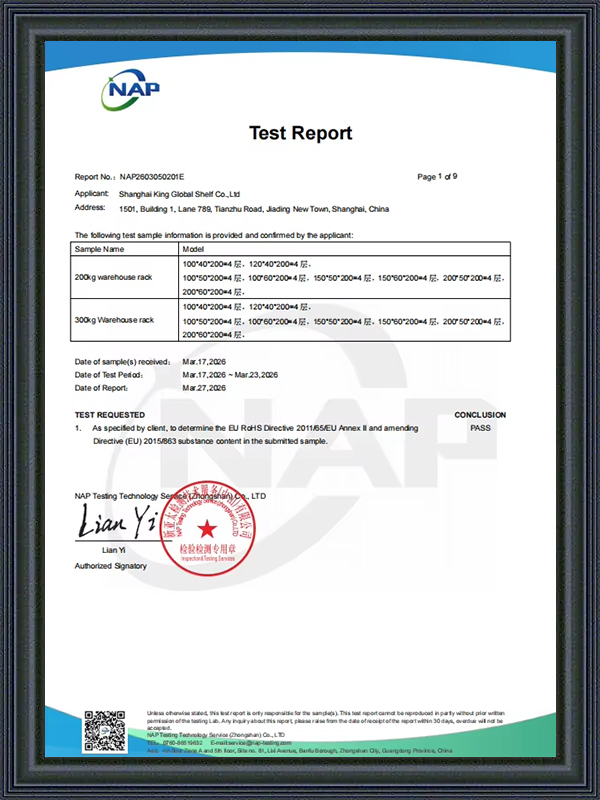
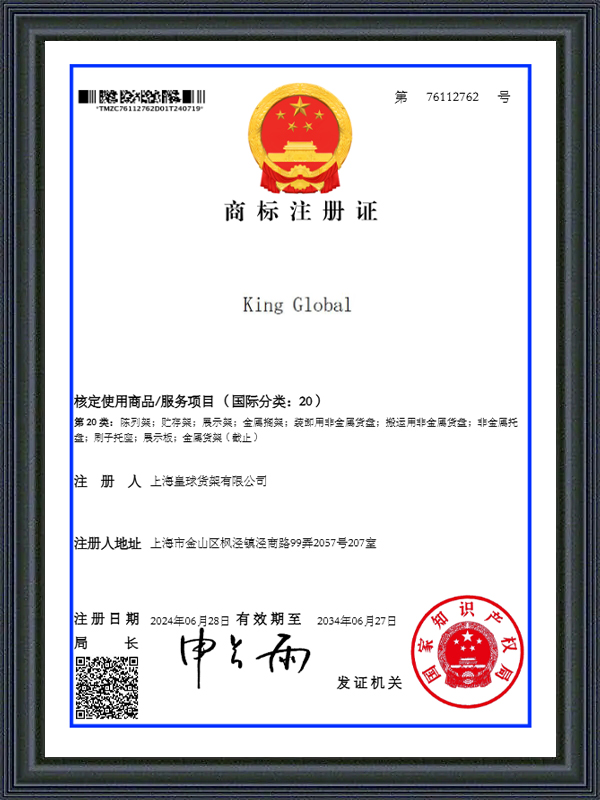
Honor
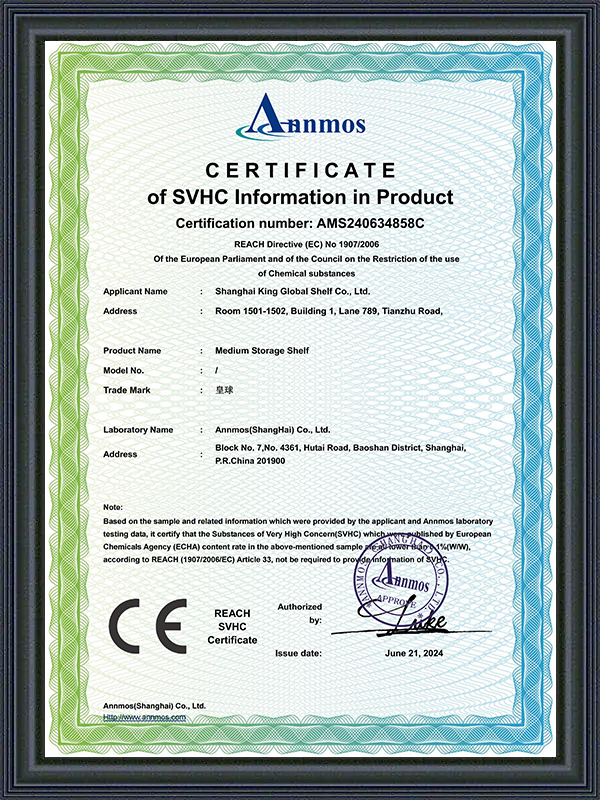
Certificate Of Honor




-

 2026-09-21
 Industry News
-
2026-09-15
Industry News
-
2026-09-08
Industry News
-
2026-09-01
Industry News
Feedback
Message Feedback
Knowledge
Foldable Storage Shelves Industry knowledge
1. What Is a Foldable Storage Shelf
Living spaces and small offices rarely come with unlimited storage, and needs often shift from one season to the next, one tenant to the next, or one project to the next. A foldable storage shelf answers that shifting demand by combining a multi-tier shelving frame with a hinge-based structure that opens into a rigid unit and folds flat again in a matter of minutes, without requiring screws, bolts, or a toolkit. The category sits apart from fixed shelving because its side frames pivot on hinge joints rather than being welded or bolted into a permanent shape, letting the whole unit collapse into a slim profile for storage or transport once it is no longer needed in a given spot. Shelf tiers are commonly finished in wire mesh, coated steel, or molded plastic, each suited to slightly different rooms and item types, from kitchen cookware to bedroom linens to office paperwork. Because setup and breakdown require no hardware, a foldable storage shelf is particularly common in situations where a space is shared, temporary, or simply too small to justify a permanently fixed unit.
2. Load Capacity Ranges Across Common Types
Before looking at the chart below, it helps to know that a foldable storage shelf is not a single fixed product but a category spanning several frame and panel materials, each carrying a different practical load range per tier. This range depends mainly on the gauge of the folding tube frame and the material used for the shelf panel itself, whether wire mesh, coated steel sheet, or molded plastic. Lighter materials keep the unit easy to lift and fold but naturally support less weight, while sturdier coated steel frames add some bulk in exchange for a higher load ceiling. The chart below shows this as a range rather than a single number, since actual capacity within each type can vary slightly by tier position and panel design. Reading the low and high ends of each range together gives a more realistic picture than a single average figure would.
The range chart above sets out the low and high end of typical per-tier load capacity across the three most common foldable storage shelf materials, and each range deserves a closer look. The plastic type sits at the shortest and lowest range, running from roughly ten to twenty kilograms per tier, reflecting the fact that molded plastic panels are chosen mainly for their light weight and resistance to moisture rather than for raw strength. The wire mesh type occupies a middle band, running from about twenty to forty kilograms per tier, since a welded grid distributes weight across many small intersections rather than relying on a single solid panel, giving it a meaningful step up from plastic without adding much bulk. Coated steel sits at the top of the chart, spanning roughly forty to seventy kilograms per tier, a range made possible by a solid or perforated steel sheet combined with a thicker folding tube frame beneath it. Reading the chart left to right also shows that the ranges do not overlap much, meaning a jump from one material to the next produces a genuinely different practical capacity rather than a marginal improvement. This matters when a person is deciding between two similarly priced options that look alike in a listing but differ meaningfully once actual items are placed on the shelf. A household storing folded towels or lightweight decor is well served by the plastic or wire mesh range, while someone planning to store small kitchen appliances or stacked storage bins should look toward the coated steel range instead. The chart also implies that stacking multiple heavy items on a single tier of a lower-range unit is more likely to cause sagging over time than distributing the same items across several tiers. Because the ranges are presented rather than single averages, a buyer comparing two coated steel products from different sources should still expect some variation within that forty to seventy kilogram band depending on tube gauge and panel thickness. Overall, this range-based view gives a more honest starting point for matching a foldable storage shelf to actual storage needs than a single headline number would.
3. How the Folding Mechanism Works
Rather than describing the folding mechanism only in words, it helps to walk through it as a short sequence of steps, since that is how a person actually experiences setting up or breaking down a foldable storage shelf. Each step in the process below corresponds to a physical action taken by hand, without any tool or fastener involved at any stage. The sequence begins with the unit in its flat, collapsed state and ends with a fully loaded, standing shelf ready for use, and the same sequence runs in reverse when the shelf needs to be broken down again. Understanding these steps individually also makes it easier to see where wear is most likely to occur over time, since the joints doing the most work during each step are the ones that benefit most from occasional attention. The diagram below lays out this four-step sequence from left to right.
The step diagram above breaks the assembly sequence of a foldable storage shelf into four distinct actions, and following it from step one through step four mirrors what actually happens by hand. Step one involves unfolding the side frames from their flat, stacked position into an open X or rectangular shape, which is usually the single largest range of motion in the entire process. Step two follows immediately after, where hinge locks at the corners or mid-points of each side frame click or slide into place, converting the frame from a loose, swinging shape into a rigid support structure. Step three places the horizontal shelf panels onto the now-fixed side frames, seating each tier into position from the bottom upward or top downward depending on the specific design. Step four is simply the point at which the unit becomes functional storage, ready to receive items on each tier according to its rated capacity. Reversing this sequence, starting from an unloaded unit, removes the panels first, releases the hinge locks second, and folds the frame flat last, which is the safest order to avoid strain on a loaded joint. The hinge locks engaged in step two are generally the components that see the most repeated stress over the life of the unit, since they are worked every single time the shelf is assembled or broken down. This is also why occasional attention to hinge condition, covered later in the maintenance section, tends to matter more than attention to the shelf panels themselves, which mostly just rest in place once seated. A person assembling a taller, multi-tier unit will notice that step three takes proportionally longer than on a compact two-tier model, simply because there are more panels to seat. The diagram also clarifies why a foldable storage shelf can be assembled without any separate hardware bag, unlike bolted shelving, since every connection needed to reach step four already exists within the frame itself. Seeing the process broken into these four steps helps explain both the convenience of the category and the specific point in the sequence where care is most warranted during regular use.
4. Where a Foldable Storage Shelf Is Used
Rather than listing rooms in plain text alone, it is useful to see them laid out side by side, since a foldable storage shelf tends to serve a slightly different role depending on where it is placed. The grid below groups six common settings together, spanning both home and office use, with a short note on what each setting typically calls for. Looking at the settings together rather than one at a time makes it easier to notice a pattern: rooms with higher moisture exposure lean toward different materials than dry indoor rooms, and settings involving frequent moves lean toward simpler, faster folding designs. This kind of side by side view is particularly useful for someone furnishing more than one room at once, since it highlights where the same type of unit can be reused and where a different type would serve better. The notes beneath each setting are meant as a starting reference rather than a strict rule for every household.
The grid above lays out six common settings for a foldable storage shelf and pairs each one with a brief note on the material or design trait that tends to fit it best, and a few patterns stand out when the settings are viewed together this way. The kitchen box points toward wire mesh, since open grid panels allow air to circulate around stored cookware or dry goods rather than trapping moisture against a solid surface. The living room box points toward coated steel, since it is generally the setting where a slightly heavier, sturdier unit is used to hold books, media, or decorative items over a longer period without being folded and moved often. The balcony box highlights plastic specifically because of its higher resistance to the moisture and temperature swings common to outdoor-adjacent spaces, an advantage that outweighs its lower load ceiling for many balcony use cases. The bedroom box again favors coated steel, reflecting its common role holding folded linens, seasonal clothing, or storage bins that can add up to a meaningful combined weight over several tiers. The office box also leans toward coated steel, since paper records and supplies stored across several tiers can accumulate weight even when individual items feel light on their own. The rental room box shifts the emphasis away from material and toward the folding design itself, favoring lightweight units with fewer locking points that can be broken down quickly and carried out during a move. Viewing all six settings side by side also shows that no single foldable storage shelf material or design serves every room equally well, which is why many households end up with more than one type across different parts of a home. The grid can also be read as a simple checklist during a purchase decision, letting a buyer match the room they have in mind to the corresponding notes before comparing specific listings. Because these notes are general starting points, a household with unusual conditions, such as an unusually humid bedroom or a very lightly used home office, may reasonably choose a different type than the one suggested here. Even so, the grouped view offers a faster way to reason through multiple rooms at once than reading separate paragraphs for each one.
5. Selection Guide by Priority
Choosing among foldable storage shelf types often comes down to which single factor matters most for a given room or situation, whether that is how light the unit feels to carry, how much weight it needs to hold, or how well it tolerates moisture. The table below reorganizes the comparison around that idea, listing which type best matches five common priorities rather than listing each type's specifications on its own. This format is meant to help someone who already knows their main constraint, such as needing something moisture resistant or needing to move it frequently, find the matching type more directly. The table draws on the same material and design characteristics discussed in the earlier sections but arranges them from the buyer's decision point rather than from the product's specification sheet. A short note follows the table to explain a few of the less obvious pairings.
| Priority | Best Matching Type | Reason |
|---|---|---|
| Lightest to carry | Plastic folding shelf | Molded panels add minimal weight to the frame |
| Highest load capacity | Coated steel folding shelf | Thicker tubing and solid panels support more weight |
| Best moisture tolerance | Plastic folding shelf | Panels do not corrode when exposed to damp air |
| Best airflow around items | Wire mesh folding shelf | Open grid panels prevent trapped moisture or odor |
| Fastest to relocate | Compact two-tier folding shelf | Fewer locking points mean quicker fold and carry |
A couple of pairings in the table are worth a brief explanation, since plastic appears twice while coated steel and wire mesh each appear once. Plastic covers both the lightest-to-carry priority and the moisture-tolerance priority because those two needs tend to travel together in practice, most often in balconies or bathrooms where a light, damp-proof unit is preferred over raw strength. Coated steel appears only under load capacity because its main trade off, slightly more weight and a longer fold-up time, is only worth accepting when the extra strength is actually needed. Wire mesh sits in its own category for airflow specifically because kitchens and pantries benefit from ventilation in a way that a solid panel cannot provide, even though wire mesh also offers a reasonable middle ground on load capacity. The compact two-tier option is included as a design trait rather than a material, since relocation speed depends more on how many locking points must be released than on what the panels are made from. Reading the table this way, starting from a personal priority rather than a product name, tends to shorten the comparison process for someone who already knows what matters most to them.
6. Maintenance Attention by Component
Maintenance on a foldable storage shelf is not evenly spread across the whole unit, since some components are worked constantly while others barely move once the shelf is assembled. The ring chart below divides a typical year of attention into four components, sized roughly by how much of that attention each one tends to receive relative to the others. This is meant as a general proportion rather than an exact schedule, since actual frequency depends on how often a specific unit is folded, how humid the room is, and how heavily it is loaded. Looking at the proportions helps a new owner decide where to focus a quick check when time is limited, rather than trying to inspect every part equally often. The four components covered are the hinge joints, the shelf panels, the surface coating, and the base feet or stabilizing bar.
The ring chart above divides a typical year of maintenance attention for a foldable storage shelf into four proportional segments, and the size of each segment tells its own part of the story. The largest segment belongs to the hinge joints, reflecting the fact that these are the only components engaged every single time the unit is folded or unfolded, making them the natural focal point for a quick periodic check. The second largest segment covers the shelf panels, which see less repeated motion than the hinges but still deserve attention for sagging, cracking, or loose seating, particularly on tiers that regularly carry heavier items. A smaller segment covers the surface coating, relevant mainly for coated steel units in rooms with higher humidity, where an early scuff or scratch left unaddressed can eventually allow surface corrosion to begin. The smallest segment covers the base feet or stabilizing bar at the bottom of the frame, which mostly needs only an occasional glance to confirm the unit still sits level and does not wobble on uneven flooring. Reading the segments together shows that maintenance for this category is front-loaded toward the moving parts rather than spread evenly across the whole structure, which is a useful shortcut for anyone who wants to spend the least time possible on upkeep while still catching problems early. A household that folds and unfolds a unit often, such as one used for seasonal storage, should expect the hinge segment to matter even more than the chart suggests, since usage frequency directly drives hinge wear. A household that sets a unit up once and rarely moves it again can lean more heavily on the panel and coating segments instead, since those relate more to load and environment than to folding frequency. The proportions shown here are not a strict maintenance calendar but rather a guide to where a limited amount of attention delivers the most value. Newer owners in particular may find it useful to check the hinge segment first during any periodic look at the unit, simply because it reflects where wear is statistically most likely to show up first. Over the life of a foldable storage shelf, this uneven distribution of attention tends to match how the unit actually ages in practice.
7. Manufacturing Notes
The hinge tolerances and tube gauge referenced throughout this article are the kind of detail that varies most between one manufacturer's foldable storage shelf and another, even when two products look similar in a photo. Shanghai King Global Shelf Co., Ltd., founded in 2010, produces shelving and storage solutions including home rack products aimed at residential and small office use, and its production process is built around consistent tolerances for exactly these hinge and frame details. A unit with tightly toleranced hinge pins tends to lock more securely at step two of the folding sequence described earlier, reducing the chance of a joint feeling loose after repeated use. Consistency across a production batch also matters when someone buys a second unit later to match a first, since noticeably different fold resistance between two supposedly identical shelves points to inconsistent manufacturing rather than normal wear. None of this changes the basic folding mechanism described in this article, but it does explain why two foldable storage shelf units built to the same design can still feel different in hand.
8. Frequently Asked Questions
(1) Which type of foldable storage shelf holds the most weight?
Coated steel folding shelves generally hold the most weight per tier, typically in the range of 40 to 70 kilograms, due to their thicker frame tubing and solid panel construction.
(2) Is a foldable storage shelf sturdy enough for a kitchen?
Wire mesh foldable storage shelves are commonly used in kitchens, since the open panel design allows airflow around stored items while still supporting a reasonable load range.
(3) How many steps does it take to set one up?
Most foldable storage shelf units follow a similar four-step sequence: unfolding the side frames, engaging the hinge locks, seating the shelf panels, and loading the unit for use.
(4) What part of the unit needs the most attention over time?
The hinge joints typically require the most periodic attention, since they are engaged every time the unit is folded or unfolded, more than any other single component.
(5) Can the same unit be used in a balcony and later moved indoors?
A plastic foldable storage shelf can generally move between a balcony and an indoor room without issue, since its moisture resistant material performs well in both environments.
9. Summary
A foldable storage shelf earns its place in homes, offices, and temporary living spaces through a simple trade: a modest reduction in maximum load capacity compared to fixed shelving, in exchange for a unit that assembles by hand, folds flat, and moves easily between rooms or residences. Matching the material, whether plastic, wire mesh, or coated steel, to the room and priority that matters most, and giving the hinge joints a bit more attention than the rest of the frame, keeps a foldable storage shelf performing reliably across repeated cycles of folding and use.
Get exclusive deals and early access to new products.
Experienced staff and experts are always available to provide you with professional guidance and solutions to technical problems.
Mobile
-
Quick Links
Home Products Cooperation Cases Company Service News Contact Us -
Product
Warehouse Rack Pallet Racking Mezzanine Racking Cantilever Racks Supermarket Shelf Office & Home Shelves -
Contact Us

E-mail: liwu78465@gmail.com

WhatsApp: 8613761540945

China Tel: +86-13761540945
Thailand Tel: +66 99 109 1956 (Line Same)
Thailand Tel: +66 92 242 5845 (Line Same)

China Address:Room 1501, Building 1, Lane 789, Tianzhu Road, Jiading District, Shanghai, China.
USA Address: 23787 Eichler St, Unit G, Hayward, CA 94545.
Malaysia Address: METROHUB 2 Warehouse 4, Lot 109363, Persiaran Bukit Rajakayangan/KU5,Bandar Bukit Raja, 41050 Klang, Selangor Darul EhsanReturn to Gate 81, Malaysia.
Thailand Address:จังหวัดสมุทรปราการ อำเภอบางเสาธง ตำบลบางเสาธง 32/7 หมู่7 ถนนบางพลี-ตำหรุ บางพลีใหญ่ Bang Phli District, Samut Prakan 10540,(TH)
Copyright ©
Shanghai King Global Shelf Co.,Ltd.
All Rights Reserved.
Foldable Storage Shelves Supplier
Wholesale Foldable Storage Shelves Factory
