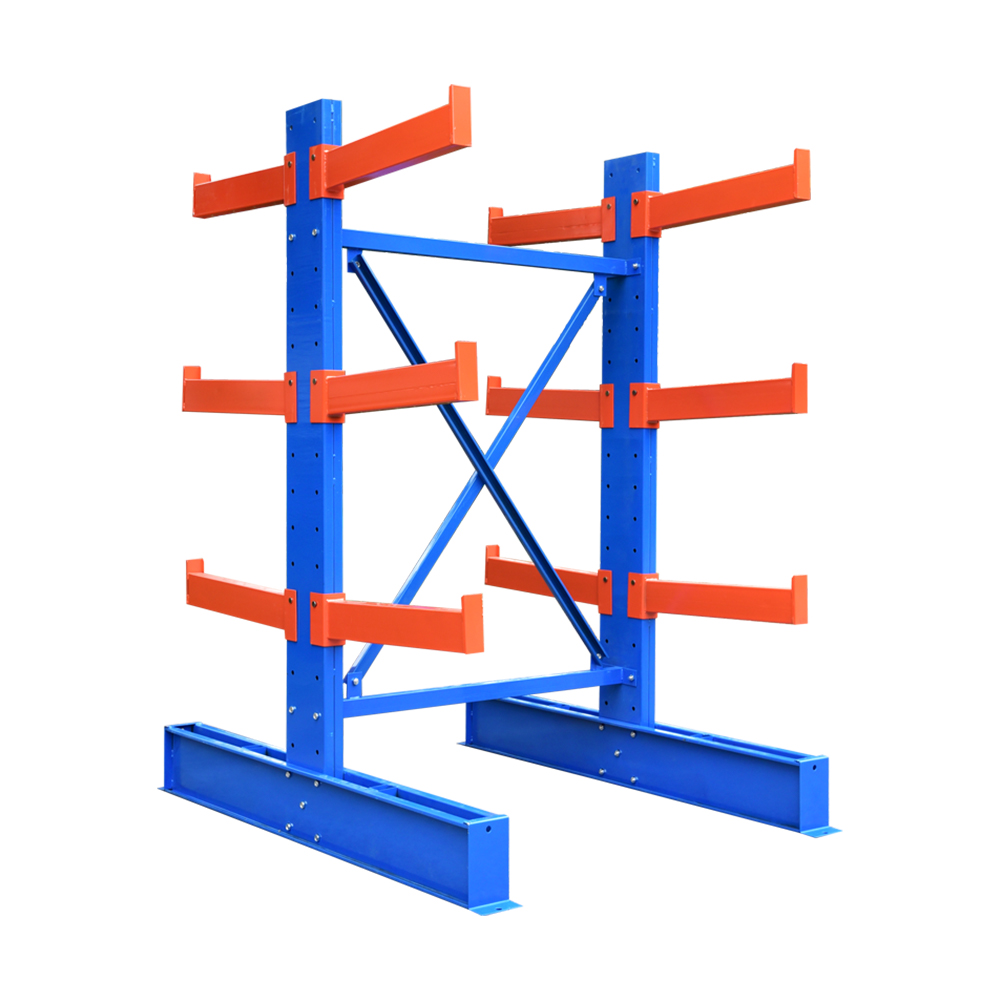
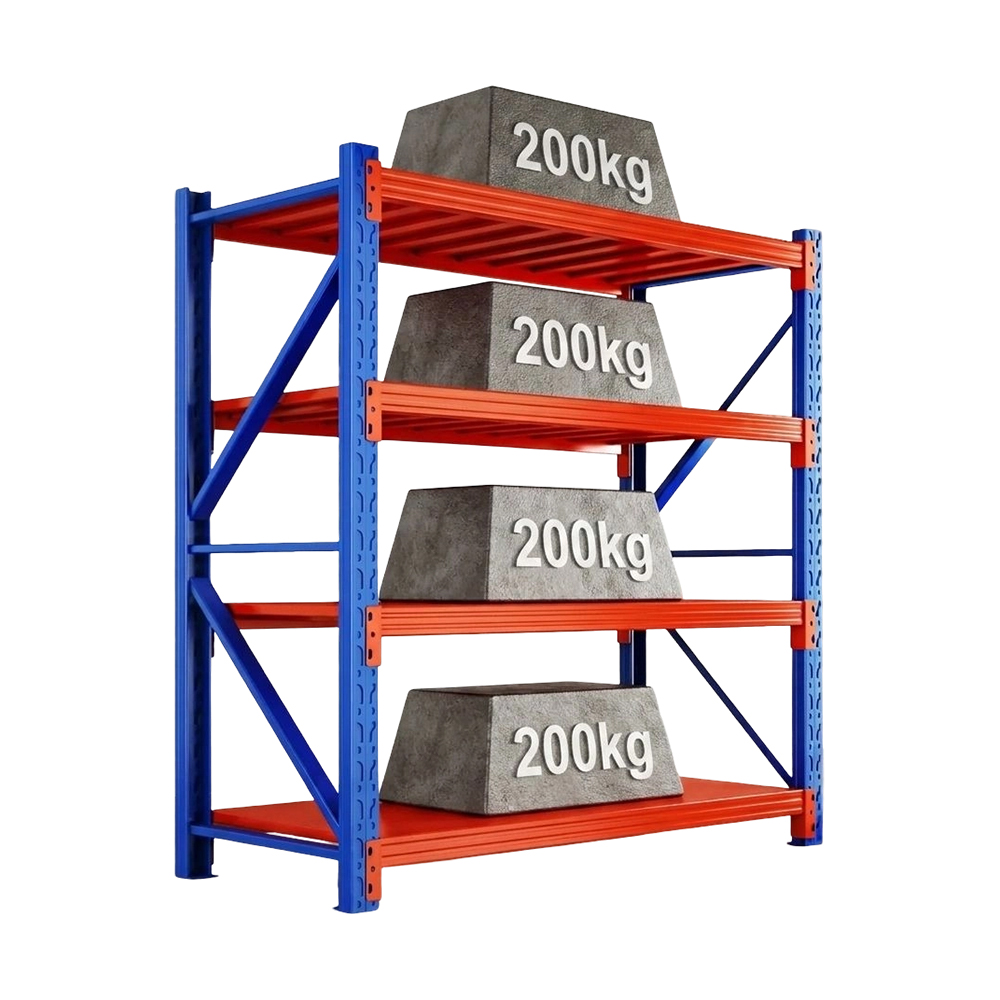
Screws pull out of a plasterboard wall on a wet Sunday, not on installation day. The rack is still straight, the powder coating is still glossy, and the laundry is on the floor. That is the failure mode worth designing against when you choose a laundry drying rack wall mount, and it usually has nothing to do with how the rack looks in a product photo.
Here is the short version. The fixing method decides whether the rack stays on the wall. The load rating decides how much wet laundry it can carry. The steel grade and coating decide whether it still looks acceptable after three humid winters. The folding geometry decides whether the room still works when the rack is folded flat. Price matters, but it belongs at the end of that list, not the beginning.
This guide is written for two groups of readers: households trying to buy once and buy correctly, and trade buyers such as importers, distributors, retail chains and project contractors who need to specify a wall-mounted drying rack in volume without absorbing a wave of returns.
The wall is almost always the weakest link in a wall-mounted drying rack system, so specify the fixing before you specify the rack.
Why Wall-Mounted Drying Racks Fail Before They Wear Out
In the field, wall-mounted drying racks rarely fail because the tube snapped in half. They fail at five predictable points, and each one points back to a purchasing decision.
- Fixing pull-out. The anchor tears out of the substrate. This is the most common failure and the most dramatic, because the whole assembly comes down with the laundry.
- Bracket weld fatigue. The joint between the wall plate and the arm cracks after repeated flexing. The rack was rigid when new, and it started rocking a few months in.
- Rail sag between brackets. A 1,200 mm rail with brackets only at the ends bows under a concentrated load of wet towels, especially when someone hangs everything in the middle.
- Hinge pin wear. On fold-out accordion racks, the pivot points can lose their tension. After 2,000 open-and-close cycles, the arms no longer hold position.
- Coating breakdown. Rust starts at cut edges, drilled holes and weld spatter, then creeps under the coating as a thin line of corrosion. A laundry room at 60 to 80 percent relative humidity accelerates this considerably.
Notice what is missing from that list: colour, arm count and brand styling. Those matter for the sale, but they do not matter for the warranty claim. A buyer who specifies the fixing, the steel thickness and the coating pre-treatment first will usually end up with a rack that quietly lasts a decade.
There is a second failure that never appears in a warranty report: the rack is strong enough but the wrong shape for the room. A 600 mm fold-out depth in a corridor where people walk past with baskets is a design mistake, not a manufacturing one.
Almost every wall-mounted drying rack failure traces back to fixing choice, bracket rigidity or coating preparation, not to the shape of the arms.
Wall Type and Fixing Method Decide Everything
Before comparing rack models, identify what the wall is actually made of. A plasterboard partition, a 1970s aerated concrete block and a poured concrete shear wall behave completely differently under the same tension load, even though all three look identical once painted.
A useful rule for a wall-mounted laundry rack: work out the total wet load you expect, then double it, then make sure the fixing arrangement can carry that doubled figure with at least two independent fixing points. Wet laundry is not a static load. It swings, drops and gets yanked.
Indicative figures for orientation only. Final fixing selection depends on substrate thickness and condition, anchor quality, hole preparation, and the published test data from your anchor supplier.
| Wall construction |
Typical fixing |
Indicative capacity per fixing |
What goes wrong |
| Poured concrete, 100 mm or thicker |
M8 to M10 mechanical expansion anchor, 60 to 80 mm embedment |
Very high, typically 150 kg and above in tension |
Rebar strikes; hole position has to be moved or the anchor will not seat |
| Solid clay brick |
M8 metal frame anchor or nylon frame anchor |
Broadly 80 to 150 kg depending on brick quality |
Drilling into a mortar joint instead of the brick face cuts capacity sharply |
| Aerated concrete block |
Dedicated aerated concrete anchor that cuts a thread rather than expands |
Often 20 to 40 kg per fixing |
Standard expansion anchors spin in the hole and strip the block |
| Timber stud at 400 to 600 mm centres |
Two coach screws per bracket, 8 mm diameter, at least 60 mm into the stud |
High where the stud is confirmed, roughly 80 to 120 kg per screw pair |
Stud finders give false positives; always confirm with a fine pilot hole |
| Metal stud partition |
Heavy-duty toggle bolt or spring toggle through the board |
Roughly 20 to 35 kg per toggle |
The metal stud itself carries very little tension, so the board does the work |
| Plasterboard, no stud available |
Self-drilling cavity toggle with a wide bearing spread |
Broadly 15 to 25 kg per toggle when correctly installed |
Two fixings minimum, spaced apart, with the load shared evenly |
| Tiled cement board over framing |
Tile bit for the finish, anchor into the substrate behind the board |
Depends entirely on what sits behind the tile |
Cracked tiles during drilling are the most common cosmetic complaint |
For heavier wet loads in bathrooms, utility rooms and compact laundries, a stainless steel wall shelf combined with a rail is often a better engineering answer than a single long arm, because the load is shared across more fixing points and the shelf plate stiffens the whole assembly.
Two well-chosen fixings in the correct substrate will outperform four careless fixings in the wrong one, every single time.
Reading Load Ratings: Static, Dynamic and Cyclic
A load figure printed on a box is almost always a static, evenly distributed load measured in a test rig. Real laundry is none of those things. It is wet, dense, unevenly hung, and it gets dropped onto the rack from a height. Before trusting any figure, it helps to understand what different wall-mounted formats can reasonably carry, and where the practical limits sit.
The chart below groups the main wall-mounted formats by indicative static rating. Treat it as a starting point for a conversation with a supplier rather than a guarantee, because tube thickness, bracket design and fixing quality move each bar considerably.
Indicative Static Load Ratings by Wall-Mount Format
Fold-out accordion rack
12 kg
Single fixed rail with hooks
15 kg
Multi-arm swivel rack
25 kg
Tiered shelf-style wall rack
35 kg
Heavy-duty utility wall shelf
60 kg
The gap between 12 kg and 60 kg is not about marketing ambition, it is about how the load reaches the wall. A fold-out accordion rack concentrates everything on one narrow wall plate, so the plate and the substrate take the full stress. A tiered shelf-style rack spreads the same laundry across a wider footprint and adds a stiffening lip, which is why it can carry more with the same steel.
For sizing purposes, a wet cotton bath towel weighs roughly 1.2 to 1.8 kg, wet jeans around 1.0 to 1.5 kg, and a wet king-size duvet cover can exceed 2.5 kg on its own. A rack rated at 12 kg static therefore handles about six to eight towels under ideal conditions, and noticeably fewer when someone hangs a duvet cover on the outermost arm, where leverage is greatest.
Dynamic load is the number most suppliers never publish. Dropping a wet towel onto a rail from 300 mm above adds a multiple of its own weight as a momentary peak. That is why a working safety factor of two is sensible, and why the bracket plate and weld quality matter more than the nominal figure on the label. Buyers sourcing from a manufacturer should ask what test method was used, whether the load was distributed or point-loaded, and whether the rating includes the fixings or only the rack body.
Divide any published static rating by two to get a realistic working load for wet laundry, then check that the fixings match that figure.
Steel Grade, Tube Thickness and Coating for Humid Rooms
Laundry areas sit at the awkward end of the humidity spectrum. They are wet every day, warm for part of it, and rarely ventilated as well as a kitchen. That combination punishes cheap finishes faster than almost any other room in a house.
Three material decisions drive long-term appearance.
- Tube wall thickness. For a wall-mounted drying rack, 0.8 mm steel feels acceptable in the showroom but flexes under load. Most durable domestic racks use 1.0 mm to 1.2 mm tube, and the difference is obvious the moment you hang a wet towel on the end of an arm.
- Base material. Cold-rolled steel with a good coating is the standard choice. Stainless steel in grade 304 is the reference for coastal areas, bathrooms and communal laundries, because it does not rely on a coating to resist moisture at scratched or drilled points. Grade 201 stainless is cheaper but noticeably less resistant in a chloride-rich or constantly damp environment.
- Coating system. Powder coating at 60 to 90 microns over a proper pre-treatment, meaning alkaline degreasing, rinsing and a conversion coating, behaves very differently from powder sprayed onto bare, oily steel. A conversion-coated part typically survives several times longer in a salt spray test, and more importantly it resists the creeping corrosion that starts at cut edges.
Salt spray hours are a useful comparison number when buying from a supplier, provided the test standard is stated. A rack specified at 72 hours and one specified at 480 hours can look identical coming out of the box, and completely different after two years in a coastal laundry.
For wet zones, tiled utility areas, commercial laundry rooms and any project where the rack will see daily moisture, an anticorrosion stainless steel shelving unit is a sensible companion piece. It holds detergent, baskets and clean linen without depending on a painted surface, and it uses the same wall space that would otherwise be wasted above a washing machine.
 Anti-Corrosion Stainless Steel Shelving for Kitchen & Warehouse Storage·500kg heavy-duty load capacity per layer. ·Durable stainless steel construction, corrosion-resistant easy to clean. ·Solid punched column design for enhanced stabilit...View Product →
When comparing samples, look at the cut ends and the weld zones first. That is where coating quality reveals itself, and it is where the first rust typically appears in service.
Pre-treatment before powder coating matters more than coating thickness, because corrosion almost always starts at an edge rather than in the middle of a panel.
Fold Depth, Span and Mounting Height
Geometry is where a technically sound rack still fails to satisfy. A wall-mounted drying rack has to fold back into the room without hitting a door, a radiator, a washing machine lid or a person walking past.
Work through these dimensions before ordering.
- Rail or plate length. Common options run from 600 mm to 1,200 mm. Longer rails carry more laundry but need more fixing points and a straighter wall.
- Fold-out depth. Accordion racks typically project 300 mm to 600 mm when open. In a narrow corridor, 300 mm is a practical ceiling. In a dedicated laundry room, 500 to 600 mm gives real capacity.
- Wall clearance. Leave at least 300 mm of clear space below the folded rack for a laundry basket, and check that the folded arms do not sit directly above a power socket or a radiator.
- Mounting height. Most households mount the wall plate between 1,700 mm and 1,900 mm from the floor. That puts the folded arms above shoulder height, keeps wet laundry away from children and pets, and leaves the wall below free for shelving or a folding table.
- Reach and accessibility. A shorter user should still be able to reach the rail without a stool. If the room has a low ceiling, a drop-down or pulley style rack may be a better fit than a fixed wall plate.
One more measurement is easy to forget: how far the open arms extend sideways. A rack on a short wall next to a doorway can obstruct the frame even when the depth is fine.
Fix the mounting height and fold-out depth before choosing a model, because these two numbers decide whether the room still functions when the rack is open.
Configuration Types and What Each One Suits
There is no universal best wall-mounted drying rack. There is only a configuration that matches a room, a load and a habit.
Fold-out accordion racks
Several parallel arms on a hinged frame. They fold almost flat against the wall, which makes them the default choice for corridors, small bathrooms and balconies where space is contested. Capacity is modest and the hinge is the wear point, so hinge pin quality and arm tension are the things to inspect.
Multi-arm swivel racks
Individual arms that rotate independently, usually in two or three tiers. They handle oddly shaped items better than a fixed rail, and you can open only what you need. They cost more and require a stronger wall plate because the arms cantilever.
Fixed rails with hooks or pegs
The cheapest and the most rigid. Load capacity depends almost entirely on the number of brackets and the fixing. Ideal for utility rooms where a mix of hangers, cloths and small items gets hung quickly.
Tiered shelf-style wall racks
Two or more shallow shelves with integrated rails. They dry flat items such as towels, knitwear and small garments without pegs, and they spread the load across a wider wall area. They project more than an accordion rack even when closed.
Drop-down and pulley systems
Mounted high and lowered by cord. Good where floor space is precious and the user prefers not to lift wet laundry overhead, but they depend on ceiling or high-wall fixing rather than a mid-wall plate.
For trade buyers, the practical takeaway is that a single catalogue usually needs at least two configurations: a compact fold-flat model for small apartments and a wider shelf-style or multi-arm model for houses and laundries.
Match the configuration to the room's narrowest dimension first, and to the load second, because an oversized rack in a tight room gets folded away and never used.
The Laundry Room Works Better as a System
A wall-mounted drying rack solves one problem: where to hang wet clothes. It does not solve where the detergent goes, where clean linen waits, or where the ironing board lives. In practice, buyers who plan the whole wall at once end up happier than buyers who add pieces one at a time.
A workable layout above and around a washing machine usually includes the drying rack at 1,700 to 1,900 mm, a shallow shelf or rack for detergent and baskets on one side, and a foldable storage unit for towels and bedding where floor space allows. Multitier foldable storage shelves are useful here because they can be collapsed when the room is used for something else, and they handle the bulky linen that a drying rack should not be asked to carry.
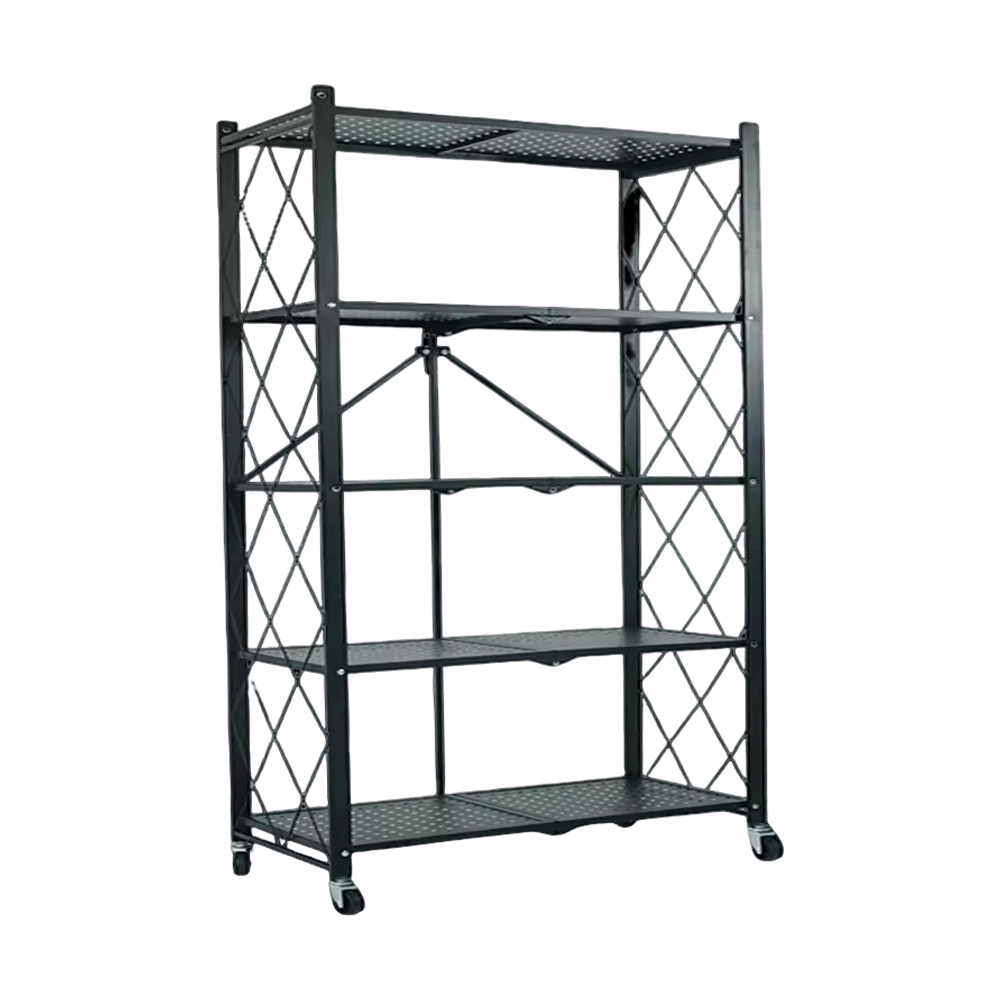 Large Capacity Foldable Multilayer Storage Racks for Home·Foldable design, saves space when not in use. ·Sturdy structure, stable and durable. ·Lightweight and easy to move. ·Multi-layer storage. ·Easy to clean.View Product →
This system approach also matters commercially. A retailer that sells a drying rack alongside a matching storage shelf increases the average order value, and an importer that sources both from one manufacturer reduces freight complexity, documentation and quality risk. Since both products use similar steel, coating lines and packaging materials, combining them in a single container is usually more efficient than splitting the order across two suppliers.
For households, the practical benefit is simpler: everything wet goes on the rack, everything dry goes on the shelf, and the room stops being a pile of baskets.
Plan the wet zone and the dry zone together, because the drying rack only works well when there is somewhere for the dry items to go.
Installation Steps and the Mistakes That Cost You the Warranty
Most wall-mounted drying rack complaints are installation complaints. The steps below are simple, and skipping any one of them is what usually turns a five-year product into a five-month one.
- Check the wall with a detector for pipes, cables and studs before drilling anything. In bathrooms and kitchens, pipes run closer to the surface than most people expect.
- Confirm the substrate with a small pilot hole. A stud finder that says "solid" is not proof of concrete.
- Mark the bracket positions and check them with a spirit level. Off-level racks put uneven load on one fixing.
- Drill to the correct diameter for the anchor, to the full embedment depth, and clean the hole out. Dust in the hole reduces anchor grip noticeably.
- Install the fixings and tighten the wall plate progressively, alternating between points rather than fully tightening one at a time.
- Check that the arms or rail move freely before loading anything. If the assembly rocks at this stage, stop and re-check the wall.
- Load gradually over the first day. Start with two or three items, then add more once the fixing has settled.
- Re-tighten the fixings after the first month, then once a year as routine maintenance.
Three mistakes show up repeatedly. Over-tightening an expansion anchor in a soft block, which strips the hole. Using wall plugs supplied with a cheap rack on a hollow partition. And drilling through tile without a proper tile bit and without reducing drill speed, which cracks the finish and starts a warranty argument that nobody wins.
Clean the drilled hole and re-tighten the fixings a month after installation; those two small steps prevent most pull-out failures.
Indoor, Balcony and Utility Room Mounting Differences
The same rack behaves differently depending on which side of the wall it lives on.
Bathrooms and internal laundries
Humidity is constant and ventilation is often poor. Coating quality and edge sealing matter most here, and stainless steel is a reasonable upgrade for communal or high-use installations. Tiled surfaces need careful drilling, and the substrate behind the tile is what actually carries the load.
Covered balconies
This is the harshest common environment for a wall-mounted drying rack. UV exposure attacks polymer components such as end caps and hinge bushes, temperature swings stress the coating, and if the balcony faces the sea, airborne chloride accelerates corrosion at any scratch. Specify UV-stabilised components and, ideally, stainless steel hardware.
Open balconies and courtyards
Wind uplift becomes a real factor. A rack with light laundry on it can act like a sail. Heavier fixing, shorter arms and a locking fold mechanism reduce the risk of the assembly being pushed around when empty.
Utility rooms and garages
Usually the easiest environment, but also the one where people mount racks onto single-skin blockwork or metal cladding. Both need dedicated fixings rather than general-purpose plugs.
For buyers importing into different climate zones, this is worth building into the range: a standard coated model for inland temperate markets and an upgraded stainless or heavy-coating model for coastal and tropical markets. Our industrial shelving experience with humidity and load conditions in export markets feeds directly into how these products are specified, since the same material and coating decisions apply across both categories.
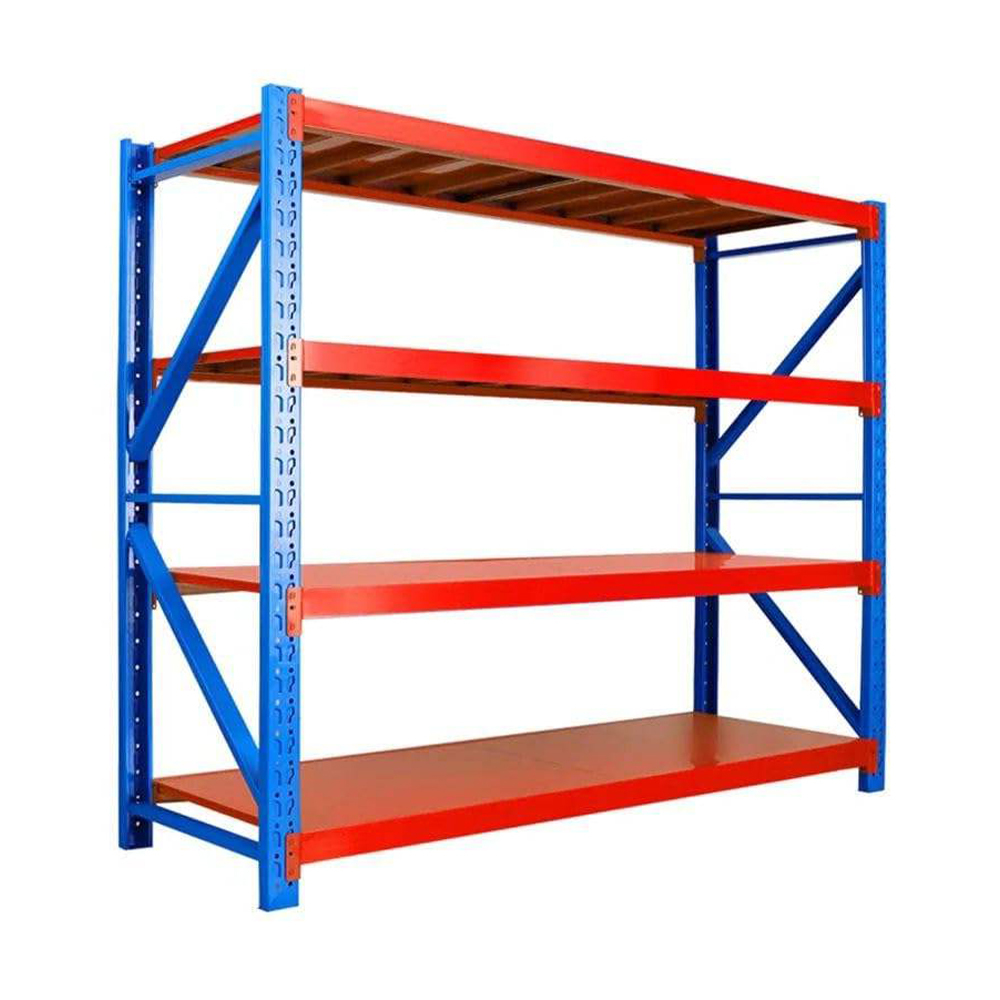
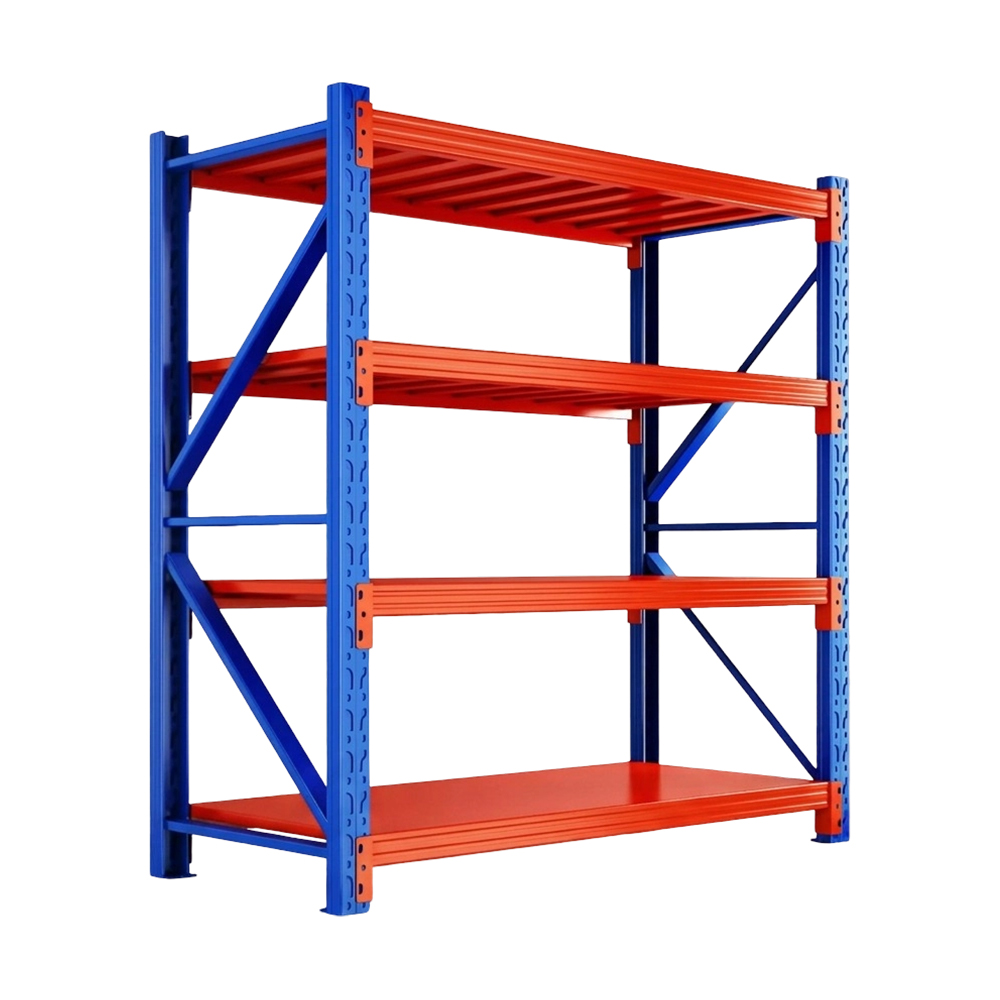
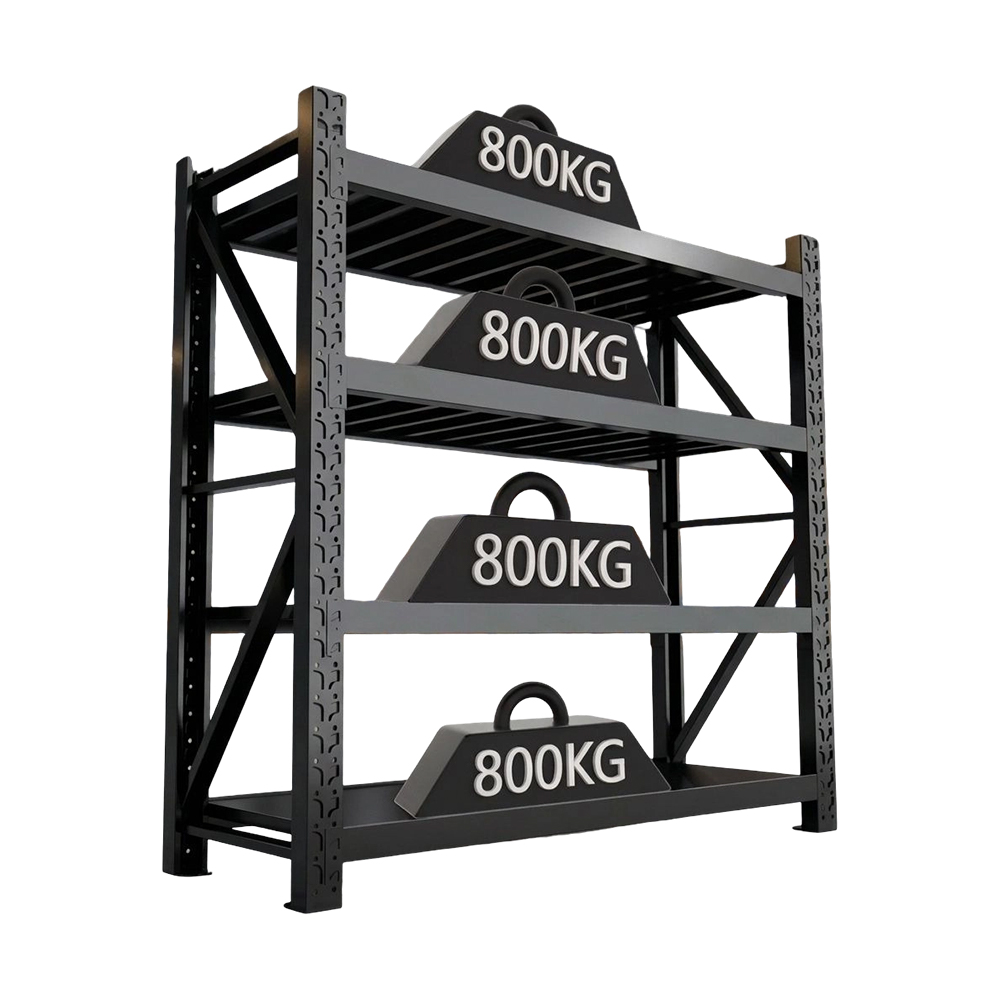
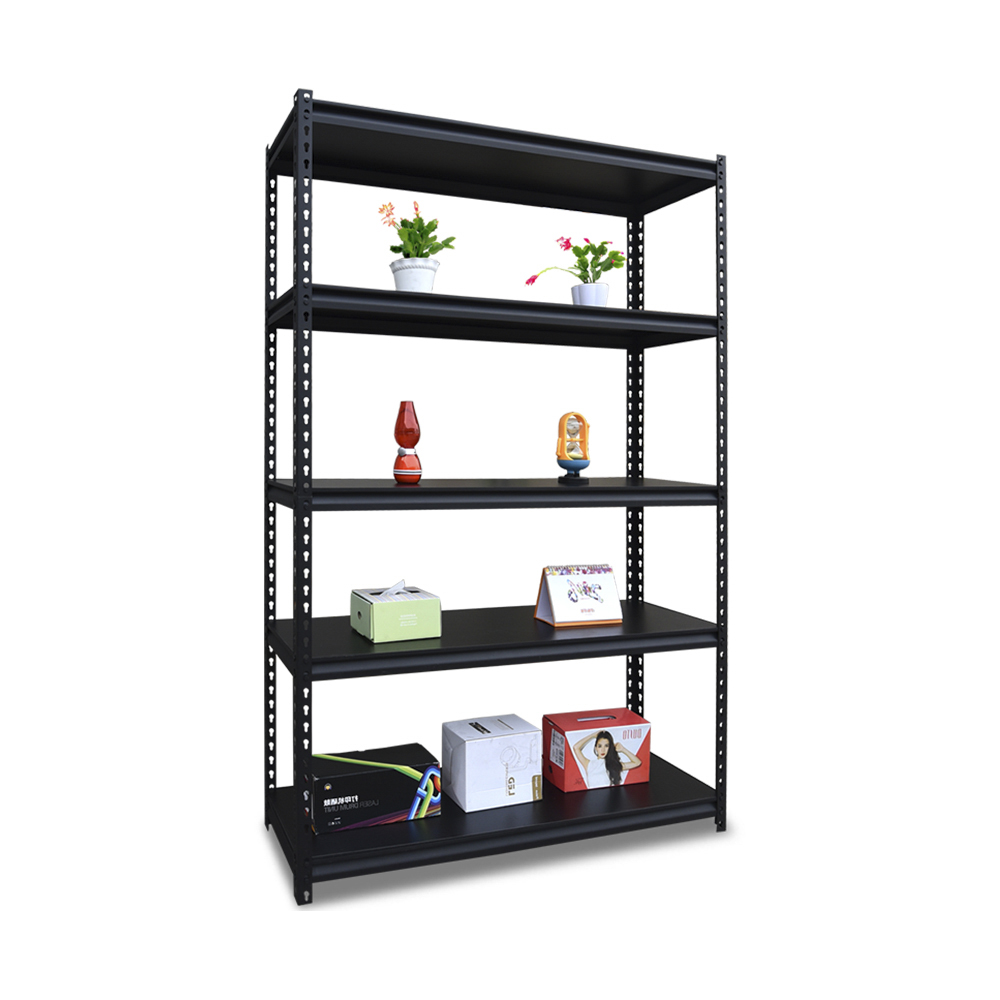 Adjustable Metal Shelving for Home, Office & Warehouse·Durable steel construction with rust-resistant finish. ·5 adjustable tiers for flexible organization. ·Boltless assembly for quick, tool-free setup. ·Open design for ...View Product →
Adjustable metal shelving is a useful reference point here, because it uses the same logic of matching steel grade and coating to the environment rather than to the price point.
A rack specified for an inland utility room is not automatically suitable for a coastal balcony; the environment decides the material grade.
Sourcing Wall-Mounted Drying Racks: A B2B Buyer's Guide
If you are buying in volume, the questions change. Instead of asking whether a rack is strong enough for a family, you are asking whether a supplier can hold a specification across twenty containers and three years.
Confirm the manufacturing role
Distinguish between a trading company and an actual manufacturer. A factory with its own forming, welding, pre-treatment and coating lines can control the variables that cause field failures, and can usually adjust tube thickness, plate design or packaging without changing suppliers. Ask about factory area, production lines and in-house quality control, and ask for a video walkthrough rather than a photo set.
Ask for the real specification, not the catalogue number
Request tube wall thickness, steel grade, coating type and thickness, salt spray test standard and hours, and the rated static load with its test method. A supplier that cannot answer these questions is unlikely to hold the specification consistently.
Plan OEM and ODM properly
Most volume buyers eventually want their own branding, packaging or a modified arm geometry. Tooling cost, sample lead time, first article approval and revision control all need to be agreed before the purchase order, not after. Custom development is normal in this category, and a supplier set up for OEM and ODM cooperation will have a defined sample approval process.
Test the packaging before you test the product
Wall-mounted drying racks are awkward shapes: long, thin and prone to bending in transit. Ask for a drop test on the retail carton and confirm the master carton's compression strength. Damaged arms arriving at a retailer cost far more than the packaging upgrade.
Agree on spare parts and documentation
Wall plugs, caps, hinge pins and instruction sheets should be available separately. A simple, well-illustrated installation sheet reduces returns and support tickets, and it is one of the cheapest quality improvements a buyer can request.
For buyers who want to discuss a specific specification, our team can review drawings, target loads and market conditions before quoting.
Ask every potential supplier for the tube thickness, coating system and load test method in writing; the answers separate manufacturers from resellers quickly.
Cost Drivers and How to Compare Supplier Quotes
Two quotes for the same-looking wall-mounted drying rack can differ by 40 percent, and the gap is almost always explained by four variables.
- Steel input. A move from 0.8 mm to 1.2 mm tube increases material weight by roughly half. That is the single biggest cost lever and the easiest one to hide.
- Coating process. Skipping the pre-treatment stage saves money per unit and costs the buyer returns later. Salt spray hours are a direct proxy for this.
- Hardware and fittings. Stainless hinge pins, UV-stabilised caps and quality anchors add cost. Cheap fittings fail first in service.
- Packaging and freight density. A design that folds flatter packs more units per container, which can offset a slightly higher unit price. Always compare landed cost per container, not ex-works price per piece.
When comparing quotes, standardise the comparison: same tube thickness, same coating specification, same fitting set, same carton configuration. Otherwise you are comparing a specification against a price, which is not a comparison at all.
It also helps to model the total cost of ownership rather than the purchase price. A cheaper rack that generates a three percent return rate and a five percent spare-parts demand is usually more expensive than the better-specified alternative, particularly for e-commerce sellers where a return costs several times the product margin.
Compare landed cost per container at an identical specification, because a lower unit price built on thinner steel is not a lower cost.
Care and Long-Term Expectations
A well-specified wall-mounted drying rack should give eight to fifteen years of domestic service. A poorly specified one often gives two to four. The difference is maintained with very little effort.
- Wipe the frame with a damp cloth monthly, and dry it. Standing water on a coated surface is what starts edge corrosion.
- Check the fixing screws twice a year, and immediately if the rack ever feels loose.
- Keep loads within the working limit you calculated, and avoid hanging heavy wet items on the outermost arm.
- Touch up any deep scratch on a coated rack with matching enamel. A two-minute repair prevents a two-year problem.
- For stainless steel, avoid chloride-based cleaners and abrasive pads, which damage the passive layer.
If hinge arms start to droop, the assembly usually needs a hinge pin replacement rather than a full replacement. Buying from a supplier that stocks spares extends the life of the product considerably and reduces waste.
Six-monthly screw checks and immediate touch-up of scratches are the two habits that decide whether a rack lasts three years or twelve.
Frequently Asked Questions
What load rating should I look for in a laundry drying rack wall mount?
For a two-person household, a rack with a static rating of 20 kg or more gives comfortable working capacity once you apply a safety factor of two. Larger families, or anyone drying towels and bedding regularly, should look at 30 kg and above, combined with fixings rated for the same load.
Can a wall mount drying rack be installed on plasterboard?
Yes, provided the plasterboard is in good condition and you use proper cavity fixings rather than standard wall plugs. A toggle fixing spreads the load across a wide area of board. Two or more well-spaced toggles are essential, and the working load should be kept modest, typically under 15 kg total.
In coastal areas, bathrooms and communal laundries, yes. Stainless steel does not depend on a coating to resist moisture, so scratches and drilled holes do not become corrosion sites. In a dry inland utility room, a well-coated steel rack with proper pre-treatment is usually sufficient.
How high should a wall-mounted drying rack be installed?
Most installations place the wall plate between 1,700 mm and 1,900 mm from the floor. That keeps folded arms above shoulder height, leaves roughly 900 mm of clear space below for a basket, and still allows a shorter user to reach the rail comfortably.
Why does my wall-mounted drying rack keep coming loose?
The usual causes are an anchor type that does not suit the substrate, a hole drilled too large or not cleaned out, or a load that exceeds the working limit. Aerated concrete and hollow partitions are the two substrates where general-purpose plugs fail most often.
Do you supply wall-mounted laundry racks as a manufacturer or through wholesalers?
We manufacture shelving and storage products for warehouse, retail, office and home applications, and we support custom product development including OEM and ODM cooperation. Buyers can work with us directly as a supplier or through their existing distribution channels, depending on order structure and market.
What is the typical minimum order for a custom drying rack project?
It depends on tooling, finish and packaging requirements. Small trial orders are possible for standard specifications, while custom arm geometry, private-label packaging or new colour ranges usually need a larger first run to justify setup. Send drawings, target load and packaging requirements for a specific answer.
How can I tell whether a supplier's coating will survive a humid laundry?
Ask for the salt spray test standard and hours, and inspect the cut ends and weld zones on a sample. Corrosion almost always begins at an edge. A supplier that can describe its pre-treatment stages, degreasing, rinsing and conversion coating, is usually controlling the variable that matters.
Fixings, tube thickness and coating pre-treatment answer almost every practical question about a laundry drying rack wall mount, from load capacity to lifespan.
Where to Go Next
If you are specifying a rack for a project, a retail programme or a private-label range, the fastest way to get a usable answer is to send the wall type, the expected wet load and the packaging requirements together. That combination determines steel thickness, bracket design, fixing kit and carton format, and it is the difference between a quotation and a solution.
Whether the requirement is a compact fold-flat model for apartment balconies or a heavier shelf-style unit for a commercial laundry, matching the specification to the fixing environment is what keeps products on walls and out of the returns process.



 English
 Español
 русский
 Français
 한국어
 عربى
 ไทย
 Deutsch
 Bahasa Melayu
 Português
 Polskie