


 English
  Español
  русский
  Français
  한국어
한국어  عربى
عربى  ไทย
ไทย  Deutsch
  Bahasa Melayu
  Português
  Polskie
China Tel: +86-13761540945
Thailand Tel: +66 99 109 1956
Thailand Tel: +66 92 242 5845
liwu78465@gmail.com



Light Duty Rack Supplier
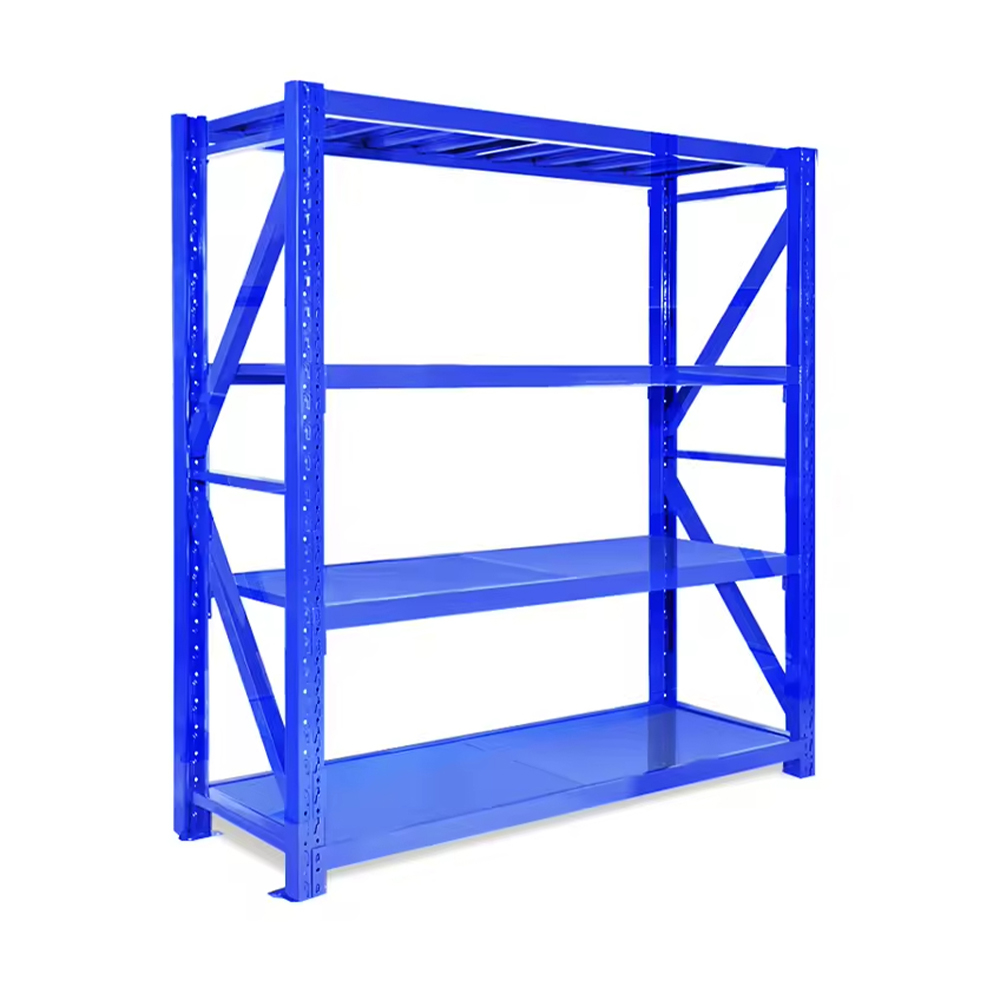
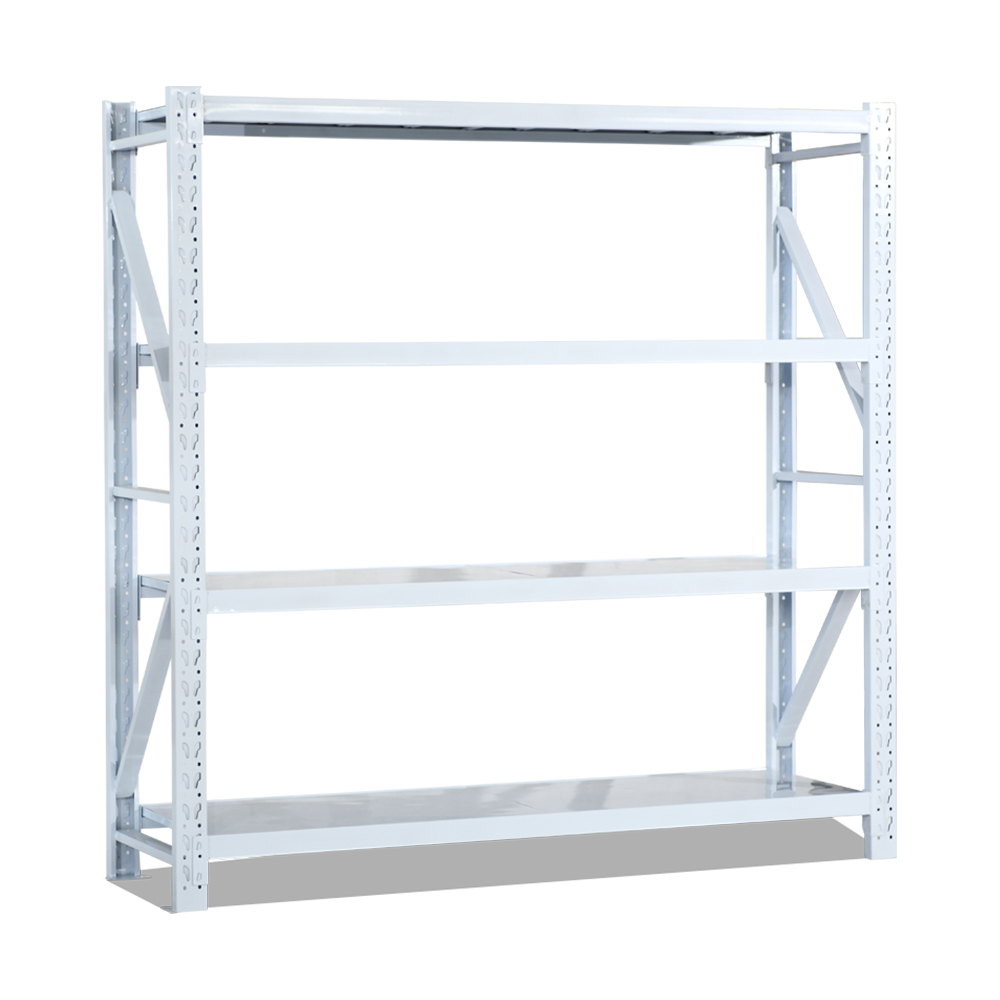
Light Duty Rack (under 200kg per layer) are as follows:
Main Application Scenarios
·Retail Stores: Suitable for storing merchandise, inventory items, packaging materials, etc., such as product display and storage in convenience stores, stationery shops, and small supermarkets.
·Home Use: Can be placed in home storage rooms, garages, or balconies to store daily sundries, tools, small home appliances, seasonal items, etc., making efficient use of home space.
·These racks feature easy assembly, light weight, flexible height adjustment, and anti-rust coating, making them ideal for non-industrial, light-load storage scenarios that require high flexibility.
What Sets Us Apart
Who We Are
Better Shelving, Better Business
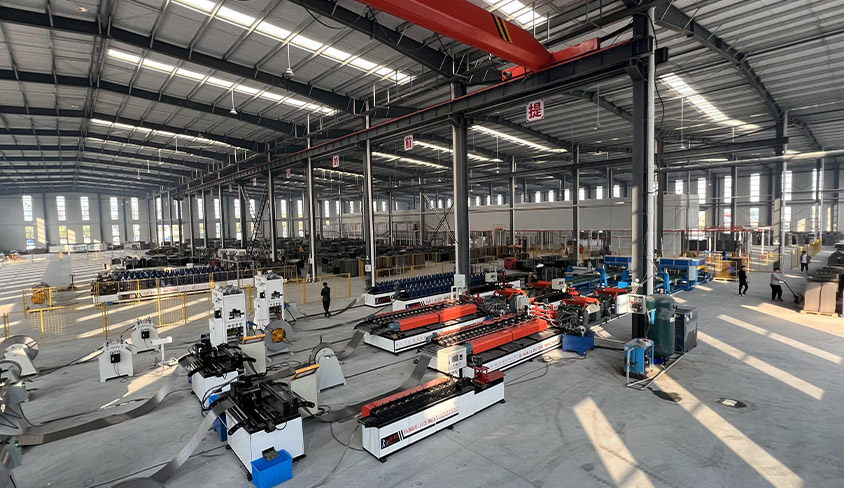
Shanghai King Global Shelf Co.,Ltd. is a leading manufacturer of shelving and storage solutions for
logistics and warehousing. Specializing in home racks, industry heavy-duty shelving, and warehouse
optimization systems. Founded in 2010, we have built strong production capability with a modern facility,
experienced team, and reliable quality control. We are China Light Duty Rack Supplier and Wholesale Light Duty Rack Factory, our products are designed to improve display, storage
efficiency, and space utilization for different markets. With stable quality, flexible solutions,
and responsive service, we support customers in both domestic and overseas markets.
About Us


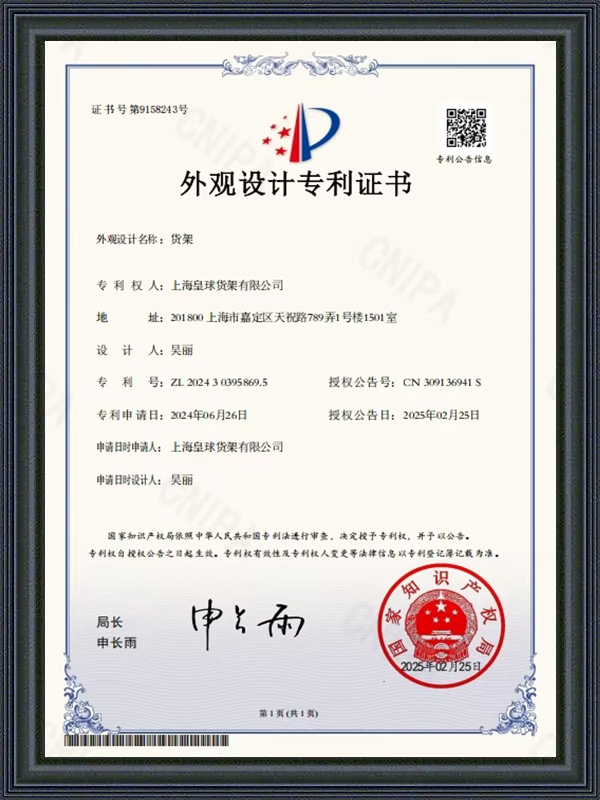
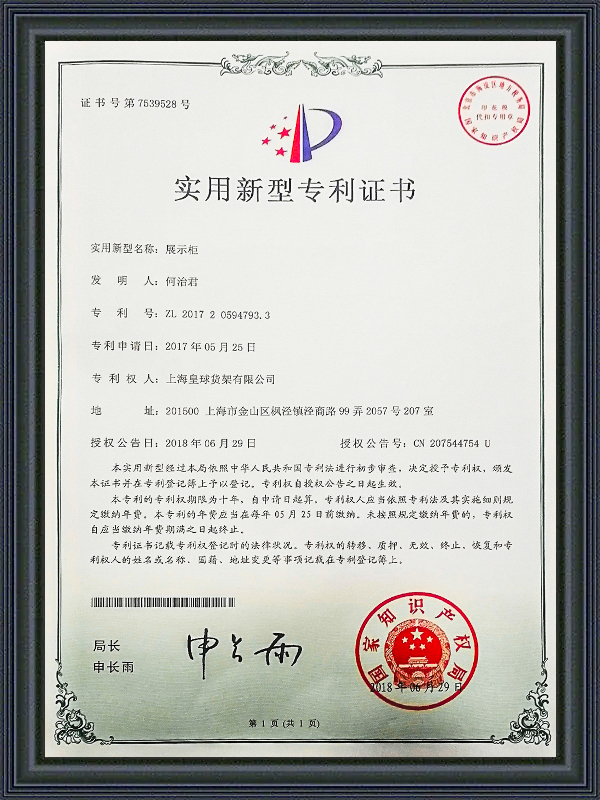
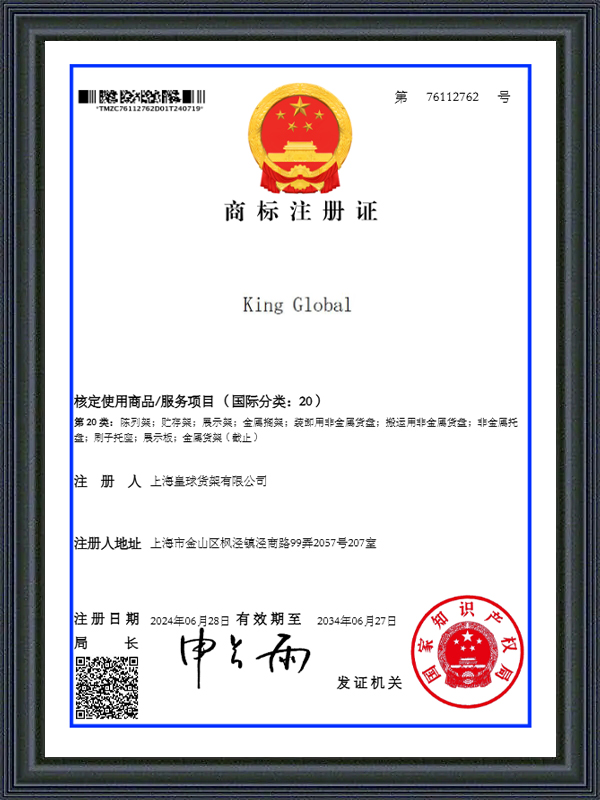
Honor
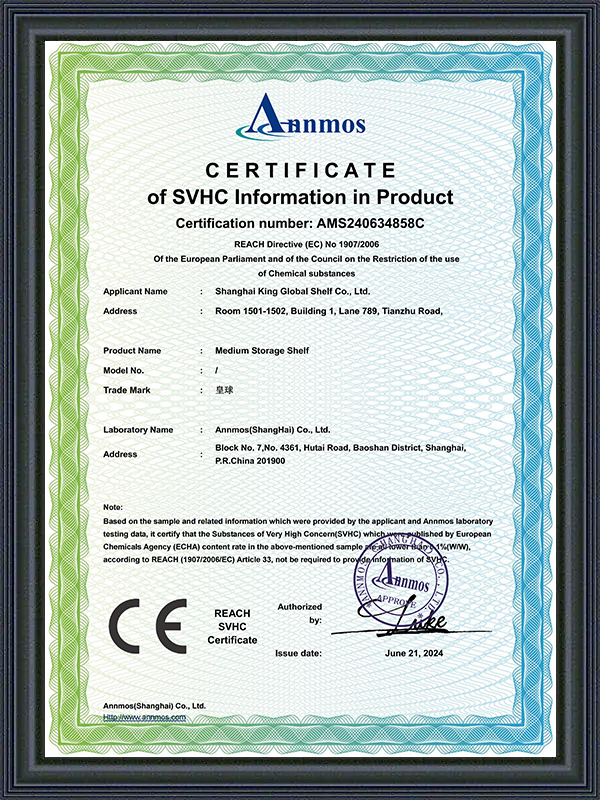
Certificate Of Honor
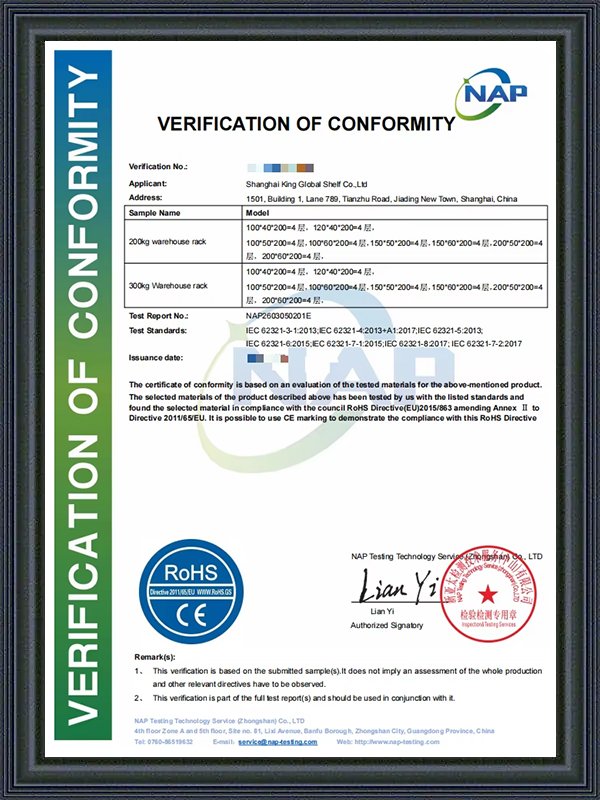
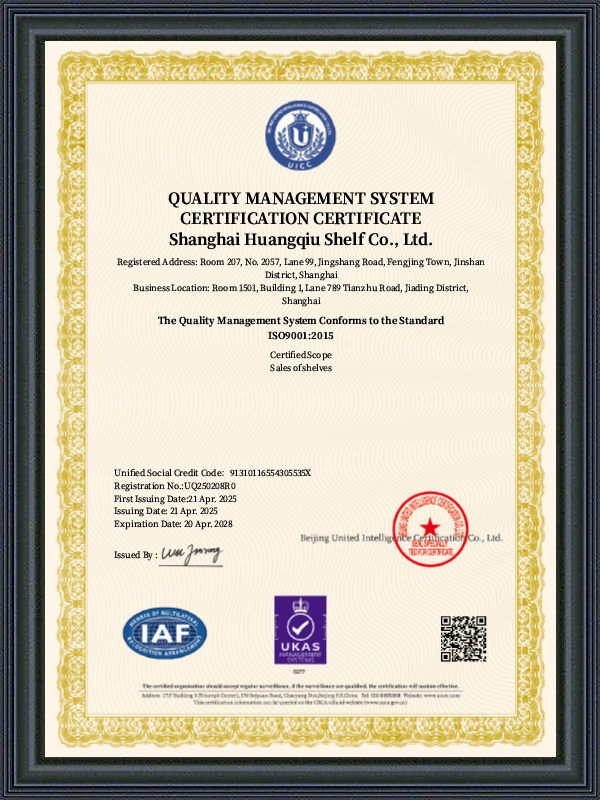
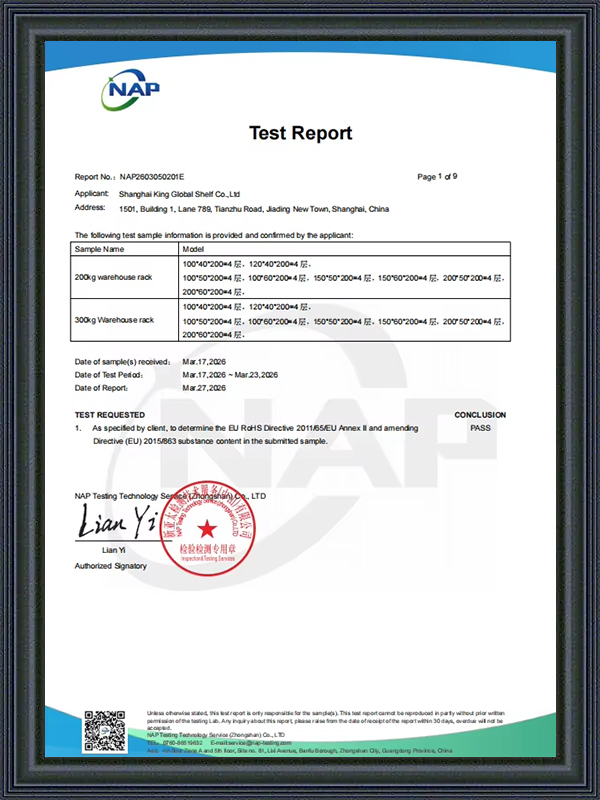
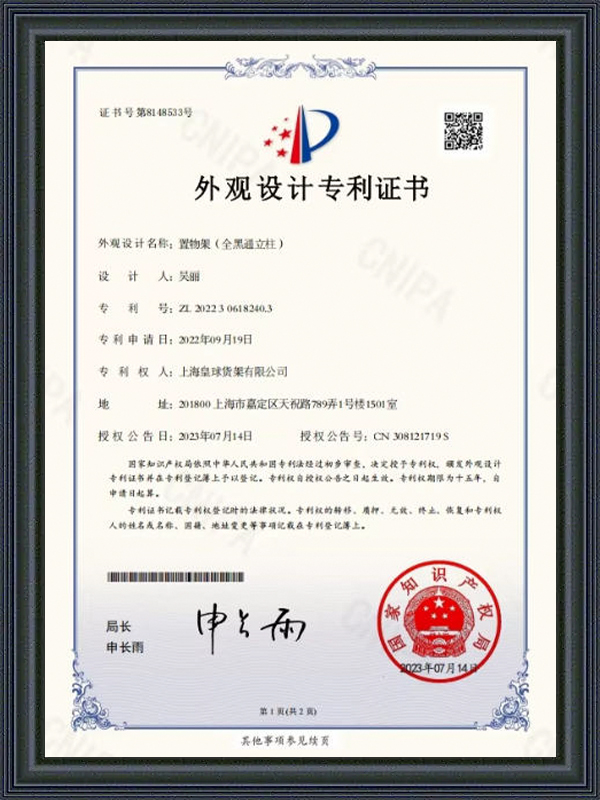
-

 2026-09-21
 Industry News
-
2026-09-15
Industry News
-
2026-09-08
Industry News
-
2026-09-01
Industry News
Feedback
Message Feedback
Knowledge
Light Duty Rack Industry knowledge
1. Light Duty Rack Overview
A light duty rack is a shelving system engineered for smaller, evenly distributed loads, typically rated under 200 kilograms per layer, making it suited to environments where flexibility and ease of use matter more than heavy pallet capacity. Unlike medium or heavy duty racking built for palletized goods, a light duty rack is designed around small parts, packaged merchandise, and general household or workshop items that do not require industrial-grade beam sections. The lighter steel gauge used in this category keeps individual components manageable to handle during assembly, while still providing enough structural rigidity for stable, repeated daily use. Because a light duty rack does not need the reinforced connectors and thick uprights found in pallet-rated systems, it is generally quicker to assemble and easier to reconfigure as storage needs change.
This category serves two broad settings that share a common need for flexible, non-industrial storage: retail environments handling merchandise and inventory, and home or personal spaces such as garages, storage rooms, and balconies. Easy assembly, light overall weight, adjustable shelf height, and anti-rust coating together define the practical value of a light duty rack across these varied settings. The sections below review typical structural features, per-layer capacity, tiered configuration options, common application scenarios, selection guidance relative to other duty classes, and maintenance recommendations for long-term use.
2. Structural Features of a Light Duty Rack
Several structural characteristics consistently appear across light duty rack products, regardless of the specific brand or configuration chosen.
(1) Adjustable Shelf Height
Most light duty rack systems use boltless or clip-style connectors that allow shelf levels to be repositioned along the upright posts without specialized tools. This flexibility makes it straightforward to accommodate taller items on one level and shorter, more numerous items on another as stored goods change over time.
(2) Lightweight Steel Construction
The steel gauge used in a light duty rack is thinner than that used in pallet-rated racking, which keeps individual shelf panels and posts manageable to lift and position during assembly, while still providing adequate strength for the intended load range under 200 kilograms per layer.
(3) Anti-Rust Coating
A protective coating, typically powder coating or galvanized finish, helps resist corrosion in environments such as garages or balconies where humidity or temperature swings are more likely than in a climate-controlled warehouse. This finish also supports easier cleaning in retail settings where shelving is visible to customers.
3. Visualizing Per-Layer Load Capacity
Understanding what a 200 kilogram per-layer rating actually represents in practical terms helps clarify what a light duty rack is, and is not, designed to hold. Before viewing the block diagram below, it is worth noting that this capacity is generally distributed evenly across the full shelf surface rather than concentrated at a single point, since concentrated loading can exceed the safe rating even when the total weight is technically within range. A single layer rated at this level can typically hold a substantial number of small parts bins, packaged retail goods, or general household boxes, provided the load is spread across the panel rather than stacked narrowly in one corner. This capacity sits well below the levels expected of medium or heavy duty racking, which is an intentional design choice rather than a limitation, since it keeps the overall structure lighter and easier to reconfigure. The pictogram below represents the 200 kilogram threshold as a series of equal units, illustrating how this capacity might be distributed across typical light-duty storage items.
This block diagram breaks the 200 kilogram per-layer rating into twenty equal 10 kilogram units, which makes it easier to visualize how this figure translates into everyday storage items rather than treating it as an abstract number. A row of packaged retail goods, small parts containers, or general household boxes spread evenly across a shelf panel will typically consume this capacity gradually across the full surface rather than in one concentrated stack. This visual also reinforces why even load distribution matters more for a light duty rack than it might first appear, since placing several of these units in a single narrow section of the shelf rather than spreading them across the panel can create localized stress beyond what the design assumes. Retail environments displaying merchandise across a full shelf width naturally tend to distribute weight this way, while storage rooms or garages sometimes concentrate heavier boxes in the center, which is a pattern worth avoiding when using this category of shelving. Spreading stored weight evenly across the full shelf surface helps keep actual use consistent with the rated 200 kilogram per-layer capacity. Understanding this distribution principle also helps explain why a light duty rack is not intended for single heavy items such as engine parts or large appliances, even if the total weight technically falls under the rating, since concentrated point loads behave differently from evenly spread loads. This block visualization is intended as a conceptual aid for everyday planning rather than a precise engineering calculation, and actual safe use should always follow the specific product's load guidance.
4. Cumulative Capacity Across Tiered Configurations
A light duty rack is commonly sold in tiered configurations, typically ranging from two to six shelf levels depending on available space and ceiling height. Before viewing the step chart below, it helps to understand that total rack capacity increases in fixed steps as tiers are added, since each additional level contributes the same rated per-layer capacity to the overall total. A two-tier unit intended for a compact space will naturally offer less total storage capacity than a five or six-tier unit occupying the same footprint but extending higher. This step-based growth pattern is more predictable than the diminishing returns seen in some taller storage systems, since a light duty rack does not typically face the same access or equipment constraints that limit very tall industrial racking. The step chart below illustrates how total indexed capacity builds as tiers are added to a single light duty rack unit.
The even, staircase-shaped rise in this chart shows total indexed capacity climbing by a consistent amount at each added tier, which is a straightforward pattern compared to storage systems where higher levels carry reduced ratings. Each step represents one additional shelf level contributing its own rated capacity to the running total, so a facility or household choosing a six-tier configuration can generally expect close to three times the total capacity of a two-tier unit occupying the same floor footprint. This consistent step pattern is one of the practical advantages of a light duty rack compared to heavier industrial systems, where upper-level ratings are often reduced for stability reasons discussed in other categories. Retail stores with narrow floor space often choose taller tier counts to maximize storage without expanding the unit's footprint, while home users in garages or storage rooms may prefer a shorter configuration that remains easy to reach without a step stool. Selecting the right tier count mainly depends on available height and how easily the top level can be safely accessed, rather than on any change in per-layer load behavior as tiers are added. It is worth noting that access convenience, not structural capacity, becomes the more common practical limit as tier count increases for this category, since reaching a sixth level comfortably without additional equipment can be difficult in a home setting. This step chart should be read as a general planning reference, and actual total capacity always depends on the specific per-layer rating of the product selected.
5. Retail Versus Home Usage Split
Light duty rack systems generally serve two broad settings, and understanding the general balance between them helps explain why this category emphasizes flexibility over sheer capacity. Retail environments such as convenience stores, stationery shops, and small supermarkets use this shelving for product display and general inventory storage, where appearance and accessibility to shoppers matter alongside basic storage function. Home users rely on the same underlying product for storage rooms, garages, and balconies, holding daily sundries, tools, small appliances, and seasonal items where ease of assembly and reconfiguration are the primary concerns. The simple comparison bar below presents a general illustrative split between these two settings based on common usage patterns for this shelving category.
This simple split bar shows retail store usage holding a modestly larger general share compared to home use, which reflects the broad range of small retail formats, from convenience stores to stationery shops to small supermarkets, that commonly rely on this category for merchandise display and general inventory. Home use still represents a substantial share of overall demand, since garages, storage rooms, and balconies present a very common need for flexible, easy-to-assemble shelving that does not require professional installation. The relatively close balance between these two segments reflects how similar the underlying product requirements are across both settings, since both prioritize adjustable height, manageable weight, and corrosion resistance over industrial-grade load capacity. Retail buyers often select configurations with a cleaner finish suited to customer-facing areas, while home buyers may prioritize a taller tier count to maximize storage in a garage or utility room. The close split between retail and home usage illustrates why this category is designed around general-purpose flexibility rather than a single specialized use case. Facilities or households evaluating this category should consider which of these two general use patterns most closely matches their own storage goals when selecting a specific configuration and finish. This chart is intended as a general illustrative reference rather than a measured market breakdown for any specific region or period.
6. Application Scenarios
Common application scenarios for a light duty rack include the following.
- Retail stores such as convenience stores, stationery shops, and small supermarkets, for merchandise display, inventory items, and packaging materials.
- Home storage rooms, garages, or balconies, for organizing daily sundries, tools, small home appliances, and seasonal items.
- Small workshops and hobby spaces needing lightweight, reconfigurable storage for parts, supplies, or equipment.
- Office storerooms holding stationery, files, and general supplies that do not require industrial-grade shelving.
Across these scenarios, the shared requirement is flexibility rather than maximum load capacity, which is why a light duty rack is generally chosen over medium or heavy duty racking whenever items are individually light, storage needs change frequently, or professional installation is not practical.
7. Selecting Between Duty Classes
Choosing a light duty rack over a medium or heavy duty alternative generally depends on the weight and dimensions of the items being stored, as summarized in the table below.
| Duty Class | Typical Per-Layer Load | Common Setting |
|---|---|---|
| Light Duty Rack | Under 200kg | Retail display, home and garage storage |
| Medium Duty Rack | Moderate mixed loads | Retail warehouses, e-commerce fulfillment, light manufacturing |
| Heavy Duty and Pallet Racking | High-capacity palletized loads | Distribution centers, cold chain warehouses, automotive parts storage |
Shanghai King Global Shelf Co., Ltd. offers a comprehensive range of industrial-grade warehouse racking solutions spanning all three of these duty classes, along with custom and specialized racks for particular applications. Selecting the correct class from the outset generally has more influence on long-term satisfaction than any secondary feature, since an underrated system risks premature wear while an overrated system adds unnecessary weight and cost to a simple storage need.
8. Maintenance Guidance
Maintaining a light duty rack mainly involves periodic checks of shelf clip connections, upright stability, and the condition of the anti-rust coating, particularly in garages, balconies, or other locations exposed to humidity or temperature changes. Loose clips or panels should be reseated promptly, since gradual movement at the connection points can affect how evenly the rated load is distributed across the shelf surface. In retail settings, staff should periodically confirm that displayed merchandise remains spread across the full shelf width rather than concentrated in one section, consistent with the even-load principle discussed earlier in this article.
Surfaces should be wiped down periodically to prevent dust or moisture buildup from affecting the coating over time, and any signs of surface corrosion should be addressed early to prevent further spread. Even load distribution and prompt attention to loose connections are the two most practical steps for maintaining a light duty rack over its service life. Shanghai King Global Shelf Co., Ltd. applies corrosion-resistant finishes and quality control across its shelving product line, supporting reliable performance for both retail and home storage applications over time.
9. Frequently Asked Questions
(1) What is the typical load rating for a light duty rack
Most light duty rack products are rated under 200 kilograms per layer, provided the load is distributed evenly across the shelf surface rather than concentrated at a single point.
(2) Is a light duty rack suitable for home garage storage
Yes, this category is commonly used in garages, storage rooms, and balconies for tools, small appliances, and seasonal items, given its easy assembly and manageable weight.
(3) How many tiers can a light duty rack typically have
Configurations commonly range from two to six tiers, with each additional tier contributing the same rated per-layer capacity, though access convenience becomes a more practical limit at greater heights.
(4) When should a medium or heavy duty rack be chosen instead
A medium or heavy duty rack is generally more appropriate when items exceed the light duty load range or when goods are palletized, as is common in warehouses and distribution centers.
(5) How should shelf levels be loaded to stay within the rated capacity
Weight should be spread evenly across the full shelf surface rather than concentrated in one area, since concentrated point loads can create localized stress beyond what the rating assumes.
Get exclusive deals and early access to new products.
Experienced staff and experts are always available to provide you with professional guidance and solutions to technical problems.
Mobile
-
Quick Links
Home Products Cooperation Cases Company Service News Contact Us -
Product
Warehouse Rack Pallet Racking Mezzanine Racking Cantilever Racks Supermarket Shelf Office & Home Shelves -
Contact Us

E-mail: liwu78465@gmail.com

WhatsApp: 8613761540945

China Tel: +86-13761540945
Thailand Tel: +66 99 109 1956 (Line Same)
Thailand Tel: +66 92 242 5845 (Line Same)

China Address:Room 1501, Building 1, Lane 789, Tianzhu Road, Jiading District, Shanghai, China.
USA Address: 23787 Eichler St, Unit G, Hayward, CA 94545.
Malaysia Address: METROHUB 2 Warehouse 4, Lot 109363, Persiaran Bukit Rajakayangan/KU5,Bandar Bukit Raja, 41050 Klang, Selangor Darul EhsanReturn to Gate 81, Malaysia.
Thailand Address:จังหวัดสมุทรปราการ อำเภอบางเสาธง ตำบลบางเสาธง 32/7 หมู่7 ถนนบางพลี-ตำหรุ บางพลีใหญ่ Bang Phli District, Samut Prakan 10540,(TH)
Copyright ©
Shanghai King Global Shelf Co.,Ltd.
All Rights Reserved.
Light Duty Rack Supplier
Wholesale Light Duty Rack Factory
