


 English
  Español
  русский
  Français
  한국어
한국어  عربى
عربى  ไทย
ไทย  Deutsch
  Bahasa Melayu
  Português
  Polskie
China Tel: +86-13761540945
Thailand Tel: +66 99 109 1956
Thailand Tel: +66 92 242 5845
liwu78465@gmail.com



Supermarket Shelf Manufacturer
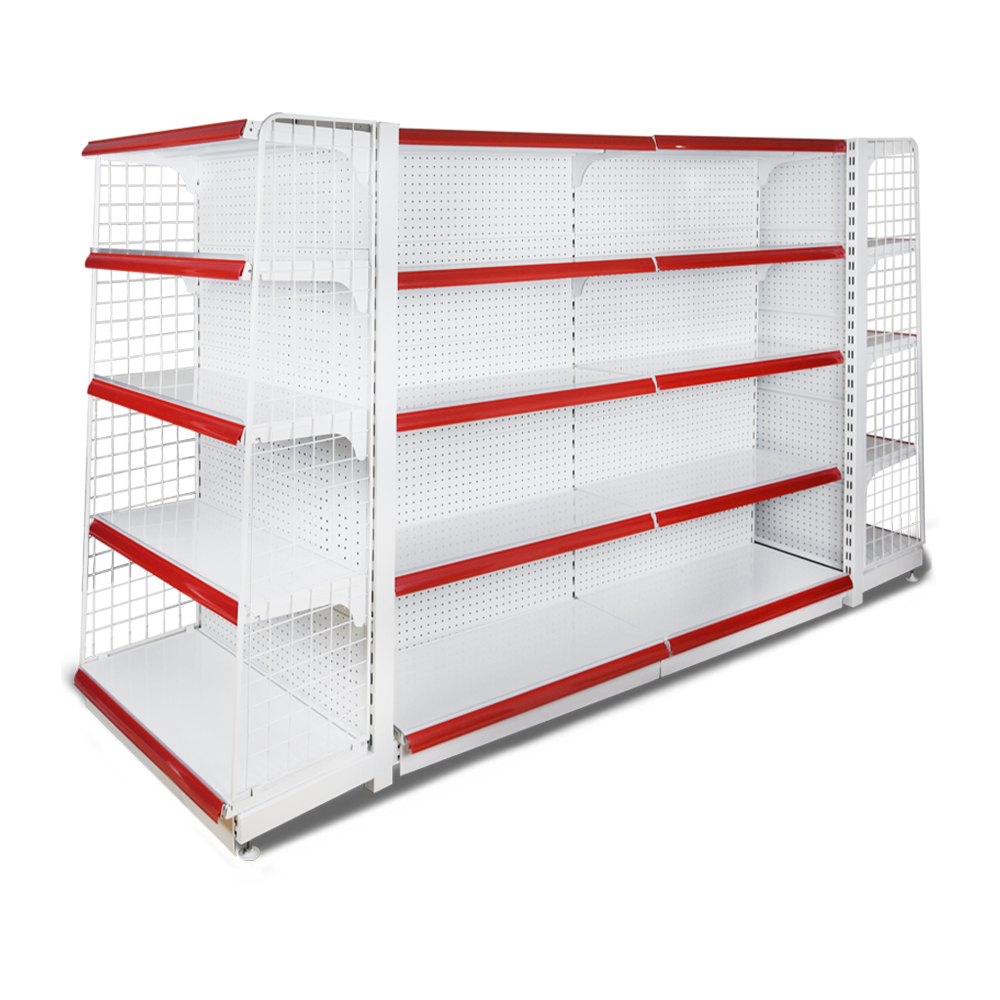
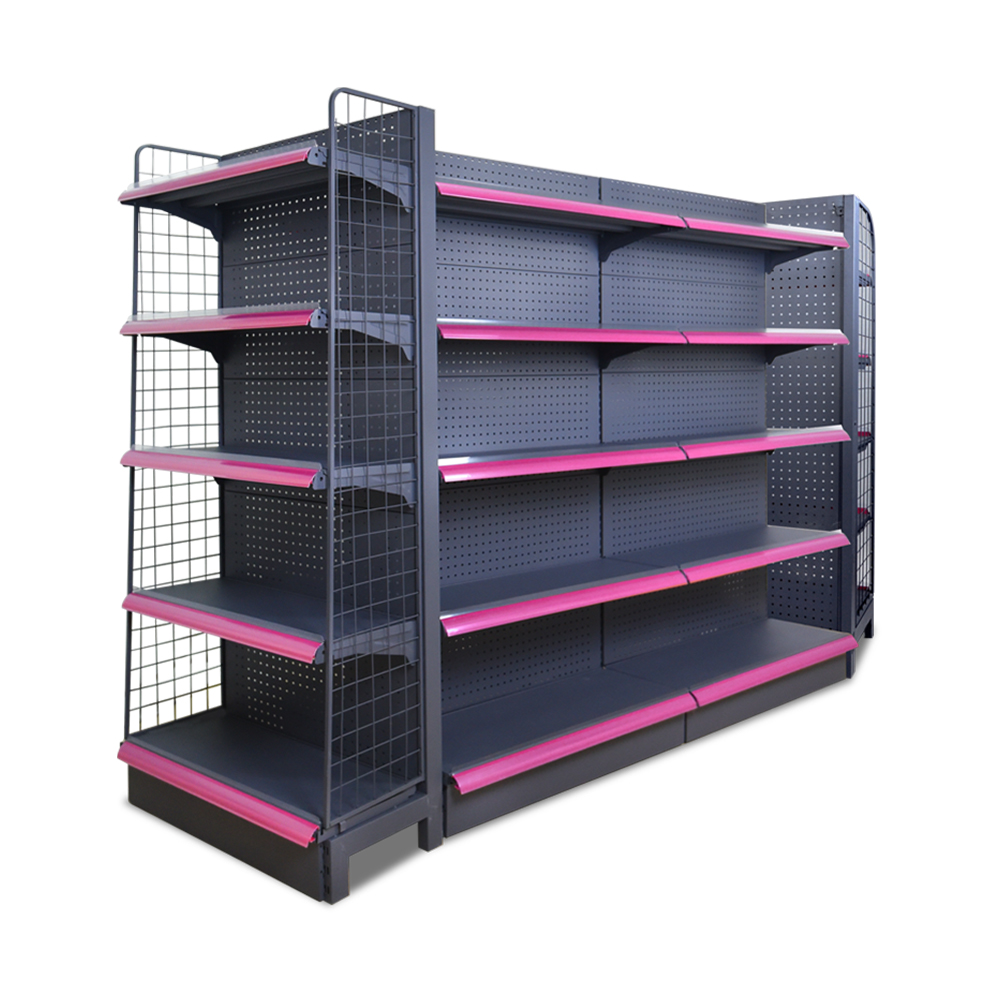
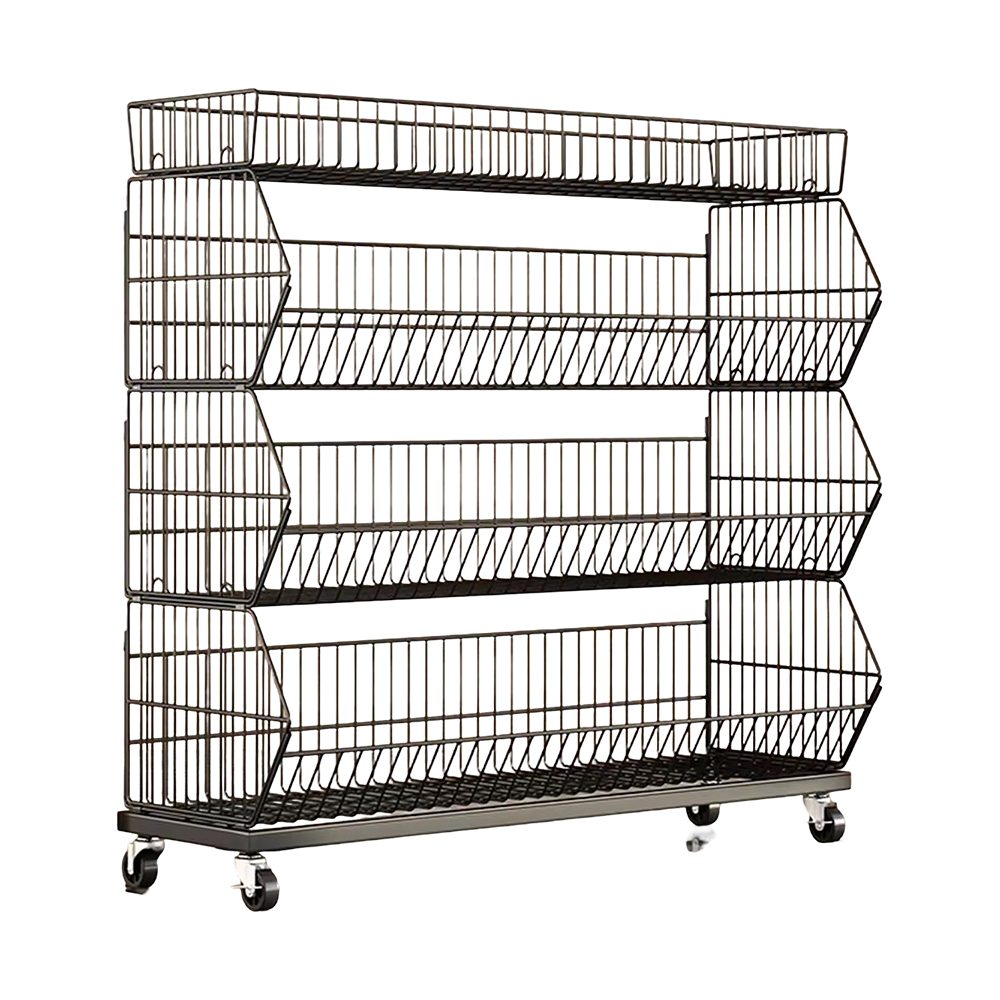
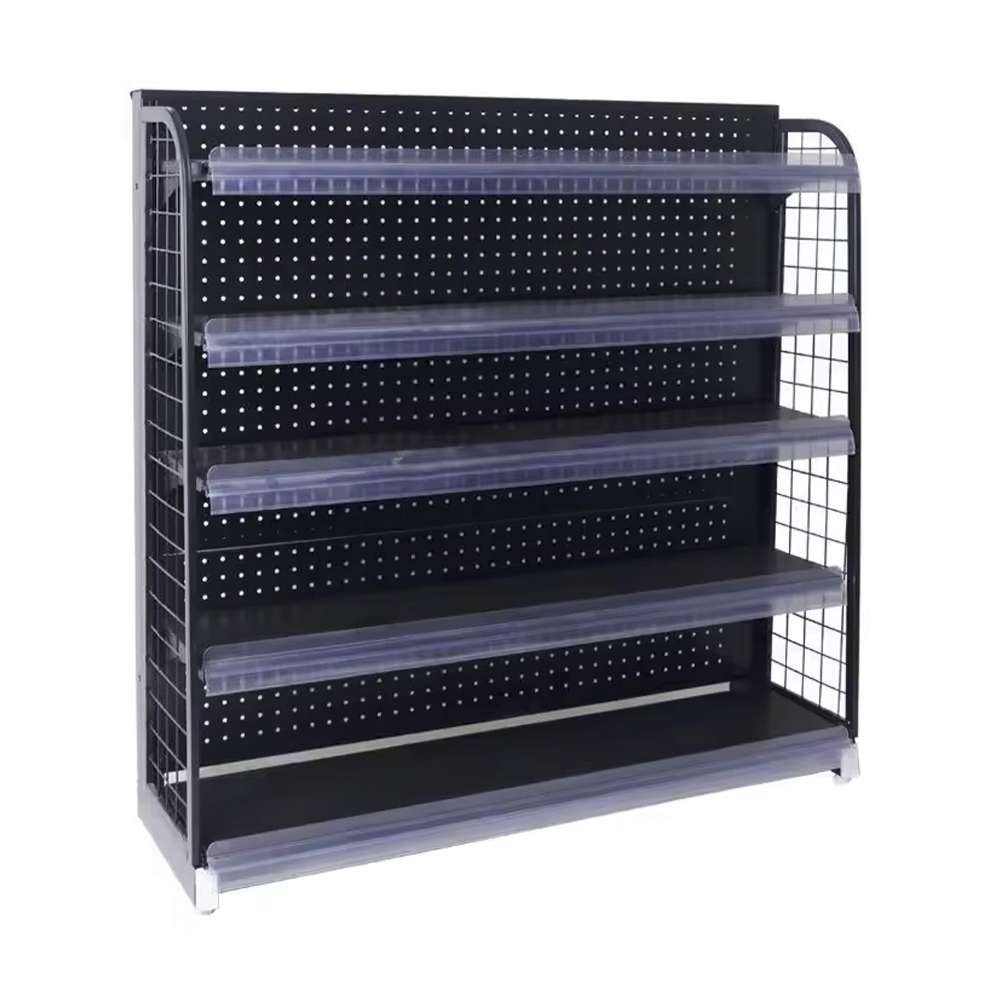
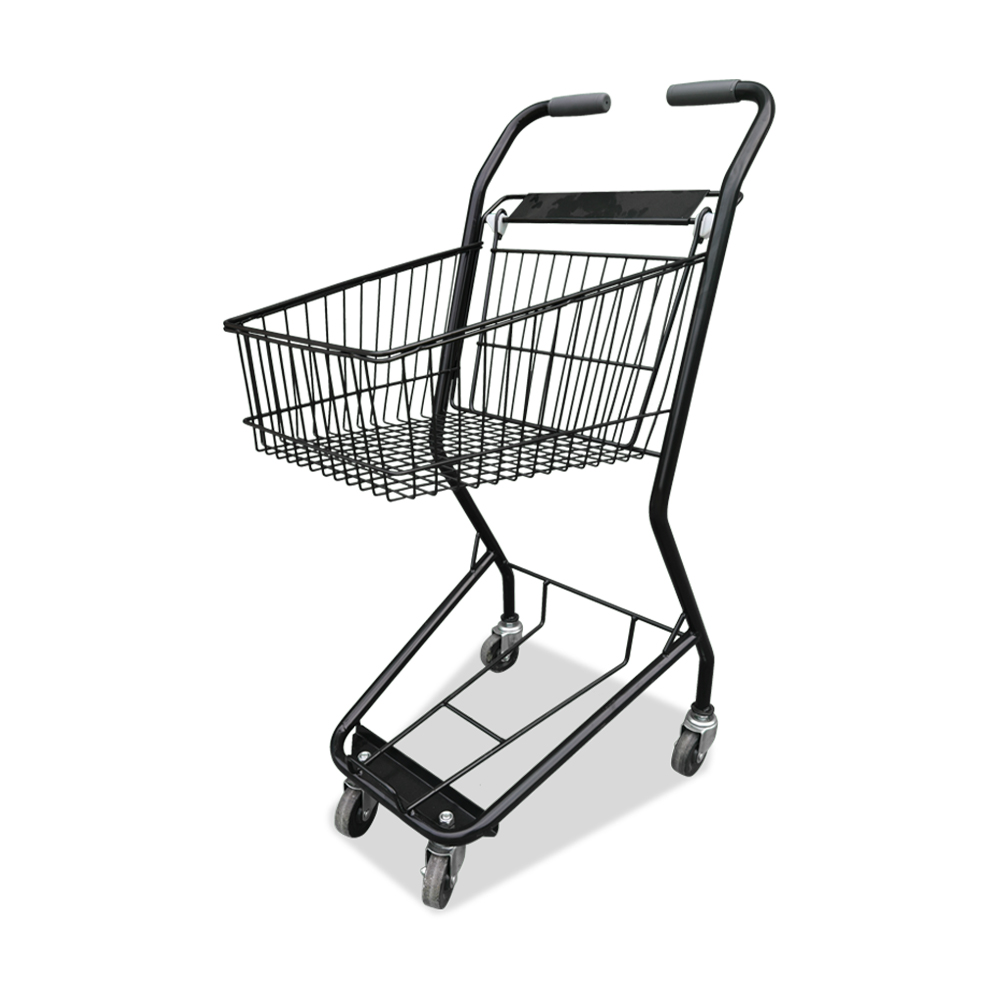
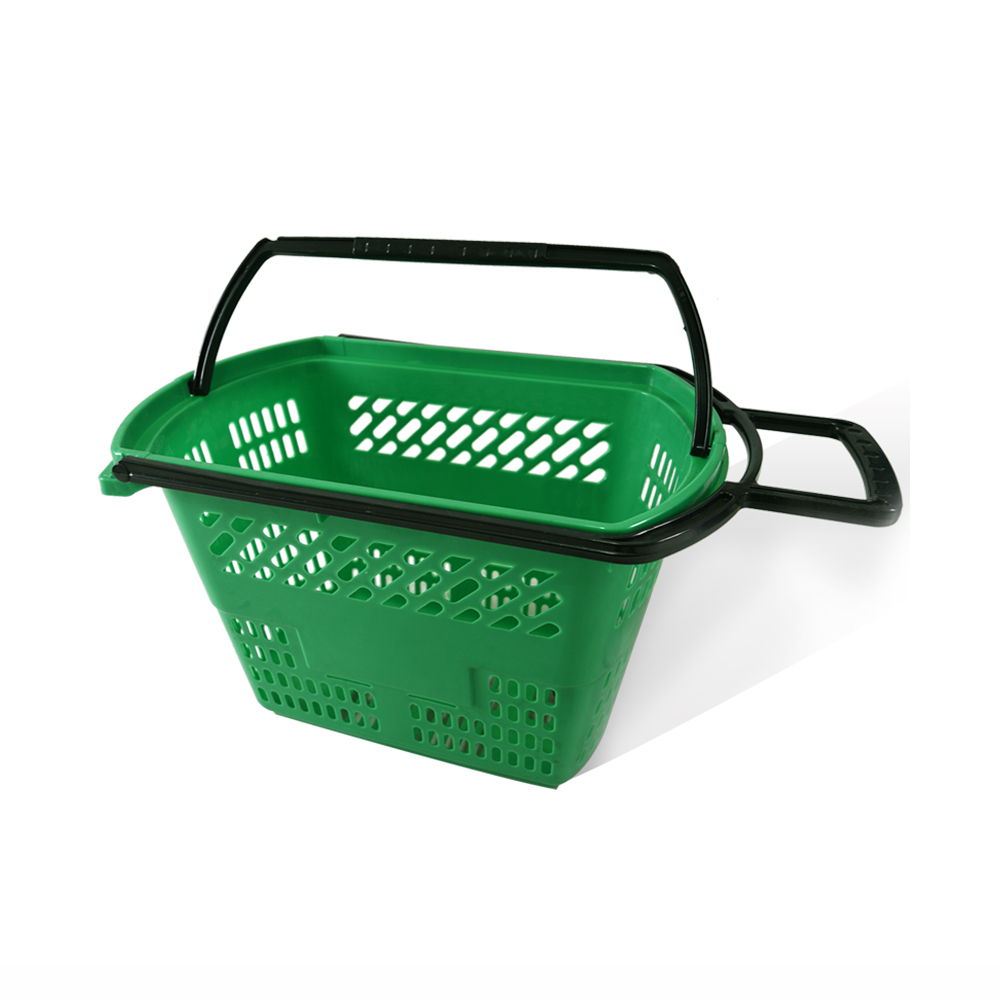
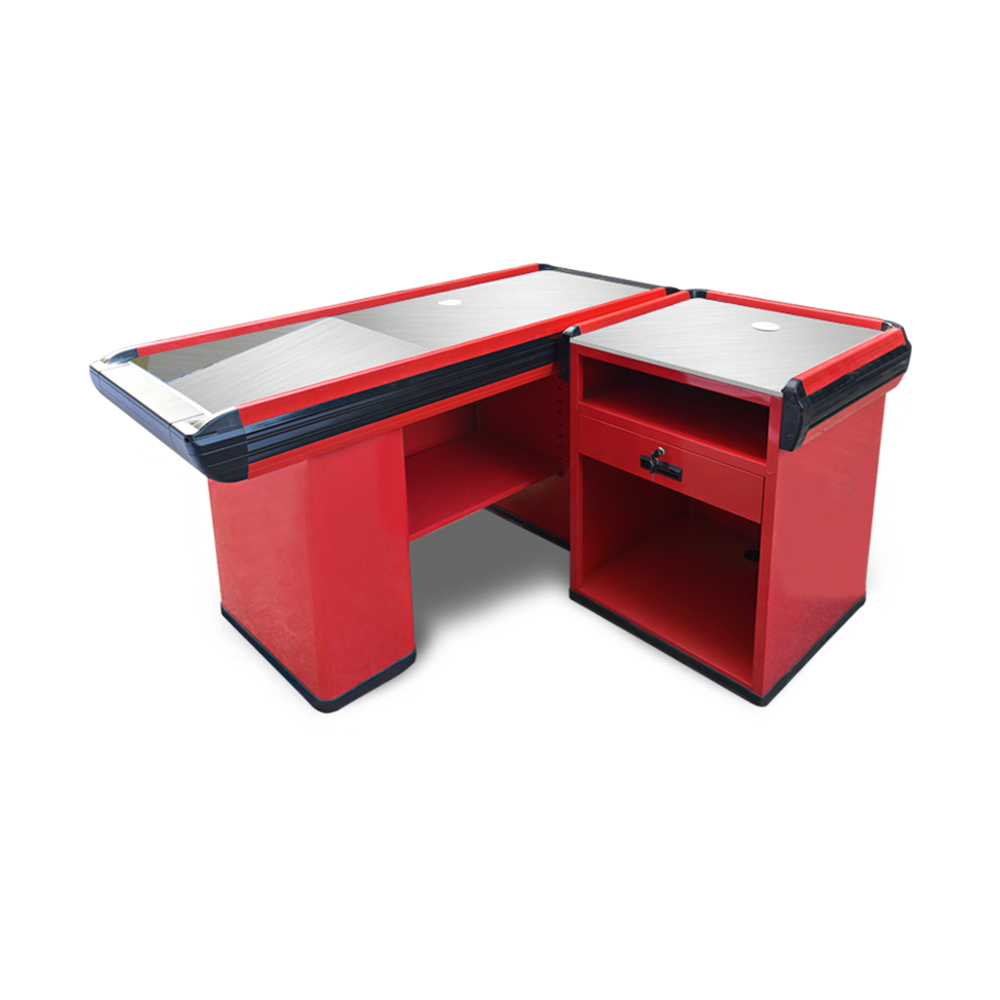
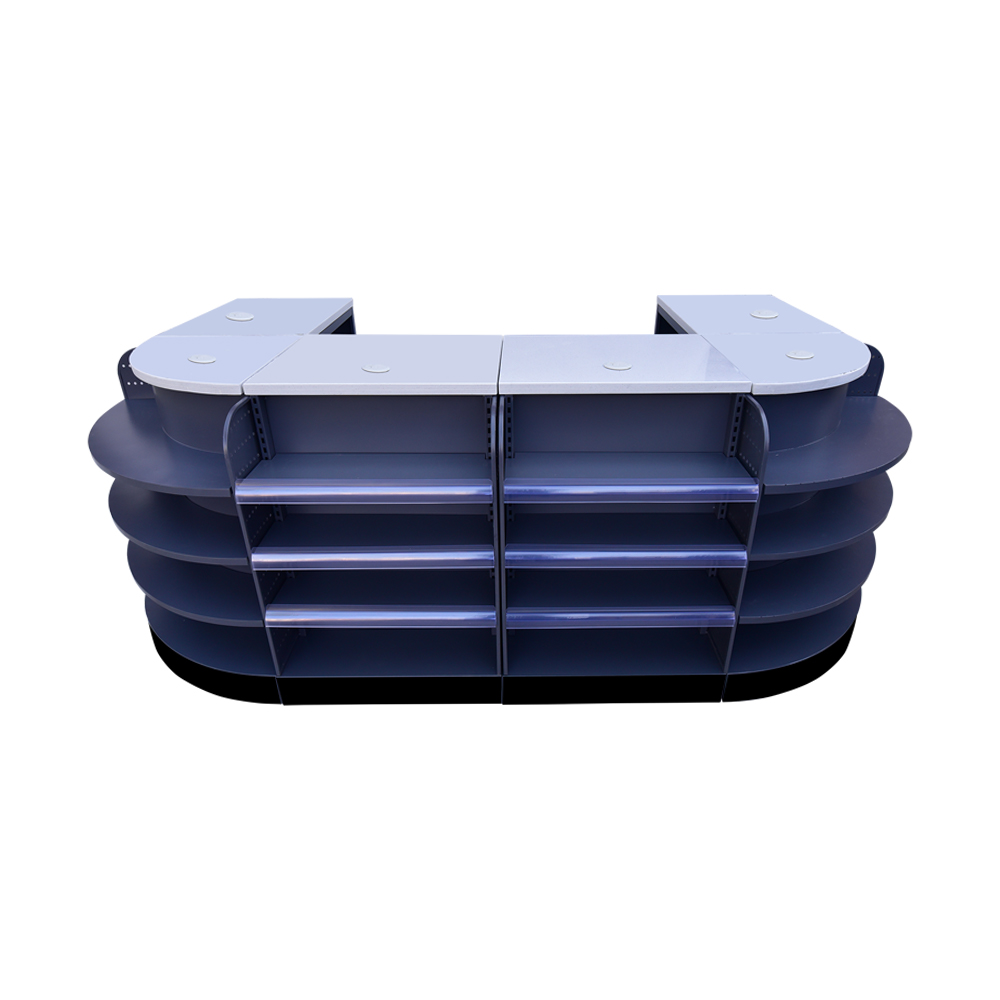
Supermarket shelves are professional display and storage equipment designed for retail scenarios such as supermarkets, convenience stores, grocery stores and shopping malls. They focus on product display, customer access experience and efficient replenishment, forming an important part of store operation and image.
Features & Advantages
·Attractive display design: Open structure and layered layout improve product visibility and stimulate purchasing desire.
·Adjustable layers: Shelf height can be freely adjusted to fit food, beverages, daily necessities, gifts and other goods of different sizes.
·Stable and durable: Made of high-quality steel, with strong load capacity and long service life.
·Easy to assemble & clean: Modular design for quick installation; smooth surface for daily cleaning and maintenance.
·Flexible layout: Can be combined freely to adapt to different store areas and channel planning.
Applications
Widely used in supermarkets, convenience stores, community grocery stores, fruit and vegetable stores, department stores, maternal and infant stores, pet stores and other retail places, for displaying and storing food, beverages, snacks, daily chemicals, stationery, toys, hardware accessories and other retail goods.
Production
Our supermarket shelves are produced with standardized steel forming, pickling processes, with stable quality and strong corrosion resistance. We support customized size, color, style and structure to meet the brand image and store design requirements of different customers.
What Sets Us Apart
Who We Are
Better Shelving, Better Business
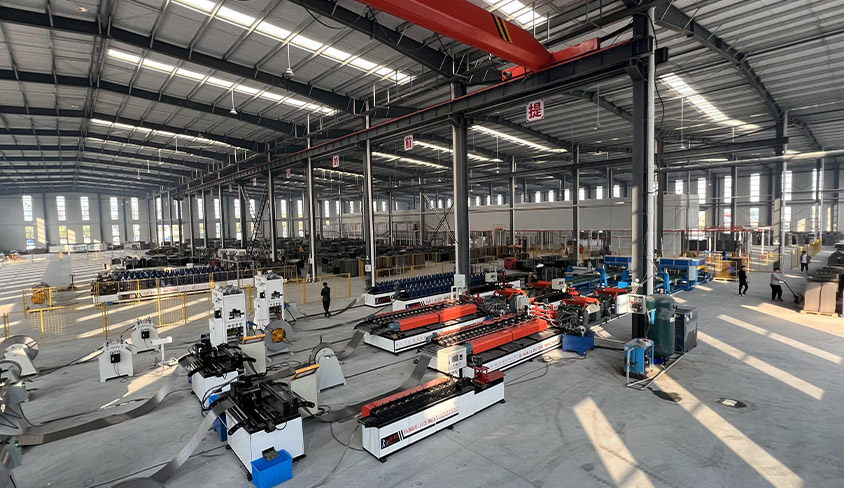
Shanghai King Global Shelf Co.,Ltd. is a leading manufacturer of shelving and storage solutions for
logistics and warehousing. Specializing in home racks, industry heavy-duty shelving, and warehouse
optimization systems. Founded in 2010, we have built strong production capability with a modern facility,
experienced team, and reliable quality control. We are China Supermarket Shelf Manufacturer and OEM/ODM Supermarket Shelf Factory, our products are designed to improve display, storage
efficiency, and space utilization for different markets. With stable quality, flexible solutions,
and responsive service, we support customers in both domestic and overseas markets.
About Us


Honor
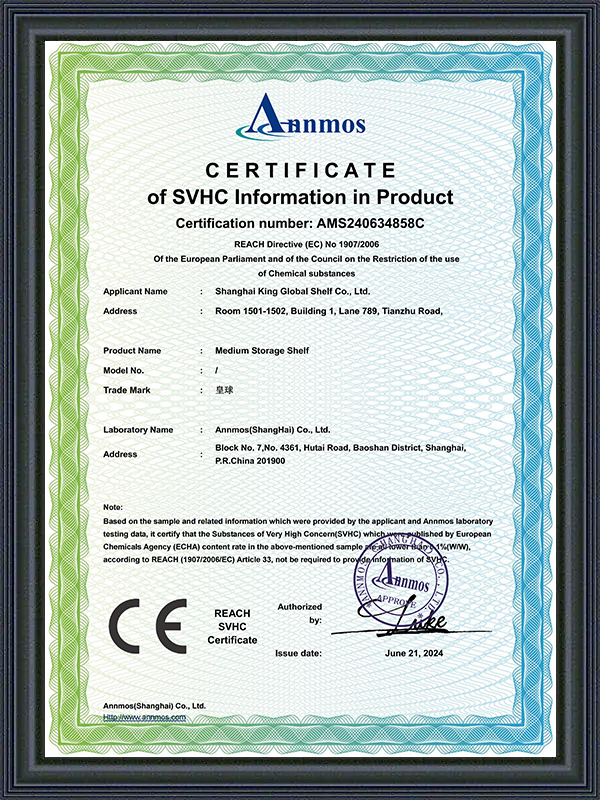
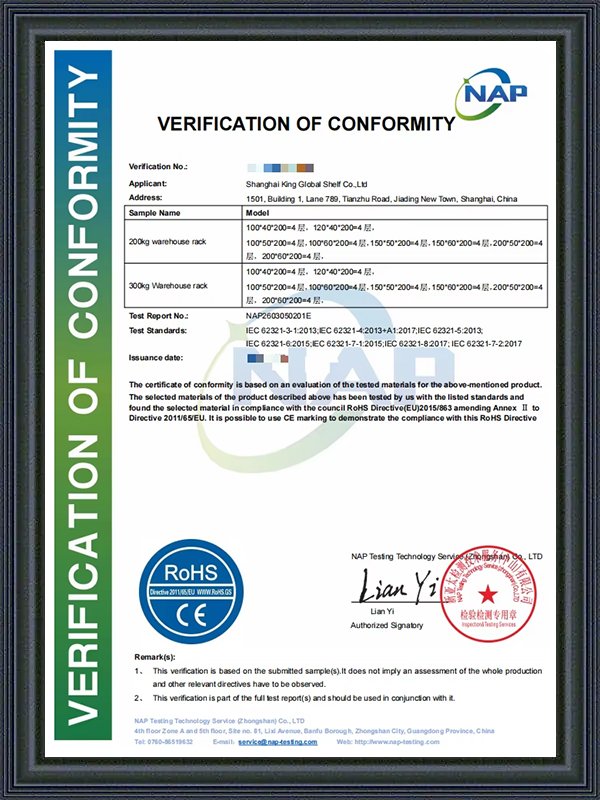
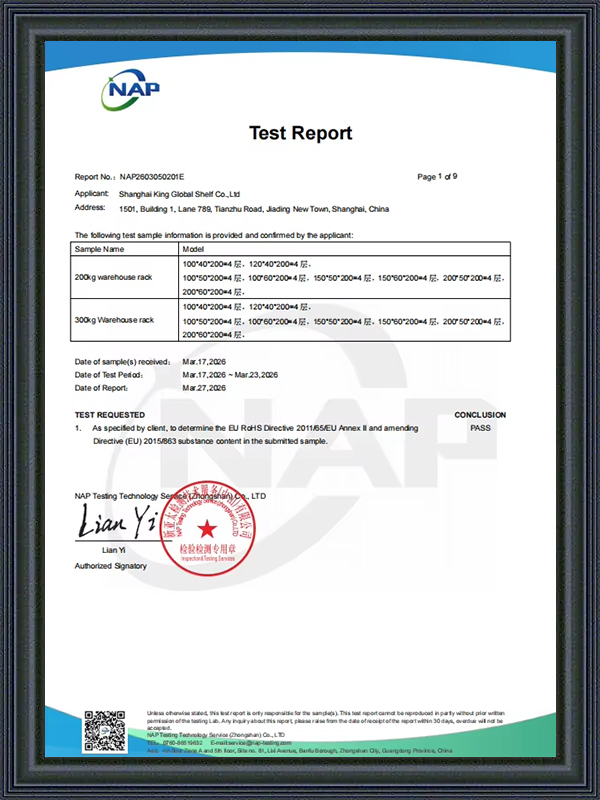
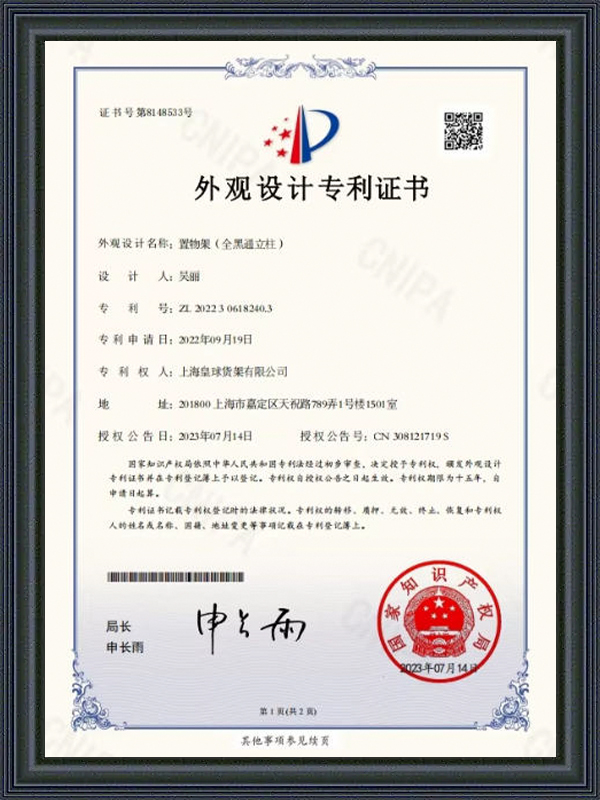
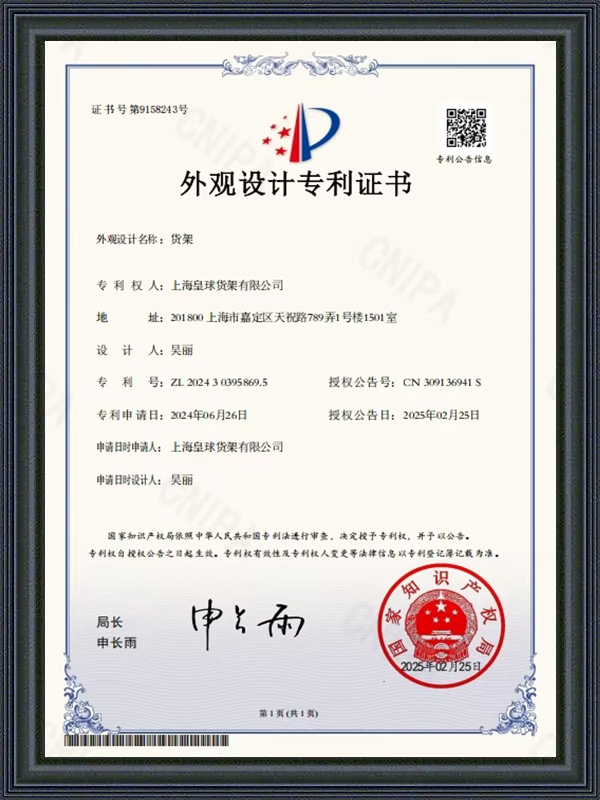
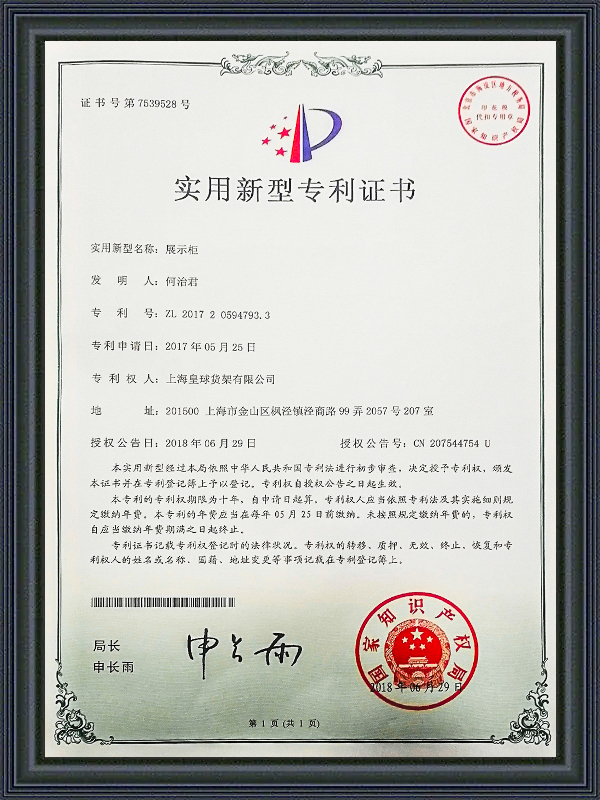
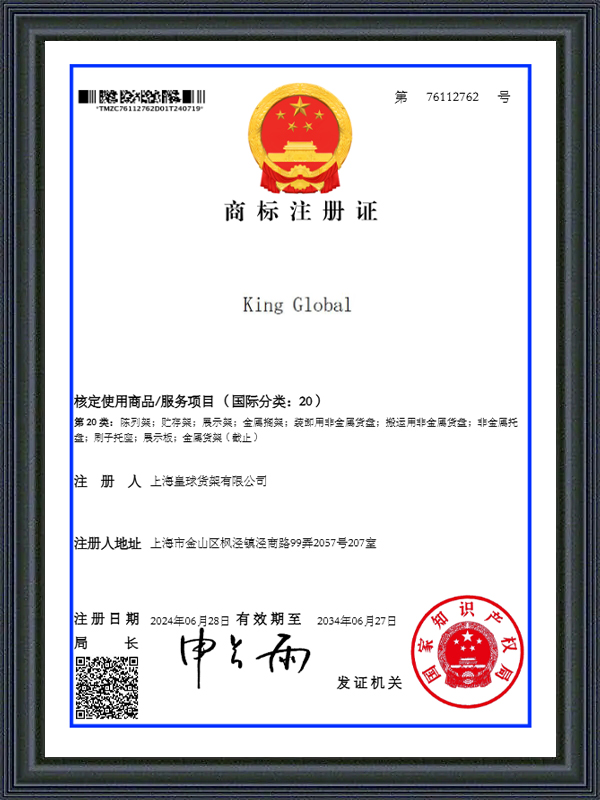
Certificate Of Honor

-

 2026-09-21
 Industry News
-
2026-09-15
Industry News
-
2026-09-08
Industry News
-
2026-09-01
Industry News
Feedback
Message Feedback
Knowledge
Supermarket Shelf Industry knowledge
1. Supermarket Shelf Overview
A supermarket shelf is a professional display and storage fixture designed for retail environments such as supermarkets, convenience stores, grocery stores, and shopping malls. Unlike industrial warehouse racking, a supermarket shelf is built around product visibility and customer access rather than pure load density, since it needs to present goods clearly while still holding enough stock to support daily replenishment. The open structure and layered layout common to this category allow shoppers to see and reach products easily, which supports smooth store traffic flow and efficient restocking by staff. Because retail floor space is limited and store layout directly affects customer movement, a supermarket shelf is generally designed to be adjustable and modular, allowing the same basic structure to be reconfigured as product categories or seasonal merchandising needs change.
Material choice also plays a central role in this category, since a supermarket shelf must combine sufficient load capacity for packaged goods with a finish that withstands frequent cleaning and daily handling. Product visibility, adjustable configuration, and durable construction together define the core value of a supermarket shelf within retail store operations. The sections below review common shelf types, key design features, comparative visuals covering usage patterns and load behavior, application scenarios, production characteristics, and maintenance guidance relevant to supermarkets, convenience stores, and specialty retail outlets.
2. Common Types of Supermarket Shelf Systems
Retail stores generally combine several shelf formats within the same layout, each suited to a different display purpose and store zone.
(1) Gondola Shelving
Gondola shelving is the standard double-sided aisle unit found throughout most supermarket layouts, offering adjustable shelf levels on both sides so that products can be presented to shoppers moving through parallel aisles. This is the most common supermarket shelf format for general grocery, packaged food, and daily necessity display.
(2) Wall-Mounted Shelving
Wall-mounted shelving runs along perimeter walls and is typically single-sided, making efficient use of space that would otherwise be underused along the edges of a store. This format is often used for taller product categories or to frame the overall shopping path around the store perimeter.
(3) End Cap Displays
End cap displays sit at the end of a gondola run, facing directly into the main store aisle where shopper traffic is highest. This position is commonly used for promotional or seasonal merchandising, since its high visibility draws attention from passing customers more effectively than a standard mid-aisle position.
(4) Wire and Basket Shelving
Wire and basket shelving uses an open mesh or basket format rather than solid panels, which suits loose or irregularly shaped items such as produce, bread, or bagged goods. The open design allows better airflow and visibility into the product itself compared to a flat solid shelf.
3. Design Features and Advantages
Several design characteristics recur across most supermarket shelf products, regardless of the specific format chosen for a given store zone.
- Open structure and layered layout improve product visibility and support a clear, organized shopping experience.
- Adjustable shelf levels allow height to be freely changed to fit food, beverages, daily necessities, gifts, and other goods of varying sizes.
- Steel construction provides stable, durable support with reliable load capacity and long service life under daily retail use.
- Modular design allows quick assembly, while smooth surface finishes support routine cleaning and maintenance.
- Flexible layout options allow units to be combined freely to adapt to different store areas and customer channel planning.
Together, these features allow a supermarket shelf system to serve multiple retail formats, from large supermarket floors to smaller convenience store footprints, without requiring a different structural product for each store size.
4. Retail Channel Usage Distribution
Supermarket shelf systems appear across a wide range of retail channels, though the balance of shelf formats used tends to vary by store type and product focus. Before viewing the chart below, it helps to understand that larger format supermarkets generally use a higher proportion of gondola shelving to cover extensive grocery and packaged goods sections, while smaller specialty stores often rely more heavily on wall-mounted and wire shelving suited to their more limited floor area. Convenience stores tend to prioritize compact, easily reconfigurable layouts given their smaller footprint and faster inventory turnover. Department and community grocery stores often sit between these extremes, combining several shelf formats depending on the specific department within the store. The stacked horizontal bar chart below presents a general illustrative breakdown of shelf format usage across four common retail channel types, based on typical layout patterns rather than a specific measured survey.
This stacked horizontal bar chart shows gondola shelving forming the largest single segment across all four retail channels, which reflects its role as the general-purpose backbone of most store layouts regardless of format or size. Supermarkets show a particularly large gondola segment because their extensive grocery and packaged goods sections rely heavily on long, adjustable double-sided aisle runs. Convenience stores show a comparatively larger end cap segment relative to their overall size, since these smaller footprints depend more on high-visibility promotional positions to compensate for limited overall shelf run length. Grocery stores and department stores show a more balanced mix across all four formats, which reflects their combination of general merchandise sections alongside more specialized display needs such as produce or seasonal goods. Wire and basket shelving remains the smallest segment across every channel shown, consistent with its more specific role for loose or irregularly shaped items rather than general packaged goods display. Gondola shelving consistently represents the largest share of installed supermarket shelf systems across the retail channels compared here, though the exact proportion always depends on the specific store format and merchandising strategy in place. Retailers planning a new layout typically start with gondola runs to establish the main traffic pattern, then layer in wall-mounted, end cap, and wire shelving to address specific product categories and promotional needs within that base structure.
5. Display Visibility Compared to Storage Depth
Choosing between shelf formats often comes down to a trade-off between how visible products are to passing shoppers and how much stock depth a given position can hold for replenishment purposes. Before viewing the chart below, it is useful to understand that these two qualities do not always move together, since a highly visible position such as an end cap is often shallow by design, while a general gondola run can hold more depth of stock but does not command the same shopper attention as a promotional end position. Wall-mounted shelving tends to offer a middle ground, since its single-sided perimeter placement is moderately visible while still allowing reasonable stock depth. Wire and basket shelving typically favors visibility and airflow over stock depth, given its role in displaying loose or irregular items rather than dense packaged cartons. The scatter chart below plots each shelf format against these two general dimensions using an illustrative positioning scale rather than measured retail data.
This scatter chart places gondola shelving toward the higher end of the storage depth axis while sitting lower on the visibility axis, which reflects its role as the main volume carrier of a store layout rather than a promotional focal point. End cap displays sit in the opposite position, high on visibility but comparatively lower on storage depth, consistent with their function as short-term promotional or seasonal positions rather than general stock holding areas. Wall-mounted shelving lands in a middle position on both axes, offering a reasonable combination of moderate visibility along store perimeters and workable stock depth for taller or bulkier product categories. Wire and basket shelving sits toward the lower end of the depth axis but still holds a meaningful visibility position, since its open format draws attention to the product itself even though it typically holds less packed inventory than a solid gondola shelf. No single shelf format maximizes both visibility and storage depth at the same time, which is why most stores combine multiple formats rather than relying on just one throughout the entire floor. Retailers merchandising fast-moving promotional items generally prioritize end cap and gondola end positions, while categories needing steady replenishment volume are better served by standard gondola runs deeper in the aisle. This scatter view is intended as a general planning reference for balancing visibility and depth needs, rather than a precise measurement of any specific store layout.
6. Load Capacity Comparison Across Shelf Formats
Load capacity is another differentiating factor between supermarket shelf formats, since heavier packaged goods such as canned food or beverages place more demand on shelf beams than lighter items such as snacks or stationery. The column chart below presents an indexed comparison of typical load capacity across the four shelf formats discussed earlier in this article, using illustrative index values rather than specific manufacturer ratings. Gondola shelving generally carries the highest index due to its solid panel construction and heavier-gauge steel framing suited to dense grocery loads. Wall-mounted shelving follows closely behind, since it shares similar steel construction but is generally sized for somewhat lighter overall runs. End cap and wire shelving sit lower on the index, which is expected given their design priorities around visibility and airflow rather than maximum load per level.
The declining column heights from gondola through wire and basket shelving in this chart confirm the general relationship between structural panel design and load capacity discussed above. Gondola shelving reaches the top of the index because its solid steel panels and heavier upright framing are built to support a wide range of packaged goods across a long double-sided run without excessive deflection. Wall-mounted shelving sits close behind, reflecting its similar solid-panel construction, though typically scaled to a single-sided run rather than the double-sided load of a gondola unit. End cap displays drop further down the index, which aligns with their shorter, promotionally focused structure that is not intended to carry the same sustained load as a full aisle run. Wire and basket shelving sits lowest on the index, consistent with its open mesh format suited to lighter, loose, or irregularly shaped goods rather than dense packaged cartons. Matching product weight to the appropriate shelf format helps maintain both structural performance and safe daily operation in a retail environment. Store planners should always confirm the specific load rating provided for a given supermarket shelf product before assigning heavier product categories to a particular position, since actual capacity depends on beam gauge, upright spacing, and the specific configuration installed.
7. Application Scenarios
Supermarket shelf systems are widely used across supermarkets, convenience stores, community grocery stores, fruit and vegetable stores, department stores, maternal and infant stores, pet stores, and other retail places. Within these environments, shelving is used to display and store food, beverages, snacks, daily chemicals, stationery, toys, hardware accessories, and other retail goods. The adjustable, modular nature of this category allows the same underlying shelf structure to be reconfigured as a store shifts its product mix between seasons or as new categories are introduced to the floor.
8. Production Characteristics and Selection Points
Supermarket shelf products are commonly produced using standardized steel forming and pickling processes, which help maintain stable quality and strong corrosion resistance across production batches. The table below outlines general selection points to consider when specifying a supermarket shelf system for a particular store environment.
| Selection Point | Consideration |
|---|---|
| Product weight and size | Determines shelf format and load-bearing requirement |
| Store aisle width | Affects gondola run length and customer flow |
| Category merchandising goals | Influences use of end cap or promotional positions |
| Cleaning and hygiene needs | Relevant for food, produce, and daily chemical sections |
| Brand and store design requirements | Guides customized size, color, and structure choices |
Shanghai King Global Shelf Co., Ltd. supports customized size, color, style, and structure for supermarket shelf orders, helping stores align shelving with their brand image and specific layout requirements. This customization approach allows the same core product category to serve very different retail formats, from compact convenience stores to larger supermarket floors, without requiring a completely separate product design for each store type.
9. Maintenance and Cleaning Guidance
Routine maintenance for a supermarket shelf mainly involves checking shelf level locks, upright connections, and base stability, since frequent restocking and customer contact can gradually loosen fittings over time. Smooth painted or coated surfaces should be cleaned regularly using standard non-abrasive methods to maintain a presentable appearance, which is particularly important in food and beverage sections where hygiene expectations are higher. Wire and basket shelving in produce or bakery areas may need more frequent cleaning attention given direct contact with loose goods and higher foot traffic in these zones.
Staff should also periodically check that shelf levels remain evenly loaded, since concentrated weight at one end of a run can place uneven stress on the supporting uprights over time. Consistent inspection and balanced loading help maintain both appearance and structural performance throughout the service life of a supermarket shelf system. Shanghai King Global Shelf Co., Ltd. applies standardized steel forming and pickling processes across its shelving production, supporting stable quality and corrosion resistance that helps retail operators maintain a reliable, well-organized store environment over time.
10. Frequently Asked Questions
(1) What is the difference between gondola shelving and wall-mounted shelving
Gondola shelving is a double-sided aisle unit used within the store floor, while wall-mounted shelving is single-sided and runs along perimeter walls, making use of edge space around the store.
(2) Why are end cap displays used for promotions
End cap displays face directly into the main aisle where shopper traffic is highest, giving promotional or seasonal products more visibility than a standard mid-aisle position.
(3) Can supermarket shelf height be adjusted after installation
Yes, most supermarket shelf systems use adjustable shelf levels so height can be changed to fit different product sizes as store merchandising needs change.
(4) What shelf format suits loose items like produce or bread
Wire and basket shelving is generally preferred for loose or irregularly shaped items since its open format allows better airflow and visibility into the product itself.
(5) How is a supermarket shelf typically maintained
Maintenance generally involves checking shelf locks and upright connections, cleaning surfaces regularly, and confirming that product weight remains evenly distributed across each shelf level.
Get exclusive deals and early access to new products.
Experienced staff and experts are always available to provide you with professional guidance and solutions to technical problems.
Mobile
-
Quick Links
Home Products Cooperation Cases Company Service News Contact Us -
Product
Warehouse Rack Pallet Racking Mezzanine Racking Cantilever Racks Supermarket Shelf Office & Home Shelves -
Contact Us

E-mail: liwu78465@gmail.com

WhatsApp: 8613761540945

China Tel: +86-13761540945
Thailand Tel: +66 99 109 1956 (Line Same)
Thailand Tel: +66 92 242 5845 (Line Same)

China Address:Room 1501, Building 1, Lane 789, Tianzhu Road, Jiading District, Shanghai, China.
USA Address: 23787 Eichler St, Unit G, Hayward, CA 94545.
Malaysia Address: METROHUB 2 Warehouse 4, Lot 109363, Persiaran Bukit Rajakayangan/KU5,Bandar Bukit Raja, 41050 Klang, Selangor Darul EhsanReturn to Gate 81, Malaysia.
Thailand Address:จังหวัดสมุทรปราการ อำเภอบางเสาธง ตำบลบางเสาธง 32/7 หมู่7 ถนนบางพลี-ตำหรุ บางพลีใหญ่ Bang Phli District, Samut Prakan 10540,(TH)
Copyright ©
Shanghai King Global Shelf Co.,Ltd.
All Rights Reserved.
Supermarket Shelf Manufacturer
OEM/ODM Supermarket Shelf Factory
