


 English
  Español
  русский
  Français
  한국어
한국어  عربى
عربى  ไทย
ไทย  Deutsch
  Bahasa Melayu
  Português
  Polskie
China Tel: +86-13761540945
Thailand Tel: +66 99 109 1956
Thailand Tel: +66 92 242 5845
liwu78465@gmail.com



Cantilever Racks Manufacturer
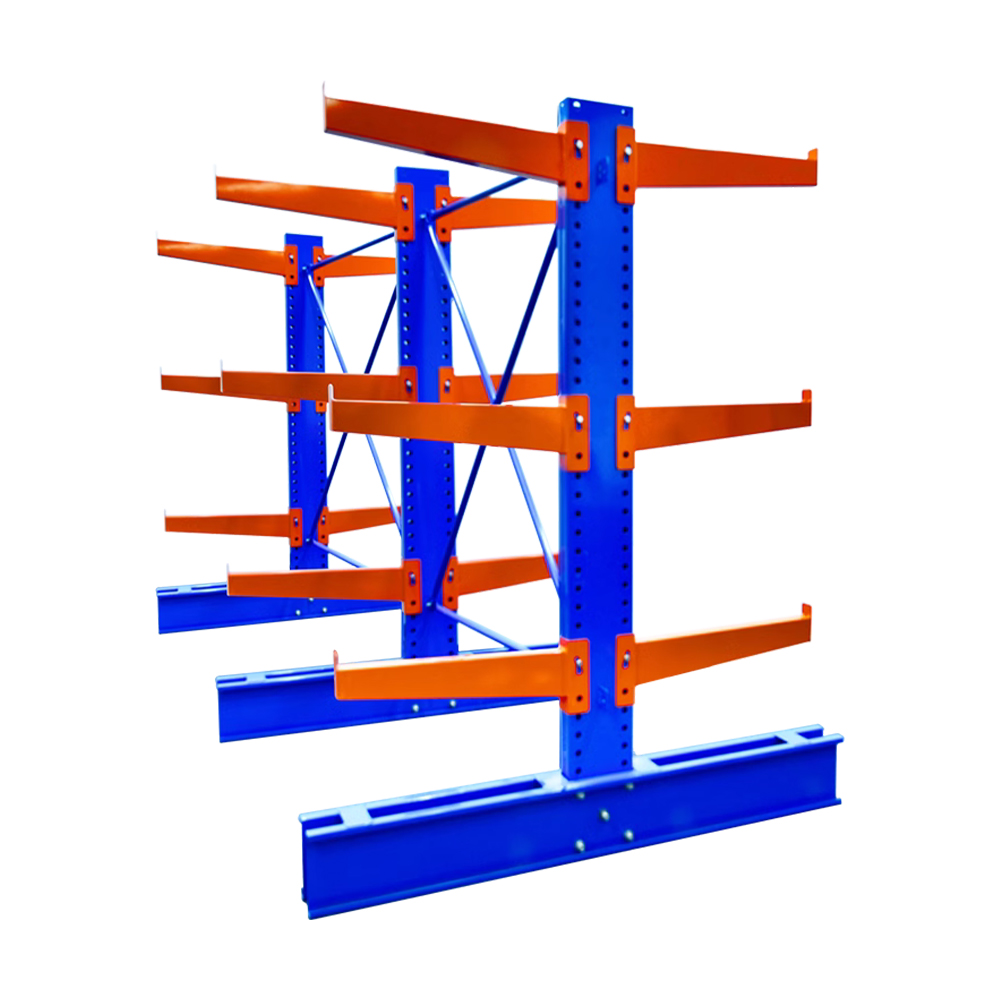
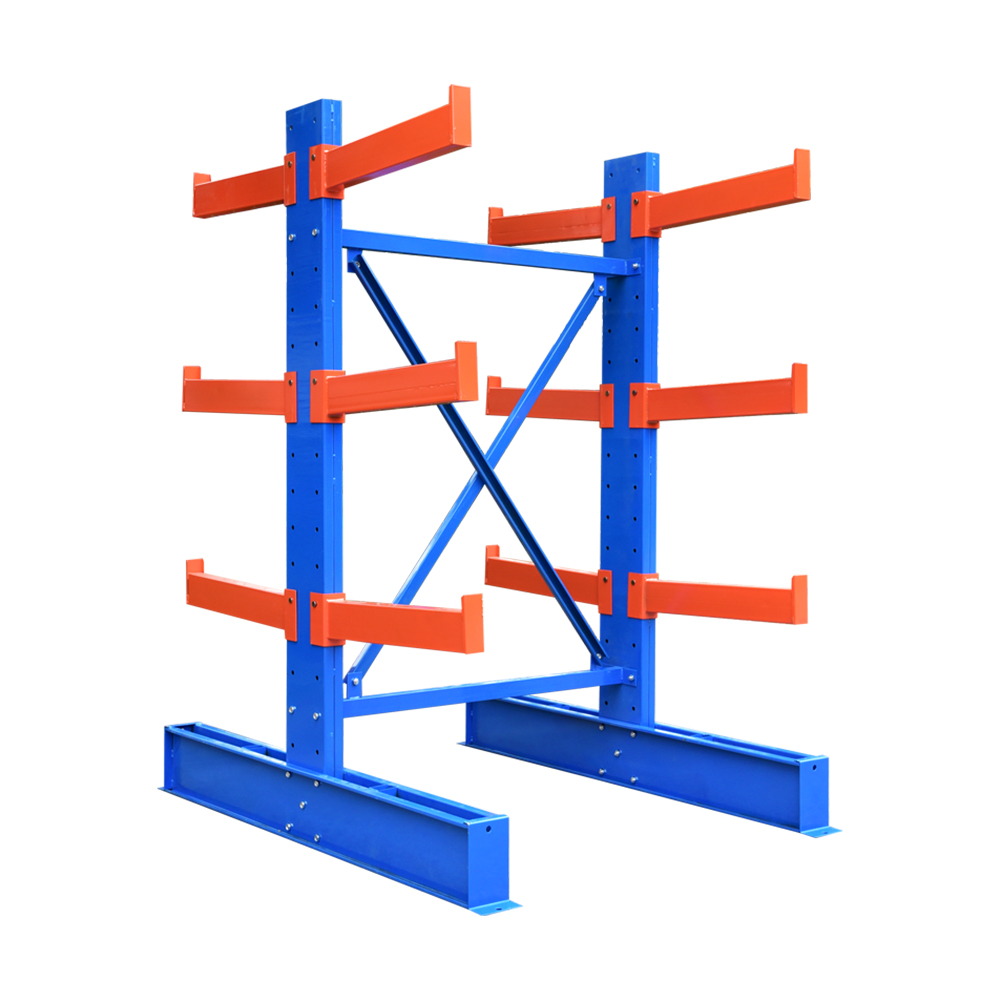
Cantilever racks feature horizontal arms extending from vertical columns, specially designed for long, irregular, or oversized items.
Application Scenarios
·Storage of pipes, profiles, lumber, steel bars, and planks
·Furniture factories, hardware factories, and building material yards
·Warehouses for long-shaped parts and irregular materials
·Plastic, aluminum, and metal processing industries
Cantilever racking is a specialized storage system designed for long, bulky, such as pipes, lumber, profiles, steel bars, and rolled materials. It features upright columns with horizontal arms extending outward, allowing unobstructed front access for loading and unloading.
Key Features & Advantages
·Easy & Safe Access: Open-front design allows direct handling with forklifts or cranes, making loading/unloading fast and efficient.
·High Structural Strength: Built with robust steel columns and arms to support heavy loads safely.
·Optional Shelves: Additional shelves can be installed to store small or low-height items on the same rack, improving space versatility.
Common Applications
·Building Materials & Lumber: Storing wood planks, pipes, steel tubes, and construction profiles.
·Metalworking & Manufacturing: Holding steel bars, aluminum profiles, and long raw materials.
·Logistics & Distribution Centers: Managing long cargo such as furniture parts, curtain rails, and rolled textiles.
·Warehouses with Mixed Inventory: Suitable for facilities that handle both long goods and smaller items by using optional shelves.
What Sets Us Apart
Who We Are
Better Shelving, Better Business
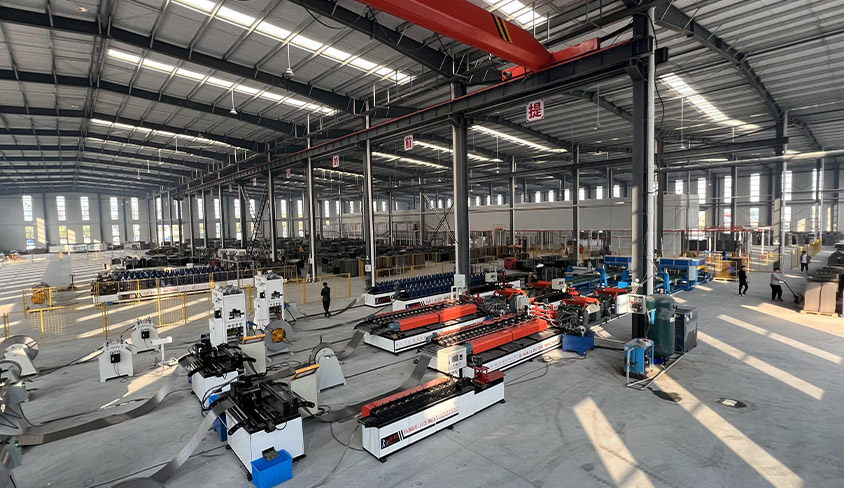
Shanghai King Global Shelf Co.,Ltd. is a leading manufacturer of shelving and storage solutions for
logistics and warehousing. Specializing in home racks, industry heavy-duty shelving, and warehouse
optimization systems. Founded in 2010, we have built strong production capability with a modern facility,
experienced team, and reliable quality control. We are China Cantilever Racks Manufacturer and OEM/ODM Cantilever Racks Factory, our products are designed to improve display, storage
efficiency, and space utilization for different markets. With stable quality, flexible solutions,
and responsive service, we support customers in both domestic and overseas markets.
About Us


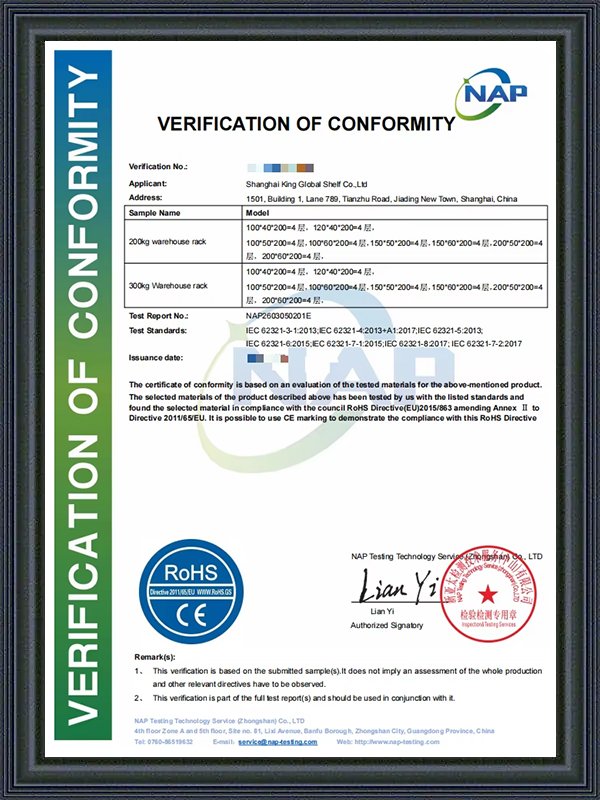
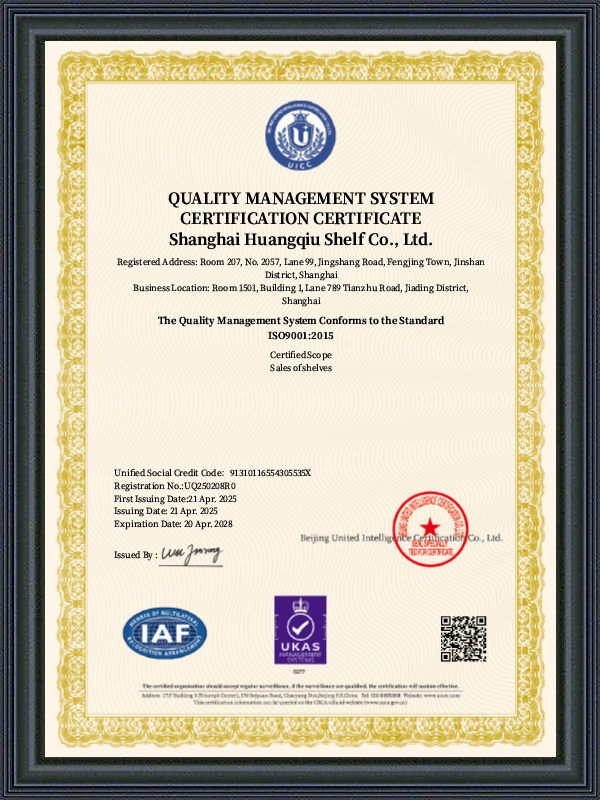
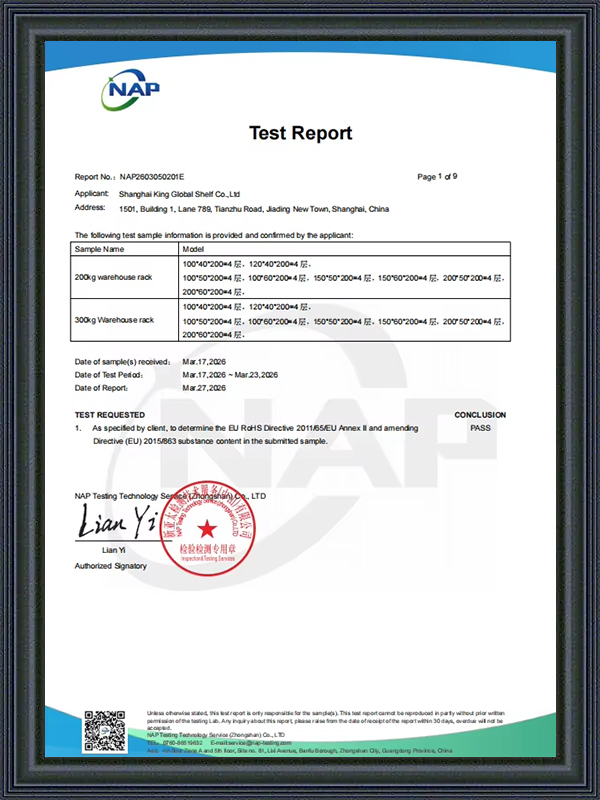
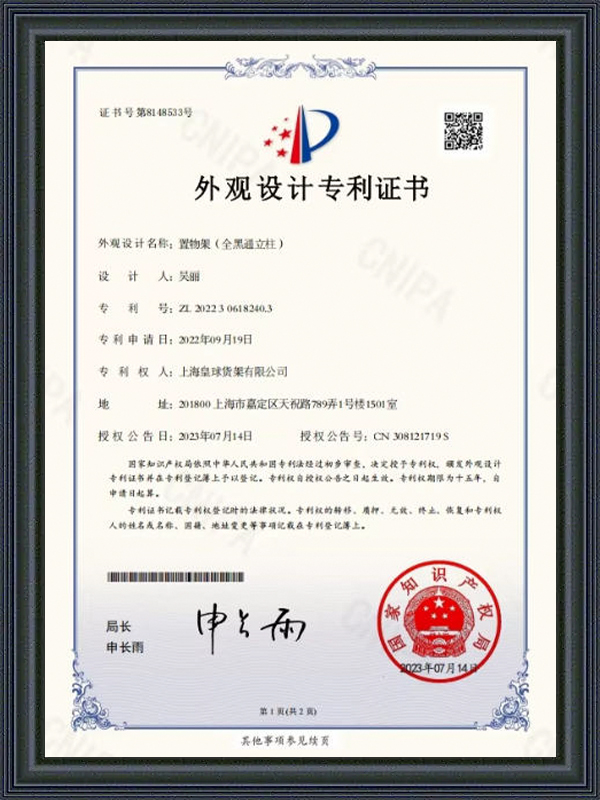
Honor
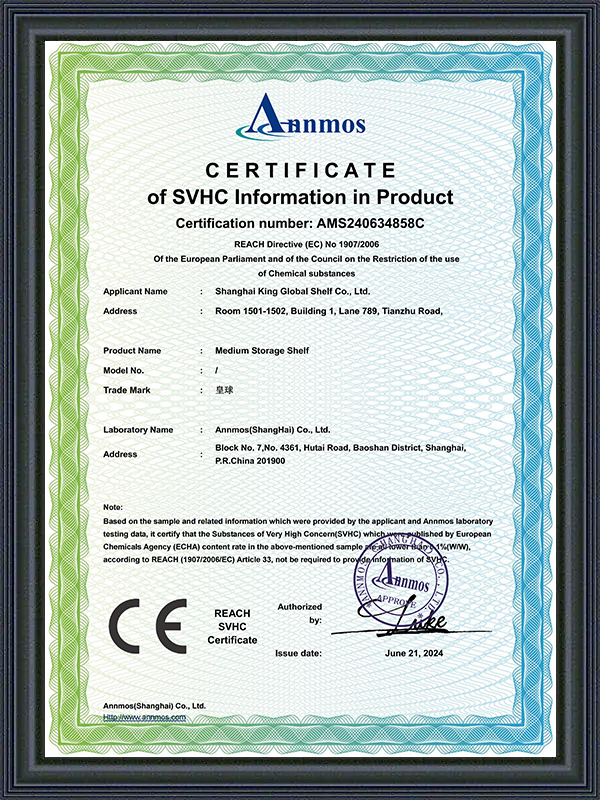
Certificate Of Honor
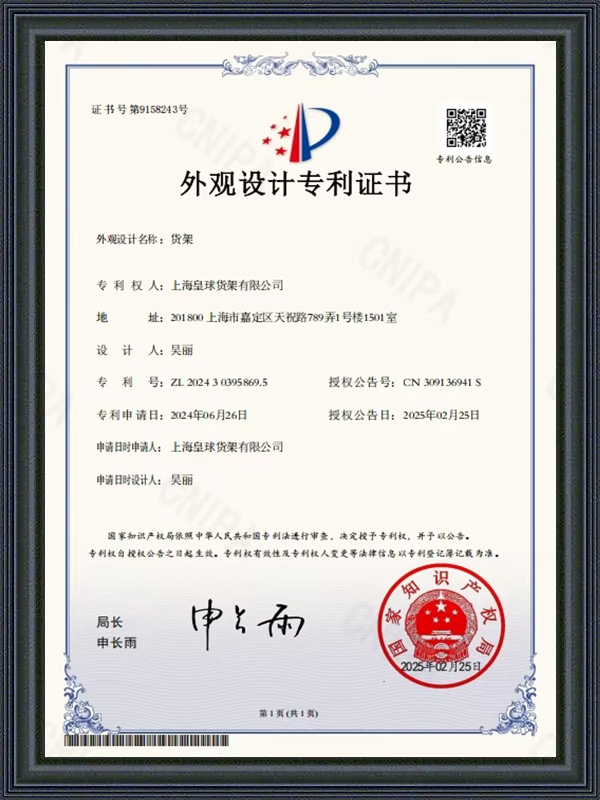
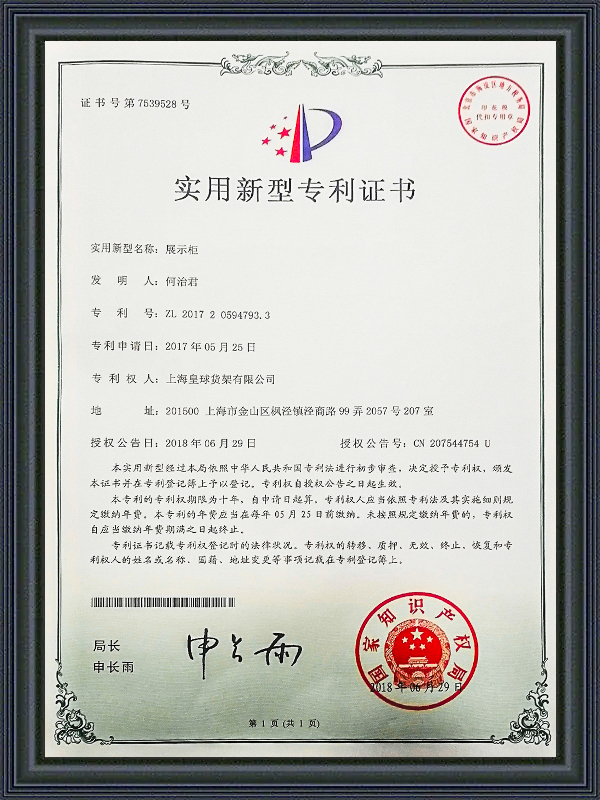
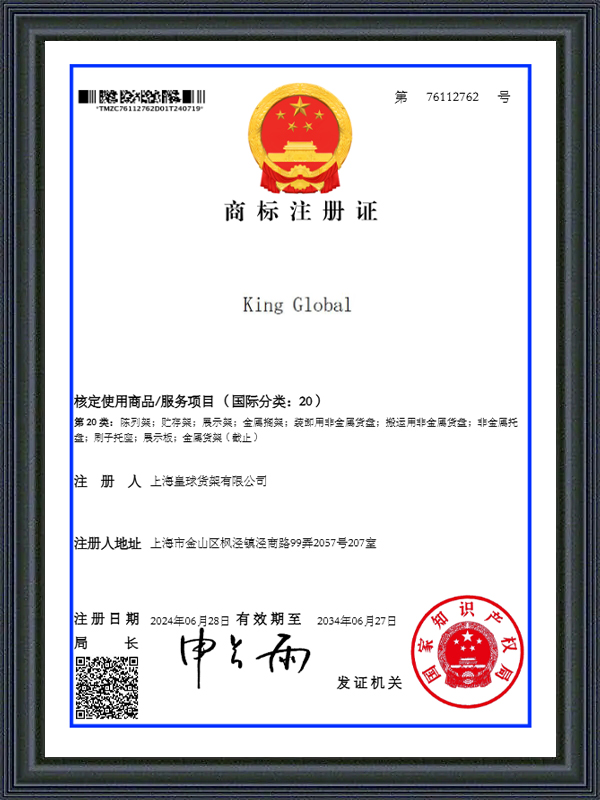
-

 2026-09-21
 Industry News
-
2026-09-15
Industry News
-
2026-09-08
Industry News
-
2026-09-01
Industry News
Feedback
Message Feedback
Knowledge
Cantilever Racks Industry knowledge
1. Understanding Cantilever Racks in Industrial Storage Systems
Cantilever racks are a storage system built from vertical steel columns fitted with horizontal arms that extend outward, creating open shelf levels without front uprights blocking access. This configuration makes cantilever racks especially suited for long, bulky, or irregularly shaped materials that do not fit conveniently onto conventional shelving or pallet racking. Items such as pipes, timber planks, steel bars, aluminum profiles, and rolled goods are commonly placed directly across the arms, where their own length provides stability across multiple support points. Because there are no front columns, cantilever racks allow forklifts, cranes, or manual handling equipment to approach from the open side and load or unload material along its full length. This access pattern reduces handling time compared with racks that require goods to be lifted vertically into narrow bays.
Cantilever racks are widely found in furniture factories, hardware production facilities, building material yards, and metal or plastic processing plants, where long raw materials or finished components need to be organized by size, type, or production stage. In these environments, cantilever racks help keep long stock off the floor, reduce the risk of bending or damage from improper stacking, and make individual items easier to identify and retrieve. The open-arm design also supports mixed storage strategies, since additional decking or mesh shelving can be installed on top of the arms to hold smaller boxed items alongside the longer stock. As a result, cantilever racks are often selected not only for dedicated long-item storage but also for warehouses that manage a combination of long and standard-sized inventory within the same footprint.
Because so many of the materials handled on cantilever racks are rigid along their length but vulnerable to bending or bowing when unsupported, the storage format effectively borrows its own load-bearing logic from the items it holds: a length of pipe or timber resting across several open arms behaves much like a beam supported at multiple points, staying straighter and more stable than the same item resting on the floor or squeezed into a bin. This is part of why cantilever racks remain the preferred format even where floor space is limited, since the alternative of floor storage often costs more in wasted space, handling time, and material damage than the rack installation itself.
2. Structural Design and Working Principle of Cantilever Racks
(1) Column and Arm Configuration
At the core of every cantilever rack is a vertical column, usually anchored to a base plate that is fixed to the floor for stability. Horizontal arms are bolted or welded to the column at set intervals, projecting outward to form individual storage levels. Because each arm is only supported at one end, the load placed on it, together with the column, must resist the bending force created along the arm rather than being carried straight down through a front support post as in shelving or pallet racking. Bracing between columns, along with a properly sized base, helps distribute this bending force back into the floor and keeps the whole structure stable even when several levels are loaded at once. The absence of a front column is what gives cantilever racks their open-access character, but it also means that arm length, material thickness, and column spacing all need to be matched to the expected load pattern.
The base plate and its anchoring method are worth singling out, since a cantilever column relies heavily on the floor connection to resist tipping under an offset load. A base that is undersized or poorly anchored can allow the entire column to lean forward slightly under load, even if the arm and column material themselves are more than strong enough. This is why installation guidance for cantilever racks typically specifies a minimum base footprint and anchor bolt pattern relative to column height and expected arm loading, rather than leaving anchoring as an afterthought.
(2) Single-Sided and Double-Sided Arrangements
Cantilever racks are generally built in one of two basic layouts. A single-sided arrangement places arms on only one side of the column line, which works well against a wall or along the perimeter of a building where space on the opposite side is not available. A double-sided arrangement extends arms on both sides of a shared column line, forming an aisle that can be loaded and unloaded from either direction; this layout is common in larger yards and distribution centers where higher storage density is needed within a limited floor area. Choosing between the two layouts generally depends on the available building width, the direction of forklift or crane travel, and whether stock needs to be accessed from one or both sides during daily operations.
A double-sided layout also changes how the column and base need to be engineered, since a shared column line supporting arms on both sides must resist bending forces pulling in two directions rather than one. In practice this often means double-sided cantilever installations use a heavier base plate and wider anchor spacing than a single-sided run built to the same duty class, even though the individual arms themselves may be identical.
3. Common Types of Cantilever Racks and Their Characteristics
(1) Light Duty Cantilever Racks
Light duty cantilever racks are generally built with lighter gauge steel columns and arms, sized for shorter lengths, thinner profiles, and lower overall bundle weights. This classification is common in smaller workshops, hardware outlets, and material yards that handle items such as PVC pipe, narrow trim, and light moulding rather than large structural stock. Because turnover in these settings is often frequent, light duty cantilever racks are usually configured with closer arm spacing to keep smaller bundles organized and easy to separate by size or type.
(2) Medium Duty Cantilever Racks
Medium duty cantilever racks extend the same open-front principle to a wider range of bundle weights and lengths, making them a common choice in general manufacturing plants and building material distribution points. This classification typically uses moderately reinforced arms and columns capable of supporting mixed loads without the heavier bracing required at the top end of the duty range. Many facilities select medium duty cantilever racks when inventory includes a broad mix of item sizes rather than a single narrow category of material.
(3) Heavy Duty Cantilever Racks
Heavy duty cantilever racks are built with thicker arms, reinforced columns, and stronger base connections to support long steel bars, large timber beams, and densely bundled profiles. This classification is frequently found in steel service centers, large lumber yards, and manufacturing plants that store substantial quantities of long raw material awaiting further processing. Because the bending forces involved are greater at this end of the range, heavy duty cantilever racks generally require closer attention to base anchoring and column bracing during installation.
(4) Additional Configurations
Beyond these three general duty classes, cantilever racks are sometimes adapted further to suit specific environments, including mobile base systems that travel along floor rails to compress aisle space in facilities with lower turnover, stainless steel construction for cleaner processing areas, and cold-resistant finishes for low-temperature storage. King Global Shelf, for example, produces cantilever racks across this broader range of configurations alongside standard duty classifications, which allows a facility to source multiple storage formats from a single production background rather than coordinating separate suppliers for each variation.
Choosing among these configurations is rarely about identifying a single superior option, since each variation trades off cost, complexity, and floor space differently. A facility with steady, predictable turnover may find that a fixed heavy duty installation offers the best long-term value, while an operation handling seasonal or fluctuating inventory may benefit more from a mobile base system that lets aisle space compress when fewer arms are in active use.
The chart below places light duty, medium duty, and heavy duty cantilever racks side by side using a relative capacity index rather than fixed weight figures. This approach is useful because actual arm capacity always depends on arm length, material thickness, and how evenly a load is spread across the arm. Viewing the three duty classes on a common scale still helps illustrate how the general capacity range shifts as the structure is reinforced for heavier stock. The horizontal bars extend further to the right as the duty classification increases, giving a quick visual sense of where each classification sits relative to the others. Before selecting a specific arm and column combination, this general comparison can serve as a starting point for narrowing down which duty class best matches a given storage requirement.
As shown in the chart, light duty cantilever racks occupy the lower portion of the relative index, reflecting their design for shorter, lighter, and more compact items that are handled frequently throughout the day. Medium duty cantilever racks sit near the middle of the scale, representing a configuration that can support a wider range of bundle weights without requiring the heavier column sections used in the top classification. Heavy duty cantilever racks extend furthest along the bar, corresponding to configurations built with thicker arms, reinforced columns, and stronger base connections to manage long steel bars, large timber beams, and dense bundled materials. The relative positioning in the chart is not meant to represent an exact weight figure for any single product, since two racks in the same duty class can still differ once arm length, spacing, and reinforcement details are taken into account. Instead, the comparison is intended to show the general direction in which load-bearing capability moves as a cantilever rack is built for progressively heavier and longer stock. In practical terms, a warehouse or yard handling short trims and light profiles would typically look toward the lower end of this scale, while a steel distribution center storing long bar stock would look toward the upper end. Facilities with mixed inventory sometimes combine more than one duty class within the same aisle, placing lighter items on arms built to a lower classification and reserving reinforced sections for the heaviest bundles. Because the exact figure that separates one duty class from another can vary between manufacturers and configurations, buyers are encouraged to confirm arm-level capacity for their specific item dimensions rather than relying on the duty class name alone. This chart is therefore most useful as an orientation tool during the early stage of planning, before arm length, spacing, and column height are finalized for a specific layout. Understanding this relative positioning also helps when comparing cantilever racks against other storage formats discussed later in this article, since it clarifies where each duty class fits within the broader range of long-item storage solutions.
4. Key Features and Advantages of Cantilever Racking Systems
(1) Open-Front Access
One of the most practical advantages of cantilever racks is the open-front design, which removes the front columns found in enclosed racking systems and allows forklifts, cranes, or manual handling equipment to approach directly from the open side. This access pattern is particularly useful for long items that cannot be tilted or lifted vertically into a narrow bay without risking damage or requiring additional handling steps. Because loading and unloading can happen along the full length of the item rather than through a restricted opening, cantilever racks often reduce the time needed to place or retrieve long stock compared with enclosed storage formats.
(2) Structural Strength and Load Distribution
Cantilever racks rely on engineered arms and columns designed specifically to manage the bending forces created when a load rests on a single-ended support rather than a front-and-back frame. Base plates, floor anchoring, and bracing between columns all contribute to keeping the structure stable even when multiple levels are loaded with long material at the same time. This structural approach allows continuous long items, such as full-length pipe or timber, to be stored across several arms without needing to be cut, bent, or repositioned to fit a shorter storage space.
(3) Configurable Arm Spacing and Optional Decking
Arms on a cantilever rack can typically be repositioned along the height of the column, allowing vertical spacing to be adjusted as item diameter, bundle height, or storage needs change over time. Many cantilever racks also support optional decking or mesh panels placed across the arms, converting part of the structure into flat shelf space suitable for boxed or smaller palletized goods. This flexibility means a single cantilever rack installation can often support both long raw material and smaller mixed inventory within the same footprint, which is particularly useful in facilities that do not have separate space for two different rack systems.
(4) Reduced Material Damage and Inventory Visibility
Because long items rest across several open support points rather than being stacked or crammed into a confined space, cantilever racks generally reduce the bending, scratching, and crushing damage that can occur when long stock is piled directly on the floor. The open design also keeps stock visible along its full length, making it easier for staff to identify grade, size, or condition at a glance rather than having to pull items out for inspection, which in turn can reduce the time spent searching for a specific length or profile during a busy shift.
The radar chart below places cantilever racks, pallet racking, and standard shelving side by side across five general characteristics that often influence a storage decision. Rather than assigning a fixed technical rating, the shape drawn for each system is intended as a general comparison based on how each format is typically used in practice. Long-item storage suitability, space efficiency for irregular shapes, mixed-inventory versatility, arm or level adjustability, and access speed are the five reference points used in this comparison. A larger shape toward a particular point suggests that the storage format tends to perform relatively well in that area compared with the other two formats shown. This kind of overview can be useful early in a project, before a facility settles on one storage format or decides to combine more than one type within the same building.
Looking at the shape for cantilever racks, the widest points fall on long-item storage suitability, arm adjustability, and access speed, which reflects the open-front design and the ability to size arms to a wide range of item lengths. Pallet racking, by comparison, tends to score lower on long-item storage suitability because palletized bays are generally sized around standard pallet footprints rather than continuous long stock. Standard shelving shows the smallest shape on long-item suitability and arm adjustability, since fixed shelf levels are designed mainly for boxed or smaller uniform items rather than long or irregular material. On space efficiency for irregular shapes, cantilever racks and pallet racking sit closer together, since both systems are built around structural columns that support significant floor-to-ceiling storage density. Mixed-inventory versatility highlights one of the practical strengths of cantilever racks, because optional decking can be added across the arms to hold smaller boxed goods without requiring a separate rack system. Access speed also favors cantilever racks in this comparison, largely because the open-front configuration allows equipment to approach directly rather than navigating into an enclosed bay. It is worth noting that this radar chart reflects general tendencies rather than a fixed ranking that applies to every facility, since a well-planned pallet racking layout can still be highly efficient for palletized goods, and shelving remains a practical choice for smaller, uniform items. The comparison is most useful as a starting point when a warehouse handles a mix of item types and needs to decide how to divide storage between long-item cantilever sections and other rack formats. In many facilities, cantilever racks are installed alongside pallet racking or shelving rather than replacing them entirely, since each format tends to serve a different part of the overall inventory. Reviewing a chart like this alongside actual item dimensions and handling equipment on site remains an important step before finalizing a warehouse layout.
5. Industry Applications and Typical Use Cases for Cantilever Racks
(1) Building Materials and Lumber Yards
Building material yards and lumber suppliers are among the most common settings for cantilever racks, where long planks, structural beams, pipe sections, and moulding need to be kept off the ground and organized by size or grade. Open-front access allows loaders to slide long boards or pipe directly onto the arms without maneuvering them through an enclosed bay, which is particularly useful when material arrives in bulk shipments that need to be sorted quickly.
(2) Metal and Profile Processing
Metalworking and profile processing facilities frequently use cantilever racks to store steel bars, aluminum extrusions, and other long raw material before or after machining. Because these items are often heavy and rigid along their length, the open-arm support structure helps prevent bending or warping that can occur when long metal stock is stacked directly on the floor or squeezed into an undersized storage bay.
(3) Furniture Manufacturing
Furniture manufacturers often rely on cantilever racks to store long components such as framing stock, curtain rails, and trim pieces that do not fit conveniently onto standard shelving. Keeping these components on open arms rather than stacked loosely on the floor reduces the risk of warping and makes it easier for production staff to select the correct length or profile during assembly.
(4) Logistics and Distribution Centers
Logistics and distribution centers that handle long freight items, tubing, or profile-shaped goods sometimes install cantilever racks alongside pallet racking to manage the portion of their inventory that does not fit a standard pallet footprint. In these settings, cantilever racks typically cover a smaller but still important part of the overall storage plan, complementing rather than replacing other racking formats already in use.
(5) Plastics, Aluminum, and Pipe Extrusion Facilities
Extrusion-based operations, including plastics and aluminum profile plants, often generate continuous lengths of finished product directly off the production line, and cantilever racks positioned near the end of the line allow freshly extruded lengths to be staged and cooled without being bent or coiled. Because extruded material can be more prone to surface marking than solid bar stock, arms in these settings are sometimes fitted with protective covers or padding to reduce contact damage during staging.
The column chart below presents a general, illustrative view of how cantilever rack usage tends to be distributed across several common industries. These figures are not drawn from a single formal survey but instead reflect broad patterns commonly associated with long-item storage needs across different sectors. Building materials and lumber, metal and profile processing, furniture manufacturing, logistics and distribution, and plastics or aluminum processing are used as five representative categories. Taller columns indicate industries where cantilever racks are more frequently associated with long-item storage, while shorter columns represent sectors where the format still applies but appears less often relative to the others. This chart is meant to give a general sense of where cantilever racks fit within a broader industrial context rather than to serve as a precise market breakdown.
Building materials and lumber represent the tallest column in this illustration, which lines up with the frequent use of cantilever racks for storing planks, beams, pipes, and other elongated construction stock in yards and distribution points. Metal and profile processing follows closely, reflecting how steel bars, aluminum extrusions, and rolled or bar-shaped raw material are commonly organized on cantilever arms before or after machining. Furniture manufacturing appears as a mid-sized column, since many furniture components such as long rails, framing stock, and trim pieces benefit from open-front storage that keeps material straight and easy to retrieve without repeated repositioning. Logistics and distribution centers show a somewhat smaller share in this illustration, largely because such facilities often manage a broader mix of item types, meaning cantilever racks typically cover only the long-item portion of their overall storage. Plastics and aluminum processing appears as the smallest column here, though this does not suggest the format is unimportant in that sector, only that it represents a narrower slice of overall storage needs compared with the other four categories. Across all five categories, the underlying reason cantilever racks appear is largely the same: items that are too long, too irregular, or too bulky for standard shelving or palletized bays need a support structure that lets their own length rest safely across several open arms. Facilities that combine more than one of these industry characteristics, such as a manufacturer that both processes metal profiles and assembles furniture components, often end up using cantilever racks across more than one part of their operation. The relative sizing shown in this chart can shift considerably from one facility to another depending on production volume, available floor space, and the specific mix of raw materials handled on site. Because of this variability, the chart should be read as a general orientation rather than a fixed rule for every warehouse or yard. Reviewing how cantilever racks are used in similar facilities can still provide a useful reference point when planning a new storage layout or expanding an existing one.
6. How Arm Length Relates to Load Capacity
Arm length is one of the most influential factors in determining how much weight a cantilever rack arm can safely support, alongside material thickness and column reinforcement. Because arms are only fixed at one end, extending that arm outward increases the bending effect at the point where it meets the column, even if the total weight placed on the arm stays the same. Understanding this relationship in general terms can help when comparing cantilever rack configurations or reviewing why manufacturers offer a range of arm lengths paired with different reinforcement levels rather than a single universal design.
A helpful way to picture this is a diving board: a springboard extended further out over the water flexes noticeably more under the same person's weight than a shorter board bolted to the same base. The board material has not changed, only the distance between the fixed end and the load, and cantilever arms respond to length in essentially the same way.
The line chart below illustrates a general engineering relationship rather than a specific product specification: as the length of a cantilever arm increases, the relative load capacity it can safely support tends to decrease unless the arm and column are reinforced further. This pattern follows from basic cantilever beam behavior, where a load placed further from the supported end creates a larger bending effect at the point where the arm meets the column. The horizontal axis groups arm length into four general categories, moving from shorter arms toward extra-long arms, while the vertical axis represents a relative load capacity index rather than an exact weight figure. The downward slope of the line is the main point of interest, since it shows how capacity tends to decline as arm length extends outward from the column. This relationship is one of the reasons why cantilever rack manufacturers offer a range of arm lengths paired with different column and arm thicknesses rather than a single fixed configuration.
At the shorter end of the horizontal axis, the relative load capacity index sits at its highest point, reflecting how a shorter arm places the load closer to the column and therefore creates a smaller bending effect at the connection point. Moving toward medium-length arms, the line begins to slope downward, indicating that even a moderate increase in arm length can reduce the amount of weight that arm can safely support if its thickness and the column strength remain unchanged. The long-arm category continues this downward trend, illustrating why facilities storing longer stock, such as extended pipe sections or long timber beams, typically pair longer arms with thicker steel sections or additional column reinforcement rather than simply extending a lighter-duty arm. At the extra-long end of the axis, the relative index reaches its lowest point in this illustration, which highlights why very long spans often call for heavier duty cantilever rack configurations, closer arm spacing along the height of the column, or additional bracing between columns. It is worth noting that this decline is not automatic proof that a longer arm is weaker in absolute terms, since manufacturers regularly increase arm thickness or column size specifically to offset the added bending effect of a longer span. Rather, the chart is meant to show the underlying mechanical tendency that must be addressed through design, material selection, and reinforcement whenever arm length increases. This is also why concentrating a heavy point load right at the tip of a long arm generally creates more stress than spreading the same weight evenly along its length, a detail that matters when placing pipes, bars, or bundled profiles across the arms. Selecting a suitable duty class, discussed earlier in this article, in combination with an appropriate arm length is therefore a joint decision rather than two separate ones. Facilities that plan to store increasingly long material over time may also want to consider anticipated future needs, since upgrading arm length later can be more disruptive than accounting for it during initial planning. Ultimately, this relationship reinforces why cantilever rack selection benefits from reviewing actual item dimensions and expected load patterns rather than choosing an arm length based on visual estimation alone.
7. Selection Guide: Choosing the Right Cantilever Rack Configuration
Selecting an appropriate cantilever rack configuration generally involves reviewing several factors together rather than focusing on a single measurement. Item dimensions, expected load weight, available floor space, and how material will be approached during loading and unloading all influence which duty class, layout, and arm spacing will work well for a given facility.
(1) Assess Load Weight and Item Dimensions
The starting point for most cantilever rack selections is a clear picture of what will be stored, including typical item length, weight, and cross-section, since these details determine whether a light, medium, or heavy duty configuration is appropriate. Facilities that expect to store a range of item sizes over time may also want to plan for some flexibility in arm spacing rather than designing strictly around current inventory alone.
(2) Determine Single-Sided or Double-Sided Layout
Whether a cantilever rack should be single-sided or double-sided generally depends on available building width and whether material needs to be accessed from one direction or both. Facilities positioned along a wall or building perimeter often use single-sided arrangements, while open floor areas with sufficient width on both sides frequently use double-sided layouts to increase storage density within the same footprint.
(3) Plan Arm Spacing and Level Heights
Vertical arm spacing should generally be planned around the height or diameter of the items being stored, with enough clearance between levels to allow safe placement and retrieval using the intended handling equipment. Facilities working with a mix of item heights sometimes vary arm spacing across different sections of the same cantilever rack rather than using uniform spacing throughout.
(4) Consider Indoor or Outdoor Environment
Because building material yards and similar facilities often store cantilever racks outdoors, protective coatings or galvanized finishes are commonly applied to reduce the effects of weather exposure over time. Indoor installations, by comparison, may prioritize other finishes depending on whether the storage area handles clean processing requirements or general industrial material. Suppliers such as King Global Shelf typically support this planning stage by reviewing item dimensions, expected load patterns, and available floor space before recommending a specific arm length, column height, and duty classification for a given project.
(5) Plan for Handling Equipment Clearance
Because cantilever racks are loaded from an open front rather than through an enclosed bay, the aisle width in front of the installation needs to account for the turning radius and mast height of the forklifts or cranes that will be used, not just the length of the items being stored. Underestimating this clearance is a common planning mistake, since a rack that fits comfortably on paper can still be difficult to load safely if the equipment cannot maneuver into position without repeated repositioning.
| Feature | Cantilever Racks | Pallet Racking | Standard Shelving |
|---|---|---|---|
| Primary Item Type | Long, bulky, or irregular material | Palletized or boxed goods | Small to medium boxed items |
| Access Style | Open front, direct approach | Enclosed bay, forklift entry | Manual shelf access |
| Typical Length Handling | Long, continuous items | Limited by pallet footprint | Limited by shelf depth |
| Level Adjustability | Arms adjustable along column | Beam levels adjustable | Shelf levels adjustable |
| Common Setting | Lumber yards, metal processing, furniture plants | Distribution centers, general warehousing | Retail stockrooms, light warehousing |
8. Maintenance and Safety Practices for Cantilever Racking Systems
Like other structural racking systems, cantilever racks benefit from routine attention to keep them operating safely over their service life. The following practices are commonly recommended across facilities that rely on cantilever racks for long-item storage.
(1) Routine Structural Inspection
Regularly checking arm-to-column connections, welds, and bolted joints for bending, cracking, or looseness helps catch early signs of stress before they develop into larger structural issues. This is particularly important in facilities where forklifts or cranes operate close to the open front of the rack, since minor impacts can sometimes affect arm alignment over time.
(2) Load Distribution Practices
Spreading long items evenly across multiple arms, rather than concentrating heavy point loads near the tip of a single arm, helps reduce unnecessary bending stress at the arm-column connection. Using spacers or dunnage between stacked long items can also help prevent shifting and uneven pressure on the arms below.
(3) Environmental and Corrosion Considerations
Cantilever racks stored outdoors, such as those used in building material yards, should be checked periodically for signs of surface corrosion, particularly in humid or coastal climates where protective coatings may wear more quickly. Indoor cantilever racks used in cleaner processing environments may instead focus on keeping surfaces free of residue that could affect load placement or visibility of structural components.
(4) Operator Awareness and Handling Practices
Because cantilever racks are loaded from an open front rather than through an enclosed bay, forklift and crane operators benefit from specific training on approach angles and load placement to avoid contact with arms or columns during loading. Clear labeling of duty classifications and maximum arm spacing can also help operators handle material appropriately across different sections of the same installation.
(5) Documentation and Load Records
Keeping a simple record of each installation's rated duty class, arm length, and last inspection date helps facilities track when a section may be due for reinspection, especially as staff and equipment change over time. This kind of documentation also makes it easier to confirm that a proposed load still falls within the original design parameters before adding new or heavier inventory to an existing section of racking.
9. Frequently Asked Questions About Cantilever Racks
(1) What types of items are typically stored on cantilever racks?
Cantilever racks are generally used for long, bulky, or irregularly shaped items such as pipes, timber, steel bars, aluminum profiles, and rolled or bundled material that does not fit conveniently onto standard shelving or palletized racking. Optional decking can also extend the same installation to hold smaller boxed goods alongside these longer items.
(2) What is the difference between single-sided and double-sided cantilever racks?
Single-sided cantilever racks place arms on only one side of the column line and are common against walls or building perimeters, while double-sided cantilever racks extend arms on both sides of a shared column line to form an aisle that can be accessed from either direction. Double-sided layouts generally require a heavier base and column to resist bending forces pulling in two directions.
(3) Can cantilever racks be used outdoors?
Many cantilever racks are used outdoors, particularly in building material yards and lumber storage areas, often with protective coatings or galvanized finishes applied to help the structure hold up under weather exposure over time. Periodic corrosion checks are still recommended even with protective finishes in place.
(4) How is the appropriate duty class determined for a cantilever rack?
Duty classification is generally based on the expected weight, length, and cross-section of the items being stored, along with how that load will be distributed across the arms, rather than a single fixed measurement. Facilities anticipating heavier or longer stock in the future often plan for some additional capacity margin from the outset.
(5) Can cantilever racks be combined with other racking systems in the same facility?
Many warehouses and yards install cantilever racks alongside pallet racking or standard shelving, using each format for the portion of inventory it is suited to handle within the same building. This combined approach is common wherever a facility manages both long, irregular stock and standard boxed or palletized goods.
(6) Does King Global Shelf provide support for planning a cantilever rack layout?
King Global Shelf offers layout consultation as part of its cantilever rack production background, reviewing item dimensions and available floor space to help determine suitable arm length, column height, and duty classification before installation. This consultation typically also covers whether a single-sided or double-sided configuration best fits the available building width.
Get exclusive deals and early access to new products.
Experienced staff and experts are always available to provide you with professional guidance and solutions to technical problems.
Mobile
-
Quick Links
Home Products Cooperation Cases Company Service News Contact Us -
Product
Warehouse Rack Pallet Racking Mezzanine Racking Cantilever Racks Supermarket Shelf Office & Home Shelves -
Contact Us

E-mail: liwu78465@gmail.com

WhatsApp: 8613761540945

China Tel: +86-13761540945
Thailand Tel: +66 99 109 1956 (Line Same)
Thailand Tel: +66 92 242 5845 (Line Same)

China Address:Room 1501, Building 1, Lane 789, Tianzhu Road, Jiading District, Shanghai, China.
USA Address: 23787 Eichler St, Unit G, Hayward, CA 94545.
Malaysia Address: METROHUB 2 Warehouse 4, Lot 109363, Persiaran Bukit Rajakayangan/KU5,Bandar Bukit Raja, 41050 Klang, Selangor Darul EhsanReturn to Gate 81, Malaysia.
Thailand Address:จังหวัดสมุทรปราการ อำเภอบางเสาธง ตำบลบางเสาธง 32/7 หมู่7 ถนนบางพลี-ตำหรุ บางพลีใหญ่ Bang Phli District, Samut Prakan 10540,(TH)
Copyright ©
Shanghai King Global Shelf Co.,Ltd.
All Rights Reserved.
Cantilever Racks Manufacturer
OEM/ODM Cantilever Racks Factory
