


 English
  Español
  русский
  Français
  한국어
한국어  عربى
عربى  ไทย
ไทย  Deutsch
  Bahasa Melayu
  Português
  Polskie
China Tel: +86-13761540945
Thailand Tel: +66 99 109 1956
Thailand Tel: +66 92 242 5845
liwu78465@gmail.com



Stainless Steel Shelves Supplier
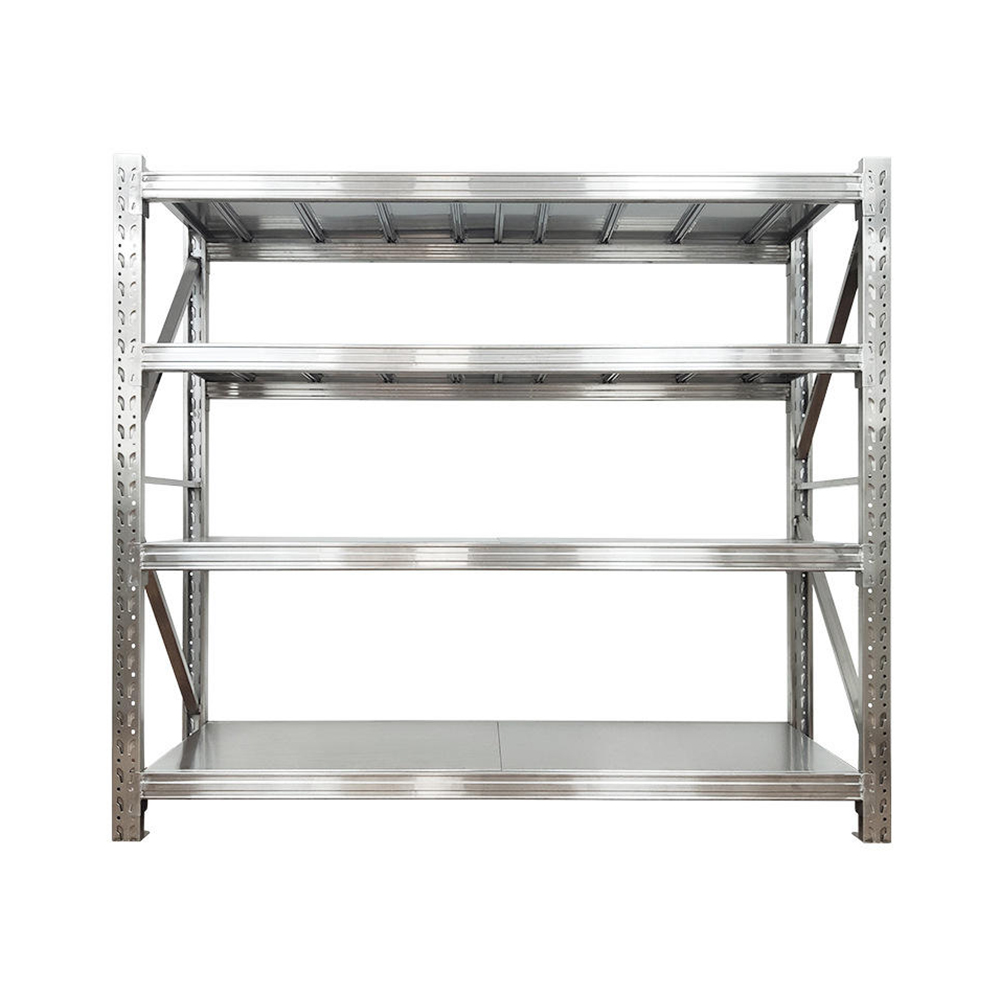
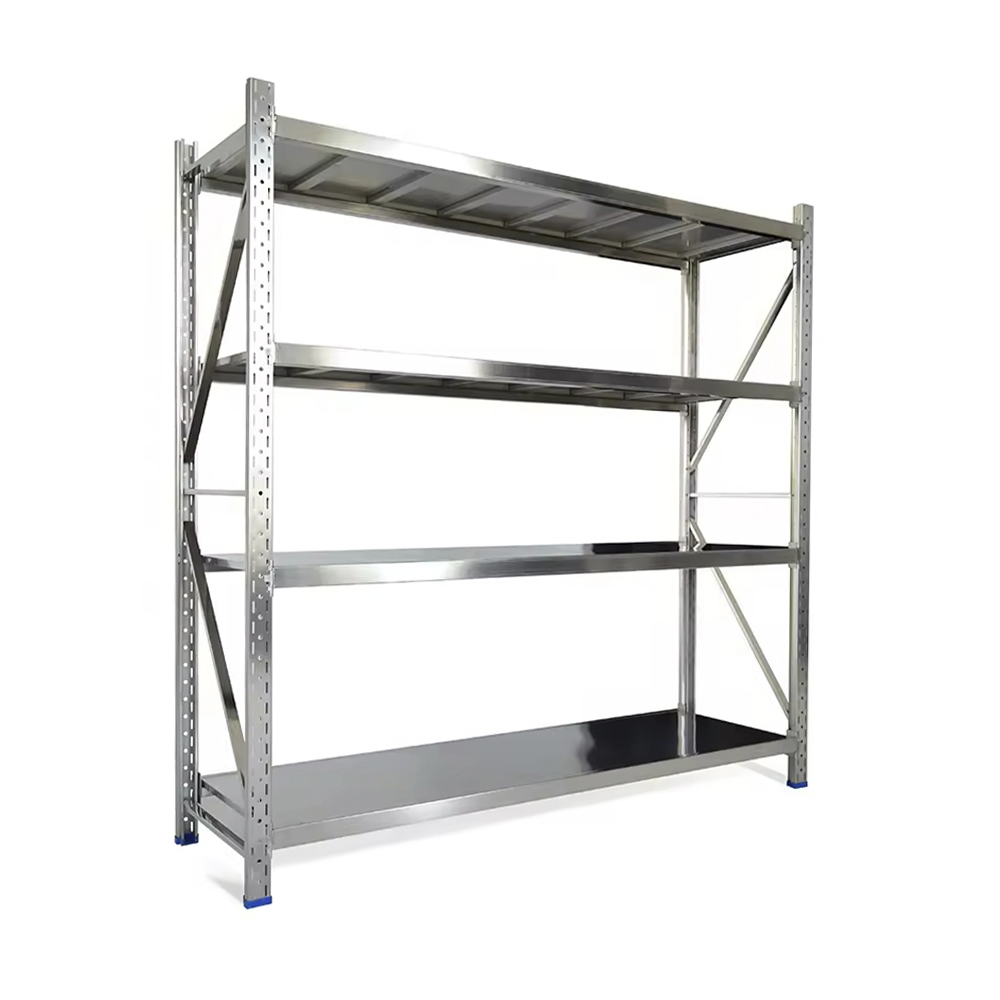
Stainless steel shelves are storage units made of high-quality stainless steel, featuring corrosion resistance and easy cleaning, suitable for environments requiring high hygiene standards.
Application Scenarios
Supermarket fresh areas, convenience store backrooms, commercial kitchens, hospitals, clean rooms, and food processing factories; used to store fresh food, kitchen supplies, and sterile items.
What Sets Us Apart
Who We Are
Better Shelving, Better Business
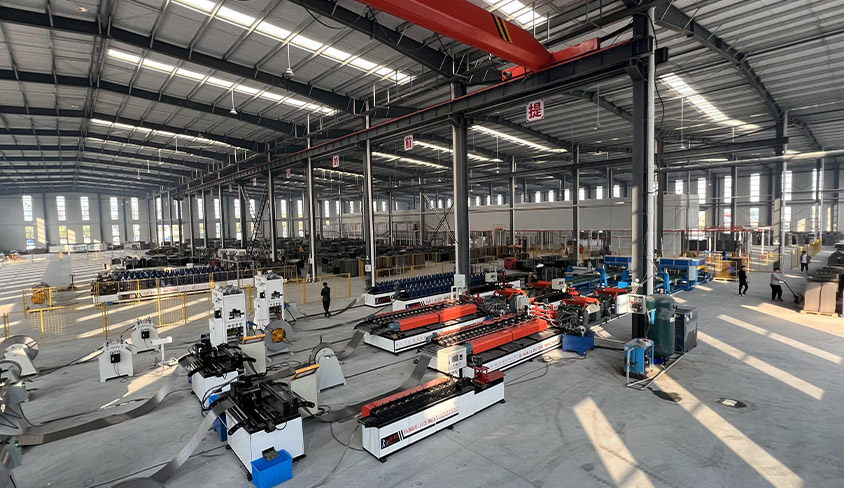
Shanghai King Global Shelf Co.,Ltd. is a leading manufacturer of shelving and storage solutions for
logistics and warehousing. Specializing in home racks, industry heavy-duty shelving, and warehouse
optimization systems. Founded in 2010, we have built strong production capability with a modern facility,
experienced team, and reliable quality control. We are China Stainless Steel Shelves Supplier and Wholesale Steel Warehous Rack & Steel Shelf Rack Factory, our products are designed to improve display, storage
efficiency, and space utilization for different markets. With stable quality, flexible solutions,
and responsive service, we support customers in both domestic and overseas markets.
About Us


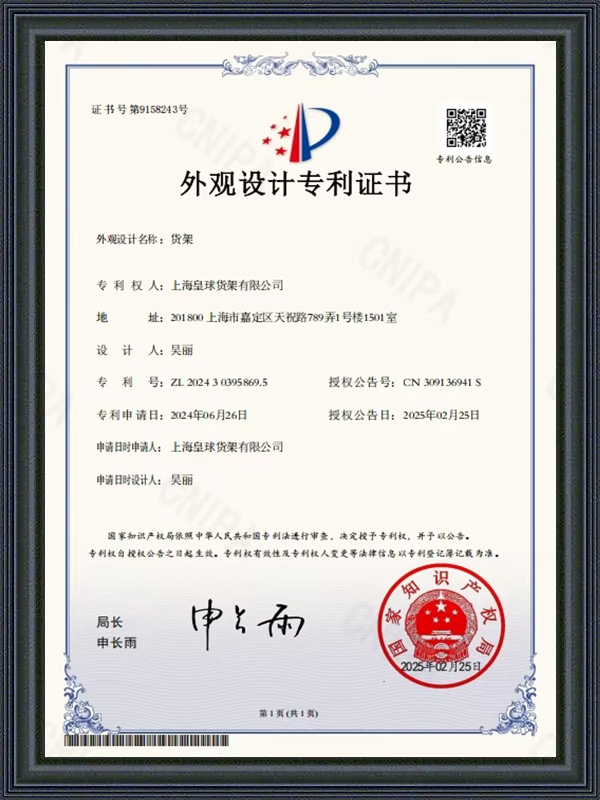
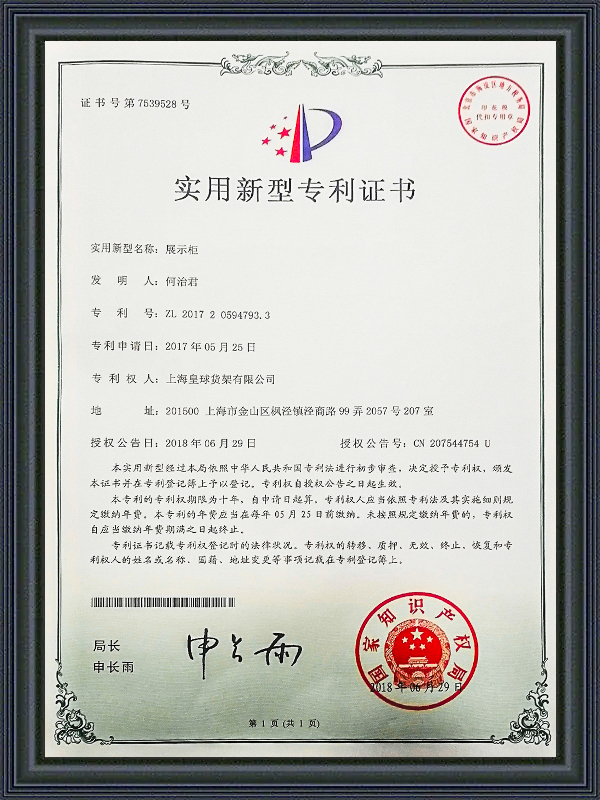
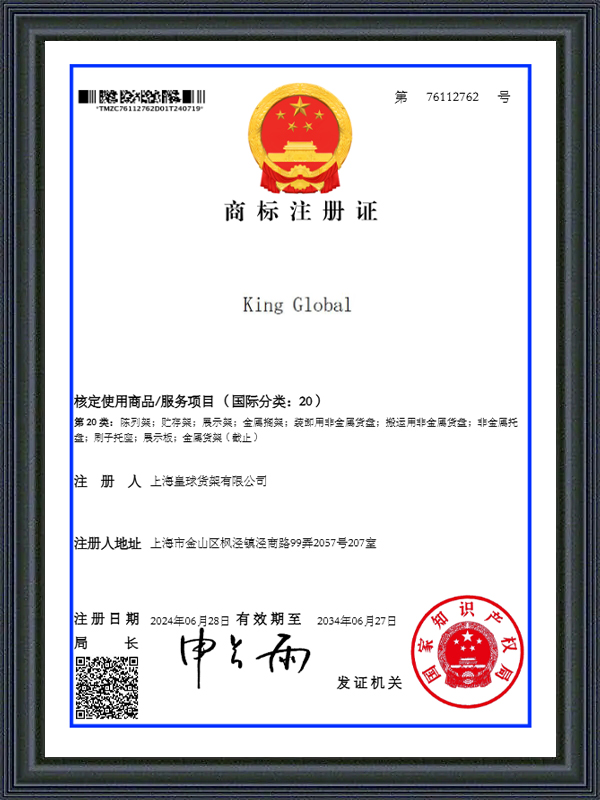
Honor
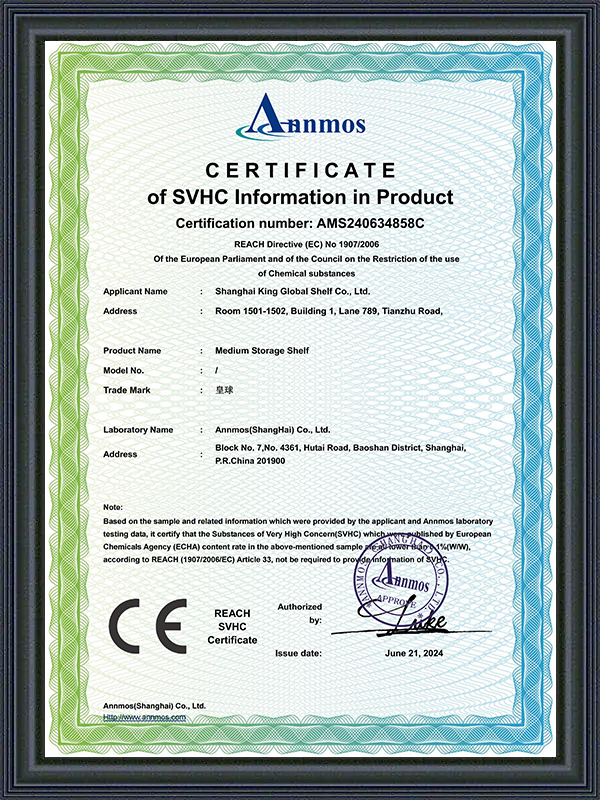
Certificate Of Honor
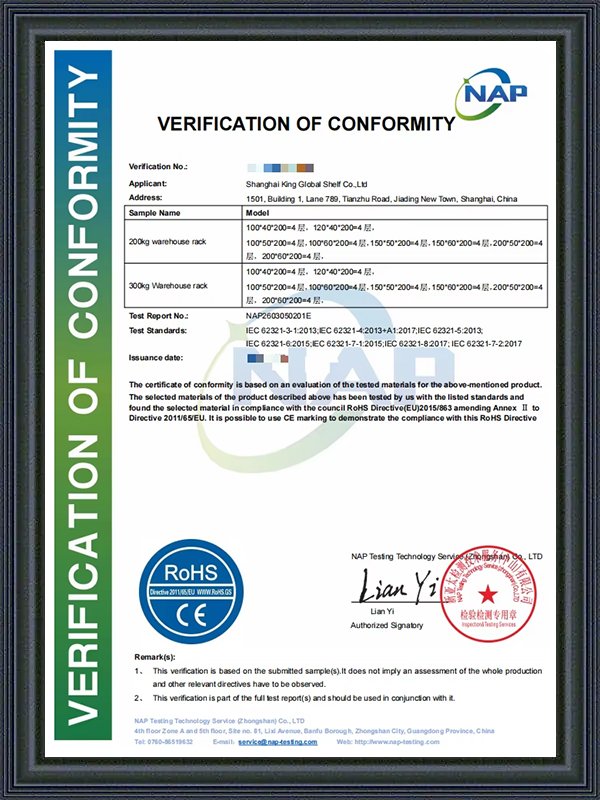
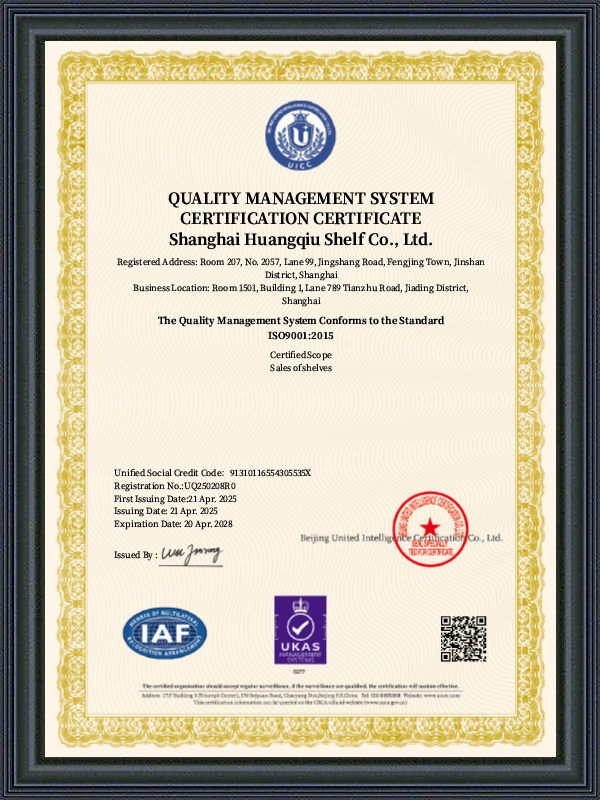
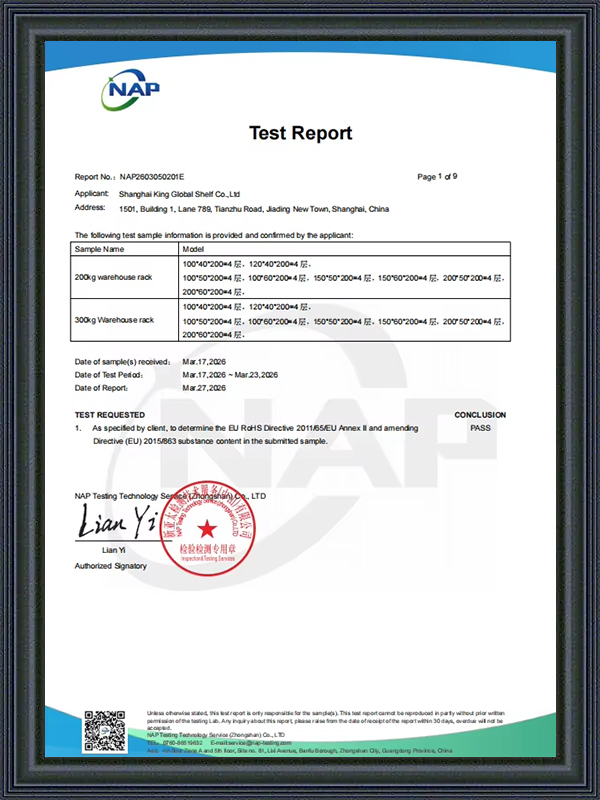
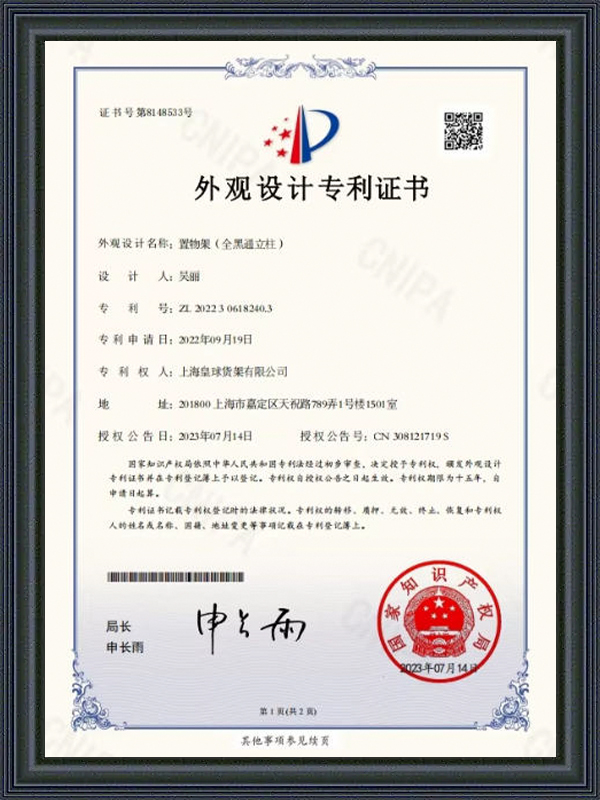
-

 2026-09-21
 Industry News
-
2026-09-15
Industry News
-
2026-09-08
Industry News
-
2026-09-01
Industry News
Feedback
Message Feedback
Knowledge
Stainless Steel Shelves Industry knowledge
1. Understanding Stainless Steel Shelves, Steel Warehouse Rack, and Steel Shelf Rack Systems
Stainless steel shelves are storage units built from corrosion resistant steel sheet, formed into a frame and multiple horizontal shelf levels that keep items off the floor while remaining easy to wipe down and sanitize. Within the broader family of a steel warehouse rack, stainless steel construction represents one specific material choice selected for settings where hygiene, moisture exposure, or chemical contact make ordinary painted or galvanized steel less suitable. A general purpose steel shelf rack may use coated carbon steel for cost efficient dry storage, while a stainless steel version of the same basic frame design is chosen wherever surfaces need to withstand repeated washdowns, splashes, or contact with food and fluids.
These three related product groups share a common structural logic: a supporting frame carries the load down to the floor, while horizontal shelf boards or wire decks distribute weight evenly across each level. What differentiates them is largely the material grade, surface finish, and how the frame is configured for a given environment. Stainless steel shelves lean toward smooth, non porous surfaces that resist bacterial growth and corrosion from cleaning chemicals, steel warehouse rack systems in galvanized or powder coated finishes cover general dry goods and industrial inventory, and steel shelf rack configurations span both categories depending on the finish selected for a particular project. Because of this shared foundation, a single manufacturer can typically produce all three variations from a common engineering platform, adjusting only the material and coating specification to match the intended setting.
This overlap in structure is one reason stainless steel shelves, steel warehouse rack systems, and steel shelf rack units are often grouped together on a single product page, since a buyer comparing options for a kitchen, a clean room, or a general warehouse frequently needs to weigh the same frame and shelf format against different material and finish choices before settling on the version that fits their specific operating conditions.
2. Structural Design and Working Principle
(1) Frame Construction and Surface Treatment
Most stainless steel shelves and steel shelf rack units rely on a vertical post or frame structure that supports horizontal shelf boards, wire decks, or perforated panels. The frame carries the combined weight of the shelf levels and stored items down to the floor, while connectors, brackets, or welded joints hold each level in place along the uprights. In a stainless steel configuration, the sheet metal itself provides the corrosion resistance, since the chromium content in the alloy forms a thin protective layer on the surface that resists rust even under repeated moisture exposure. A steel warehouse rack built from painted or galvanized carbon steel instead relies on an applied coating for corrosion protection, which performs well in dry general storage but is generally less suited to constant washdown or high humidity conditions than stainless steel.
Weld quality and edge finishing also matter more for stainless steel shelves than for a typical dry storage steel shelf rack, since rough welds or sharp seams can trap residue and are harder to sanitize thoroughly. Many stainless steel units use continuous or ground welds along visible joints, along with rounded corners on shelf boards, to reduce the number of places where moisture or debris can collect.
(2) Fixed and Adjustable Shelf Configurations
Some stainless steel shelves use fixed shelf spacing set during fabrication, which is common in compact commercial kitchen units and smaller wall mounted racks. Others use slotted uprights or clip brackets that allow shelf levels to be repositioned as storage needs change, which is more typical of a general steel warehouse rack intended for varied inventory. Adjustable configurations add a small amount of complexity to the frame but offer flexibility that is useful in food processing and hospital settings where equipment sizes and container dimensions can vary across departments.
3. Common Types of Stainless Steel Shelves and Steel Shelf Rack Configurations
(1) Light Duty Stainless Steel Shelves
Light duty stainless steel shelves are generally built from thinner gauge sheet, sized for smaller containers, utensils, or packaged goods. This classification is common in convenience store backrooms and smaller commercial kitchens, where frequent handling and easy wipe down cleaning matter more than very high load capacity.
(2) Medium Duty Steel Shelf Rack Units
Medium duty steel shelf rack units extend the same general format to a broader range of items, including boxed goods, trays, and general supermarket fresh area inventory. This classification typically uses moderately reinforced frames capable of supporting mixed loads without the heavier bracing found in large scale warehouse configurations. Many food processing facilities and hospital storage rooms select medium duty units because they balance everyday handling needs with a manageable footprint.
(3) Heavy Duty Steel Warehouse Rack Systems
Heavy duty steel warehouse rack systems are built with thicker steel sections and stronger connectors to support bulkier goods, palletized inventory, or larger processing containers. This classification is frequently found in cold chain warehouses, large food processing factories, and distribution centers, where item weight and quantity generally exceed what a retail backroom or kitchen would handle. Because the loads involved are heavier, this end of the range often benefits from wider footing and secure anchoring, particularly for taller installations.
(4) Clean Room and Sterile Storage Configurations
Beyond these general duty classes, stainless steel shelves are also produced in configurations specifically suited to clean rooms and sterile storage areas, including perforated or wire shelf decks that allow airflow and reduce dust accumulation, along with fully welded seamless joints that minimize crevices. King Global Shelf, for example, produces stainless steel shelves and steel shelf rack units across this broader range of configurations alongside standard steel warehouse rack lines, allowing a single production background to cover both hygienic and general industrial storage needs.
The chart below places light duty, medium duty, and heavy duty configurations side by side using a relative capacity index rather than fixed weight figures. This approach is useful because actual shelf capacity always depends on material thickness, shelf span, and how evenly items are placed across each level. Viewing the three duty classes on a common scale still helps illustrate how the general capacity range shifts as the structure is reinforced for heavier inventory. The horizontal bars extend further to the right as the duty classification increases, giving a quick visual sense of where each classification generally sits relative to the others. Before choosing a specific configuration, this general comparison can serve as a starting point for narrowing down which duty class fits a given storage requirement. Reviewing this alongside actual container weights and shelf spans remains a useful next step once a general duty class has been identified.
As shown in the chart, light duty stainless steel shelves occupy the lower portion of the relative index, reflecting their design for smaller and more frequently handled items found in convenience store backrooms and compact kitchens. Medium duty units sit near the middle of the scale, representing a configuration suited to supermarket fresh areas and general food processing tasks without the heavier frame sections used in the top classification. Heavy duty steel warehouse rack systems extend furthest along the bar, corresponding to configurations built for palletized goods and large scale distribution needs. The relative positioning shown here is not meant to represent an exact weight figure for any single product, since two units in the same duty class can still differ once shelf span, gauge thickness, and reinforcement details are taken into account. Instead, the chart illustrates the general direction in which load bearing capability moves as a steel shelf rack is built for progressively heavier inventory. A hospital supply room storing lighter sterile packages would typically look toward the lower end of this scale, while a cold chain distribution center would look toward the upper end. Facilities with mixed inventory sometimes combine more than one duty class within the same room, placing lighter items on upper levels and reserving reinforced lower levels for heavier containers. Because the exact figure separating one duty class from another can vary between manufacturers, buyers are encouraged to confirm shelf level capacity for their specific items rather than relying on the duty class name alone. This chart is therefore most useful as an early planning reference before shelf spacing and unit height are finalized for a specific room or facility.
4. Key Features and Advantages of Stainless Steel Shelves
(1) Corrosion Resistance and Hygienic Surface
Stainless steel shelves rely on a naturally forming protective layer within the alloy itself, which allows the surface to resist rust and pitting even under frequent washdown or humid conditions. This characteristic makes stainless steel shelves a common choice wherever fresh food, sterile items, or cleaning chemicals come into regular contact with the storage surface.
(2) Easy Cleaning and Sanitization
The smooth, non porous surface of stainless steel shelves does not absorb liquids or odors the way some coated or wooden alternatives can, which makes wiping down and sanitizing shelf levels a straightforward part of routine cleaning. This property is particularly valued in commercial kitchens, hospitals, and food processing factories where surfaces are cleaned on a frequent schedule.
(3) Structural Strength and Adjustable Spacing
Beyond corrosion resistance, stainless steel shelves and related steel shelf rack configurations offer solid structural strength for their weight class, and many units include adjustable shelf spacing that allows levels to be repositioned as container sizes or storage needs shift over time. This combination of durability and flexibility is one reason stainless steel remains a preferred material across several demanding storage environments rather than being limited to a single niche use.
The radar chart below places stainless steel shelves, coated steel shelving, and plastic shelving side by side across five general characteristics that often influence a material selection decision. Rather than assigning a fixed technical rating, the shape drawn for each material is intended as a general comparison based on how each option typically performs in practice. Corrosion resistance, cleanability, load capacity, temperature tolerance, and maintenance simplicity are the five reference points used in this comparison. A larger shape toward a particular point suggests that the material tends to perform relatively well in that area compared with the other two options shown. This kind of overview can be useful early in a project, before a facility settles on one shelving material or decides to combine more than one type within the same space. Reading the shapes side by side also helps clarify which material trade offs matter most for a particular room, since no single material scores highest across every point at once. Facilities handling fresh food or sterile items generally weigh corrosion resistance and cleanability most heavily, while general dry storage areas may prioritize load capacity and overall structural simplicity instead.
Looking at the shape for stainless steel shelves, the widest points fall on corrosion resistance and cleanability, which reflects how the material handles frequent washdown, moisture exposure, and contact with cleaning chemicals better than coated steel or plastic alternatives. Coated steel shelving shows a more balanced shape, performing reasonably well on load capacity and temperature tolerance but trailing stainless steel once repeated moisture exposure or chemical contact becomes part of daily operations. Plastic shelving tends to score lower on load capacity and temperature tolerance in this comparison, since plastic materials generally cannot match the structural strength of steel framing under heavier loads or in settings with significant temperature swings. On maintenance simplicity, stainless steel shelves again show a relative advantage, since the surface does not require reapplication of protective coatings the way some painted steel products eventually do. It is worth noting that this radar chart reflects general tendencies rather than a fixed ranking that applies to every situation, since a well coated steel warehouse rack can still perform well in a dry general storage setting where moisture exposure is limited. The comparison is most useful as a starting point when a facility is weighing material cost and performance trade offs across different rooms or storage zones. In many operations, stainless steel shelves are reserved for the areas with the highest hygiene or corrosion exposure requirements, while coated steel handles general dry storage elsewhere in the same building. Reviewing a chart like this alongside the specific humidity, chemical exposure, and cleaning frequency expected in a given room remains a useful step before finalizing a material choice.
5. Application Scenarios and Typical Use Cases
(1) Supermarket Fresh Zones
Supermarket fresh food areas frequently rely on stainless steel shelves to hold produce, dairy, and prepared items, since the smooth surface resists staining and can be cleaned quickly between restocking cycles.
(2) Convenience Store Backrooms
Backroom storage in convenience stores often uses a lighter duty steel shelf rack for boxed inventory, with stainless steel favored near areas where food or beverages are prepared or stored before display.
(3) Commercial Kitchens
Commercial kitchens are one of the most common settings for stainless steel shelves, where pots, utensils, and ingredients are stored on open shelf levels that can withstand steam, splashes, and frequent washdown without corroding.
(4) Hospitals and Clean Rooms
Hospitals and clean rooms use stainless steel shelves for sterile supplies and equipment, taking advantage of the material's resistance to corrosion from disinfectants and its compatibility with strict cleaning protocols common in these environments.
(5) Food Processing Factories
Food processing factories often combine heavy duty steel warehouse rack systems for bulk ingredient storage with stainless steel shelving in preparation and packaging areas, matching material choice to the level of moisture and chemical exposure in each zone.
The column chart below presents a general, illustrative view of how stainless steel shelves and related steel shelf rack usage tends to be distributed across several common settings. These figures are not drawn from a single formal survey but instead reflect broad patterns commonly associated with hygiene sensitive storage needs across different environments. Supermarket fresh zones, convenience store backrooms, commercial kitchens, hospitals and clean rooms, and food processing factories are used as five representative categories. Taller columns indicate settings where stainless steel shelves are more frequently associated with everyday storage, while shorter columns represent settings where the format still applies but appears less often relative to the others. This chart is meant to give a general sense of where stainless steel shelves fit within a broader range of hygiene focused environments rather than to serve as a precise market breakdown. Reading the chart alongside the specific cleaning frequency and moisture exposure expected in a facility can help clarify how much of a storage plan should rely on stainless steel versus other steel shelf rack finishes.
Supermarket fresh zones represent the tallest column in this illustration, which lines up with the frequent use of stainless steel shelves for produce, dairy, and prepared foods that require regular cleaning between restocking. Commercial kitchens follow closely, reflecting how utensils, ingredients, and cookware are commonly organized on washable shelf levels within food preparation areas. Convenience store backrooms appear as a mid sized column, since boxed inventory in these settings sometimes uses a general steel shelf rack rather than full stainless steel construction, reserving stainless steel for areas closer to food handling. Hospitals and clean rooms show a somewhat smaller share in this illustration, largely because these facilities often combine stainless steel with other specialized storage formats depending on department requirements. Food processing factories appear as the smallest column here, though this does not suggest the setting is unimportant, only that stainless steel typically covers a specific portion of a larger facility that also relies on heavy duty steel warehouse rack systems for bulk ingredient storage. Across all five categories, the underlying reason stainless steel shelves appear is largely the same: a stable, corrosion resistant, and easily sanitized structure helps keep sensitive items organized and safe within a defined space. Facilities that combine more than one of these settings, such as a supermarket with both a fresh food zone and a small in store kitchen, often end up using stainless steel shelves across more than one part of the same building. The relative sizing shown in this chart can shift considerably from one facility to another depending on available floor space, cleaning protocols, and the specific mix of items being stored. Because of this variability, the chart should be read as a general orientation rather than a fixed rule for every room or facility. Reviewing how stainless steel shelves are used in similar settings can still provide a useful reference point when planning a new storage layout or reorganizing an existing one.
6. How Material Grade Relates to Corrosion Resistance Over Time
Not all steel shelf rack materials resist corrosion at the same rate, and understanding this general relationship can help when comparing stainless steel shelves against galvanized or painted steel warehouse rack alternatives. Higher grade stainless steel alloys generally maintain their protective surface layer longer under repeated moisture and chemical exposure than lower grade stainless alloys, which in turn tend to outperform galvanized coatings, with painted carbon steel typically showing the earliest signs of surface wear in demanding wet environments.
The line chart below illustrates a general material tendency rather than a specific product specification: moving from higher grade stainless steel toward painted carbon steel, the relative corrosion resistance index tends to decline under otherwise similar exposure conditions. This pattern follows from the underlying chemistry of each material, where chromium content and coating type both influence how well a surface resists rust when exposed to moisture, cleaning chemicals, or temperature swings over an extended period. The horizontal axis groups four common material categories, moving from higher grade stainless steel toward standard painted steel, while the vertical axis represents a relative corrosion resistance index rather than an exact service life figure. The downward slope of the line is the main point of interest, since it shows how resistance tends to decline as the material moves away from higher grade stainless compositions.
At the higher grade stainless steel end of the horizontal axis, the relative corrosion resistance index sits at its highest point, reflecting the higher chromium and nickel content that gives this grade strong resistance to rust even under frequent washdown and chemical exposure common in food processing and hospital settings. Moving toward the lower stainless grade, the line begins to slope downward, indicating that reduced alloy content still provides solid corrosion resistance for many stainless steel shelves applications but falls somewhat short of the top grade in the most demanding wet environments. The galvanized steel category continues this downward trend, illustrating why a zinc coated steel warehouse rack performs acceptably in general dry storage or moderate humidity but is generally not the first choice for constant washdown areas. At the painted steel end of the axis, the relative index reaches its lowest point in this illustration, which highlights why painted carbon steel is typically reserved for dry indoor storage away from significant moisture or chemical contact. It is worth noting that this decline does not mean painted or galvanized steel is unsuitable for storage in general, since these finishes remain a practical and widely used choice for standard steel shelf rack applications in dry warehouses and offices. Rather, the chart is meant to show the underlying tendency that guides material selection once moisture, chemical exposure, or hygiene requirements become part of the decision. This is also why facilities handling a mix of dry goods and fresh or sterile items often use more than one material within the same building, applying stainless steel shelves only where the added corrosion resistance is actually needed. Selecting a suitable duty class, discussed earlier in this article, in combination with the appropriate material grade is therefore a joint decision rather than two separate ones. Facilities planning for long term use in humid or chemically exposed areas may want to weigh the corrosion resistance of higher grade stainless steel against the lower resistance of coated alternatives before finalizing a purchase. Ultimately, this relationship reinforces why selecting between stainless steel shelves and other steel shelf rack finishes benefits from reviewing actual environmental exposure rather than choosing a material based on appearance alone.
7. Selection Guide: Choosing the Right Stainless Steel Shelf or Steel Shelf Rack
Selecting an appropriate stainless steel shelf or steel shelf rack generally involves reviewing several factors together rather than focusing on a single measurement. Environmental exposure, hygiene requirements, item weight, and available room dimensions all influence which material grade, duty class, and configuration will work well for a given space.
(1) Assess Environmental Exposure
The starting point for most selections is a clear picture of how much moisture, chemical contact, or temperature variation the shelving will face, since these details determine whether stainless steel, galvanized steel, or painted steel is the more suitable material for a given room.
(2) Determine Hygiene Requirements
Settings such as commercial kitchens, hospitals, and food processing factories generally call for stainless steel shelves specifically because of their cleanability and resistance to bacterial growth, while general dry storage areas may not require this level of surface performance.
(3) Plan Shelf Spacing and Load
Vertical shelf spacing should generally be planned around the height of the items being stored, with enough clearance between levels to allow items to be placed and removed comfortably, while overall load expectations help determine the appropriate duty class for a steel warehouse rack installation.
(4) Match Duty Class to Application
Because a supermarket fresh zone, a hospital supply room, and a cold chain warehouse each involve different item weights and turnover rates, matching duty class to the specific application generally leads to a more suitable long term outcome than selecting based on floor space alone. Suppliers such as King Global Shelf typically support this stage by reviewing environmental exposure, hygiene requirements, and load expectations before recommending a specific material grade and duty classification for a given project.
The following list summarizes common configuration options that facilities typically consider when comparing stainless steel shelves against other steel shelf rack finishes for a given room.
- Full stainless steel construction for constant washdown or high hygiene areas
- Galvanized steel warehouse rack for general dry storage with moderate humidity
- Painted carbon steel shelf rack for indoor dry storage away from moisture
- Wire deck or perforated stainless steel shelves for clean room airflow
- Heavy duty stainless configurations for cold chain and food processing zones
| Feature | Stainless Steel Shelves | Galvanized Steel Warehouse Rack | Powder Coated Steel Shelf Rack |
|---|---|---|---|
| Corrosion Resistance | High, resists constant washdown | Moderate, suited to general humidity | Lower, best for dry indoor use |
| Cleanability | Smooth, non porous, easy to sanitize | Moderate, coating can wear over time | Moderate, suitable for general wiping |
| Typical Setting | Kitchens, hospitals, clean rooms, food processing | General warehouses, storage rooms | Offices, retail backrooms, dry storage |
| Load Range | Light to heavy, setting dependent | Medium to heavy | Light to medium |
8. Maintenance and Care Guidelines
Like other storage equipment, stainless steel shelves and steel shelf rack units benefit from routine attention to keep them stable, clean, and in good condition over time. The following practices are commonly recommended for facilities that rely on these units for everyday storage.
(1) Routine Cleaning Practices
Wiping down stainless steel shelves regularly with a mild cleaning solution helps maintain the protective surface layer and keeps the shelving presentable in food preparation, hospital, and clean room settings.
(2) Inspection of Welds and Fasteners
Periodically checking welded joints, brackets, and fasteners for looseness helps catch minor issues before they affect the stability of a steel shelf rack, particularly for units that are moved or reconfigured from time to time.
(3) Avoiding Chemical Damage
Even stainless steel shelves can show surface staining if left in prolonged contact with certain chlorine based cleaning agents, so rinsing surfaces after strong chemical cleaning helps preserve the protective layer over the long term.
(4) Long Term Storage Environment Considerations
Facilities operating in consistently humid or chemically exposed environments may want to schedule more frequent inspection of both stainless steel shelves and any coated steel warehouse rack units nearby, since environmental conditions can affect different materials at different rates over the service life of the equipment.
9. Frequently Asked Questions
(1) What items are typically stored on stainless steel shelves?
Stainless steel shelves are generally used for fresh food, kitchen supplies, sterile medical items, and food processing materials that require a corrosion resistant and easily sanitized storage surface.
(2) How does a steel warehouse rack differ from stainless steel shelves?
A steel warehouse rack typically uses galvanized or painted carbon steel suited to general dry storage, while stainless steel shelves use a corrosion resistant alloy suited to washdown, moisture, and hygiene sensitive environments.
(3) Can a steel shelf rack be used in both dry and wet environments?
A steel shelf rack can be configured with different finishes depending on the environment, with stainless steel generally recommended for wet or chemically exposed areas and galvanized or painted steel typically reserved for dry storage.
(4) How is the appropriate duty class determined for stainless steel shelves?
Duty classification is generally based on the expected weight and type of items being stored, along with shelf span and how evenly that load will be distributed, rather than a single fixed measurement.
(5) Can stainless steel shelves be combined with other steel shelf rack finishes in the same facility?
Many facilities use stainless steel shelves in hygiene sensitive zones while relying on galvanized or painted steel warehouse rack units elsewhere in the same building for general dry storage needs.
(6) Does King Global Shelf provide support for planning a stainless steel shelving layout?
King Global Shelf offers layout consultation as part of its stainless steel shelf and steel shelf rack production background, reviewing environmental exposure and item types to help determine a suitable material grade and duty classification before installation.
Get exclusive deals and early access to new products.
Experienced staff and experts are always available to provide you with professional guidance and solutions to technical problems.
Mobile
-
Quick Links
Home Products Cooperation Cases Company Service News Contact Us -
Product
Warehouse Rack Pallet Racking Mezzanine Racking Cantilever Racks Supermarket Shelf Office & Home Shelves -
Contact Us

E-mail: liwu78465@gmail.com

WhatsApp: 8613761540945

China Tel: +86-13761540945
Thailand Tel: +66 99 109 1956 (Line Same)
Thailand Tel: +66 92 242 5845 (Line Same)

China Address:Room 1501, Building 1, Lane 789, Tianzhu Road, Jiading District, Shanghai, China.
USA Address: 23787 Eichler St, Unit G, Hayward, CA 94545.
Malaysia Address: METROHUB 2 Warehouse 4, Lot 109363, Persiaran Bukit Rajakayangan/KU5,Bandar Bukit Raja, 41050 Klang, Selangor Darul EhsanReturn to Gate 81, Malaysia.
Thailand Address:จังหวัดสมุทรปราการ อำเภอบางเสาธง ตำบลบางเสาธง 32/7 หมู่7 ถนนบางพลี-ตำหรุ บางพลีใหญ่ Bang Phli District, Samut Prakan 10540,(TH)
Copyright ©
Shanghai King Global Shelf Co.,Ltd.
All Rights Reserved.
Stainless Steel Shelves Supplier
Wholesale Steel Warehous Rack & Steel Shelf Rack Factory
