


 English
  Español
  русский
  Français
  한국어
한국어  عربى
عربى  ไทย
ไทย  Deutsch
  Bahasa Melayu
  Português
  Polskie
China Tel: +86-13761540945
Thailand Tel: +66 99 109 1956
Thailand Tel: +66 92 242 5845
liwu78465@gmail.com



Display Racks Supplier
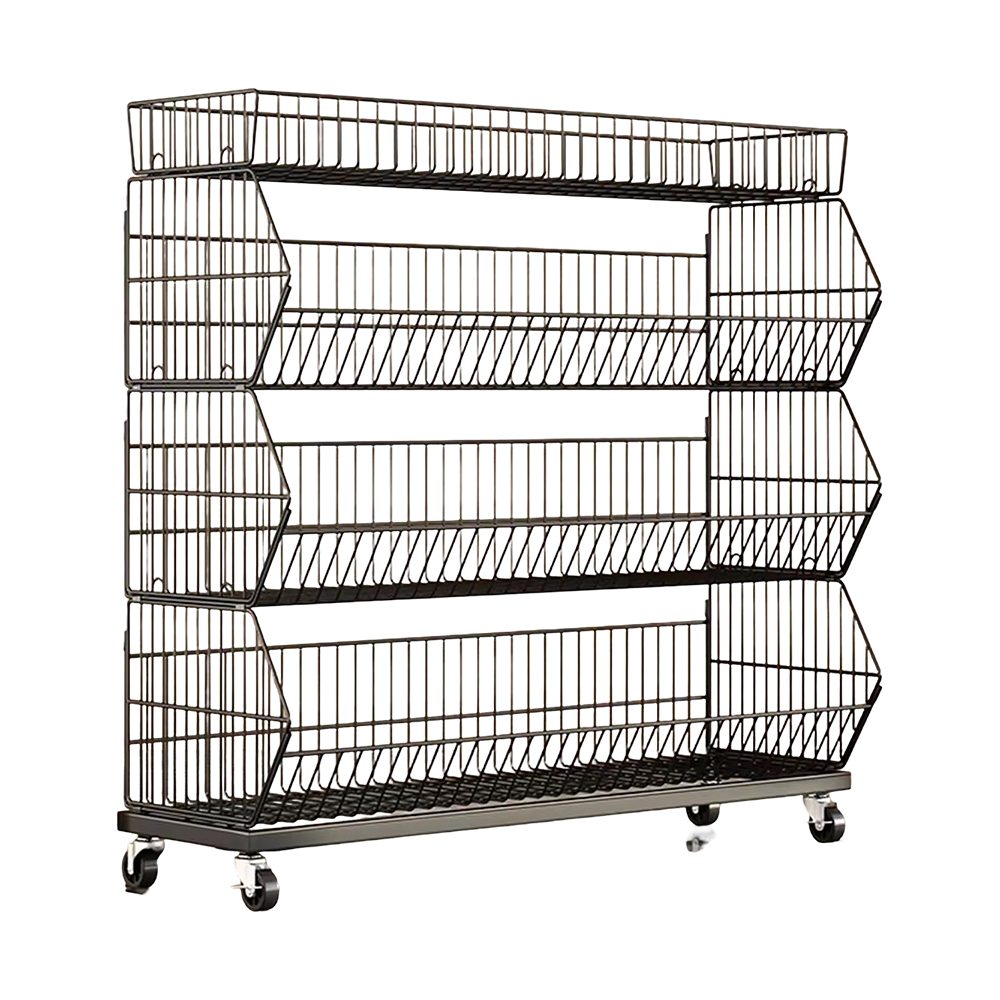
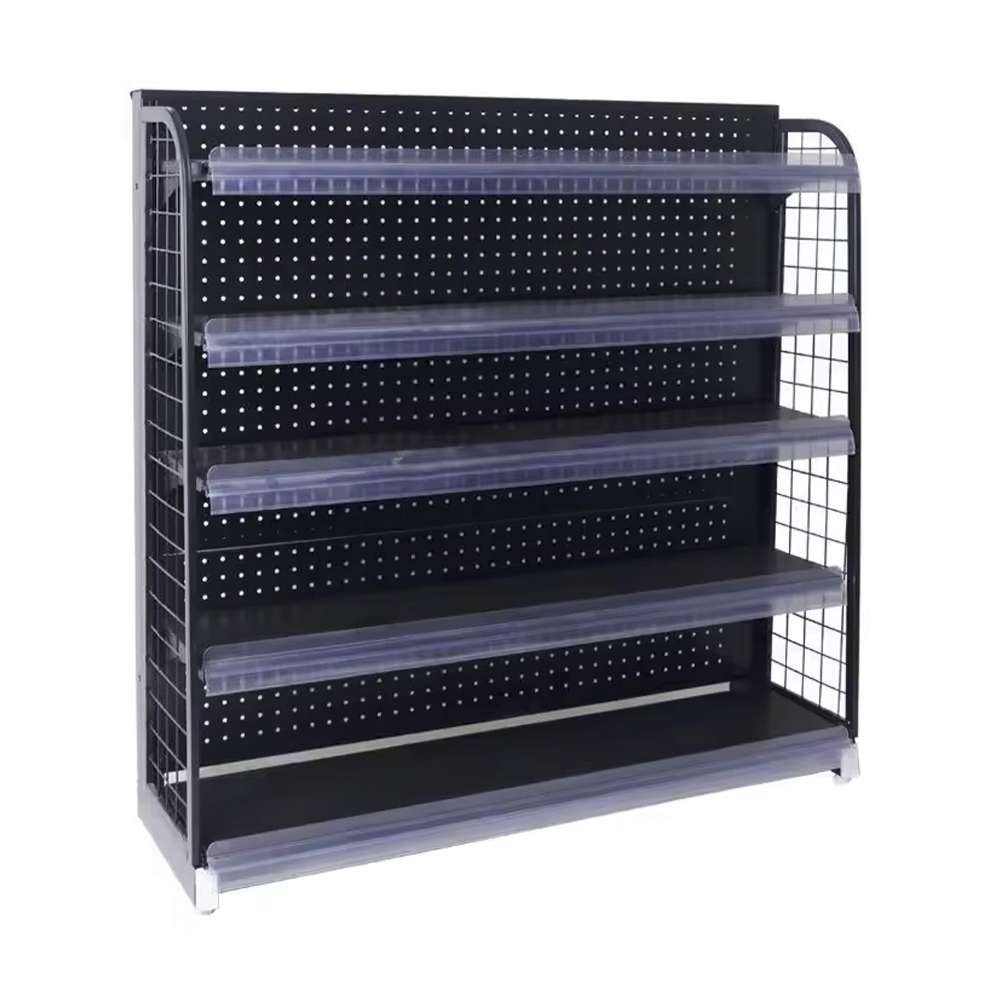
Display racks are versatile, multi-purpose units used to highlight and showcase specific products, emphasizing their features and attracting customer attention.
Application Scenarios
Supermarkets, convenience stores, clothing stores, electronics stores, and shopping malls; used to display snacks, cosmetics, toys, electronics, and small commodities.
What Sets Us Apart
Who We Are
Better Shelving, Better Business
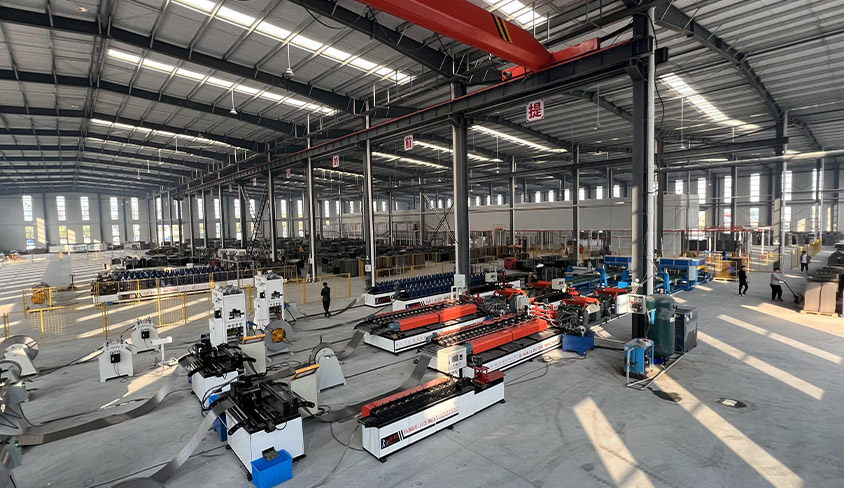
Shanghai King Global Shelf Co.,Ltd. is a leading manufacturer of shelving and storage solutions for
logistics and warehousing. Specializing in home racks, industry heavy-duty shelving, and warehouse
optimization systems. Founded in 2010, we have built strong production capability with a modern facility,
experienced team, and reliable quality control. We are China Display Racks Supplier and Wholesale Display Racks Factory, our products are designed to improve display, storage
efficiency, and space utilization for different markets. With stable quality, flexible solutions,
and responsive service, we support customers in both domestic and overseas markets.
About Us


Honor
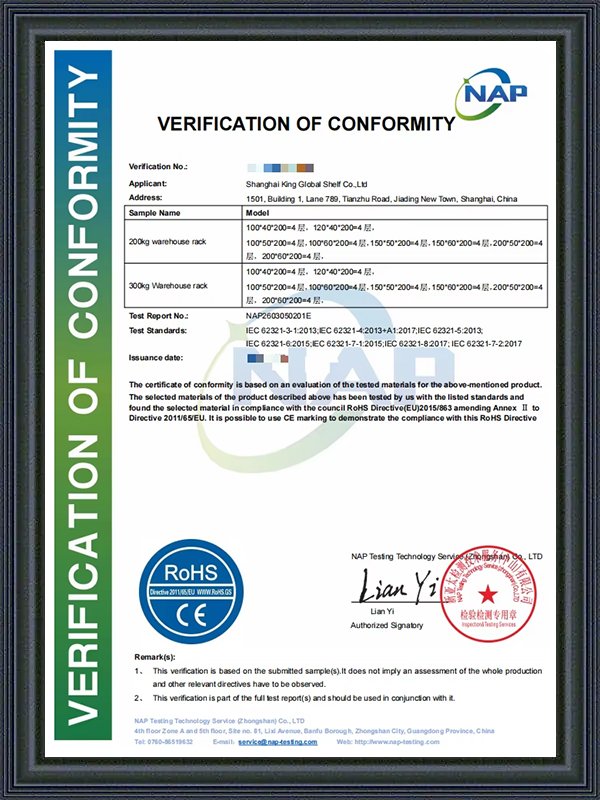
Certificate Of Honor







-

 2026-09-21
 Industry News
-
2026-09-15
Industry News
-
2026-09-08
Industry News
-
2026-09-01
Industry News
Feedback
Message Feedback
Knowledge
Display Racks Industry knowledge
1. Understanding Display Racks for Retail Merchandising
Display racks are versatile, multi purpose units used to highlight and showcase specific products, emphasizing their features and attracting customer attention within a retail environment. Unlike general storage shelving built primarily to hold inventory out of sight, display racks are designed around visibility, product accessibility, and how easily a shopper can browse, compare, and select an item without assistance. This category covers a wide range of formats, from open tiered shelving near a store entrance to countertop units placed beside a checkout counter, each configured to draw attention to a specific product group.
Because retail environments differ considerably in layout, foot traffic, and product type, display racks are produced in several structural formats and finishes rather than a single standardized design. A supermarket aisle end cap, a clothing store garment rack, and an electronics store countertop stand all fall under the same general category, yet each is shaped by the specific merchandising task it performs. What ties these formats together is a shared purpose: presenting products in a way that is easy to see, easy to reach, and organized enough to support quick restocking during business hours.
This shared purpose is also why display racks are frequently discussed alongside general shelving and racking systems, even though their design goals differ. A store planning a full retail layout typically needs both formats working together, with storage racks handling backroom inventory and display racks presenting a curated selection of that inventory to shoppers on the sales floor.
2. Structural Design and Working Principle of Display Racks
(1) Frame, Tiers, and Product Positioning
Most display racks rely on a lightweight frame that supports tiered shelves, hooks, hangers, or slotted panels, arranged to keep products at a comfortable viewing and reaching height. Unlike heavy duty storage racking, where the priority is maximizing vertical storage density, display racks generally prioritize sightlines and product spacing, since crowding items together can make a display harder to browse even if it technically holds more inventory. The frame itself still needs to carry the combined weight of the products on display, but the overall structure is typically shaped around merchandising flow rather than pure load capacity.
Many display racks also incorporate open sightlines from more than one angle, allowing shoppers to view products from the front, side, or top of a fixture rather than from a single direction. This is part of why display racks often use narrower frame members or open wire construction compared with the solid panel sides sometimes found on enclosed storage cabinets, since minimizing visual obstruction is generally treated as important as structural support in a merchandising fixture.
(2) Fixed and Modular Configurations
Some display racks use a fixed tier layout suited to a specific product category, such as a countertop stand sized for small packaged snacks. Others use modular components, including adjustable hooks, movable shelf panels, or interchangeable inserts, that allow the same base structure to be reconfigured for different product lines as seasonal merchandising needs change. Modular formats are particularly common in stores that rotate promotional displays frequently, since a single frame can be adapted for a new product category without purchasing an entirely new fixture.
3. Common Types of Display Racks and Their Characteristics
(1) Countertop and Small Item Display Racks
Countertop display racks are compact units placed near a checkout area or service counter, generally used for small packaged items such as snacks, cosmetics, or accessories that benefit from impulse visibility during the final stage of a purchase. These units are typically lightweight and sized to fit within a limited counter footprint without obstructing the checkout process.
(2) Floor Standing Tiered Display Racks
Floor standing tiered display racks extend the same general visibility principle to a larger footprint, commonly used in supermarkets and convenience stores for snack aisles, seasonal promotions, or featured product sections. This format typically includes several open shelf tiers that keep a broader product range visible at once, supporting higher volume browsing than a countertop unit.
(3) Garment and Hanging Display Racks
Garment display racks use horizontal bars, hooks, or slotted panels rather than flat shelf tiers, since clothing and similar soft goods are generally displayed hanging rather than stacked. This classification is common in clothing stores and shopping mall retail spaces, where an open hanging format allows shoppers to flip through items quickly while keeping garments visible without folding or refolding throughout the day.
(4) Specialty and Electronics Display Racks
Beyond these general formats, display racks are also produced with specialized features such as locking compartments for higher value electronics, slatwall panels for interchangeable accessory hooks, and reinforced shelving for slightly heavier boxed items. King Global Shelf, for example, produces display racks across this broader range of configurations alongside its general shelving and warehouse rack lines, allowing a single production background to support both backroom storage and front of store merchandising needs.
Choosing among these formats generally comes down to the product being displayed and the shopping behavior a store wants to encourage. A countertop rack supports quick, low commitment purchases, a floor standing tiered unit supports broader browsing across a wider assortment, and a garment or specialty rack supports the specific handling needs of clothing or higher value electronics. Many stores end up combining more than one format across different zones of the same sales floor rather than relying on a single display rack type throughout.
The chart below places countertop, floor standing tiered, and garment or specialty display racks side by side using a relative product visibility index rather than fixed capacity figures. This approach is useful because actual product visibility always depends on tier height, spacing, and store lighting rather than a single fixed measurement. Viewing the three formats on a common scale still helps illustrate how the general visibility range shifts as the fixture footprint increases. The horizontal bars extend further to the right as the format grows in size and shopper sightline coverage, giving a quick visual sense of where each format generally sits relative to the others. Before choosing a specific display rack, this general comparison can serve as a starting point for narrowing down which format fits a given merchandising goal.
As shown in the chart, countertop display racks occupy the lower portion of the relative index, reflecting their compact footprint and limited product range compared with larger fixtures on the sales floor. Floor standing tiered display racks extend furthest along the bar, corresponding to their broader shelf area, multiple tiers, and placement in high traffic zones such as supermarket aisle ends. Garment and specialty display racks sit in a middle position on this particular index, since hanging or slatwall formats often display a wide assortment but within a narrower footprint than a full tiered floor unit. The relative positioning in the chart is not meant to represent an exact sales figure for any single product category, since visibility also depends heavily on store layout, lighting, and placement near high traffic paths. Instead, the comparison is intended to show the general direction in which product exposure tends to shift as a display rack format grows in scale and shopper interaction points. In practical terms, a small specialty item benefiting from impulse visibility would typically be placed on a countertop rack, while a broader snack or seasonal assortment would look toward a floor standing tiered format. Stores with varied inventory sometimes combine more than one display rack format within the same section, using a tiered unit for the main assortment and a countertop rack nearby for a smaller featured item. Because store layout and lighting can shift the practical impact of any display format considerably, retailers are encouraged to consider actual foot traffic patterns rather than relying on fixture size alone. This chart is therefore most useful as an orientation tool during the early stage of planning a merchandising layout, before specific fixture placement and product assortment are finalized. Understanding this relative positioning also helps when comparing display racks against general storage shelving discussed elsewhere, since it clarifies how much of a retail footprint should be dedicated to visibility focused fixtures versus backroom inventory storage.
4. Key Features and Advantages of Display Racks
(1) Enhanced Product Visibility
Display racks are built around open sightlines and comfortable viewing heights, which helps products stand out and draws shopper attention more effectively than items stored on general purpose shelving alone. This visibility advantage is one of the main reasons display racks are placed in high traffic zones rather than backroom storage areas.
(2) Flexible and Reconfigurable Layouts
Many display racks use modular hooks, adjustable shelves, or interchangeable panels, allowing a single fixture to be reconfigured for new product lines or seasonal promotions without replacing the entire structure. This flexibility supports retailers who rotate merchandising themes frequently throughout the year.
(3) Efficient Use of Floor and Counter Space
Because display racks are available in a range of footprints, from compact countertop units to larger floor standing fixtures, retailers can select a format that fits available space while still presenting products clearly. This flexibility is particularly useful in smaller stores where maximizing visible product range within a limited footprint is an ongoing consideration.
The radar chart below places display racks, general storage shelving, and pallet racking side by side across five general characteristics that often influence a retail fixture decision. Rather than assigning a fixed technical rating, the shape drawn for each format is intended as a general comparison based on how each option is typically used in practice. Product visibility, customer accessibility, layout flexibility, floor space efficiency, and load capacity are the five reference points used in this comparison. A larger shape toward a particular point suggests that the format tends to perform relatively well in that area compared with the other two formats shown. This kind of overview can be useful early in a retail planning project, before a store settles on how to divide its footprint between sales floor fixtures and backroom storage. Reading the shapes side by side also helps retailers see that no single format scores highest across every point, since a fixture optimized for visibility generally trades off some load capacity compared with a fixture built primarily for storage density. Considering these trade offs together with the specific product category being merchandised tends to lead to a more balanced overall store layout.
Looking at the shape for display racks, the widest points fall on product visibility and customer accessibility, which reflects how these fixtures are specifically designed to present items at a comfortable browsing height with open sightlines from more than one angle. General storage shelving shows a more balanced shape across the five points, since it is designed to hold a broader range of item types with reasonable accessibility but without prioritizing visual presentation the way a dedicated display rack does. Pallet racking, by comparison, scores lowest on product visibility and customer accessibility in this comparison, since palletized storage is generally intended for backroom inventory rather than direct customer interaction, and instead shows its strength on load capacity. On layout flexibility, display racks and general storage shelving sit relatively close together, since both formats commonly use adjustable components that can be reconfigured over time. Floor space efficiency favors general storage shelving slightly in this comparison, largely because storage oriented designs tend to maximize vertical density rather than open sightlines. Load capacity clearly favors pallet racking, which is engineered specifically to support heavier palletized loads that a lightweight display fixture is not intended to carry. It is worth noting that this radar chart reflects general tendencies rather than a fixed ranking that applies to every retail environment, since a well designed display rack can still hold a reasonable product range, and general shelving remains useful wherever visibility is not the primary concern. The comparison is most useful as a starting point when a retailer is deciding how to divide floor space between customer facing display fixtures and backroom storage. In most stores, display racks are used on the sales floor while general shelving and pallet racking support the backroom, since each format tends to serve a different part of the overall retail operation. Reviewing a chart like this alongside actual store layout and product assortment remains a useful step before finalizing a merchandising plan.
5. Application Scenarios and Typical Use Cases for Display Racks
(1) Supermarkets
Supermarkets commonly use floor standing tiered display racks near aisle ends and checkout lanes to feature snacks, seasonal promotions, and small commodities that benefit from higher visibility than standard shelf placement.
(2) Convenience Stores
Convenience stores often rely on countertop display racks near the register for small packaged snacks and impulse items, taking advantage of limited counter space to present products during the final moments of a purchase decision.
(3) Clothing Stores
Clothing stores use garment display racks with hanging bars or slotted panels to present apparel in a format that allows shoppers to browse quickly while keeping items visible and organized by size or style throughout the day.
(4) Electronics Stores
Electronics stores frequently use specialty display racks with slatwall panels or locking compartments to present accessories and smaller electronics, balancing product visibility with a degree of security for higher value items.
(5) Shopping Malls
Shopping mall retail spaces often use a mix of display rack formats depending on the tenant, combining garment racks, countertop units, and tiered floor fixtures to present toys, cosmetics, and general small commodities across different store types within the same complex.
The column chart below presents a general, illustrative view of how display rack usage tends to be distributed across several common retail settings. These figures are not drawn from a single formal survey but instead reflect broad patterns commonly associated with product merchandising needs across different store types. Supermarkets, convenience stores, clothing stores, electronics stores, and shopping malls are used as five representative categories. Taller columns indicate settings where display racks are more frequently associated with everyday merchandising, while shorter columns represent settings where the format still applies but appears less often relative to the others. This chart is meant to give a general sense of where display racks fit within a broader range of retail environments rather than to serve as a precise market breakdown.
Supermarkets represent the tallest column in this illustration, which lines up with the frequent use of floor standing tiered display racks for snacks, seasonal items, and promotional products throughout high traffic aisles. Convenience stores follow closely, reflecting how countertop display racks are commonly positioned near the register to present small packaged goods during checkout. Clothing stores appear as a mid sized column, since garment display racks are a defining fixture type in apparel retail, though the overall store footprint dedicated to display versus fitting rooms and general layout varies by store size. Electronics stores show a somewhat smaller share in this illustration, largely because these stores often combine display racks with locked cabinets or service counters for higher value items, meaning open display racks cover a specific portion of the overall merchandising plan. Shopping malls appear as the smallest column here, though this does not suggest the setting is unimportant, only that display rack usage in malls is distributed across many individual tenant stores rather than concentrated in a single large format. Across all five categories, the underlying reason display racks appear is largely the same: a visible, accessible, and reasonably flexible structure helps present products in a way that supports browsing and purchase decisions. Retailers that operate across more than one of these settings, such as a chain with both supermarket and convenience store locations, often standardize on similar display rack formats to simplify merchandising across multiple sites. The relative sizing shown in this chart can shift considerably from one retailer to another depending on store size, product category, and customer traffic patterns. Because of this variability, the chart should be read as a general orientation rather than a fixed rule for every store. Reviewing how display racks are used in similar retail settings can still provide a useful reference point when planning a new merchandising layout or refreshing an existing one.
6. How Tier Height Relates to Product Visibility
Tier height, meaning the vertical position of a shelf level on a display rack relative to average shopper eye level, is one of the most influential factors in determining how quickly a product on that tier catches attention. Because most shoppers scan a fixture from roughly eye level outward, tiers positioned too high or too low generally receive less initial attention than those placed within a comfortable central viewing band, even if the products themselves are otherwise identical.
The line chart below illustrates a general merchandising tendency rather than a specific product specification: as tier position moves away from the central eye level band on a display rack, relative product visibility tends to decline in both directions, whether the tier is positioned higher or lower than that central zone. This pattern follows from basic shopper scanning behavior, where attention is generally highest in a horizontal band roughly at or slightly below eye level and gradually decreases toward the top and bottom of a fixture. The horizontal axis groups tier position into four general categories, moving from the top tier down toward the bottom tier, while the vertical axis represents a relative visibility index rather than an exact sales figure. The shape of the line is the main point of interest, since it shows how visibility tends to peak near the central tiers and decline toward both extremes.
At the top tier position, the relative visibility index sits at a moderate level, reflecting how shoppers do glance upward across a display rack but generally spend less scanning time there than at the central band of the fixture. Moving down to the eye level tier, the line reaches its highest point, indicating that this position captures the most initial attention as shoppers approach and scan a fixture from a natural standing height. The waist level tier remains relatively close to this peak, since items positioned here are still within comfortable reach and visibility for most shoppers, only slightly below the strongest scanning zone. At the bottom tier, the relative index drops to its lowest point in this illustration, which highlights why bottom shelves are often used for bulkier items, larger packaging, or backup stock rather than the featured products a retailer most wants to sell. It is worth noting that this pattern is a general tendency rather than a fixed rule for every store, since lighting, fixture design, and product packaging can all shift how a shopper scans a particular display rack. Rather, the chart is meant to show the underlying merchandising principle that guides where featured products are typically placed relative to shopper eye level. This is also why retailers frequently rotate high margin or promotional items into the eye level and waist level tiers, reserving top and bottom positions for larger, heavier, or lower priority stock. Selecting a suitable display rack format, discussed earlier in this article, in combination with thoughtful tier placement is therefore a joint decision rather than two separate ones. Retailers planning a new merchandising layout may want to consider which products benefit most from the central viewing band before finalizing where each item will sit on a given fixture. Ultimately, this relationship reinforces why effective use of display racks depends on tier placement strategy rather than simply filling every available shelf level with product.
7. Selection Guide: Choosing the Right Display Rack
Selecting an appropriate display rack generally involves reviewing several factors together rather than focusing on a single measurement. Product type, available floor or counter space, expected shopper traffic, and how frequently the merchandising layout will change all influence which format and configuration will work well for a given retail space.
(1) Assess Product Type and Handling Needs
The starting point for most selections is a clear picture of what will be displayed, including whether items are boxed, hanging, or loose, since this determines whether a tiered shelf, hanging bar, or slatwall format is appropriate.
(2) Determine Fixed or Modular Configuration
Whether a display rack should use a fixed layout or modular, reconfigurable components generally depends on how often the merchandising plan is expected to change, with modular formats suited to stores that rotate promotions frequently.
(3) Plan Tier Height and Sightlines
Tier height should generally be planned around the target shopper eye level and the specific product being featured, placing the most important items within the central viewing band discussed earlier in this article.
(4) Match Fixture Format to Store Layout
Because a supermarket aisle end, a clothing store floor, and an electronics counter each involve different traffic patterns and space constraints, matching fixture format to the specific location generally leads to a more effective outcome than choosing a single display rack style throughout the store. Suppliers such as King Global Shelf typically support this stage by reviewing product type, floor space, and merchandising goals before recommending a specific display rack configuration for a given retail project.
The following list summarizes common display rack formats that retailers typically consider when planning a merchandising layout across different store zones.
- Countertop racks for small packaged goods near checkout
- Floor standing tiered racks for aisle ends and promotions
- Garment racks with hanging bars for apparel merchandising
- Slatwall panels for interchangeable accessory hooks
- Reinforced or locking racks for higher value electronics
| Feature | Display Racks | General Storage Shelving | Pallet Racking |
|---|---|---|---|
| Primary Purpose | Product presentation and browsing | General inventory storage | Palletized bulk storage |
| Typical Location | Sales floor, checkout counters | Backroom, stockroom | Warehouse, distribution center |
| Customer Accessibility | High, designed for direct browsing | Moderate, staff oriented access | Low, forklift oriented access |
| Load Capacity | Light, product display focused | Light to moderate | Heavy, palletized loads |
8. Maintenance and Merchandising Care Guidelines
Like other retail fixtures, display racks benefit from routine attention to keep them stable, presentable, and effective at attracting shopper attention. The following practices are commonly recommended for stores that rely on display racks for everyday merchandising.
(1) Routine Inspection of Hooks and Brackets
Periodically checking hooks, brackets, and connectors for looseness helps catch minor issues before they affect the stability of a display rack, particularly for units that are reconfigured frequently for new promotions.
(2) Consistent Restocking and Facing
Keeping tiers fully stocked and products faced forward helps maintain the visual impact of a display rack throughout business hours, since gaps or disorganized shelves can reduce the visibility benefits the fixture was designed to provide.
(3) Cleaning and Surface Care
Wiping down shelf surfaces and hooks regularly helps prevent dust buildup and keeps a display rack looking presentable, which matters more for customer facing fixtures than for backroom storage shelving.
(4) Seasonal Reconfiguration Practices
When repositioning modular components for a new promotional layout, confirming that each hook, panel, or shelf is properly seated before adding products helps avoid uneven loading and keeps the fixture stable through the next merchandising cycle.
9. Frequently Asked Questions About Display Racks
(1) What products are typically shown on display racks?
Display racks are generally used for snacks, cosmetics, toys, electronics, and small commodities that benefit from open visibility and easy customer access on the sales floor.
(2) What is the difference between a countertop and a floor standing display rack?
Countertop display racks are compact units placed near a checkout area for small impulse items, while floor standing tiered display racks offer a larger footprint suited to a broader product assortment in high traffic zones.
(3) Can display racks be reconfigured for seasonal promotions?
Many display racks use modular hooks, adjustable shelves, or slatwall panels that allow the same fixture to be reconfigured for new product lines or seasonal merchandising themes.
(4) How does tier height affect product visibility?
Tiers positioned near shopper eye level generally receive more initial attention than tiers placed near the top or bottom of a display rack, which is why featured products are commonly placed within the central viewing band.
(5) Can display racks be combined with general storage shelving in the same store?
Most stores use display racks on the sales floor for customer facing merchandising while relying on general storage shelving or pallet racking in the backroom for broader inventory needs.
(6) Does King Global Shelf provide support for planning a display rack layout?
King Global Shelf offers layout consultation as part of its display rack production background, reviewing product type and store space to help determine a suitable fixture format and configuration before installation.
Get exclusive deals and early access to new products.
Experienced staff and experts are always available to provide you with professional guidance and solutions to technical problems.
Mobile
-
Quick Links
Home Products Cooperation Cases Company Service News Contact Us -
Product
Warehouse Rack Pallet Racking Mezzanine Racking Cantilever Racks Supermarket Shelf Office & Home Shelves -
Contact Us

E-mail: liwu78465@gmail.com

WhatsApp: 8613761540945

China Tel: +86-13761540945
Thailand Tel: +66 99 109 1956 (Line Same)
Thailand Tel: +66 92 242 5845 (Line Same)

China Address:Room 1501, Building 1, Lane 789, Tianzhu Road, Jiading District, Shanghai, China.
USA Address: 23787 Eichler St, Unit G, Hayward, CA 94545.
Malaysia Address: METROHUB 2 Warehouse 4, Lot 109363, Persiaran Bukit Rajakayangan/KU5,Bandar Bukit Raja, 41050 Klang, Selangor Darul EhsanReturn to Gate 81, Malaysia.
Thailand Address:จังหวัดสมุทรปราการ อำเภอบางเสาธง ตำบลบางเสาธง 32/7 หมู่7 ถนนบางพลี-ตำหรุ บางพลีใหญ่ Bang Phli District, Samut Prakan 10540,(TH)
Copyright ©
Shanghai King Global Shelf Co.,Ltd.
All Rights Reserved.
Display Racks Supplier
Wholesale Display Racks Factory
