


 English
  Español
  русский
  Français
  한국어
한국어  عربى
عربى  ไทย
ไทย  Deutsch
  Bahasa Melayu
  Português
  Polskie
China Tel: +86-13761540945
Thailand Tel: +66 99 109 1956
Thailand Tel: +66 92 242 5845
liwu78465@gmail.com



Medium Duty Rack Supplier
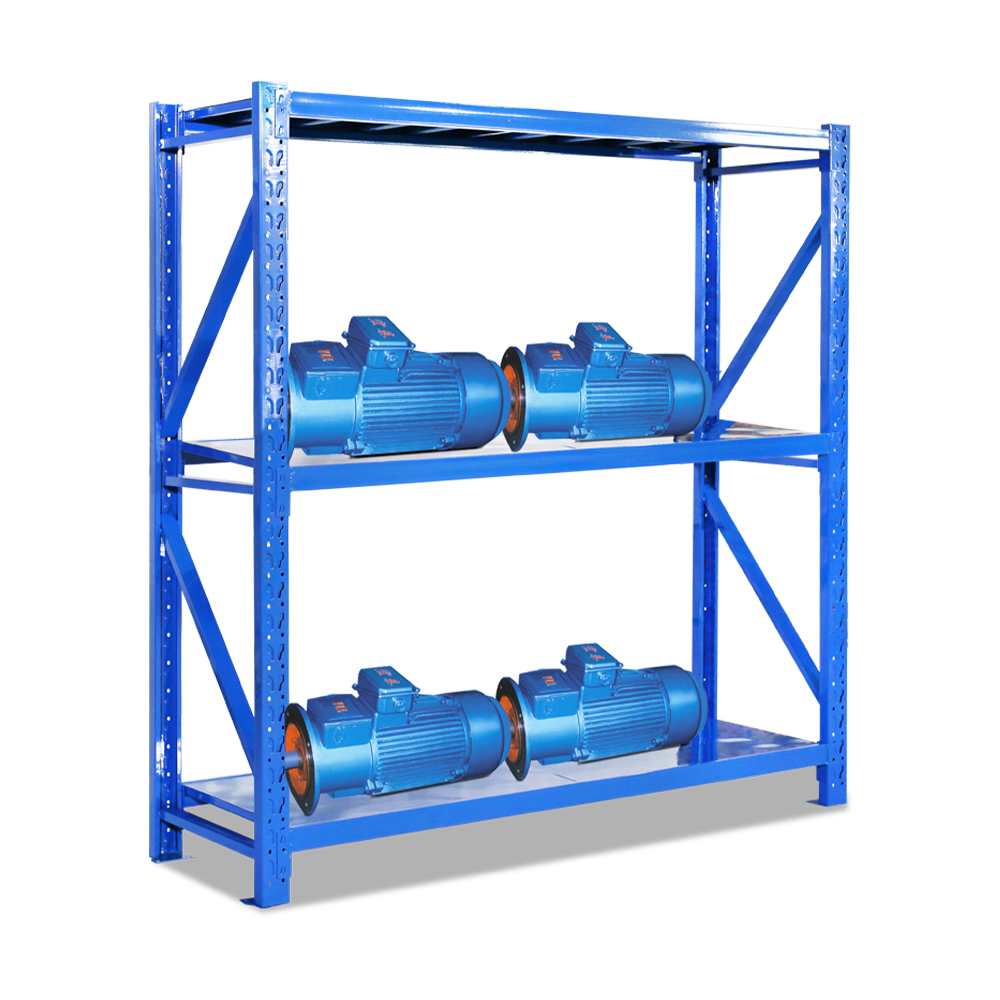
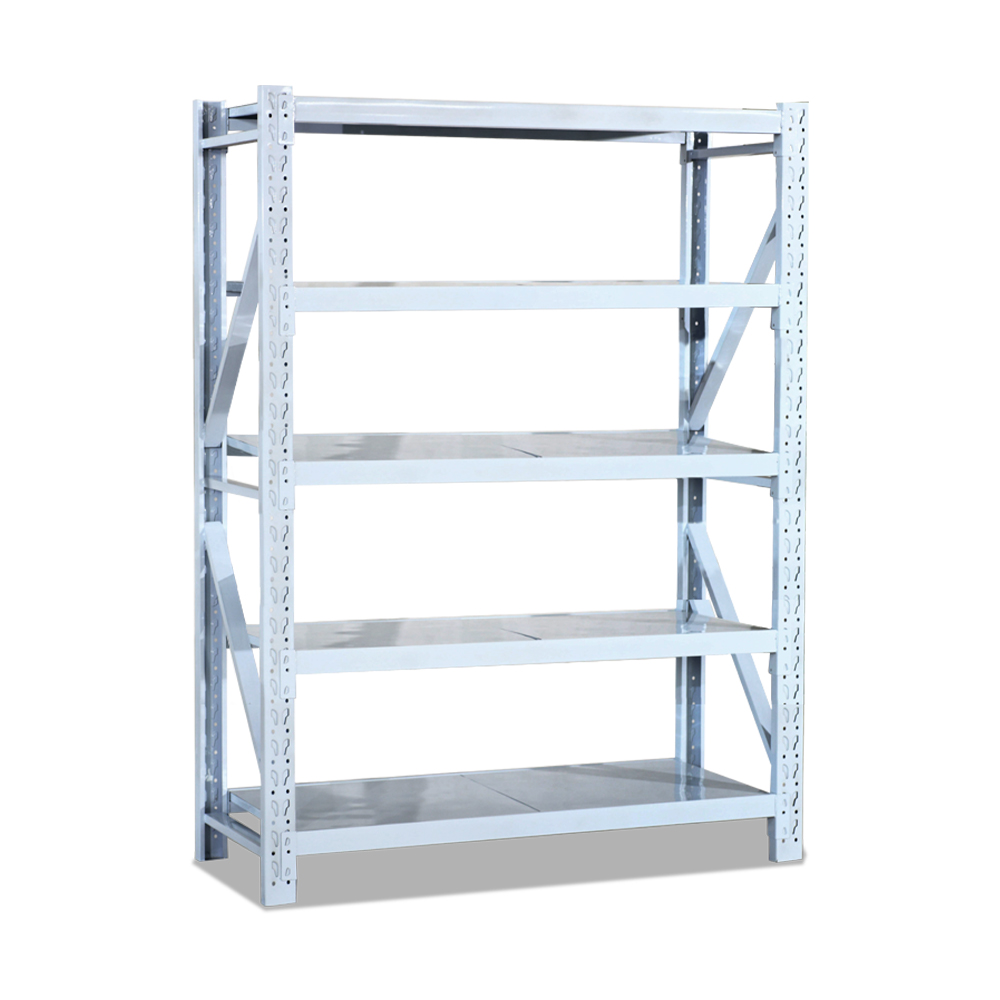
Medium-Duty Rack (with a load capacity of 250-500kg per layer) is designed for the following application scenarios:
Core Application Scenarios
·Warehouses: Ideal for storing mid-weight goods, inventory, raw materials, and packaged products, suitable for general warehouse storage and sorting.
·Workshops: Perfect for organizing tools, spare parts, mechanical components, and semi-finished products, meeting the storage needs of light industrial processing.
·Commercial Logistics Centers: Used for sorting and storing goods in medium-sized logistics hubs, retail distribution centers, and wholesale markets.
This rack features high-strength construction, flexible assembly, and adjustable height, making it highly suitable for mid-load storage requirements in industrial and commercial environments.
What Sets Us Apart
Who We Are
Better Shelving, Better Business
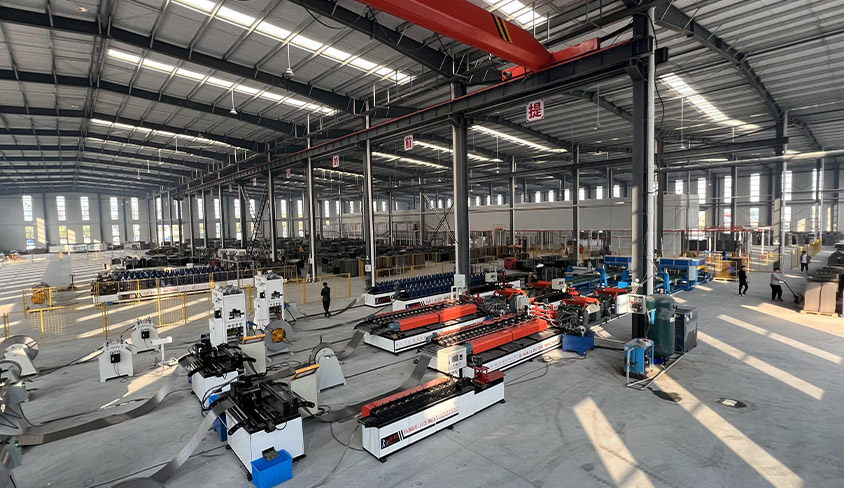
Shanghai King Global Shelf Co.,Ltd. is a leading manufacturer of shelving and storage solutions for
logistics and warehousing. Specializing in home racks, industry heavy-duty shelving, and warehouse
optimization systems. Founded in 2010, we have built strong production capability with a modern facility,
experienced team, and reliable quality control. We are China Medium Duty Rack Supplier and Wholesale Medium Duty Rack Factory, our products are designed to improve display, storage
efficiency, and space utilization for different markets. With stable quality, flexible solutions,
and responsive service, we support customers in both domestic and overseas markets.
About Us


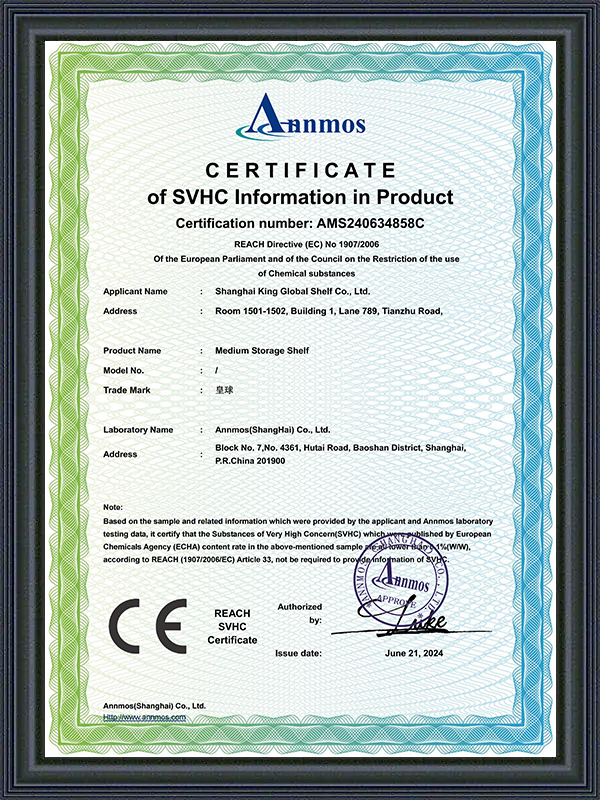
Honor
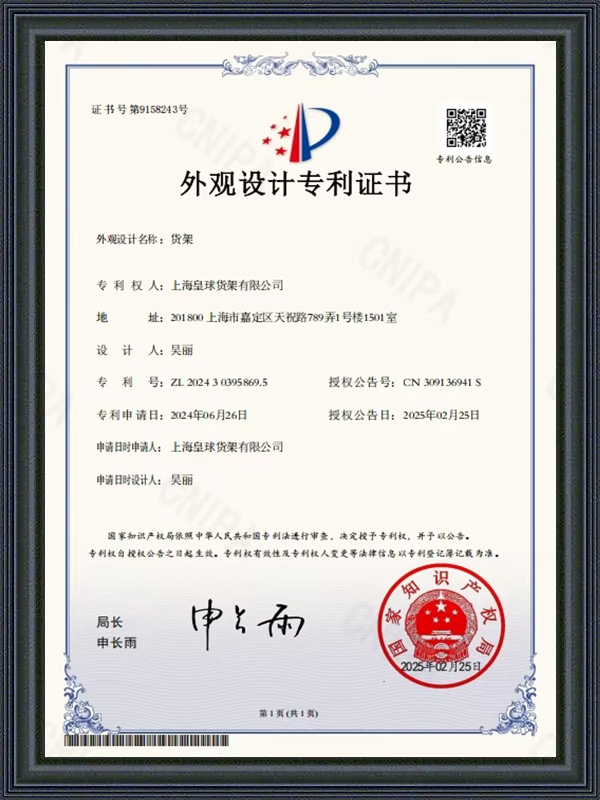
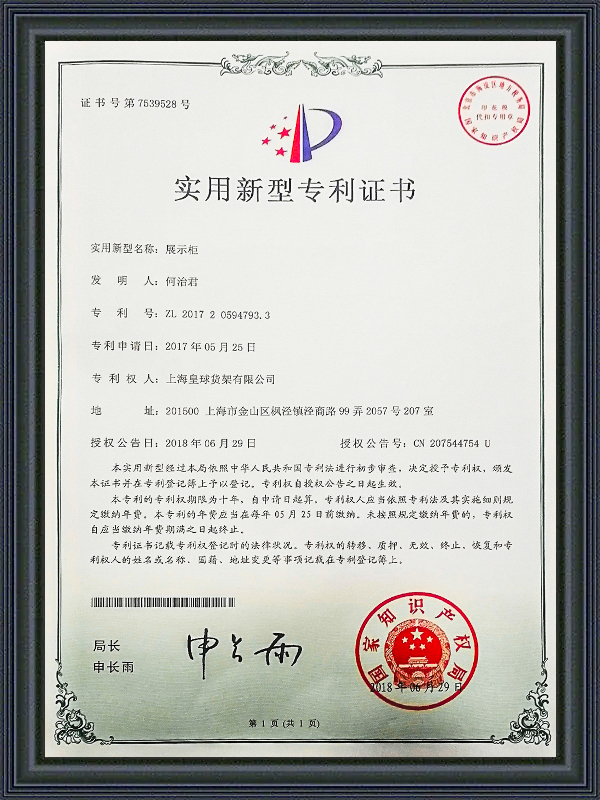
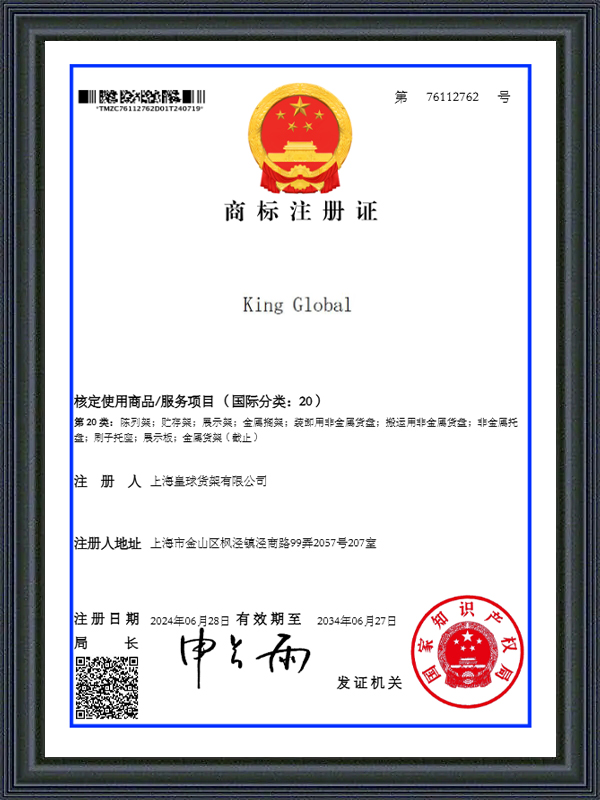
Certificate Of Honor
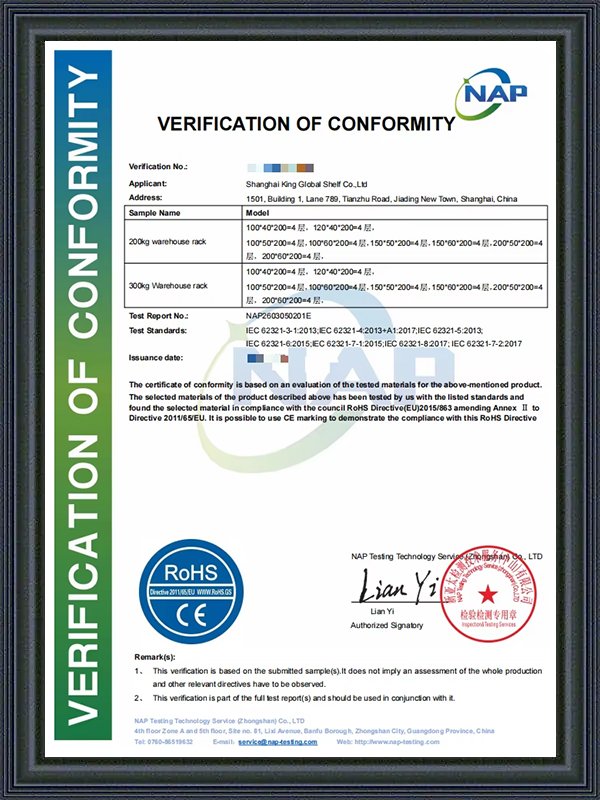
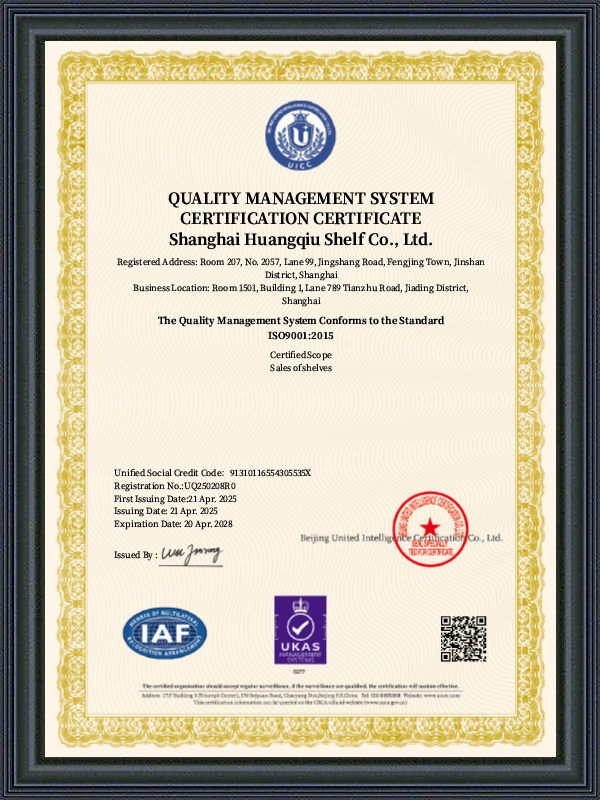
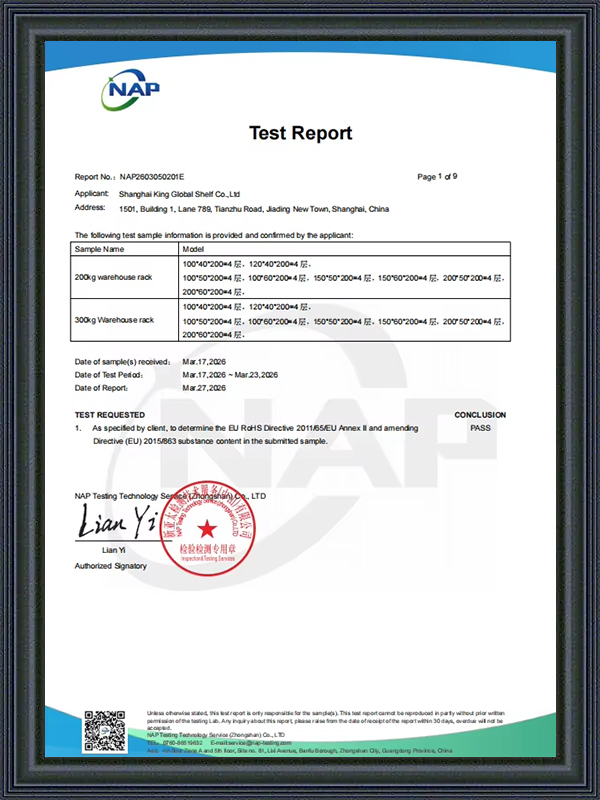
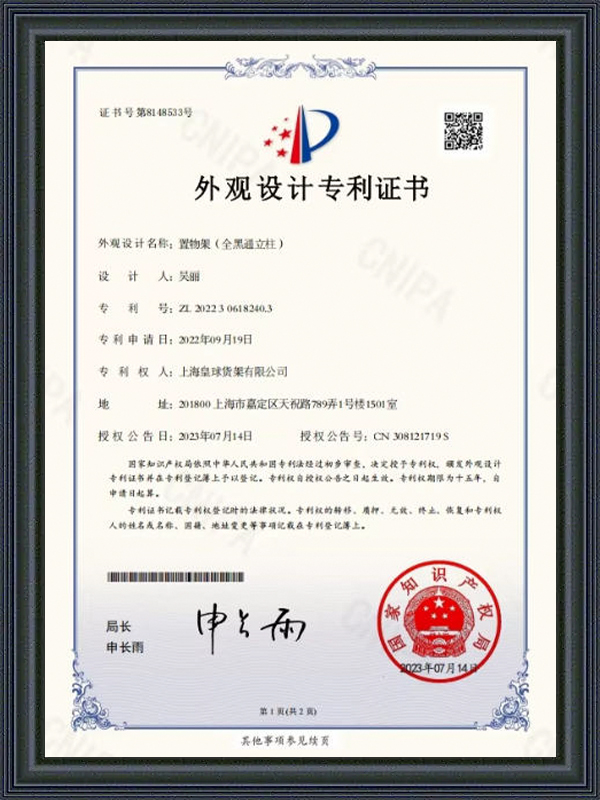
-

 2026-09-21
 Industry News
-
2026-09-15
Industry News
-
2026-09-08
Industry News
-
2026-09-01
Industry News
Feedback
Message Feedback
Knowledge
Medium Duty Rack Industry knowledge
1. Overview of Medium Duty Rack Systems
A Medium Duty Rack is a shelving structure engineered to hold moderate loads, generally within a range of 250 to 500 kilograms per layer, positioning it between light duty shelving and heavy duty pallet racking. This category of storage equipment is built around a frame of vertical uprights, horizontal beams, and shelf panels, forming a stable and repeatable module that can be extended across a warehouse or workshop floor. The structure of a medium duty rack allows it to carry boxed goods, bins, cartons, and moderately sized components without requiring the reinforced steel sections typically used in heavy pallet systems. Because the layers can be spaced and adjusted according to inventory height, a medium duty rack is often chosen when storage needs fall between small parts organization and full pallet handling. Across many industries, this rack type provides a practical balance between capacity, flexibility, and ease of installation.
The versatility of a medium duty rack comes from its modular design, which permits reconfiguration as inventory patterns change over time. Beams can typically be repositioned along the upright frame to accommodate taller or shorter items, and additional bays can be added laterally to expand storage width. This adaptability makes the medium duty rack a common choice in environments where product mix and order volume fluctuate throughout the year. Unlike fixed shelving units, a properly designed medium duty rack system supports incremental growth, allowing a facility to scale its storage capacity without replacing the entire structure.
2. Structural Design and Working Principle
(1) Core Components
The working principle of a medium duty rack is based on load distribution through a triangulated frame. Vertical uprights, usually formed from cold rolled steel profiles, bear the majority of the compressive load and transfer it to the floor through base plates. Horizontal beams connect opposing uprights and support the shelf panels, distributing the weight of stored goods evenly across the frame. Diagonal or cross bracing is often incorporated into the upright frame to resist lateral sway and improve overall rigidity. Shelf panels, which may be particleboard, wire mesh, or steel panels depending on the application, rest on the beams and provide the actual storage surface for boxes, totes, or loose items.
(2) Load Capacity Comparison Across Rack Categories
Before examining the chart below, it is useful to understand how a medium duty rack compares with other common shelving categories in terms of per layer load capacity. Storage equipment is generally grouped into three broad categories based on how much weight each shelf level is designed to hold. Light duty shelving is intended for small parts, documents, and low volume items, while medium duty racking sits in the middle range suited for cartons, bins, and mixed inventory. Heavy duty and pallet racking is reserved for palletized goods and higher volume distribution environments. The chart below presents an illustrative comparison of the typical per layer load ranges associated with each category, helping to clarify where a medium duty rack fits within the broader storage equipment landscape.
The bar chart above illustrates a general pattern found across the storage equipment industry, showing how load capacity increases progressively from light duty through medium duty to heavy duty categories. As shown in the chart, light duty shelving occupies the lowest range, typically supporting up to around 200 kilograms per shelf, which makes it suitable for small components and lightweight cartons. The medium duty rack occupies the central position, with a per layer capacity commonly falling between 250 and 500 kilograms, reflecting its role as a bridge between light storage and full pallet handling. This middle position is precisely why the medium duty rack is favored in retail warehouses, e-commerce fulfillment centers, and light manufacturing environments where inventory is heavier than small parts but does not require palletized handling. Heavy duty and pallet racking extends beyond 500 kilograms per layer, often supported by pallet loads placed directly onto the beams rather than individual shelf panels. The gradual progression shown in the chart also reflects differences in frame thickness, beam profile depth, and bracing density used across the three categories. A thicker upright profile and deeper beam section are generally required to support higher loads, which is why heavy duty frames appear visually larger than medium duty frames in practice. For a facility evaluating its storage needs, this comparison helps clarify that a medium duty rack is not simply a smaller heavy duty rack, but a distinct category optimized for a specific load band. Selecting the correct category based on actual inventory weight helps avoid both under-utilization of an oversized heavy duty system and structural strain from underrating a light duty shelf. The chart therefore serves as a starting reference point for facilities comparing their inventory profile against available rack categories before making a final selection.
3. Common Types and Characteristics of Medium Duty Racks
Medium duty racking is available in several configurations, each suited to slightly different storage patterns. Understanding these variations helps facilities choose a layout that matches their operational workflow.
- Boltless rivet shelving: assembled using a rivet and slot connection system, allowing quick setup without tools and simple height reconfiguration.
- Longspan shelving: features wider bay spans, suitable for bulky cartons or irregular shaped items that do not fit standard bin dimensions.
- Adjustable beam racking: uses beams that lock into upright frames at multiple height positions, offering flexible reconfiguration as inventory changes.
- Mezzanine-compatible racking: designed to support a raised platform level above the ground floor, effectively doubling usable storage area within the same footprint.
Each of these configurations shares the common characteristic of a medium duty rack: a load range suited to cartons, bins, and mixed inventory, combined with a frame that allows adjustment without extensive structural rework. This flexibility is one of the defining characteristics that separates medium duty racking from more rigid, fixed shelving formats.
4. Application Scenarios and Selection Points
(1) Core Application Scenarios
A medium duty rack is applied across a wide range of settings where inventory weight and handling frequency fall into a moderate range.
- Warehouses: storing mid-weight goods, inventory, raw materials, and packaged products for general storage and sorting activities.
- Workshops: organizing tools, spare parts, mechanical components, and semi-finished products for light industrial processing.
- Commercial logistics centers: sorting and storing goods in medium sized logistics hubs, retail distribution centers, and wholesale markets.
(2) Selection Criteria Overview
When comparing storage options, several dimensions are commonly weighed against one another before a final layout is chosen. The radar chart below presents a general evaluation framework covering five dimensions that are frequently considered when assessing shelving suitability for a given facility. This visual is intended as an educational reference rather than a rating of any single product, and it reflects general characteristics associated with medium duty racking as a category. Reviewing these dimensions together can help a facility manager understand the trade offs involved in different storage configurations. The five dimensions include load capacity, assembly flexibility, space efficiency, durability, and versatility across different inventory types.
The radar chart above illustrates how a medium duty rack typically scores across five commonly referenced evaluation dimensions relative to the maximum possible range on each axis. As the shaded area shows, this rack category tends to score moderately high on assembly flexibility, since most medium duty systems use adjustable beam connections that allow reconfiguration without specialized tools. Space efficiency is also represented as relatively strong, reflecting the ability of medium duty racks to be arranged in multiple bays and levels within a limited footprint. Versatility appears prominently in the chart because this rack category accommodates a broad mix of inventory types, from boxed goods to mechanical components, without requiring specialized attachments. Durability is shown at a moderate level, consistent with the steel construction used in most medium duty frames, though it remains below the durability level typically associated with heavier pallet racking systems built for continuous mechanical handling. Load capacity sits toward the middle of the chart, reinforcing its position between light duty and heavy duty categories discussed earlier in this article. When a facility overlays its own priorities onto a chart like this, it becomes easier to see whether a medium duty rack aligns with operational needs or whether a different category might be more appropriate. For example, a facility prioritizing maximum load capacity above all other factors may lean toward heavy duty racking instead. Conversely, a facility that values frequent reconfiguration and moderate load handling is likely to find the profile of a medium duty rack well matched to its requirements. This type of comparative visualization is a practical tool during the early planning stage of a warehouse layout project. It also helps illustrate why selection should never rely on a single factor such as load alone, but rather a combined view of several operational priorities.
5. Comparing Medium Duty Racks with Other Categories
The table below summarizes general differences between light duty, medium duty, and heavy duty racking categories across several practical dimensions, providing a reference point for facilities comparing available options.
| Category | Typical Load Per Layer | Common Material | Typical Use Case |
|---|---|---|---|
| Light Duty Rack | 100-200 kg | Cold rolled steel, particleboard | Small parts, documents, low volume SKUs |
| Medium Duty Rack | 250-500 kg | Cold rolled or hot rolled steel | Cartons, bins, mixed inventory, retail and fulfillment stock |
| Heavy Duty Rack | 500 kg and above | Hot rolled steel | Palletized goods, high volume distribution |
As shown in the table, the medium duty rack occupies a distinct position that separates it from both lighter and heavier alternatives, particularly in terms of the balance between structural material and adjustability. This positioning is a central reason why the medium duty rack remains one of the most widely applied categories across general warehousing and light industrial storage.
6. Assembly and Height Adjustment Principles
One of the practical advantages of a medium duty rack lies in how its beam height can be adjusted along the upright frame. Before reviewing the line chart below, it helps to understand that most medium duty uprights include a series of connection points spaced at regular intervals along their height. These connection points allow beams to be repositioned to create shorter or taller shelf compartments depending on the size of the items being stored. The chart illustrates how the number of available connection points relates to the range of usable shelf configurations across a typical upright frame. This adjustability is a defining feature that distinguishes modular medium duty racking from fixed shelf units.
The line chart above shows a generalized upward relationship between the number of connection points along an upright frame and the number of usable shelf configurations that can be created. As the chart demonstrates, an upright with only two connection points offers limited flexibility, restricting the rack to a single fixed shelf spacing. As the number of connection points increases, represented along the horizontal axis, the number of practical configurations rises correspondingly, shown by the upward trend of the line. This relationship is central to why a medium duty rack with finely spaced connection points can accommodate a wider variety of item heights within the same physical footprint. A facility storing uniform carton sizes may not require many configuration options, while a facility with mixed inventory heights benefits significantly from a densely spaced upright. The chart also indicates that returns from additional connection points continue increasing steadily rather than plateauing early, suggesting that finer adjustment intervals consistently add practical value up to a reasonable point. In real installations, connection points are commonly spaced at regular intervals such as every fifty millimeters, giving installers fine control over beam height. This level of adjustability also supports future changes in inventory strategy, since a facility can reconfigure shelf spacing without purchasing new frames. From an operational standpoint, this reduces downtime associated with layout changes and supports more efficient use of vertical warehouse space. The relationship depicted in the chart is therefore not just a structural detail but a factor that directly influences long term storage flexibility. Facilities planning for seasonal inventory changes or evolving product lines often prioritize uprights with a higher density of connection points for this reason. Overall, the chart reinforces why adjustability is frequently listed among the practical advantages of medium duty racking systems.
7. Maintenance Guidance for Medium Duty Racks
Regular maintenance helps preserve the structural performance of a medium duty rack over its service life. Before reviewing the column chart below, it is worth outlining the general categories of inspection that facilities commonly schedule for racking systems. These categories range from simple visual checks performed frequently to more detailed structural reviews performed less often. Understanding the relative frequency of each inspection type helps facility staff plan a maintenance routine that fits their operational schedule. The chart below presents a general illustration of how often each inspection category is commonly scheduled within a calendar year.
The column chart above provides a general overview of how frequently different inspection categories are commonly scheduled for racking systems in a typical facility. Visual inspection appears as the most frequent category, often conducted on a monthly basis by warehouse staff who look for visible damage, misaligned beams, or signs of impact from forklifts and other equipment. Structural inspection is shown at a lower frequency, commonly reviewed on a quarterly basis, involving a closer look at bolt tightness, frame alignment, and any signs of bending along the uprights or beams. Load review, which involves confirming that stored weight remains within the intended range for each shelf level, is depicted at an even lower frequency, often reviewed twice per year as inventory patterns shift. Deep inspection, representing the most thorough review of the entire rack system, is shown at the lowest frequency, typically conducted once annually or when a facility undergoes a significant layout change. This general pattern reflects a common approach in warehouse maintenance planning, where lighter and more frequent checks are paired with less frequent but more detailed reviews. Following a routine along these lines can help identify early signs of wear, such as surface corrosion, loose fasteners, or beam deflection, before they progress into larger structural concerns. Cleaning shelf surfaces regularly also supports maintenance efforts by making it easier to visually spot cracks, dents, or paint damage during routine checks. Keeping aisles clear around a medium duty rack further reduces the likelihood of accidental impact from material handling equipment. Facilities that document each inspection cycle, including dates and observations, tend to build a clearer picture of how their racking system performs over time. This kind of structured maintenance approach supports the long term serviceability of a medium duty rack across years of continuous warehouse operation.
8. Manufacturing Background and Production Considerations
The performance of any medium duty rack depends heavily on the consistency of the manufacturing process behind it, including steel selection, welding precision, and surface treatment. Shanghai King Global Shelf Co., Ltd., established in 2010, has developed production capability centered on shelving and storage solutions for logistics and warehousing applications, including medium duty rack systems designed for retail warehouses, fulfillment centers, and light manufacturing environments. Facilities that source racking components benefit from consistent frame dimensions and repeatable beam connections, since even small variations can affect how evenly a load is distributed across a bay. A stable production process also supports the layout planning discussed earlier in this article, since predictable component sizing makes it easier to calculate bay counts, aisle widths, and vertical clearance during the design stage. Corrosion resistant surface finishing is another factor that contributes to the long term condition of a medium duty rack, particularly in environments with fluctuating humidity or occasional exposure to dust and moisture. Beyond the physical rack components, planning support such as layout consultation can help align a facility's specific storage requirements with an appropriate rack configuration before installation begins.
9. Frequently Asked Questions
(1) What load range does a medium duty rack typically support?
A medium duty rack generally supports a per layer load in the range of 250 to 500 kilograms, positioning it between light duty shelving and heavy duty pallet racking in terms of capacity.
(2) How is a medium duty rack different from light duty shelving?
Light duty shelving is designed for smaller, lighter items such as documents or small parts with a lower per layer load range, while a medium duty rack is built with a sturdier frame to handle cartons, bins, and heavier mixed inventory.
(3) Can the shelf height of a medium duty rack be adjusted after installation?
Most medium duty rack systems use beams that connect to the upright frame at multiple height positions, allowing shelf spacing to be reconfigured as inventory sizes change over time.
(4) What environments are suitable for medium duty racking?
A medium duty rack is commonly applied in warehouses, workshops, and commercial logistics centers where inventory consists of packaged goods, tools, spare parts, and mixed products requiring moderate load support.
(5) How often should a medium duty rack be inspected?
Visual checks are commonly performed on a frequent basis, while more detailed structural reviews and deep inspections are typically scheduled at longer intervals, such as quarterly or annually, depending on facility usage patterns.
10. Summary
A medium duty rack provides a practical storage solution for facilities handling moderate weight inventory across warehouses, workshops, and commercial logistics centers. Its position between light duty and heavy duty categories, combined with adjustable beam configurations and a range of layout options, makes it a widely applied choice for mid-weight storage requirements. Understanding the structural principles, common types, selection criteria, and maintenance practices associated with a medium duty rack supports better decision making during the planning and operation of a warehouse storage system.
Get exclusive deals and early access to new products.
Experienced staff and experts are always available to provide you with professional guidance and solutions to technical problems.
Mobile
-
Quick Links
Home Products Cooperation Cases Company Service News Contact Us -
Product
Warehouse Rack Pallet Racking Mezzanine Racking Cantilever Racks Supermarket Shelf Office & Home Shelves -
Contact Us

E-mail: liwu78465@gmail.com

WhatsApp: 8613761540945

China Tel: +86-13761540945
Thailand Tel: +66 99 109 1956 (Line Same)
Thailand Tel: +66 92 242 5845 (Line Same)

China Address:Room 1501, Building 1, Lane 789, Tianzhu Road, Jiading District, Shanghai, China.
USA Address: 23787 Eichler St, Unit G, Hayward, CA 94545.
Malaysia Address: METROHUB 2 Warehouse 4, Lot 109363, Persiaran Bukit Rajakayangan/KU5,Bandar Bukit Raja, 41050 Klang, Selangor Darul EhsanReturn to Gate 81, Malaysia.
Thailand Address:จังหวัดสมุทรปราการ อำเภอบางเสาธง ตำบลบางเสาธง 32/7 หมู่7 ถนนบางพลี-ตำหรุ บางพลีใหญ่ Bang Phli District, Samut Prakan 10540,(TH)
Copyright ©
Shanghai King Global Shelf Co.,Ltd.
All Rights Reserved.
Medium Duty Rack Supplier
Wholesale Medium Duty Rack Factory
