


 English
  Español
  русский
  Français
  한국어
한국어  عربى
عربى  ไทย
ไทย  Deutsch
  Bahasa Melayu
  Português
  Polskie
China Tel: +86-13761540945
Thailand Tel: +66 99 109 1956
Thailand Tel: +66 92 242 5845
liwu78465@gmail.com



File cabinets Supplier
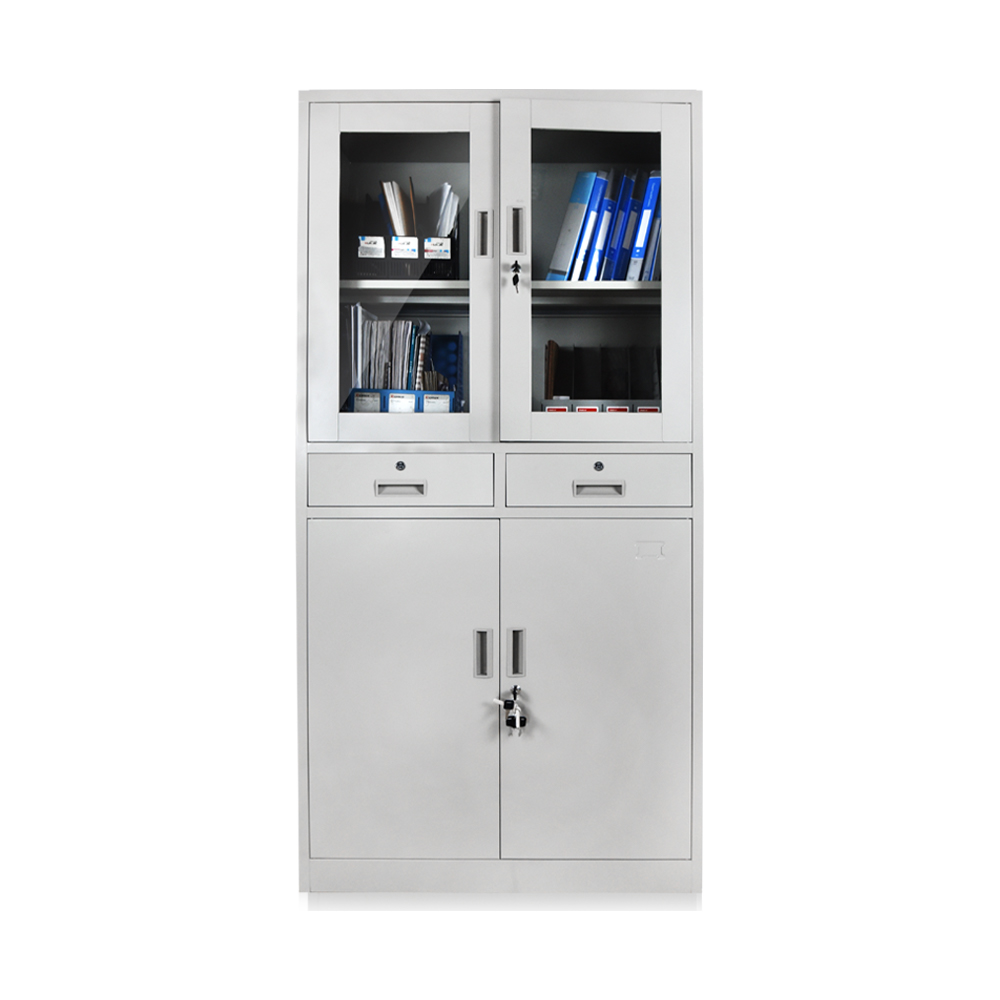
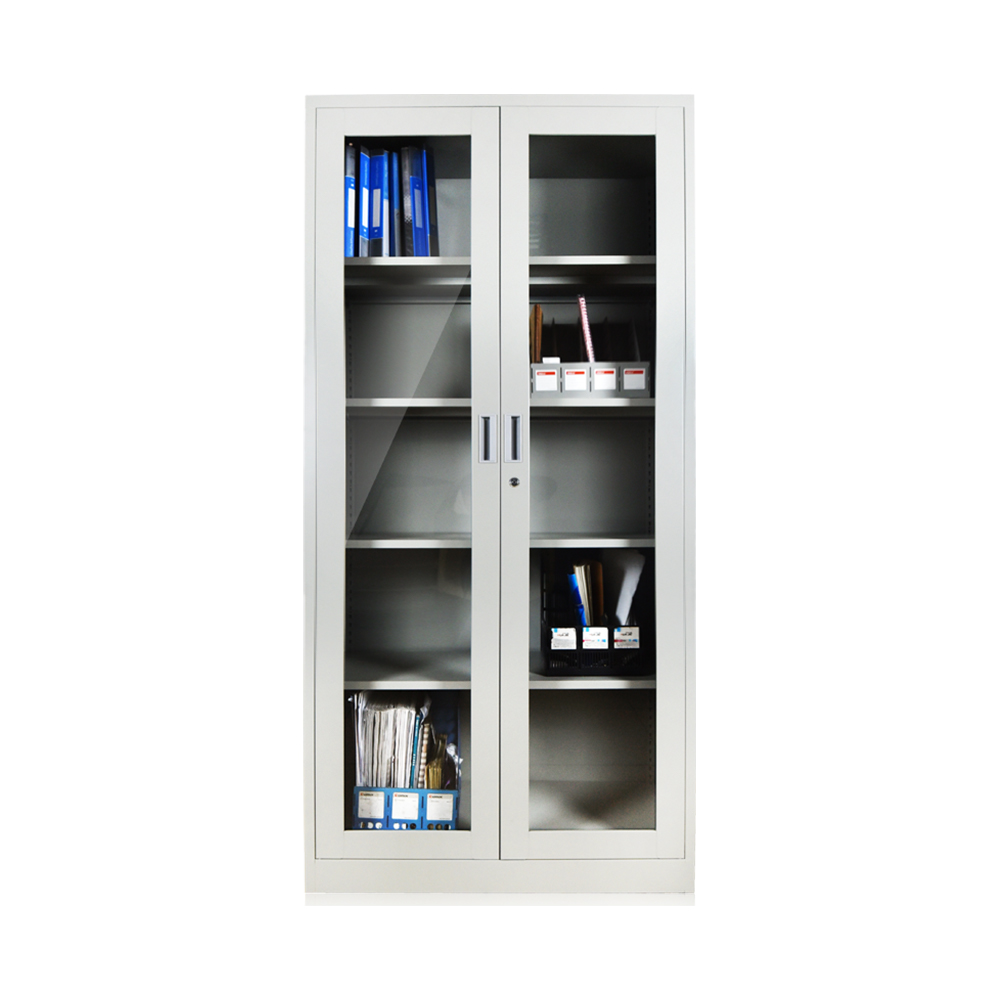
This lockable metal file cabinet combines glass-front compartments, drawers, and enclosed storage to keep documents organized and secure. The sleek, durable design is perfect for professional office use.
Applications
·Offices: Storing confidential files, contracts, and records.
·Workspaces: Organizing stationery, folders, and equipment.
·Home offices: Securing personal documents and paperwork.
What Sets Us Apart
Who We Are
Better Shelving, Better Business
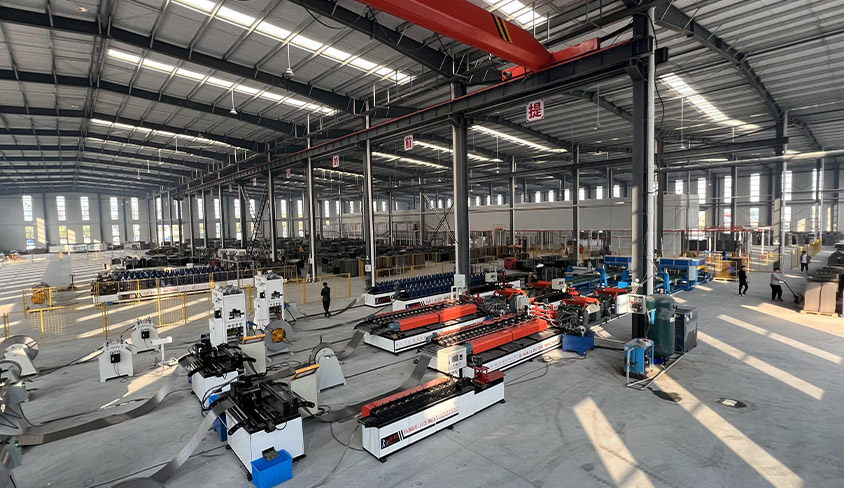
Shanghai King Global Shelf Co.,Ltd. is a leading manufacturer of shelving and storage solutions for
logistics and warehousing. Specializing in home racks, industry heavy-duty shelving, and warehouse
optimization systems. Founded in 2010, we have built strong production capability with a modern facility,
experienced team, and reliable quality control. We are China File cabinets Supplier and Wholesale File cabinets Factory, our products are designed to improve display, storage
efficiency, and space utilization for different markets. With stable quality, flexible solutions,
and responsive service, we support customers in both domestic and overseas markets.
About Us


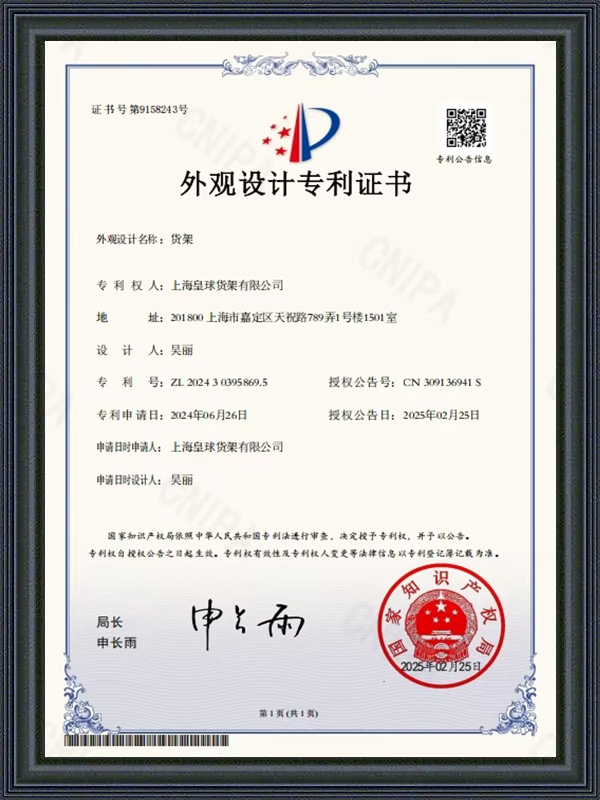
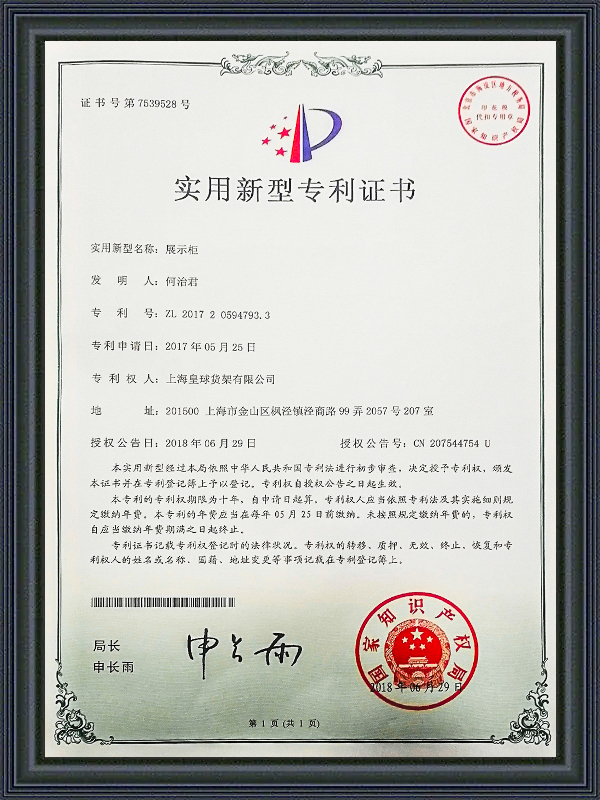
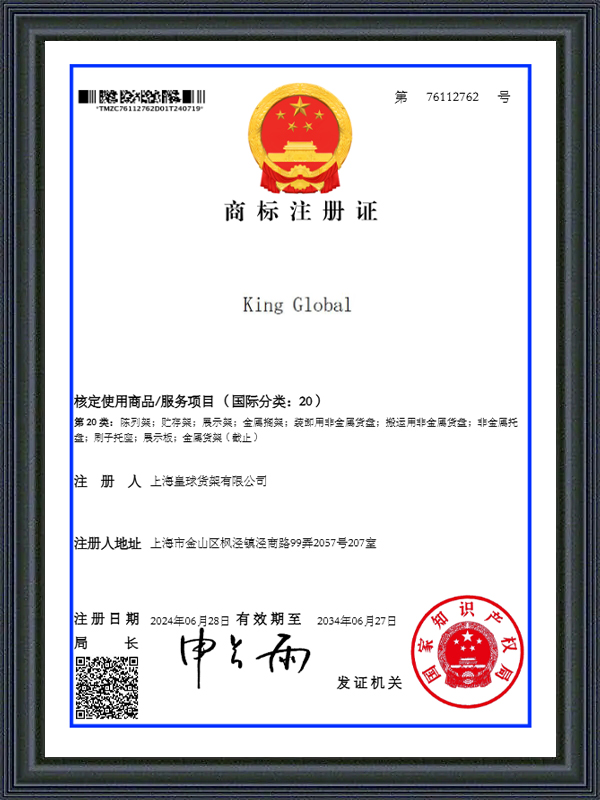
Honor
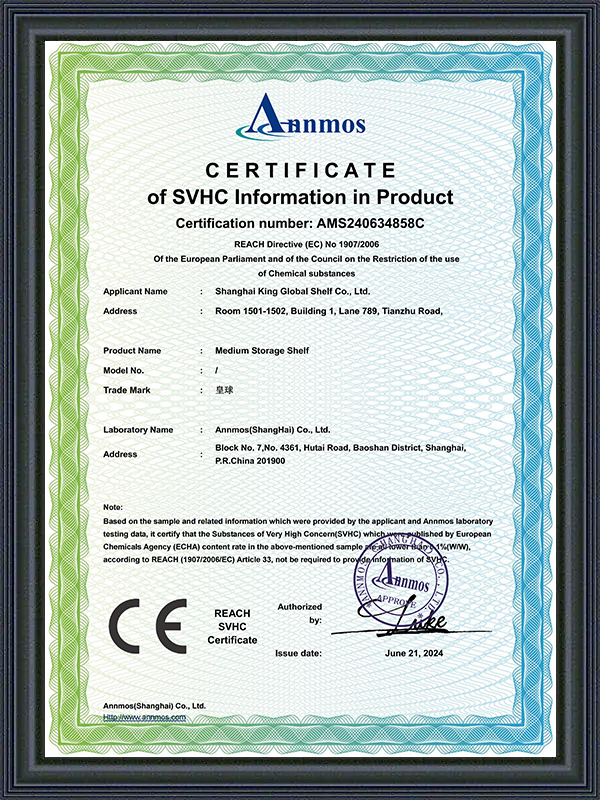
Certificate Of Honor
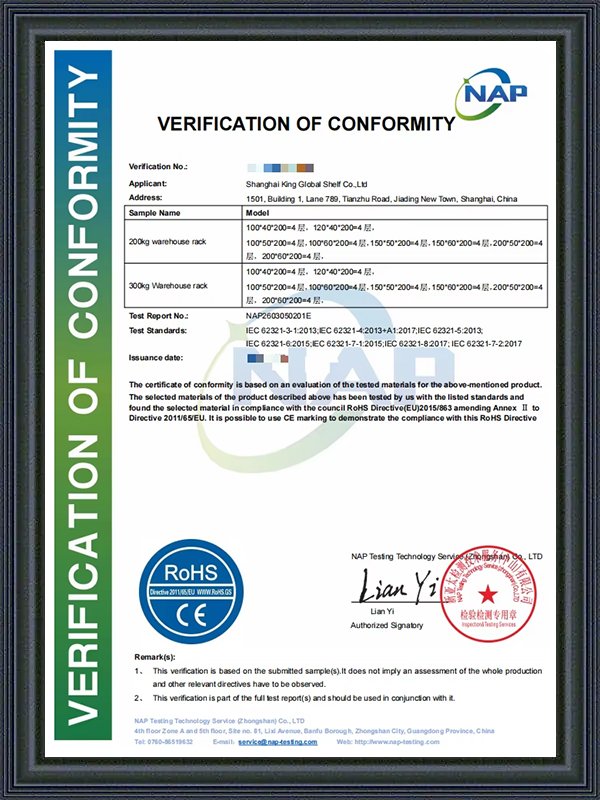
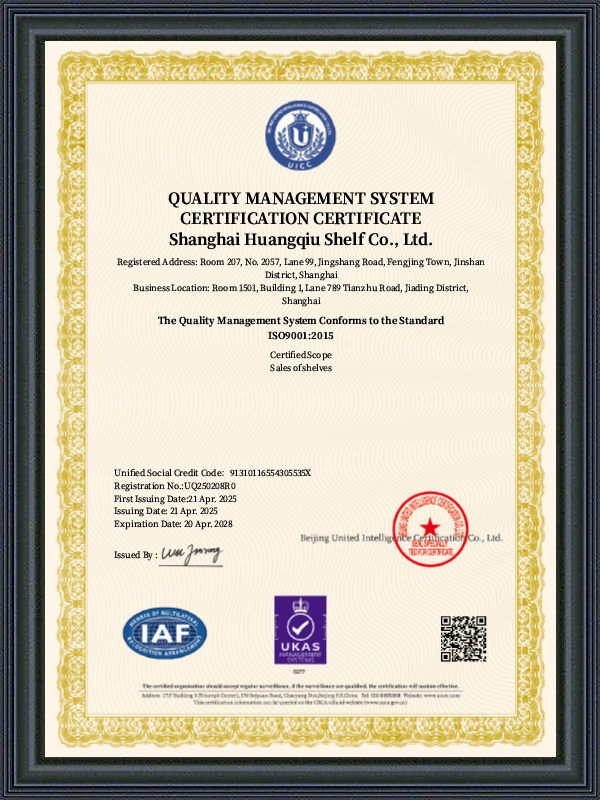
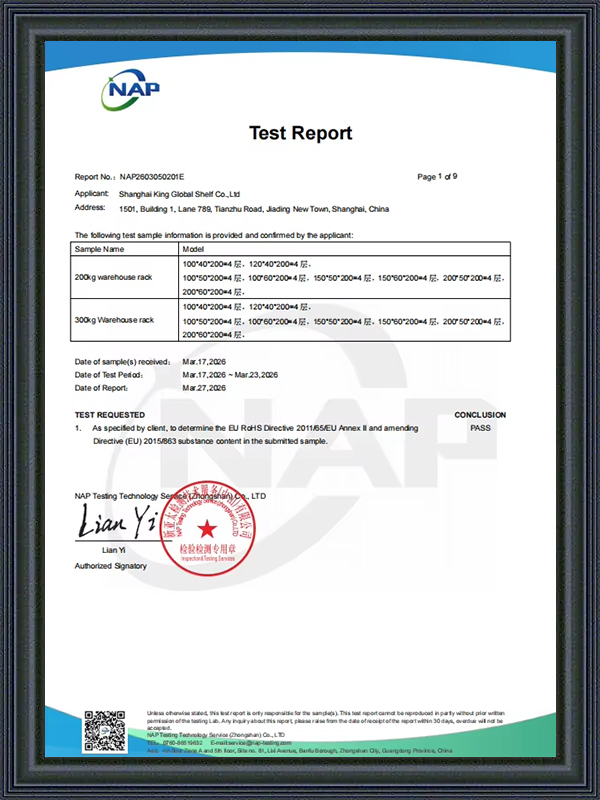
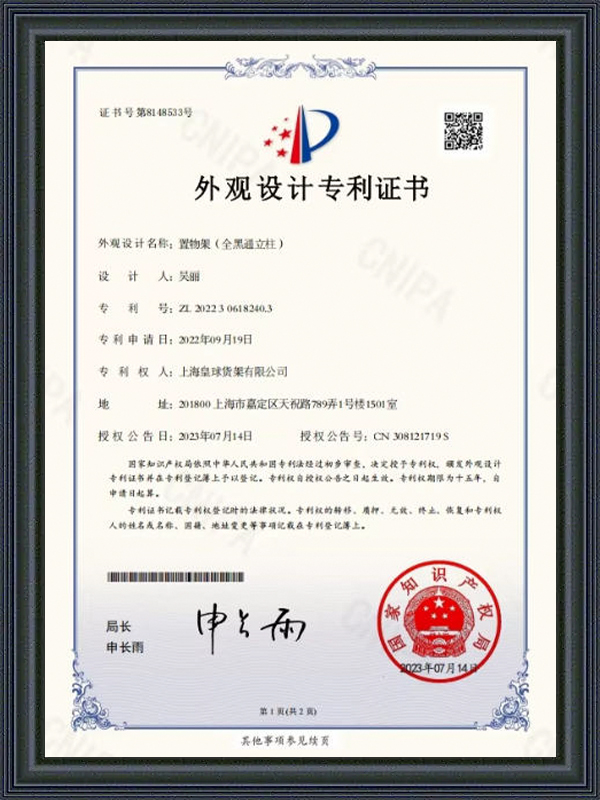
-

 2026-09-21
 Industry News
-
2026-09-15
Industry News
-
2026-09-08
Industry News
-
2026-09-01
Industry News
Feedback
Message Feedback
Knowledge
File cabinets Industry knowledge
A file cabinet is a piece of storage furniture built around a frame of lockable drawers, shelves, or compartments used to hold paper documents, folders, and small office supplies in an organized and secure arrangement. For offices, workspaces, and home offices that manage confidential records, contracts, or day-to-day paperwork, a lockable metal file cabinet with glass-front compartments and enclosed drawers provides a practical way to keep documents both accessible and protected. This article looks at the main types of file cabinets, how their structure supports different storage needs, the criteria used to select a cabinet for a given environment, and the maintenance steps that keep a metal file cabinet functional over years of daily use.
A lockable metal file cabinet combines enclosed drawers, a glass-front compartment, and a central locking mechanism to keep documents both organized and secure.
What Is a Lockable Metal File Cabinet
A lockable metal file cabinet is a storage unit built from steel or coated metal panels, combining one or more of the following elements: pull-out drawers for hanging folders, a glass-front compartment for visible storage of binders or reference material, and fully enclosed sections with a locking mechanism. The metal frame gives the cabinet a rigid structure that resists warping under the weight of paper files, while the drawer slides and hinges allow repeated daily opening and closing without loosening.
A single lock cylinder, typically positioned on one drawer or on the cabinet frame, is often connected through a rod mechanism that secures multiple drawers or compartments at once. Adjustable interior shelves inside the glass-front section let users configure the storage layout for binders, boxes, or stacked paper, and the base frame raises the cabinet slightly off the floor to reduce moisture contact and ease cleaning underneath. This combination of drawer storage, visible compartment storage, and a central locking system is what distinguishes a file cabinet from open shelving or a basic storage rack.
A single lock cylinder connected to a rod mechanism can secure multiple drawers or compartments in one motion.
Common Types of File Cabinets and Their Features
File cabinets are generally grouped by drawer orientation, mobility, and enclosure style, and each type is suited to a different combination of document volume and office layout.
Vertical File Cabinets
Drawers stack front to back with a narrow footprint, suited to offices with limited floor space. Lateral File Cabinets
Wider, side-to-side drawers hold hanging folders parallel to the front, suited to higher document volume. Mobile or Rolling Cabinets
Caster-mounted units that can be repositioned between desks, typically with smaller capacity. Multi-Compartment Lockable Cabinets
Combine drawers with a glass-front section, separating confidential files from frequently checked material. Specialized Storage Cabinets
Stainless steel units for clean or humid areas and cold-resistant units for low-temperature storage.
Selecting among these types generally depends on how often files are retrieved, how many people share access to the cabinet, and whether the storage location changes over time.
Cabinet selection depends primarily on retrieval frequency, shared access, and whether the storage location changes over time.
Structural Design and Core Components
The diagram below breaks down the main structural components of a multi-compartment lockable file cabinet, showing how the glass-front compartment, drawer section, lock cylinder, and base frame are arranged within a single unit.
The upper section of the cabinet is typically reserved for the glass-front compartment, since this area is used for items that are referenced often and benefit from being visible without opening a drawer. Beneath the compartment, the drawer section is divided into two to four separate drawers, each running on metal slides that distribute weight evenly along the side panels.
The lock cylinder is usually installed on the uppermost drawer or on a vertical locking bar that runs down the side of the frame, connecting to hooks or latches on each drawer. When the cylinder is turned, the locking bar shifts vertically and engages all connected drawers simultaneously, which is why a single lock can secure an entire multi-drawer cabinet rather than requiring separate locks on each drawer. Adjustable shelves inside the glass-front compartment are supported by pegs or brackets that can be repositioned at different heights, allowing the internal layout to be adjusted as storage needs change. The base frame sits below the lowest drawer and is reinforced to support the combined weight of the cabinet body and its contents, while also creating a small gap between the drawer mechanism and the floor surface.
A single lock cylinder connected to a vertical locking bar can engage every drawer in a multi-compartment cabinet at once.
Load-Bearing Capacity Comparison Across Cabinet Types
Different file cabinet types are built with varying frame thicknesses, drawer slide mechanisms, and reinforcement patterns, which directly affects how much weight each drawer can reliably support. Light-duty vertical cabinets are generally built for lower paper volumes and simpler slide mechanisms, while heavier configurations use thicker steel panels and reinforced drawer rails. Lateral and mobile cabinets fall between these two extremes, balancing added capacity against the practical limits of wheel-mounted or wider drawer designs. The chart below presents a relative comparison of typical load-bearing capacity across four common cabinet categories, expressed as a general index rather than an exact weight specification. This comparison is intended to guide category-level decisions rather than substitute for the load rating provided with a specific cabinet model.
The chart shows a clear upward pattern as cabinets move from light-duty vertical designs toward reinforced multi-drawer configurations. Light-duty vertical cabinets sit at the lower end of the scale, reflecting their narrower drawer width and thinner steel gauge, which suits smaller offices with lighter paper loads. Standard lateral cabinets occupy a middle position, since their wider drawers require additional reinforcement along the base and side rails to prevent sagging under a full load of hanging folders. Heavy-duty mobile cabinets rank higher on the index despite their smaller footprint, largely because the caster assembly and frame bracing needed to keep a mobile unit stable also adds structural rigidity to the drawer system. Reinforced multi-drawer cabinets show the highest relative capacity in this comparison, reflecting thicker panel gauges, additional cross-bracing, and slide mechanisms rated for repeated heavy use in distribution or archive settings. This pattern generally holds across warehouse-oriented storage furniture as well, where reinforcement and capacity tend to move together rather than being treated as separate design choices. For buyers, the practical takeaway is that document weight and retrieval frequency should be estimated before selecting a cabinet category, since underestimating drawer load over time can accelerate wear on slides and hinges. Cabinets used for archival storage or bulk records tend to benefit from the higher end of this range, while cabinets used mainly for active daily paperwork can often operate well within lighter categories. It is worth noting that these values represent general relative positioning across typical cabinet designs rather than exact figures for any single product line, since actual capacity depends on the specific model, materials, and manufacturing tolerances involved. Facilities managers evaluating multiple departments often use this type of category-level comparison as a starting point before requesting detailed specifications for the models under consideration.
Reinforced multi-drawer cabinets consistently show the highest relative load capacity, while light-duty vertical cabinets sit at the lower end of the scale.
Application Scenarios and Selection Criteria
Choosing a file cabinet type is less about a single specification and more about balancing several criteria against how a space is actually used day to day. Security matters most in settings that store contracts, personnel records, or financial documents, while storage density becomes the priority in archive rooms or departments with limited floor space. Mobility is relevant where cabinets need to move between desks or be repositioned during office reconfiguration, and footprint efficiency affects how much usable floor area a cabinet occupies relative to its storage volume. Durability reflects how well a cabinet holds up under frequent drawer use, humidity exposure, or the general wear of a shared workspace. The radar chart below compares three storage categories, lockable metal file cabinets, open shelving units, and mobile pedestal cabinets, across these five criteria on a relative scale.
The radar chart shows that lockable metal file cabinets score highest on security and durability, which reflects their enclosed drawer design and reinforced frame construction. Open shelving units score lowest on security, since open shelving generally has no locking mechanism and stores items without any enclosure, but this same characteristic gives shelving an advantage in footprint efficiency, where it reaches the highest point on the chart. Mobile pedestal cabinets stand out on the mobility axis, extending furthest along that line because caster wheels allow them to be repositioned without disassembly, though this comes with a tradeoff in storage density compared to fixed lateral or vertical units. Storage density is strongest for lockable file cabinets among the three categories, since their drawer and compartment layout is designed specifically to hold a higher volume of paper files within a compact frame. Footprint efficiency favors open shelving because vertical shelf space can be used without the depth required for drawer slides, though this comes at the cost of reduced security and less protection from dust. The overlapping shape formed by the three polygons illustrates that no single storage category performs best across every criterion, which is why many offices use a combination of cabinet types rather than relying on one format for all storage needs. Offices handling confidential files typically weight security and durability more heavily, making lockable metal cabinets a closer match for records rooms, HR departments, and finance offices. Workspaces that primarily store frequently used reference material, such as catalogs or open project files, may lean toward open shelving or a mix of open and enclosed storage. Home offices generally favor a single compact lockable cabinet that balances security for personal documents with a smaller footprint suited to residential space. The table below summarizes how these three application settings, offices, workspaces, and home offices, typically align with cabinet selection criteria in practice.
| Application Setting | Primary Selection Criteria | Typical Cabinet Type |
|---|---|---|
| Offices | Security, durability | Lockable metal file cabinet with enclosed drawers |
| Workspaces | Footprint efficiency, accessibility | Open shelving or mixed open and enclosed units |
| Home Offices | Security, compact footprint | Single-unit lockable file cabinet |
No single storage format scores highest across every criterion, which is why security-focused, density-focused, and mobility-focused cabinets each fit a different setting.
Typical Internal Storage Configuration
Beyond choosing a cabinet type, the internal layout of a multi-compartment unit affects how efficiently the available space is used for different kinds of documents. A typical lockable file cabinet divides its interior among drawer storage for hanging folders, a glass-front compartment for reference material, adjustable shelf space, and the structural area taken up by the locking mechanism and frame. Drawer storage generally occupies the largest share of interior volume, since hanging folder systems are designed to maximize the number of files per drawer. The glass-front compartment and shelf area take up a smaller but still meaningful portion of the cabinet, reserved for items that benefit from visibility rather than concealment. The chart below illustrates a common proportional breakdown of interior space within a multi-compartment lockable file cabinet.
The donut chart shows drawer storage accounting for the largest segment of interior space, consistent with the role hanging folder drawers play as the primary storage method in most file cabinets. The glass-front compartment makes up a smaller but distinct segment, reflecting its function as a display and quick-access area rather than a high-volume storage zone. Shelf storage within the compartment adds a further segment, giving users flexibility to store binders, boxes, or stacked documents that would not fit efficiently into a hanging folder drawer. The remaining segment, allocated to the locking mechanism and structural frame, is the smallest of the four but plays a role disproportionate to its size, since it determines how securely the entire unit can be locked. This proportional pattern tends to hold across most multi-compartment cabinets marketed for office or archive use, though the exact split can shift depending on whether a model emphasizes drawer capacity or display storage. Cabinets designed primarily for confidential records often increase the drawer storage segment at the expense of the glass-front compartment, since drawers offer full concealment while a glass front does not. Conversely, units intended for reference libraries or catalog storage may enlarge the shelf and compartment segments to accommodate bound materials that do not fit standard hanging folders. Understanding this internal breakdown helps buyers match a cabinet's configuration to the mix of confidential and reference materials they need to store. A department that handles mostly hanging folder files, for example, benefits more from a drawer-heavy configuration, while a department that stores manuals, binders, or supply catalogs may prioritize compartment and shelf space instead. This kind of proportional thinking is a useful starting point when comparing cabinet models that list drawer count, compartment size, and shelf configuration as separate specifications.
Drawer storage typically makes up the largest share of interior space in a multi-compartment file cabinet, followed by shelf storage, the glass-front compartment, and the locking frame.
Detailed Comparison: File Cabinets vs Open Shelving vs Mobile Pedestal Storage
The table below sets out a direct comparison among three common storage formats used in offices and workspaces: lockable metal file cabinets, open shelving units, and mobile pedestal cabinets. Each format is evaluated across the criteria most relevant to day-to-day storage decisions, including security, capacity, mobility, and typical maintenance needs.
| Feature | Lockable Metal File Cabinet | Open Shelving Unit | Mobile Pedestal Cabinet |
|---|---|---|---|
| Security | Enclosed drawers with central lock | No enclosure or lock | Enclosed drawers, often with lock |
| Typical Capacity | Medium to high, hanging folder format | High, open bins or boxes | Low to medium, compact drawers |
| Mobility | Fixed, floor-standing | Fixed, floor-standing | Mobile, caster-mounted |
| Footprint | Moderate, drawer depth required | Efficient, shelf-only depth | Compact, fits under desks |
| Maintenance | Slide lubrication, lock servicing | Dusting, load redistribution | Wheel and slide maintenance |
Lockable metal file cabinets generally provide the strongest combination of security and organized capacity among the three formats, making them a common choice for departments that store contracts, personnel files, or financial records. Open shelving units trade security for footprint efficiency and easier visual scanning of stored items, which suits reference material, catalogs, or supplies that do not require restricted access. Mobile pedestal cabinets prioritize flexibility, allowing storage to move with a workstation or be repositioned during office layout changes, though their smaller drawer size limits how much they can hold compared to fixed lateral or vertical cabinets. In practice, many offices combine these formats rather than standardizing on one, using lockable cabinets for sensitive records, open shelving for shared reference material, and mobile units for personal desk-level storage.
Many offices combine lockable cabinets, open shelving, and mobile units rather than relying on a single storage format for every document type.
Maintenance and Care Guidelines
Routine maintenance keeps a metal file cabinet operating smoothly and extends the working life of its drawer slides, lock mechanism, and surface finish.
- Lubricate drawer slides periodically with a light, non-oily lubricant to prevent sticking, especially in cabinets used multiple times per day.
- Keep the lock cylinder clear of dust with a dry cloth or a small amount of graphite-based lubricant rather than oil-based products, which can attract dust and cause the mechanism to stick over time.
- Wipe metal surfaces with a mild, non-abrasive cleaner to reduce buildup that can lead to surface corrosion, particularly in humid environments.
- Check drawer alignment periodically, since uneven loading of hanging folders can cause a drawer to sit slightly off track, increasing wear on the slide mechanism.
- Avoid overloading a single drawer beyond its designed capacity, as excess weight concentrated in one section can strain the frame and affect how evenly the cabinet sits on the floor.
- Inspect the glass panel and its retaining frame occasionally to confirm it remains secure, since loose glazing can shift during repeated cabinet movement.
Following a regular maintenance routine reduces the likelihood of drawer jamming or lock failure, both of which are among the most common issues reported with heavily used file cabinets.
Regular slide lubrication and drawer alignment checks are the two maintenance steps most likely to prevent jamming over a cabinet's working life.
Manufacturing Standards and Supply Capability
Consistent performance across a batch of file cabinets depends heavily on manufacturing controls applied during production, including material selection, welding quality, and finish coating. Shanghai King Global Shelf Co., Ltd. manufactures shelving and storage solutions for logistics, warehousing, and office environments, with production covering home racks, industrial heavy-duty shelving, warehouse optimization systems, and related storage furniture including file cabinets. Founded in 2010, the company operates a production facility supported by quality control procedures applied across its metal shelving and racking product lines, and supplies both domestic and overseas markets.
Within its storage rack range, the company produces light-duty, medium-duty, and heavy-duty pallet racking, along with custom configurations such as hang clothes racks, tire racks, stainless steel racks for clean environments, and cold-resistant racks for low-temperature storage. This manufacturing background informs the structural design principles described earlier in this article, including reinforced drawer slides, corrosion-resistant finishes, and frame bracing appropriate to the load a given storage unit is expected to carry. Manufacturers working across both office file cabinets and industrial racking generally apply similar engineering considerations, since load distribution, material gauge, and finish durability affect performance in both applications.
Consistent drawer performance and corrosion resistance depend on the same production controls, material selection, and finish coating applied across a manufacturer's shelving and racking lines.
Frequently Asked Questions About File Cabinets
What is the difference between a vertical and a lateral file cabinet?Vertical file cabinets stack drawers front to back and are narrower, which suits offices with limited floor space, while lateral file cabinets have wider drawers that run side to side and typically hold more files per drawer. The choice between the two generally comes down to available floor space and how many hanging folders a department needs to store in a single unit. |
How much weight can a metal file cabinet drawer typically hold?Load capacity varies by cabinet type and construction, with light-duty vertical cabinets generally supporting less weight per drawer than reinforced multi-drawer or heavy-duty configurations. Checking the specific load rating listed for a given model is recommended before loading a drawer with dense materials such as bound records or archive boxes. |
Is a lockable file cabinet suitable for a home office?A compact lockable file cabinet is commonly used in home offices to store personal documents, contracts, and paperwork that should not be freely accessible. Its enclosed drawers and central lock provide a level of security similar to office use, while the smaller footprint fits more easily into residential spaces than larger lateral units. |
How can I prevent a metal file cabinet from sticking or developing surface corrosion?Regular lubrication of drawer slides, periodic cleaning with a non-abrasive cleaner, and avoiding prolonged exposure to high humidity all help reduce sticking and surface corrosion over time. Keeping drawer loads balanced and within the designed capacity also reduces strain on the slide mechanism, which lowers the chance of misalignment. |
What is the main difference between open shelving and enclosed file cabinets for document storage?Open shelving stores items without any enclosure or lock, which makes it efficient for frequently accessed reference material but unsuitable for confidential documents. Enclosed file cabinets add drawers or compartments with a locking mechanism, providing a level of security that open shelving does not offer, at the cost of a somewhat larger footprint for the same visible storage width. |
Get exclusive deals and early access to new products.
Experienced staff and experts are always available to provide you with professional guidance and solutions to technical problems.
Mobile
-
Quick Links
Home Products Cooperation Cases Company Service News Contact Us -
Product
Warehouse Rack Pallet Racking Mezzanine Racking Cantilever Racks Supermarket Shelf Office & Home Shelves -
Contact Us

E-mail: liwu78465@gmail.com

WhatsApp: 8613761540945

China Tel: +86-13761540945
Thailand Tel: +66 99 109 1956 (Line Same)
Thailand Tel: +66 92 242 5845 (Line Same)

China Address:Room 1501, Building 1, Lane 789, Tianzhu Road, Jiading District, Shanghai, China.
USA Address: 23787 Eichler St, Unit G, Hayward, CA 94545.
Malaysia Address: METROHUB 2 Warehouse 4, Lot 109363, Persiaran Bukit Rajakayangan/KU5,Bandar Bukit Raja, 41050 Klang, Selangor Darul EhsanReturn to Gate 81, Malaysia.
Thailand Address:จังหวัดสมุทรปราการ อำเภอบางเสาธง ตำบลบางเสาธง 32/7 หมู่7 ถนนบางพลี-ตำหรุ บางพลีใหญ่ Bang Phli District, Samut Prakan 10540,(TH)
Copyright ©
Shanghai King Global Shelf Co.,Ltd.
All Rights Reserved.
File cabinets Supplier
Wholesale File cabinets Factory
