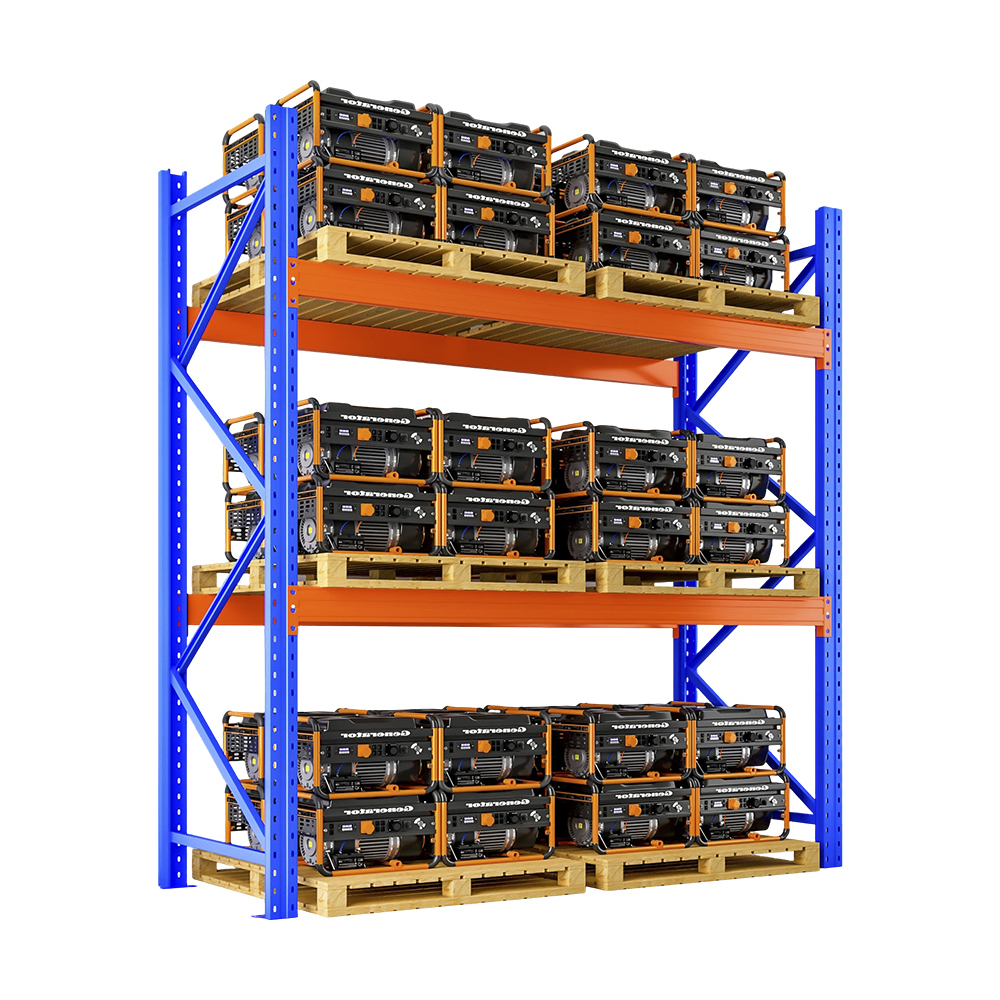
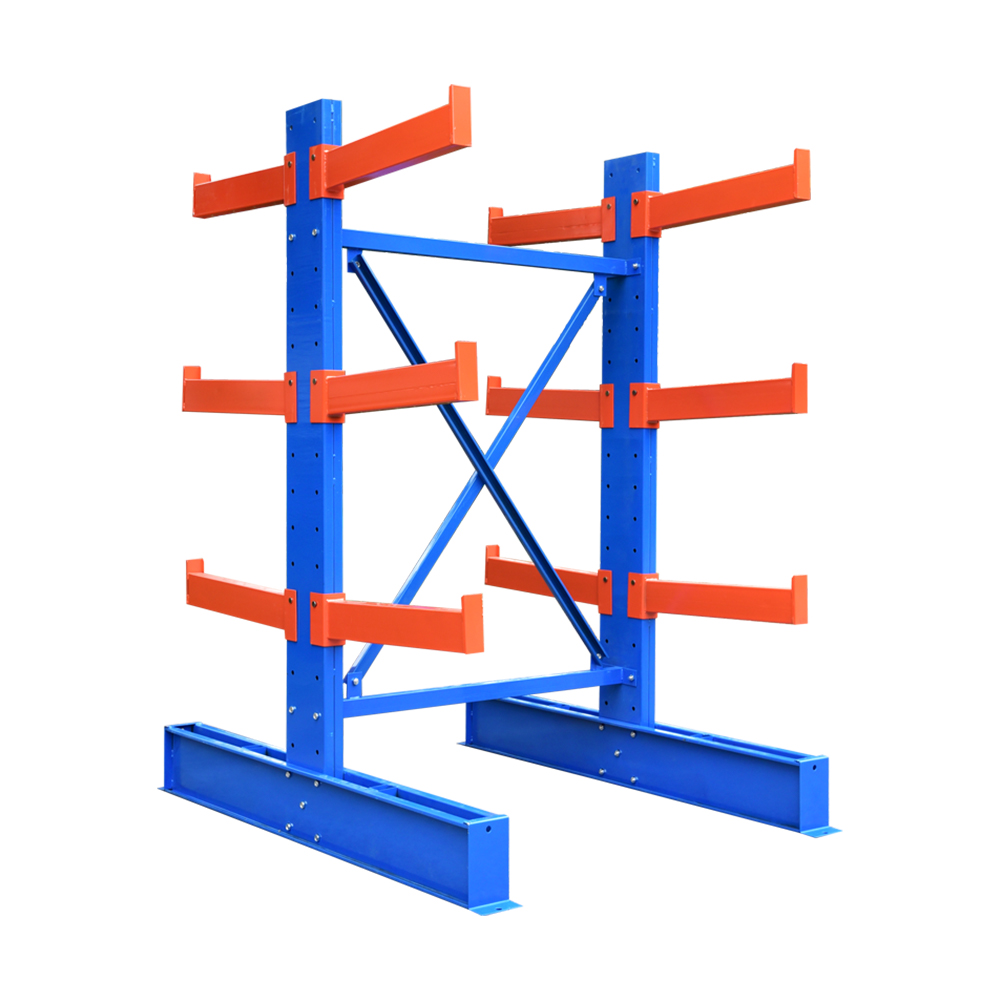
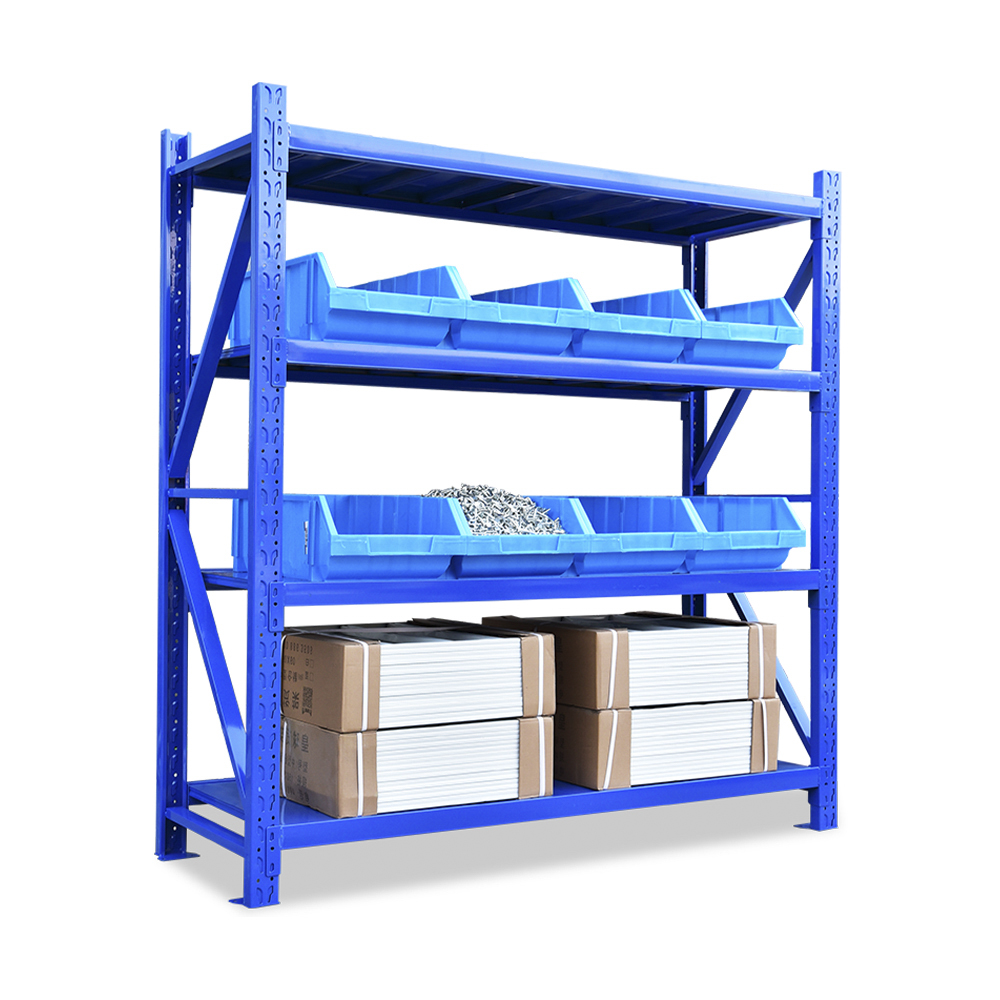
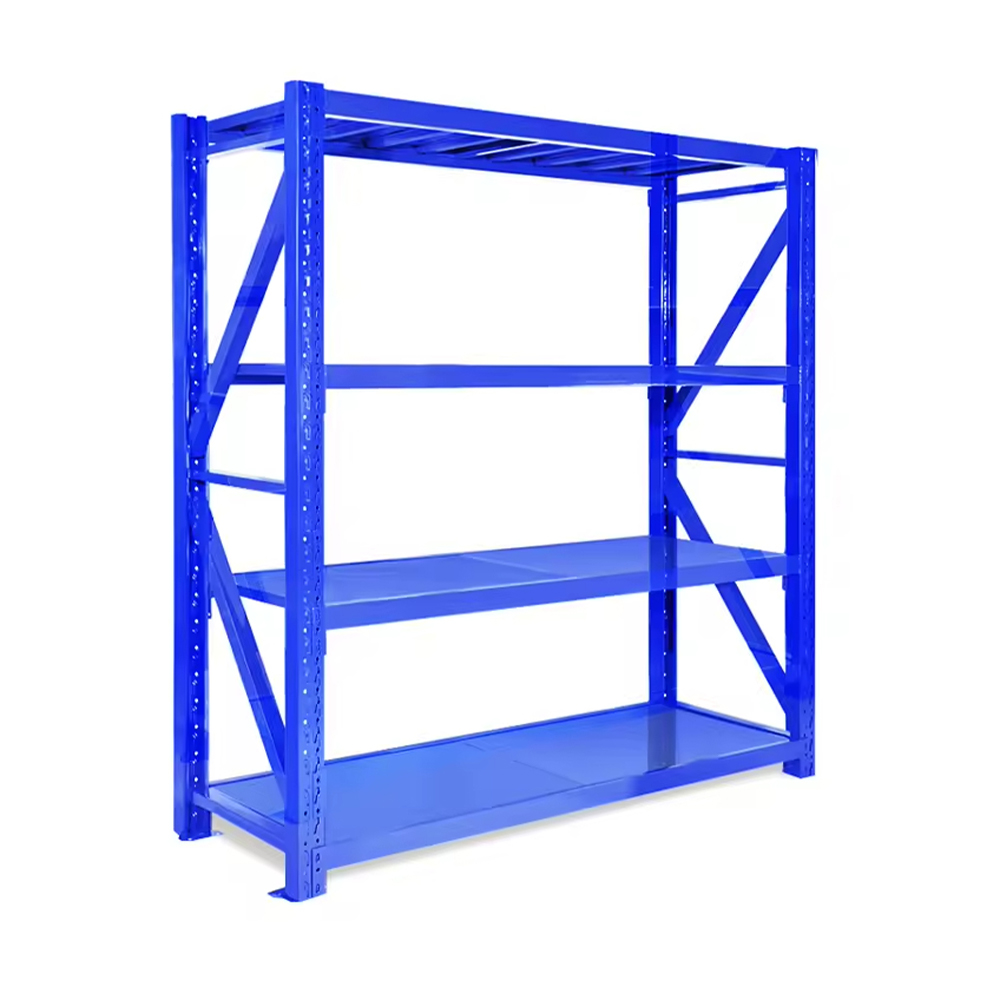
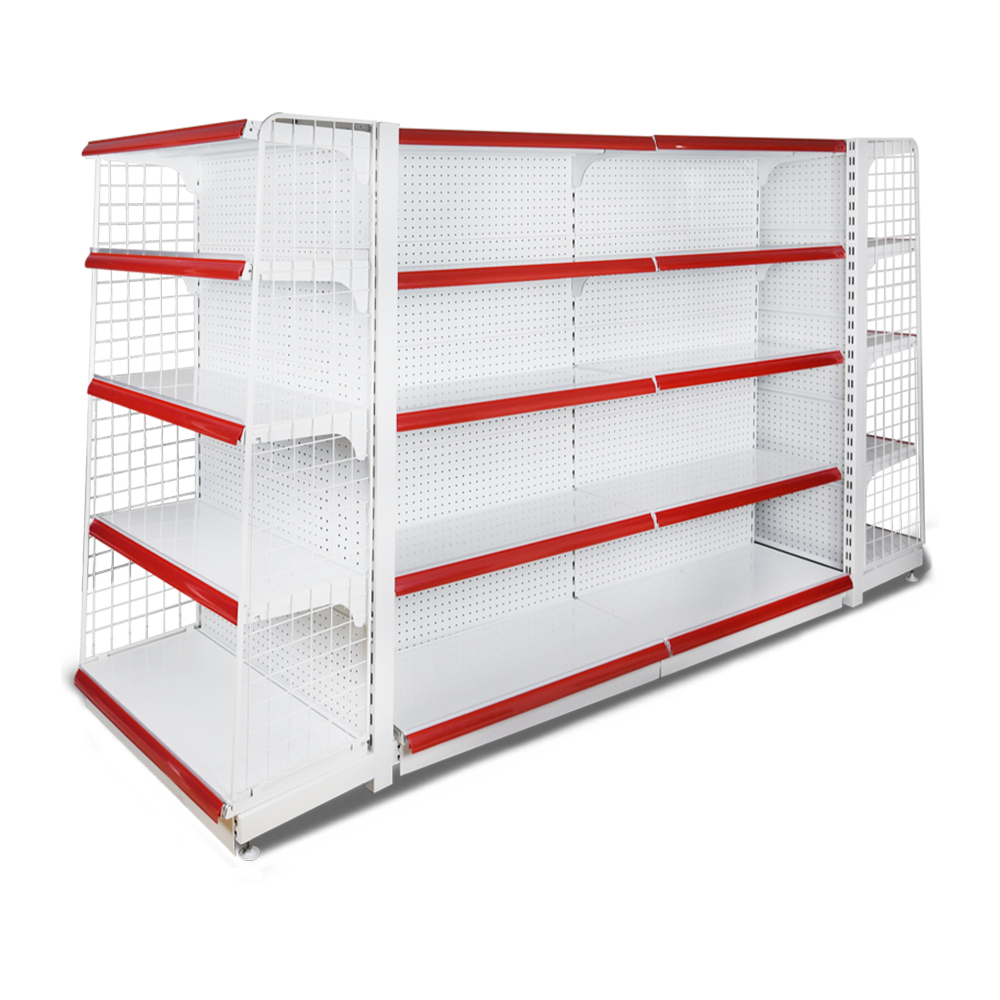
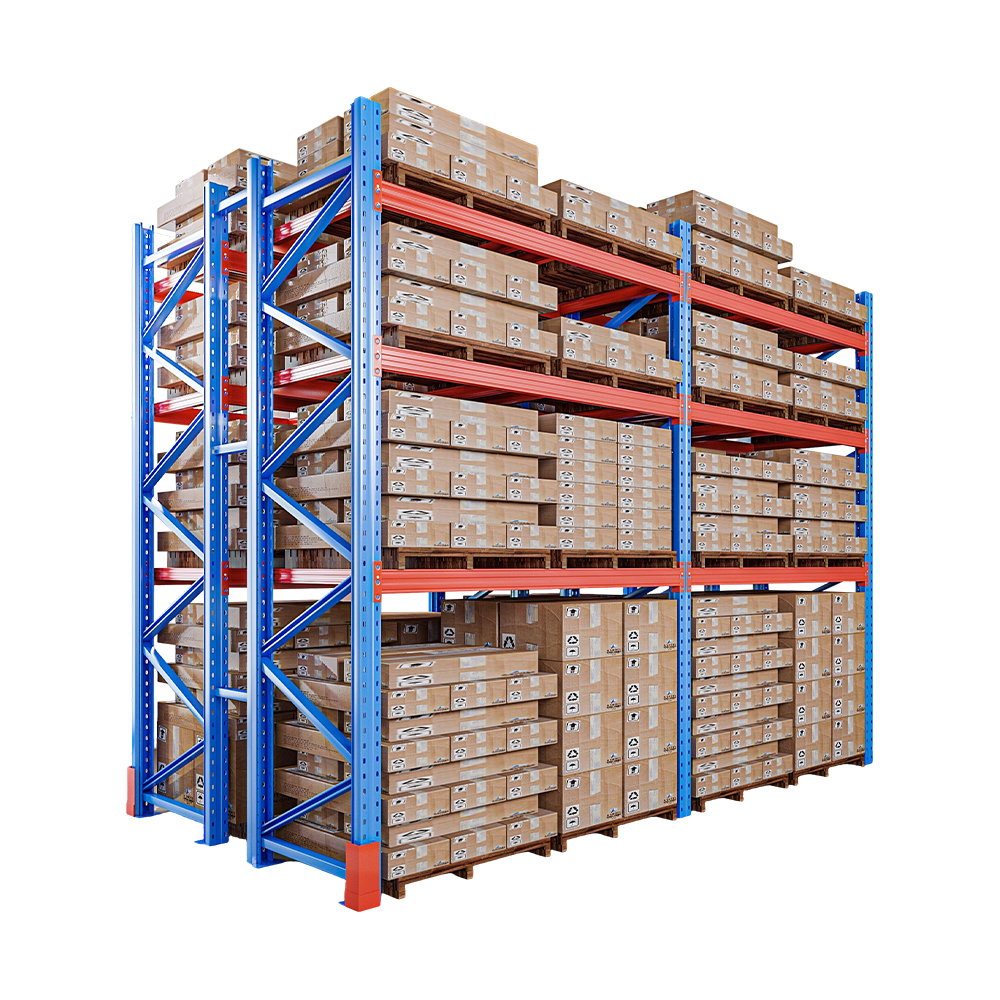
The failure that costs the most money in the drying rack category is rarely a bent tube. It is a hinge that stiffens after ten weeks in a humid room, a powder coat that blisters along a weld seam, or a caster that flattens under a load of wet denim. Buyers comparing quotations line by line usually see identical frame dimensions and a similar unit price, and none of the details that decide whether a container of 800 heavy duty clothes drying racks sells through or comes back as returns.
The short version: on a heavy duty clothes drying rack, the load figure printed on the box is the least reliable number you will be given. What actually holds up is wall thickness, joint construction, coating thickness, and how the frame behaves when it is 80 percent loaded and slightly out of balance. The sections below explain how to check those four things before a purchase order goes out, how they change between a household model and a commercial one, and what a manufacturer needs from you to quote accurately.
Heavy Duty Is a Specification, Not a Marketing Word
Ask three suppliers for the same 46-foot gullwing rack and you will get three different answers about what it holds. That is not necessarily dishonesty. "Rated load" can mean the weight at which the frame starts to deflect permanently, the weight at which it collapses, or the number the catalogue designer liked best. Without a definition attached, the figure tells you nothing.
A specification you can actually verify has four parts:
- Static load: the weight the frame carries without permanent deformation, measured on the weakest span rather than the strongest one.
- Dynamic load: what it survives while being loaded wet and unevenly, which is where joints and hinges fail first.
- Cycle life: how many open-close or load-unload cycles the hinge, lock and locking pin survive before play develops.
- Environment: how the finish behaves at 80 to 90 percent relative humidity, which is normal in a bathroom, a basement laundry room or a coastal warehouse.
The gap between light and heavy duty is mostly tube. A 22 mm round tube in 0.8 mm wall is fine for holiday laundry; the same diameter in a 1.5 mm wall carries several times the bending moment at centre span before visible deflection. The two racks look the same in a photograph, and the difference on a shipping scale is often smaller than buyers expect.
Indicative ranges drawn from common export specifications for folding and static drying racks; always confirm the figures on the supplier's test report for the exact model.
| Attribute |
Light duty |
Medium duty |
Heavy duty |
| Main tube wall thickness |
0.6 to 0.8 mm |
0.9 to 1.2 mm |
1.4 to 2.0 mm |
| Rated distributed load |
10 to 15 kg |
20 to 35 kg |
45 to 80 kg |
| Load per hanging rail |
3 to 5 kg |
8 to 12 kg |
15 to 25 kg |
| Joint construction |
Rivet or snap-fit |
Bolted with thread insert |
Welded frame or bolted with reinforcement plate |
| Typical finish |
Painted |
Powder coated |
Powder coated, chrome or stainless steel |
| Usual setting |
Apartment, occasional use |
Family, daily use |
Guesthouse, laundry service, garment workshop |
| Expected service life in daily use |
1 to 3 years |
3 to 5 years |
6 to 10 years |
Price follows the tube. Steel accounts for a large share of unit cost in this category, so a supplier quoting 15 percent below the field is usually thinner somewhere, lighter in the hardware bag, or packing fewer units per carton to hide the freight difference. Buyers who want a structured comparison of how duty classes are defined across racking generally can read our duty ratings comparison guide before shortlisting factories.
The first number to request is tube wall thickness in millimetres, not a load rating in kilograms. A rating with no wall thickness and no joint type behind it cannot be verified, and cannot be defended in a warranty claim.
Where a Heavy Duty Clothes Drying Rack Earns Its Price
Duty class only makes sense against a use pattern. The same rack that is overbuilt for a two-person apartment is underbuilt for a twelve-room guesthouse. Six settings come up again and again with international buyers.
Large households in humid climates
Five or more people, no tumble dryer, laundry done five or six days a week. The rack is folded and unfolded constantly and pushed between rooms. Hinge wear and caster quality matter more here than raw load capacity.
Guesthouses, small hotels and serviced apartments
Eight to twenty rooms, linen turned several times a week, staff who move the rack fully loaded. The weak point is almost always the joint where the wing meets the upright, plus the welded caster housing. A rack that flexes under a stack of wet towels will be dragged rather than carried, and dragging finishes off a coating quickly.
Laundry services and dry cleaners
Throughput is measured per shift, so racks stay loaded for hours. Flat drying surfaces matter as much as hanging bars, because wool, silk and knitwear cannot be hung without distortion. Corrosion from detergent residue is a real cost in this segment.
Garment factories, sample rooms and photo studios
Steamed garments are heavy and the rail must stay straight over months of use. Buyers in this segment should think in kilograms per rail rather than total load, and should ask how the rail is fixed to the upright, because a rail that rotates under load marks the garment.
Gyms, swimming pools and spas
Wet towels, chlorine and constant humidity. Chlorine is far harsher on coatings than plain water, and a standard powder coat that survives a bathroom may not survive a poolside changing room for two seasons. Stainless steel or a heavier coating build is the normal answer.
Care homes and student accommodation
Safety outranks capacity. No sharp tube ends, no pinch points at the hinge, casters with brakes, and a footprint wide enough that the rack does not tip when a user leans on one side.
Wet weight is the second thing buyers underestimate. A soaked cotton bath towel can weigh two to three times its dry weight, and a full load of jeans hung on one wing of a gullwing rack can put 20 kg or more on a single hinge line. That is why a rack rated at 50 kg distributed load should never be tested with 50 kg on one side.
Match the duty class to the number of load-and-move cycles per week, not to the number of garments in a single load. Continuous commercial use consumes a household-grade hinge in months.
Frame Anatomy: Tube, Weld and Joint
Wall thickness and steel grade
Most export drying racks use cold-rolled carbon steel tube in the Q235 or SPCC family, formed and seam welded. Two variables decide stiffness: outer diameter and wall thickness. For the same weight of steel, an oval or rectangular tube resists bending better than a round one, which is why better folding racks use oval uprights and round cross bars.
Verification is simple and cheap. Take a calliper or an ultrasonic thickness gauge to a disassembled sample and measure at four points: the upright near the hinge, the wing centre, the rail midpoint and the base leg. Wall thickness on a cheap rack frequently varies by 0.1 to 0.2 mm between sections, and the thinnest point is what fails. Ask for measurements from the production batch, not from a golden sample kept in the sales office.
Joints decide the warranty
Rivets are fast and cheap, and they loosen. A riveted hinge develops play after a few hundred cycles, then the wing starts to sag, then the user forces it and the rivet hole elongates. Bolted joints with nylon-insert lock nuts hold better and can be re-tightened, but only if the bolt passes through a reinforcement plate rather than bare tube wall.
Welded frames are the strongest option for static commercial racks, at the cost of shipping volume. For folding racks, the hinge is the design. Look for a hinge pin of at least 5 mm in a bushing, a spring-loaded or cam lock that clicks into position, and a stop that prevents the wing from opening past horizontal. Hinge pins in plain mild steel rust quickly in a humid room; stainless pins or plated pins with a nylon bushing last noticeably longer.
Finishes and corrosion
Powder coating is the default. A decorative coat runs 40 to 60 microns; a protective coat for humid rooms should be 70 to 90 microns, with the rack properly pre-treated and the coating free of pinholes at weld seams. Blistering almost always starts at a weld, because weld scale left on the tube prevents the pre-treatment from doing its job.
Chrome plating looks premium and chips at edges. Stainless steel in grade 201 resists moisture reasonably and costs less; grade 304 is the safer choice where chlorine or detergents are present. Galvanised tube is common in industrial drying rooms but shows a dull surface that retail buyers rarely accept.
Salt spray testing is the simplest comparable metric, and buyers should ask for hours to red rust rather than a pass or fail statement. A 24-hour result suits a dry inland market; coastal and poolside buyers should be looking at results an order of magnitude higher or specifying stainless from the start.
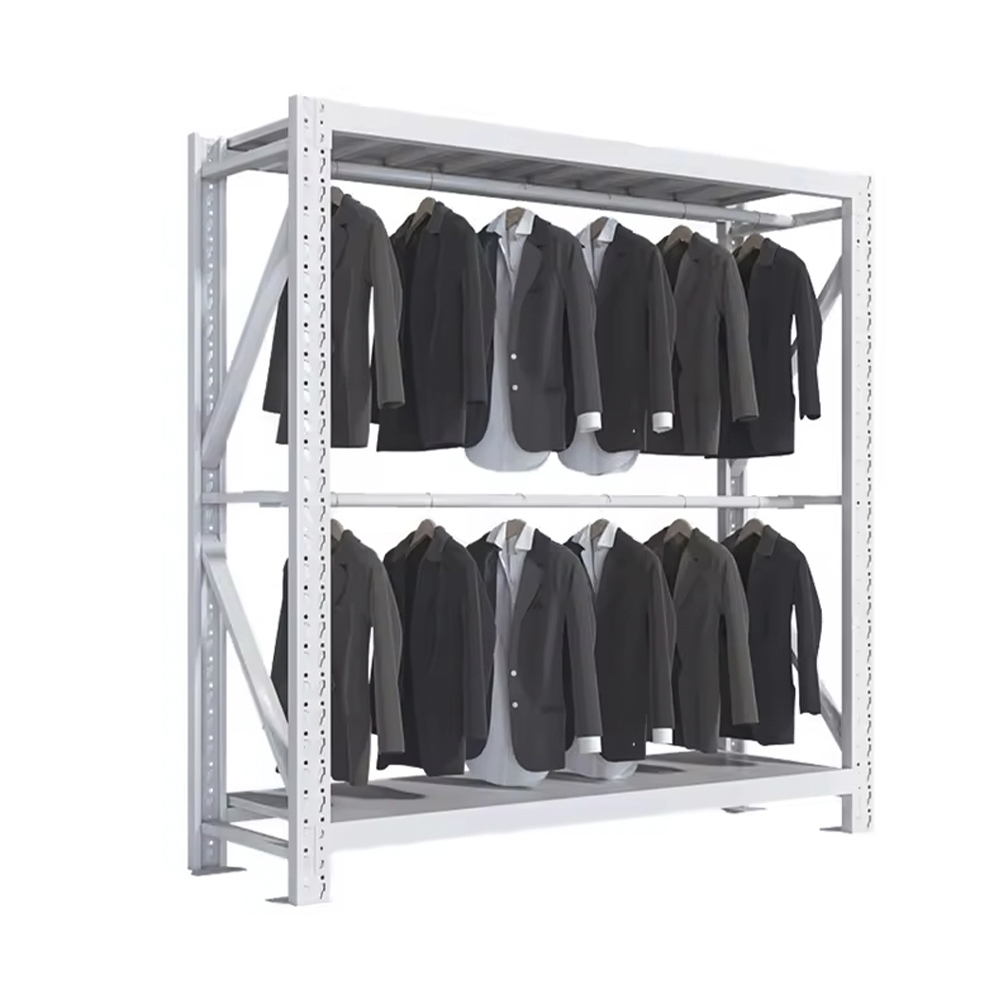 Corrosion-Resistant Steel Garment Rack for Hanging ClothesA hanging rack with rust-resistant, scratch-resistant finish and adjustable rods, suited to humid laundry, kitchen or coastal settings where corrosion resistance matters.View Product →
For laundry rooms, kitchens and coastal markets, a coated steel hanging frame with a corrosion-resistant finish is a practical base for the range, and it can be combined with flat drying shelves in the same shipment to cover knitwear and delicates.
Corrosion almost always begins at a weld seam or a hinge pin, so specify coating thickness and pin material rather than coating colour. These two details decide how the rack looks after one humid summer.
How Much Drying Space You Actually Need
Buyers tend to choose rack types by appearance and then discover that capacity does not fit the use. A simple calculation avoids most of that. Two figures are needed: weekly laundry weight and the split between hanging and flat drying.
For hanging, one metre of rail holds roughly eight to ten shirts on hangers at comfortable spacing, or about six heavier garments. For flat drying, a single adult sweater needs roughly 0.15 square metres of mesh, and a full load of knitwear can occupy a whole shelf.
A household of four in a temperate climate typically generates 20 to 25 kg of dry laundry a week. If 70 percent is hung, that is around 15 kg of garments on rails at once, which translates to eight to ten metres of line plus half a square metre of flat surface. A guesthouse with twelve rooms at 70 percent occupancy and 2 kg of linen per room night needs closer to 25 or 30 metres of line, plus dedicated flat space for delicates and uniforms.
Typical linear drying capacity by rack type (feet of line)
Gullwing, two-tier46 ft
Ceiling pulley, four rails40 ft
Retractable wall unit, five lines33 ft
Tower or A-frame, three tiers26 ft
Freestanding three-tier22 ft
Wall-mounted, three bars15 ft
These figures are indicative and shift with bar spacing, garment type and how tightly a household packs a rail. In practice, buyers serving humid markets where laundry air-dries slowly should plan for 20 to 30 percent more capacity than the arithmetic suggests, because garments stay on the rack longer. Buyers supplying retailers also need to think about the shelf story rather than the laundry maths: a 46-foot gullwing photographs well and justifies a higher price point, while compact tower models sell to apartment dwellers who have no floor space to spare.
Capacity claims should always be paired with the load rating on the same page of the specification sheet. A rack advertising 46 feet of line and a 15 kg distributed load is telling you that it expects light garments, not wet towels.
Calculate drying need from weekly laundry weight and the hanging-to-flat split, then add 25 percent for slow-drying climates. Rack type should follow the number, not precede it.
Configurations and What Each One Is Bad At
No configuration wins on every measure. Buyers who understand the weak point of each type can build a range that covers a market instead of duplicating the same idea three times.
Gullwing and accordion racks
Two wings that fold out from a centre frame. The highest capacity per unit of storage volume, and the best option for mixed loads. The weak point is the hinge line: a gullwing loaded on one wing only, repeatedly, will develop play faster than any other type. For commercial buyers, specify hinge pins with bushings and a positive lock at the open position.
Tower and A-frame racks
Narrow footprint, vertical stacking, good for balconies and small utility rooms. They become top-heavy when the upper tiers are loaded first, which is how most people load them. A wider base leg or an anti-tip strap is a cheap fix that buyers should request explicitly.
Wall-mounted and ceiling-mounted units
Zero floor footprint, which is why they sell well in cities. Both put the load into a building element rather than into a frame, so the fixing kit matters more than the rack. Ceiling pulley systems also demand a ceiling structure that can take a downward pull of several times the laundry weight when someone tugs the line.
Shelf and hybrid racks
Flat mesh shelves dry knitwear without stretching and double as general storage, which is why foldable multi-tier shelf racks sell across both laundry and storage categories. The trade-off is floor space and a lower hanging capacity per unit.
Footprint and capacity figures are typical ranges; the right choice depends on ceiling height, door width and how much of the load is flat-dried rather than hung.
| Type |
Footprint when open |
Typical capacity |
Best for |
Weak point |
| Gullwing or accordion |
1.2 to 1.6 m² |
30 to 46 ft of line |
Family laundry, mixed loads |
Hinge wear when loaded on one side |
| Tower or A-frame |
0.5 to 0.8 m² |
20 to 30 ft of line |
Balconies, small rooms |
Top-heavy when upper tiers load first |
| Wall-mounted bars |
No floor space |
10 to 18 ft of line |
Bathrooms, corridors |
Depends entirely on wall anchors |
| Ceiling pulley |
No floor space |
20 to 40 ft of line |
High-ceiling laundry rooms |
Ceiling structure and installation skill |
| Shelf or hybrid rack |
0.9 to 1.5 m² |
Four to six levels |
Flat drying, knitwear, commercial back rooms |
More floor space, less hanging capacity |
 Adjustable Dual-Use Clothing Rack for Coats and SuitsA portable hanging rack with adjustable, rounded rods and tool-free assembly, useful for suits, coats and overflow storage where hanging capacity is the priority.View Product →
Where the drying task is mainly hanging rather than flat drying, a purpose-built garment frame with a straight rail and a stable base is easier to load and unload than a folding wing, and it doubles as overflow storage in retail stockrooms and hotel linen rooms.
Choose the configuration by its weak point rather than its capacity headline. Every rack type has one component that fails first, and that component should be the focus of your sample inspection.
Stability, Safety and the Tests Buyers Skip
Stability is the least photographed and most complained-about attribute. A rack tips when its centre of gravity moves outside the footprint, which happens when a wing is fully loaded and the opposite wing is empty, or when a user leans on the top rail to reach a back corner.
Three design details reduce that risk. First, a base wider than the loaded wing span, or feet that extend beyond the uprights. Second, casters positioned at the outer corners rather than inset. Third, a lock that stops the wing at horizontal, so the load cannot migrate outward.
Buyers can run four simple checks on a sample in under an hour:
- Load the weakest span to 1.5 times the rated capacity, leave it for 24 hours, unload, and measure permanent deflection at the centre.
- Open and close the frame 200 times with a 10 kg load on one wing, then check hinge play with a straight edge.
- Roll a loaded rack 20 metres over a tiled floor and a 5 mm threshold, then inspect the caster housing welds.
- Wipe a coated section with a 5 percent detergent solution for a week and look for dulling or blistering at the weld seam.
Small details also decide complaint rates in retail channels: tube ends closed with plastic plugs rather than left open, edge radius on any part a hand grips, hardware bags containing one spare bolt and one spare cap, and assembly instructions with a torque figure rather than a drawing alone.
A 24-hour overload test at 1.5 times the rated capacity reveals more about a rack than any catalogue photograph. It is also the cheapest way to reject a supplier before a container ships.
Buying for a Household Versus Buying for a Container
The specification that satisfies an end user and the specification that satisfies an importer are not the same document. A household buyer cares about folded size and appearance. An importer cares about carton cube, assembly time, and how many units fit in a 40-foot high cube.
Flat-packed racks typically ship 20 to 40 percent denser than assembled ones, but every bolt adds assembly time and every missing part becomes a customer service ticket. Buyers should ask for the measured assembly time with hand tools only, and for the hardware bag to be packed as a single sealed unit rather than loose in the carton.
Packaging deserves its own line in the purchase order. A drop test from 80 cm on a corner, on three cartons from the production run, will show whether the internal protection is adequate. Cartons that survive a warehouse but fail a parcel network are a common source of returns for wholesalers selling online.
Customisation is where OEM and ODM relationships separate. Colour changes and logo printing are straightforward on powder-coated steel. Changes to tube diameter, hinge design or footprint are tooling decisions and need drawings, samples and a realistic development timeline. Buyers should expect to approve a pre-production sample before mass production, and should ask what the sample differs from the final unit.
Spare parts policy matters more in this category than in most home goods, because hinges and casters are the parts that fail. A spare parts ratio of one to two percent of order quantity, packed separately and labelled, costs very little and prevents a full carton being written off for a missing locking pin.
Approve a pre-production sample, then specify that mass production must match it in wall thickness and hardware, not only in appearance. The distinction between a golden sample and production reality is where most quality disputes begin.
Where the Money Goes in a Drying Rack
Cost conversations go badly when buyers treat the unit price as a single number. It is the sum of a few components with very different leverage, and knowing the shape of that split tells you where a supplier can cut without it showing.
In a typical powder-coated folding rack, steel tube and wire dominate. Finishing, hardware and assembly follow, with packaging and margin taking the rest. The exact percentages move with steel prices, order quantity and finish choice, but the ranking stays fairly stable across the category.
Approximate cost share of a powder-coated folding rack
Steel tube and wire44%
Labour and assembly14%
Overhead and margin13%
Coating and finishing12%
Hardware and joints10%
Packaging7%
The steel share explains why quotations diverge so quickly. Two suppliers using the same nominal dimensions can differ by 20 percent on tube weight, which is invisible in a photo and obvious on a scale. Buyers who want to test this cheaply should weigh the sample and compare it with the stated carton weight on the quotation; a large gap usually means the quotation was written for a different specification.
Finishing is the second lever, and the one most often downgraded without notice. Reducing coating thickness from 80 microns to 50 microns saves a small amount per unit and shows up as rust at the weld seam within a year in a humid market. Hardware is the third: a hinge pin changed from stainless to mild steel saves cents and costs a warranty claim.
Assembly labour is where a manufacturer can genuinely reduce cost without damaging the product, through better jig design, pre-inserted fasteners and clearer instructions. Buyers should be cautious when a low price is explained by "simpler assembly", because simpler assembly frequently means fewer fasteners holding the joint.
Ask which line item the discount came from. A reduction in steel weight or coating thickness is a permanent product change, while a reduction in assembly labour can be genuine efficiency.
Checks to Run Before You Scale Up
Moving from a trial order to a repeat container is the point where specification drift usually appears. A short inspection routine at the factory, applied to every batch, prevents most of it.
- Measure wall thickness at four defined points on three units per batch and record the values against the approved sample.
- Confirm hinge pin material with a magnet and a visual check, since stainless pins are non-magnetic in common grades.
- Weigh five complete units and compare with the quotation carton weight; flag any variance above three percent.
- Run the 1.5 times overload test on one unit per batch and photograph the deflection reading.
- Check coating thickness with a gauge on the upright, the wing centre and a weld seam, and record the minimum rather than the average.
- Open and close a sample 200 times and inspect the lock for positive engagement at the horizontal stop.
- Drop-test three cartons from 80 cm on a corner and inspect the rack inside for coating chips.
- Count the hardware bag against the bill of materials, including any promised spare parts.
- Verify that assembly instructions match the actual hardware and that the torque figure is stated.
- Photograph the batch label and the production date so traceability survives the shipment.
None of these checks requires a laboratory. A calliper, a coating gauge, a scale, a stopwatch and a camera cover the list, and the records become the basis of any later claim. Suppliers who resist this routine are telling you something useful about their process control.
Record measurements per batch rather than per order. Drift between batches is far more common than a bad first sample.
Matching the Rack to the Room
Specification sheets rarely mention the room, and the room is where most returns originate. Three dimensions decide whether a rack works in practice: ceiling height, door width and the clear floor area when the rack is fully open.
A gullwing needs roughly 1.2 to 1.6 square metres when open, plus room to walk around it. In a 1.8-metre-wide utility room that means the rack can only be opened in one orientation. Ceiling pulley systems need about 40 cm of clearance below the highest pulley position and a ceiling that can take a pull of three to four times the laundry weight.
Ventilation changes the calculation more than most buyers expect. A rack in an unventilated bathroom stays loaded for two days instead of one, so effective capacity halves. Buyers specifying for social housing or rental apartments should consider this when choosing between a compact tower and a large gullwing.
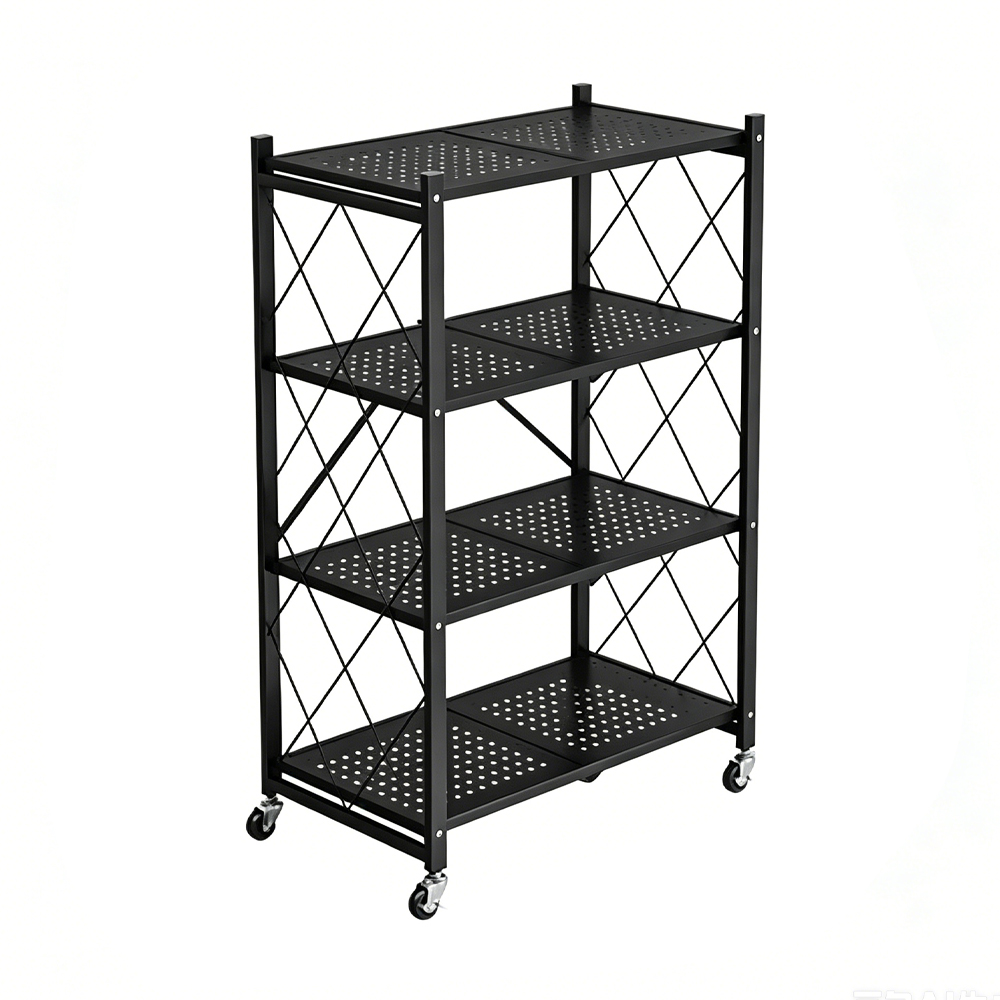 Foldable Multi-Tier Storage Shelves for Apartments and Small SpacesA foldable, multi-layer shelf that saves floor space and can provide flat drying and general storage in apartments or laundry areas with limited room.View Product →
In apartments where the laundry area doubles as storage, a foldable multi-tier shelf unit gives flat drying space and general storage in the same footprint, which is often a better fit than a large wing rack that can only be used on laundry day.
Floor surface also matters. Casters on a sloping tiled floor will drift; anti-slip feet are safer. Casters with brakes are the compromise, and buyers should test the brake under load rather than empty.
A rack that fits the room gets used; a rack that has to be moved to open gets replaced. Ceiling height and door width belong in the specification, not in the marketing copy.
What to Put in a Manufacturing Brief
Factories quote what they are given. A brief with gaps gets filled with assumptions, and the assumptions are usually cheaper than the buyer intended. A workable brief for a heavy duty clothes drying rack covers eight points.
- Use setting and expected load per rail, plus total distributed load.
- Preferred configuration and open footprint limits.
- Tube specification: diameter, wall thickness, shape, steel grade.
- Finish and required salt spray hours to red rust.
- Hinge and lock design expectations, including pin material.
- Target retail price band and annual volume, which drives material choices.
- Packaging format, carton drop test requirement and container loading target.
- Customisation needs: colour, logo, private label, instruction language.
Shanghai King Global Shelf Co., Ltd. has been manufacturing racking and storage products since 2010, working from a production base of more than 60,000 square metres and supplying retail, warehouse, office and home ranges to international buyers, including OEM and ODM programmes. That kind of background matters most at the brief stage: a manufacturer that already builds light, medium and heavy duty rack classes can tell a buyer quickly whether a proposed load rating is realistic for the tube section being requested, and where a design needs a reinforcement plate rather than a thicker coat.
Buyers sourcing across several categories can consolidate. A container that carries drying racks alongside garment frames, shelving and display units usually lands at a better freight cost per unit, and the quality routine is shared.
State the load per rail and the salt spray hours in the brief. Without those two figures, the factory will optimise for price, because that is the only target it was given.
Frequently Asked Questions
How much weight should a heavy duty clothes drying rack hold?
For a folding household model, a distributed load of 45 to 60 kg is a reasonable heavy duty target, with 15 to 20 kg per hanging rail. Commercial static racks used in guesthouses and laundry services commonly go higher. The more useful question is how the load is distributed: a rack rated at 50 kg should still be tested with 20 kg on one wing, because that is how it will actually be used.
What is the difference between a drying rack and a garment rack?
A drying rack is designed for wet laundry, so the finish must resist humidity and the frame must handle wet weight and often folding. A garment rack is designed for hanging finished clothing, so the rail straightness and appearance matter more. Many buyers use a garment frame as overflow drying space, which works if the finish is corrosion resistant and the rail is rated for wet weight.
Which finish is best for a humid laundry room?
A powder coat of 70 to 90 microns over properly pre-treated steel, with stainless hinge pins, handles most household laundry rooms. Where chlorine, salt air or industrial detergents are present, stainless steel in grade 304 is the safer specification. Chrome looks better on a showroom floor and chips at edges under heavy use.
Can I order a custom size or colour for my brand?
Colour and logo customisation on powder-coated steel is routine for volume orders. Changes to tube diameter, footprint or hinge design require drawings and a pre-production sample, and should be planned with development time in the schedule rather than added at the last minute. A manufacturer with in-house development capacity will usually flag which changes affect tooling and which do not.
It depends heavily on packing format. Flat-packed folding racks ship far denser than assembled units, and a carton design that removes empty volume can add several hundred units to a container. The figure to request from a supplier is carton dimensions, carton weight and units per carton, from which the loading quantity can be calculated rather than estimated.
Do folding racks lose strength over time?
The frame usually retains its strength; the hinge is what wears. Play develops at the pin and bushing, the wing starts to sag, and users compensate by forcing it. Hinge pin diameter, bushing material and a positive lock are the three details that determine how long a folding rack stays rigid.
What is a typical minimum order quantity for wholesale sourcing?
Minimums vary with model, finish and packaging, and custom colours usually carry a higher minimum than stock finishes because of coating line setup. Buyers planning a first order should ask for the minimum per colour rather than the minimum per model, since that is the figure that constrains a mixed range.
How long should a heavy duty rack last in daily use?
With a wall thickness above 1.4 mm, welded or reinforced joints and a protective coating, six to ten years of daily household use is a realistic expectation. Commercial use compresses that timeline considerably because the cycle count rises, which is why guesthouses and laundry services should specify commercial-grade hardware rather than relying on a household model with a higher load label.
Most warranty questions about heavy duty clothes drying racks end at the hinge and the coating. Specify both explicitly and the rest of the frame will usually outlast the warranty period.
A drying rack is a simple product made complicated by the gap between a catalogue photograph and a humid room. Buyers who ask for wall thickness, hinge pin material, coating build and a batch-level test record get a product that behaves predictably in the market it was sold into. Buyers who compare only unit price get a rack that looks identical on arrival and fails differently.
The practical order of work is short: define the load per rail from the actual use pattern, choose a configuration by its weak point, verify the sample against the specification with a calliper and a coating gauge, and lock the batch checks into the purchase order. Everything else, from colour to carton printing, is easier to negotiate once those four points are settled.
Supplier resources
If you are comparing specifications and want a second opinion on whether a proposed load rating matches the tube section you have been quoted, our team can review the brief and match it to the right rack class. Send your specification to our team and we will come back with the material and finish options that fit your market.
We also publish reference material on duty classes, corrosion protection and warehouse racking for buyers building a full storage range.
Specify the hinge and the coating, test the batch, and the frame will look after itself. That sequence is what separates a repeat order from a returns container.



 English
 Español
 русский
 Français
 한국어
 عربى
 ไทย
 Deutsch
 Bahasa Melayu
 Português
 Polskie