


 English
  Español
  русский
  Français
  한국어
한국어  عربى
عربى  ไทย
ไทย  Deutsch
  Bahasa Melayu
  Português
  Polskie
China Tel: +86-13761540945
Thailand Tel: +66 99 109 1956
Thailand Tel: +66 92 242 5845
liwu78465@gmail.com



Warehouse Rack Manufacturer
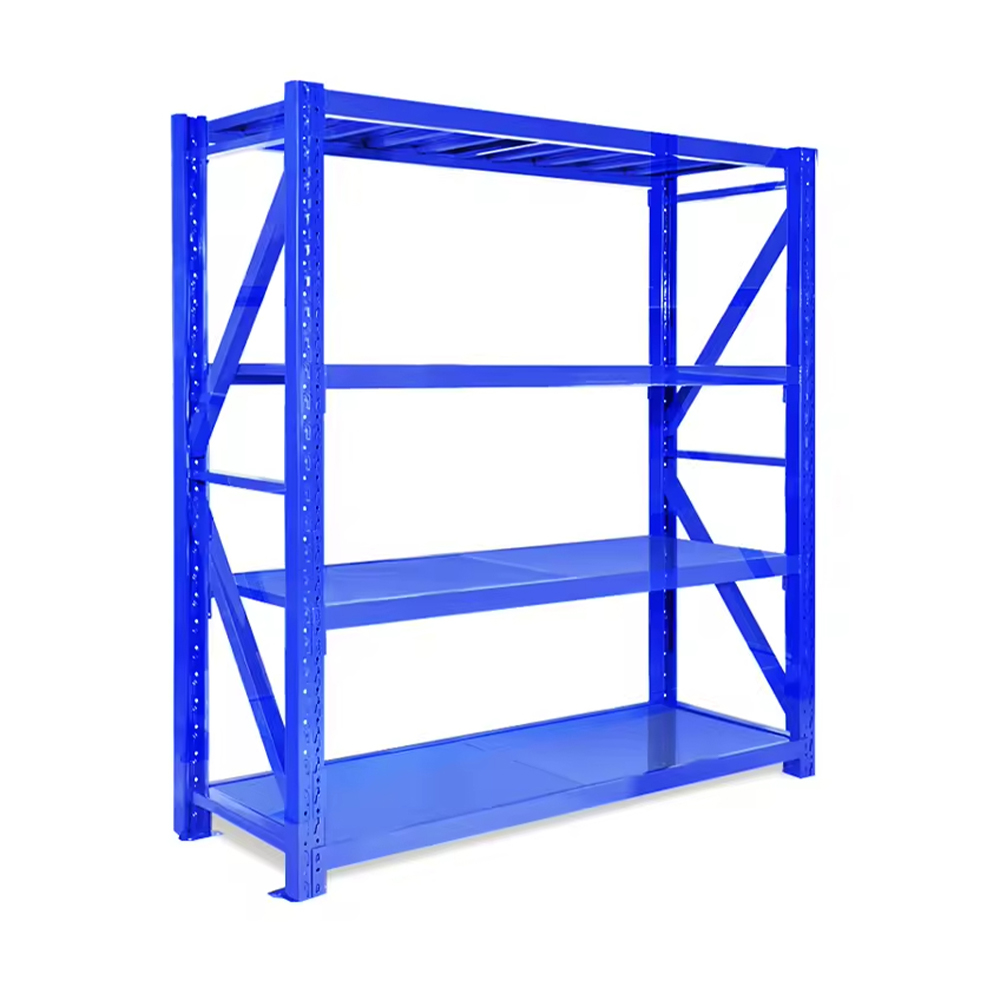
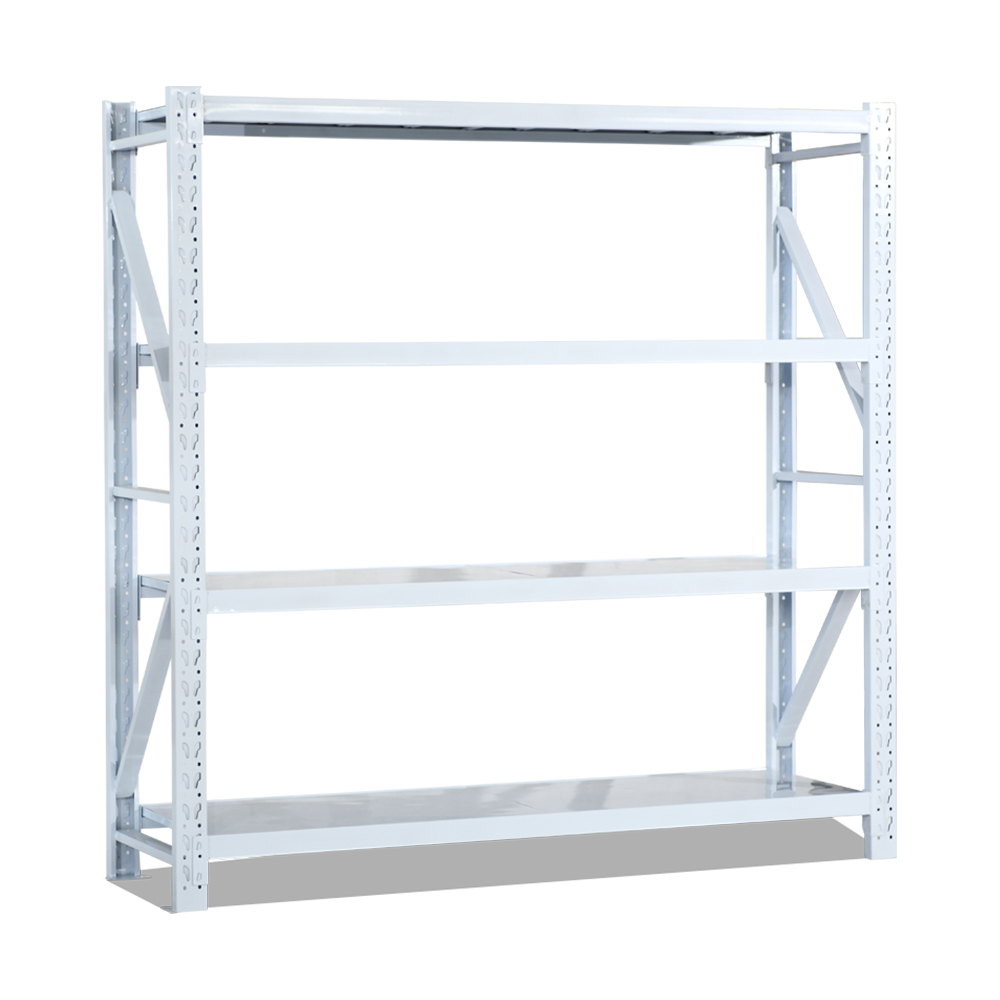
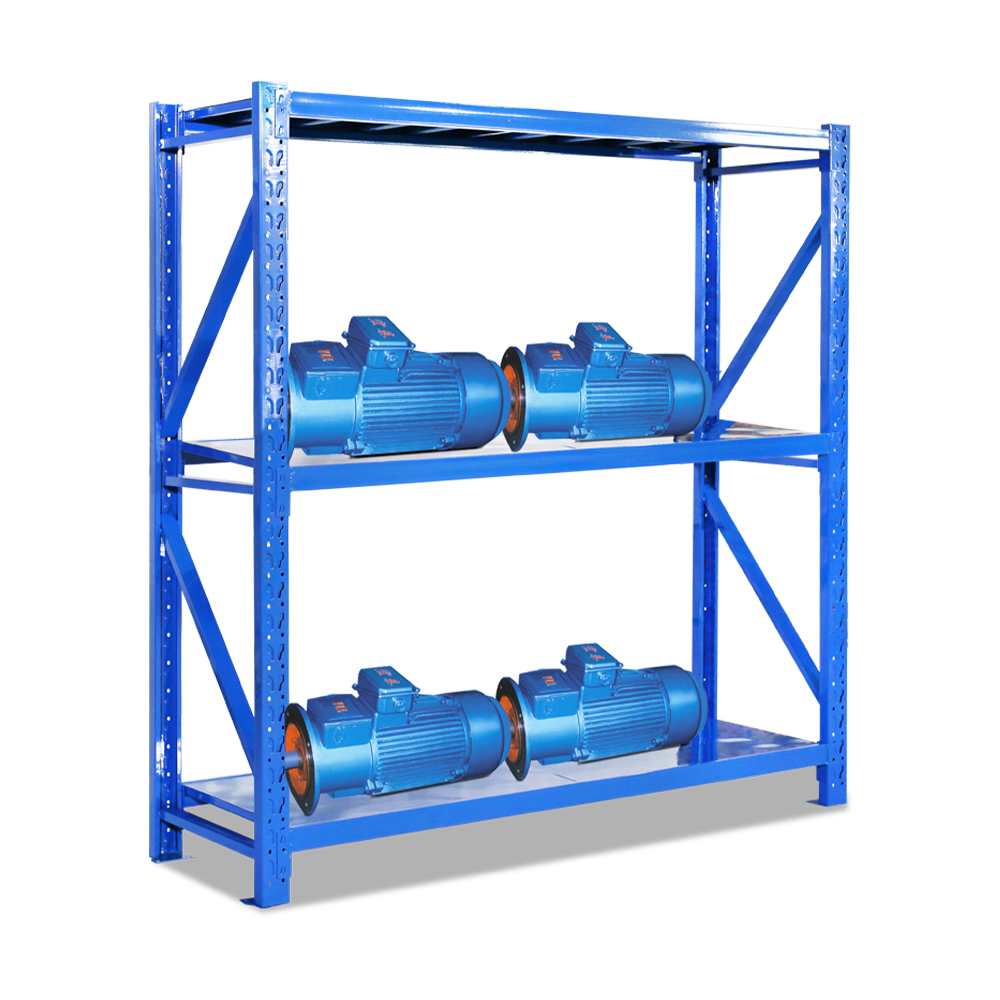
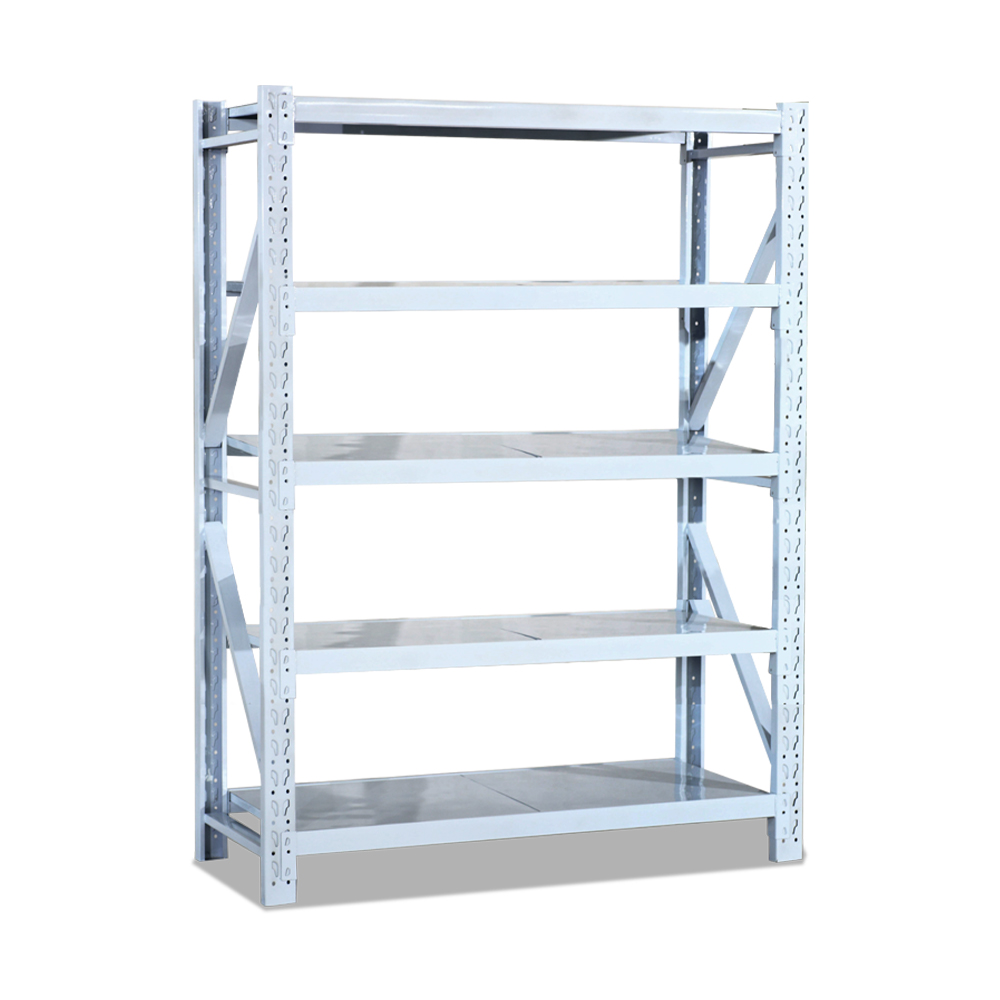
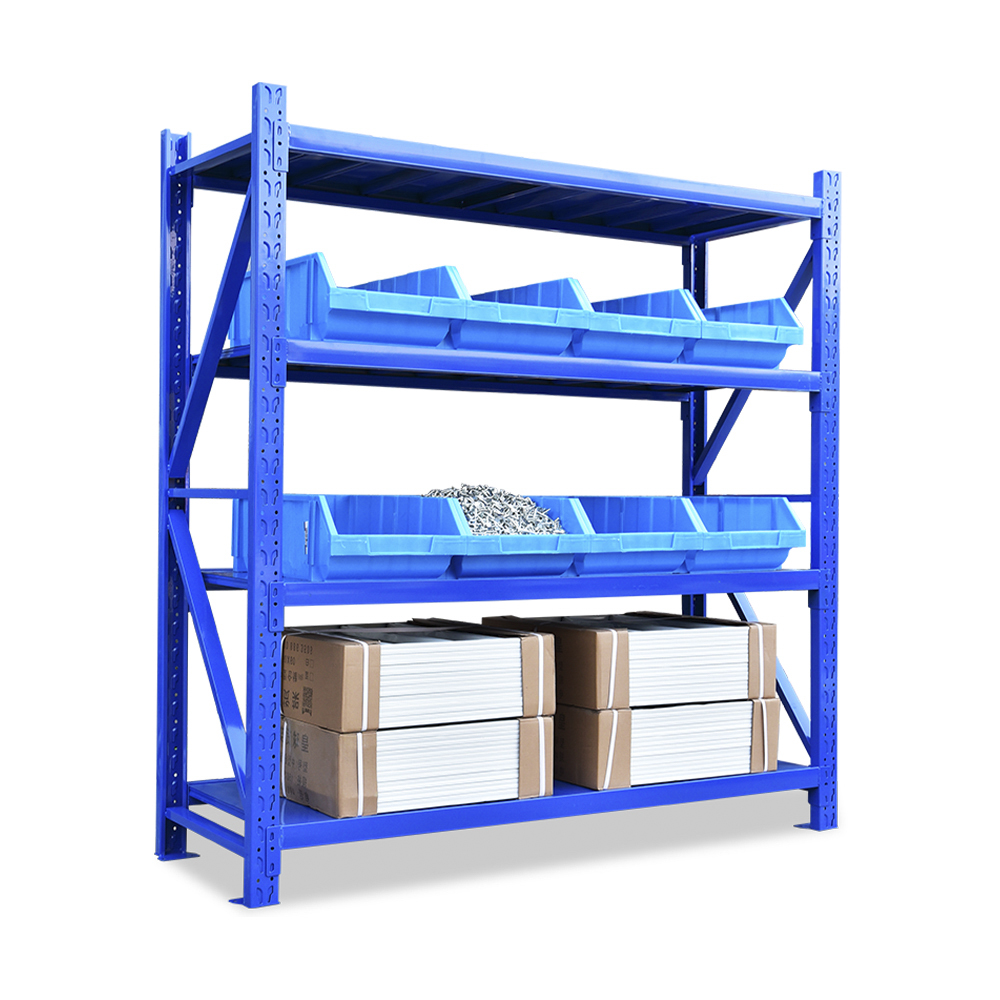
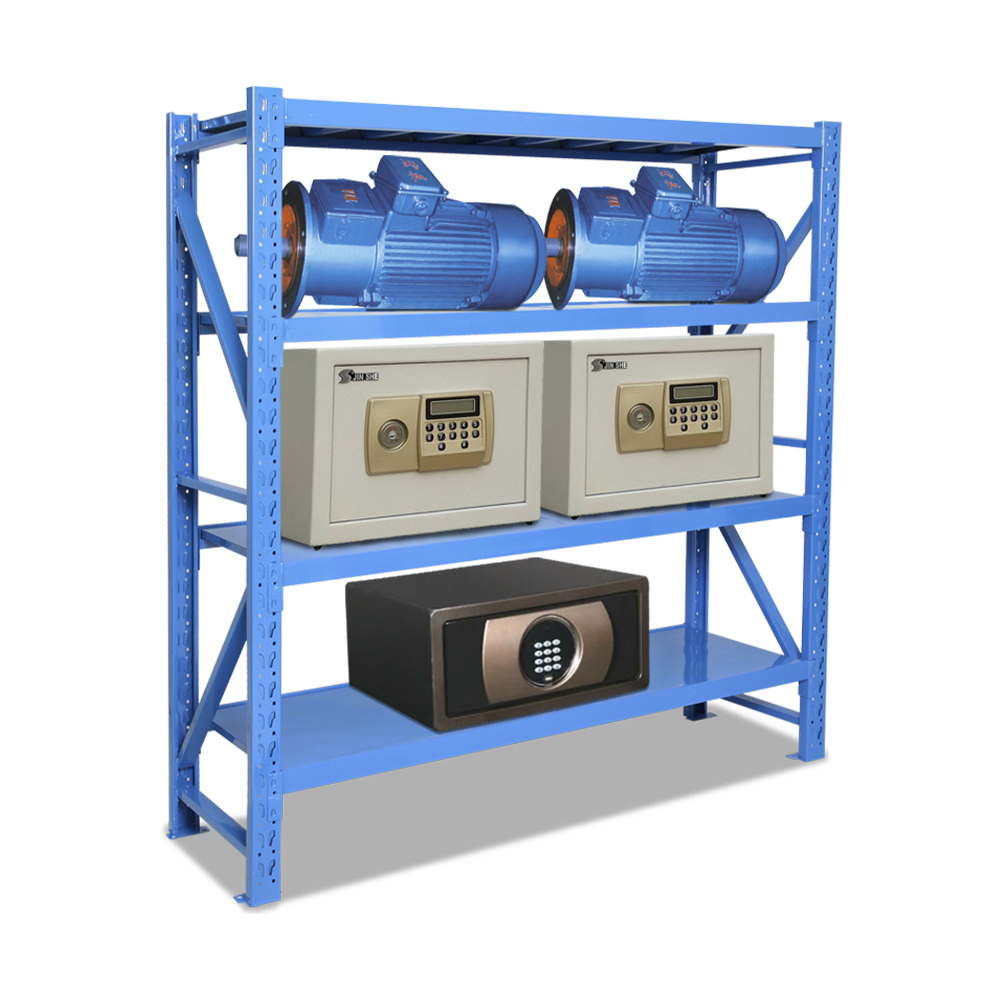
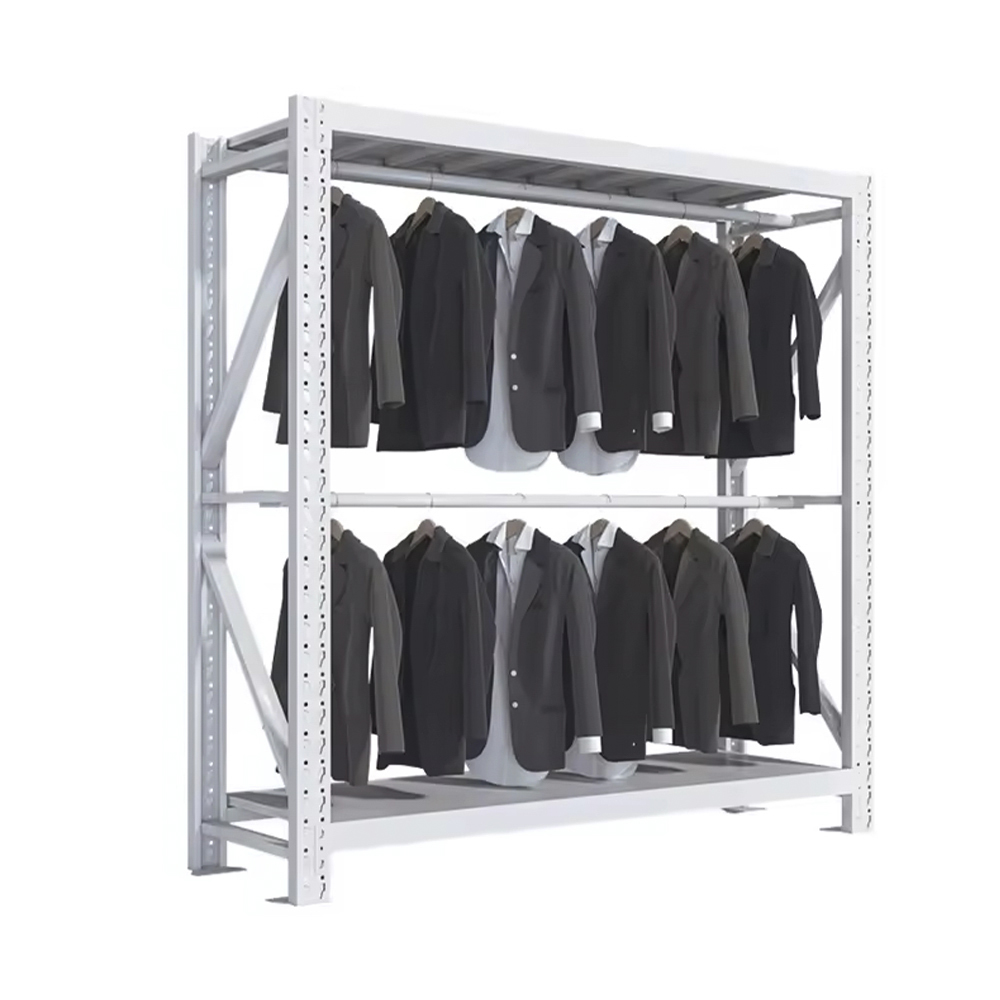

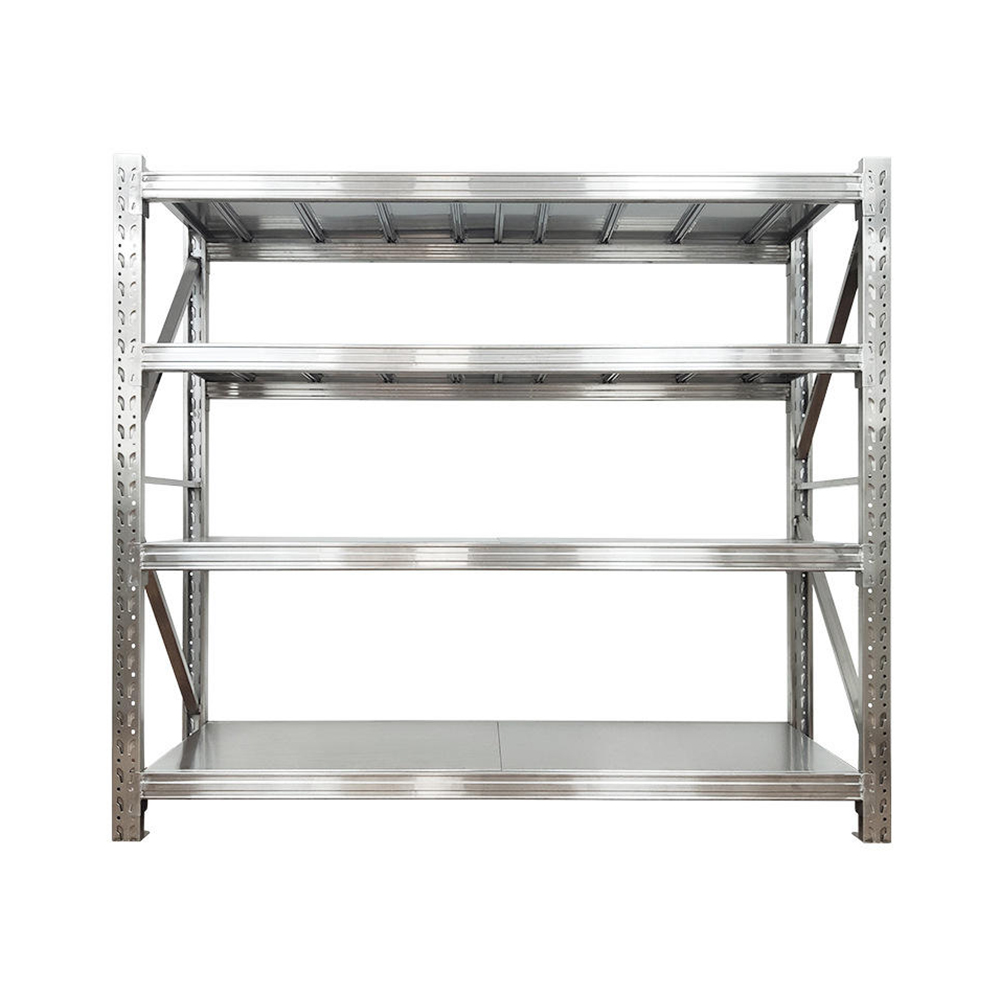
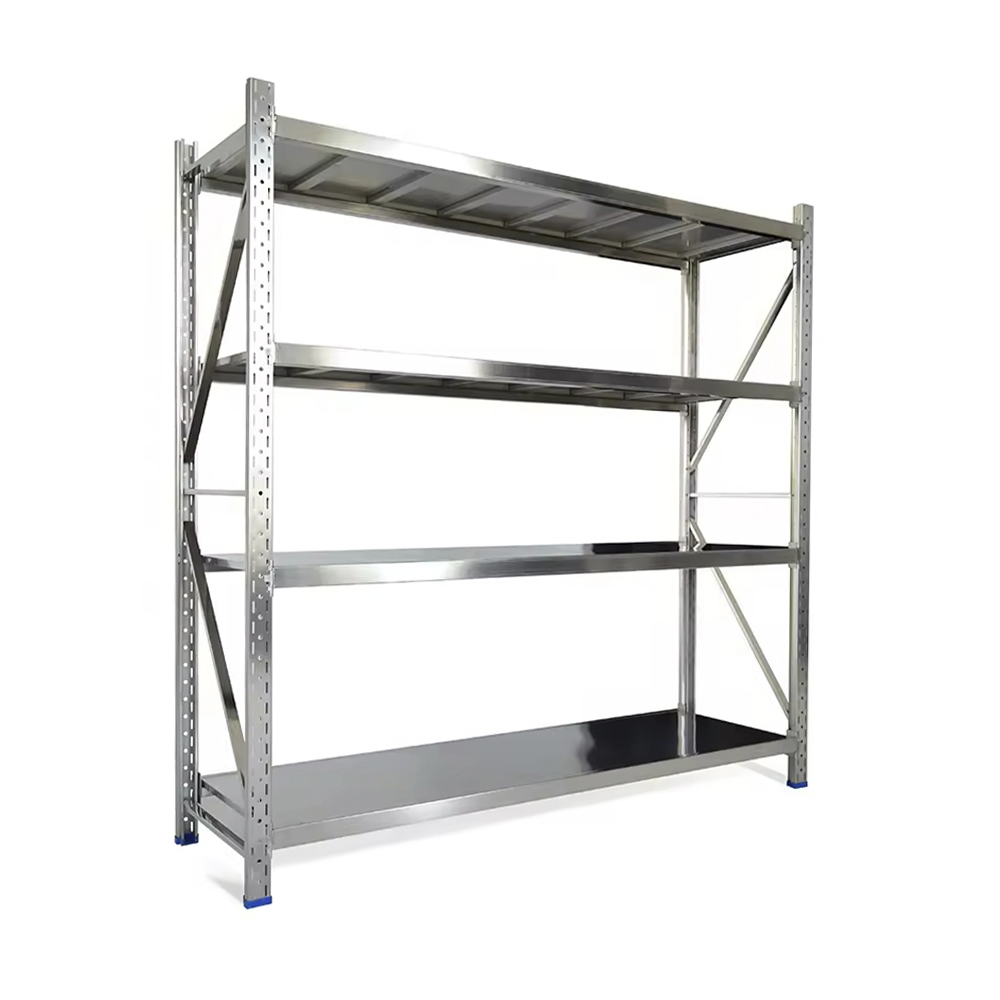
King Global Shelf offers a comprehensive range of industrial-grade warehouse racking solutions, designed to maximize storage capacity, improve inventory efficiency, and meet the diverse needs of modern logistics, manufacturing, and distribution centers.
Our core warehouse rack product line includes:
·Light Duty Racks: Ideal for small parts and low-volume SKUs in general warehouses and workshops.
·Medium Duty Racks: Versatile solutions for mid-weight inventory, widely used in retail warehouses, e-commerce fulfillment centers, and light manufacturing.
·Heavy Duty & Pallet Racking: High-capacity systems designed for palletized goods, suitable for high-volume distribution centers, cold chain warehouses, and automotive parts storage.
·Custom & Specialized Racks: Including hang clothes racks for apparel warehouses, tire racks, stainless steel racks for clean environments, and cold-resistant racks for low-temperature storage.
·With strict quality control, load testing, and corrosion-resistant finishes, our warehouse racks ensure long-term durability and operational safety. We also provide professional consultation, layout design, and installation support to deliver tailored solutions that align with your specific storage requirements.
What Sets Us Apart
Who We Are
Better Shelving, Better Business
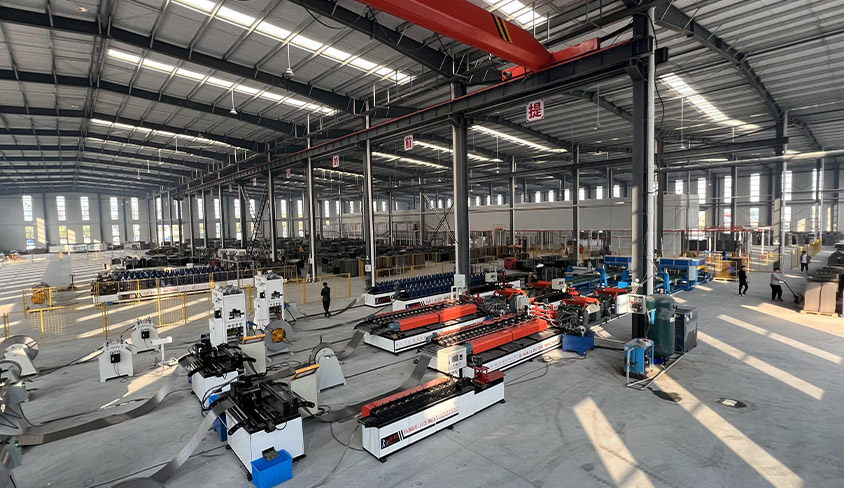
Shanghai King Global Shelf Co.,Ltd. is a leading manufacturer of shelving and storage solutions for
logistics and warehousing. Specializing in home racks, industry heavy-duty shelving, and warehouse
optimization systems. Founded in 2010, we have built strong production capability with a modern facility,
experienced team, and reliable quality control. We are China Warehouse Rack Manufacturer and OEM/ODM Industrial Storage Rack Factory, our products are designed to improve display, storage
efficiency, and space utilization for different markets. With stable quality, flexible solutions,
and responsive service, we support customers in both domestic and overseas markets.
About Us


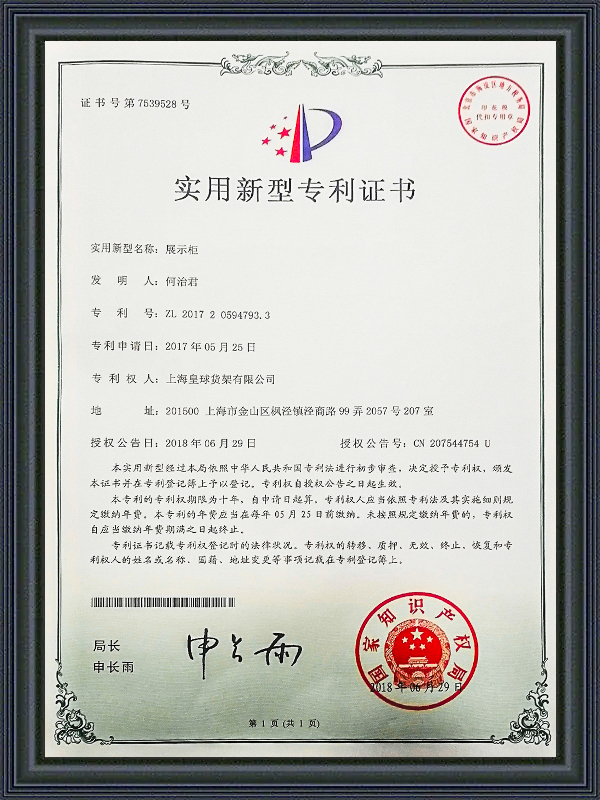
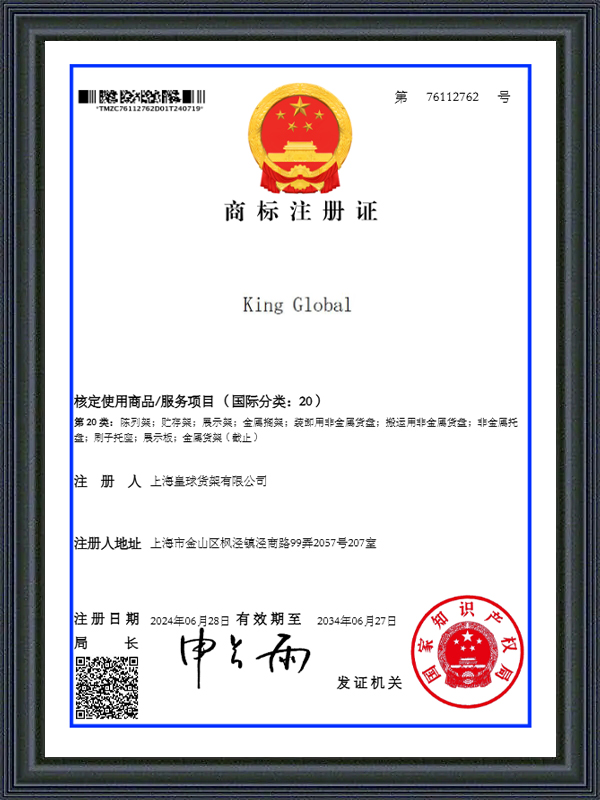
Honor
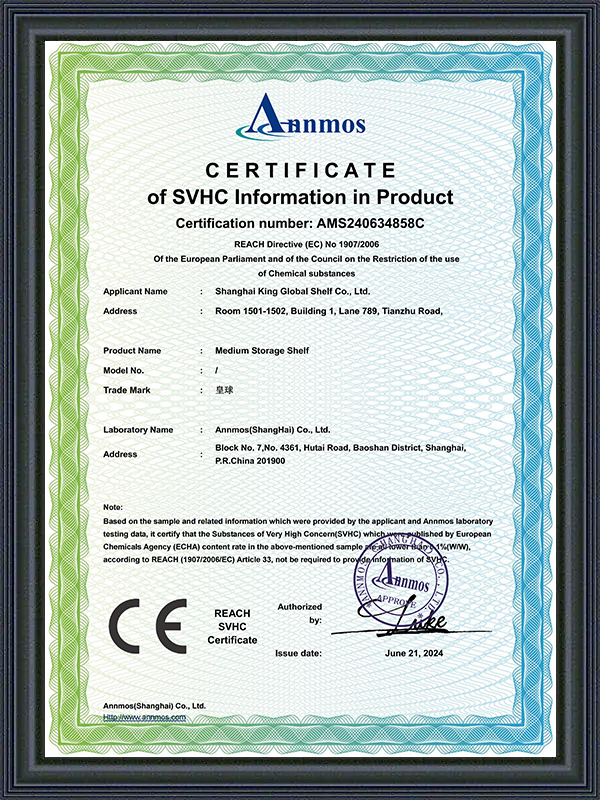
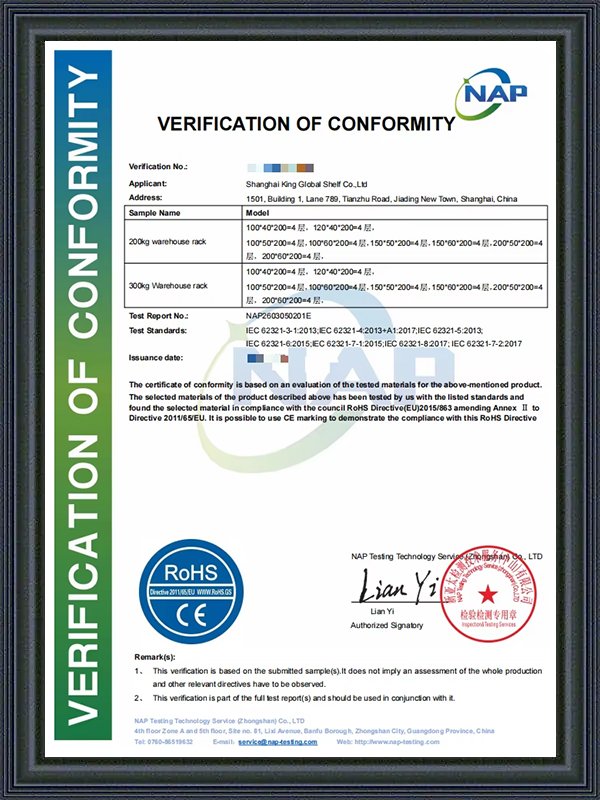
Certificate Of Honor
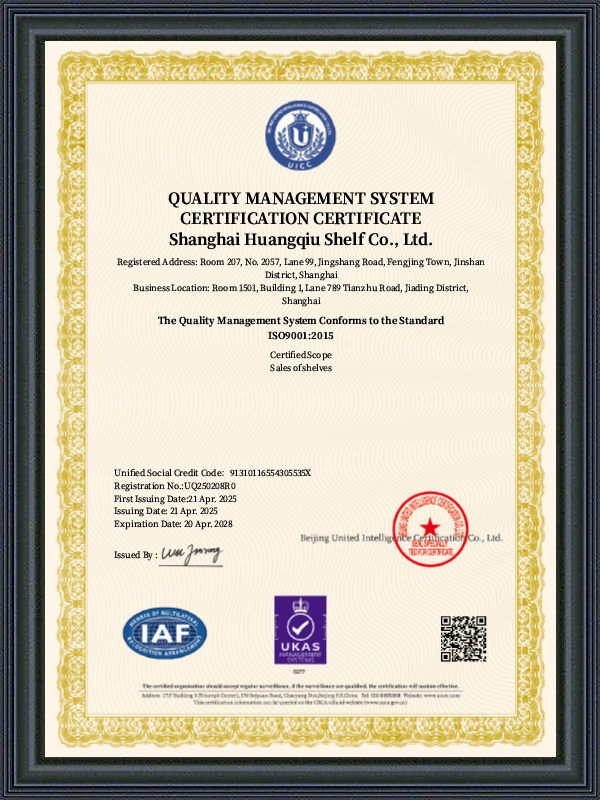
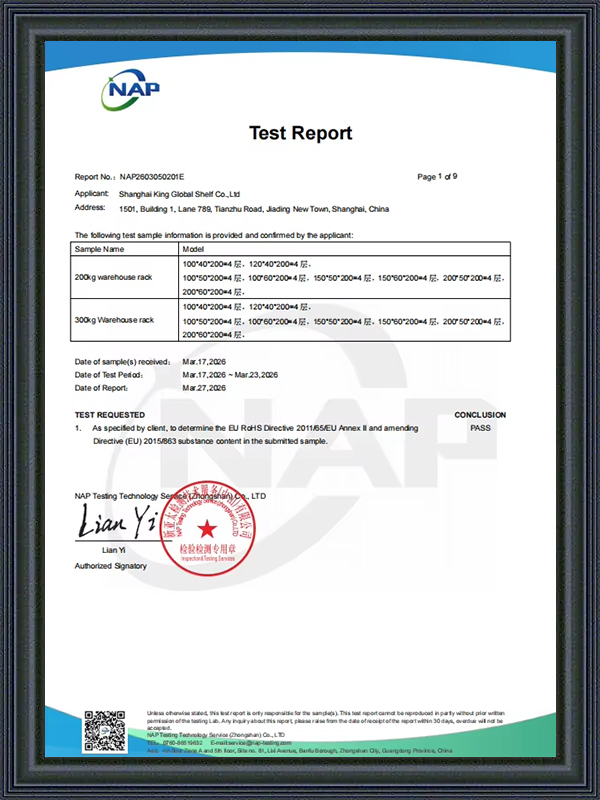
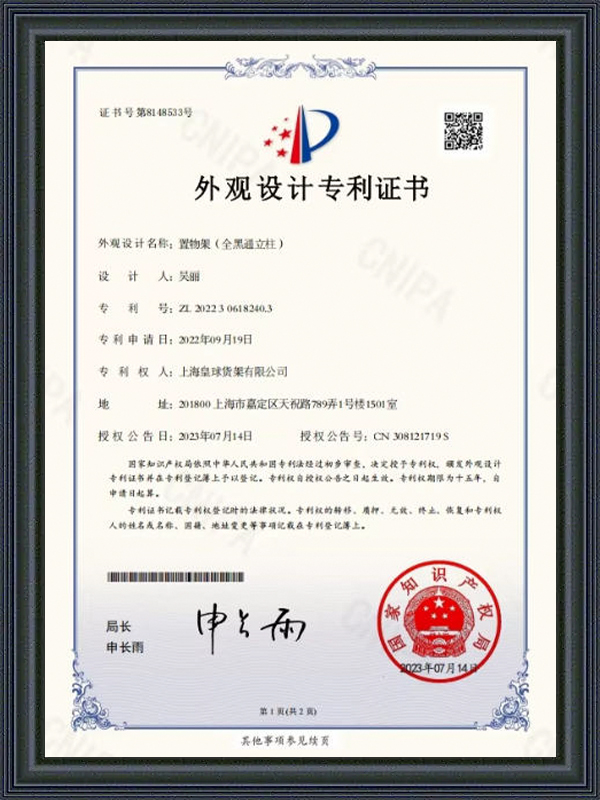
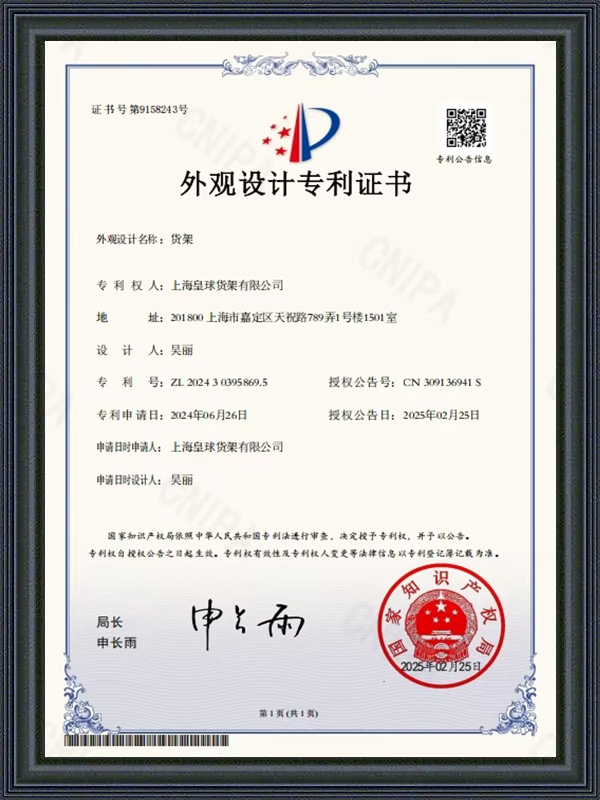
-

 2026-09-21
 Industry News
-
2026-09-15
Industry News
-
2026-09-08
Industry News
-
2026-09-01
Industry News
Feedback
Message Feedback
Knowledge
Warehouse Rack Industry knowledge
1. Warehouse Rack and Industrial Storage Rack Overview
A warehouse rack is a structural storage system built from vertical frames, horizontal beams, and load-bearing connectors that allow goods to be organized on multiple levels above the floor. An industrial storage rack extends this same principle to heavier-duty environments such as distribution centers, manufacturing plants, and cold storage facilities, where pallets, cartons, or long items must be stacked safely while keeping aisles open for forklifts and order pickers. The core function of both a warehouse rack and an industrial storage rack is to convert unused vertical space into usable storage capacity, which directly reduces the building footprint required per pallet position. Because these systems are engineered from cold-formed or hot-rolled steel, a properly designed warehouse rack can support several tons of distributed load across each beam level without excessive deflection.
Beyond raw capacity, a well-planned industrial storage rack layout also influences picking speed, inventory accuracy, and workplace safety, since narrow-aisle or wide-aisle configurations change how quickly staff can locate and retrieve stock keeping units. Selecting the correct warehouse rack style therefore depends on pallet dimensions, forklift type, ceiling height, and the turnover rate of the stored goods, rather than on a single universal design. Rack configuration has a direct and measurable effect on both storage density and daily throughput, which is why professional layout planning is usually recommended before installation. The remainder of this article reviews the common structural types available in this category, explains how each type performs under load, compares their storage behavior with simple data visuals, and outlines practical selection and maintenance guidance for facility managers.
2. Common Types of Industrial Storage Rack Systems
Industrial storage rack systems are generally grouped by how pallets are accessed and how the frame handles depth versus height. The four configurations below cover most general warehousing needs, from fast order picking to bulk seasonal storage.
(1) Selective Pallet Rack
Selective pallet rack is the most widely used warehouse rack format because every pallet position is directly accessible from the aisle. Beams are bolted or clipped into upright frames at adjustable heights, so the layout can be reconfigured as product dimensions change. This type suits operations with many different stock keeping units and moderate to high pick frequency, since forklifts do not need to move other pallets to reach a specific position.
(2) Drive-In Rack
Drive-in rack removes most aisles by allowing the forklift to enter the rack structure itself, storing pallets on rails that run from front to back. This industrial storage rack style trades selectivity for density, making it appropriate for facilities holding large volumes of a limited number of products, such as bulk raw materials or seasonal inventory with low turnover.
(3) Cantilever Rack
Cantilever rack uses arms extending from a single vertical column rather than enclosed bays, which makes it suited to long or irregularly shaped items such as pipes, timber, or steel bars. Because there are no front columns blocking the load, this warehouse rack type allows items of varying lengths to be loaded and unloaded from either side without obstruction.
(4) Pallet Flow Rack
Pallet flow rack uses gravity rollers on an inclined track so that pallets loaded at the rear move forward automatically as the front pallet is removed. This industrial storage rack design supports first-in-first-out rotation, which benefits facilities handling perishable goods or products with expiry dates that require strict stock rotation.
3. Structural Principles Behind Warehouse Rack Design
Every warehouse rack relies on a small set of structural principles regardless of style. Upright frames carry the vertical load down to base plates anchored to the floor, while horizontal beams transfer the pallet load into the uprights through connector locks or bolted joints. The spacing between upright columns, known as the bay width, determines how much load each beam level must span, so wider bays generally require thicker beam profiles to avoid excessive bending. Diagonal and horizontal bracing between the front and rear uprights keeps the frame rigid against side-to-side movement, which becomes especially important in seismic zones or where forklifts frequently contact the structure.
The steel used in an industrial storage rack is typically cold-formed into C-shaped or box-shaped profiles, since this shape provides high strength relative to material weight. Surface treatment, usually powder coating or hot-dip galvanizing, protects the steel from corrosion, which is particularly relevant in cold storage or coastal facilities with high humidity. Load rating is always determined by the weakest point in the system, whether that is the beam, the upright, or the connector, so a warehouse rack should always be evaluated as a complete assembly rather than by individual component strength alone.
4. Storage Capacity Comparison Across Rack Types
Before reviewing the chart below, it is useful to understand what storage density actually measures in a warehouse context. Storage density refers to how many pallet positions can be fit into a given floor area once aisle space is accounted for. Selective pallet rack tends to sit at the lower end of density because every pallet needs its own accessible aisle, while drive-in rack sits at the higher end because forklifts travel inside the rack structure itself. Cantilever rack density depends heavily on the length of stored items rather than pallet count, so it is measured differently in practice. Pallet flow rack falls between the two extremes, since it compresses storage lanes but still requires loading and unloading aisles at each end. The chart below presents a general comparison of relative storage density across the four common configurations discussed earlier, expressed as an index rather than an exact figure, since actual density always depends on building dimensions and product size.
This horizontal bar comparison shows why drive-in rack scores highest on the density index, since removing aisles between bays allows far more pallet positions per square meter than an aisle-dependent layout. Selective pallet rack scores lowest on density but this is expected, because the same open-aisle design that limits density is what provides full access to every pallet at any time. Pallet flow rack sits in the middle of the range, reflecting its compromise between compact lane storage and the aisle space still needed at the loading and unloading ends. Cantilever rack is shown with a note indicating that its index is length-based rather than pallet-based, since long items such as pipe or timber do not fit the standard pallet position model used for the other three types. Readers evaluating a warehouse rack purchase should treat this chart as a general planning reference rather than a precise calculation, since actual achievable density always depends on ceiling height, aisle width regulations, and forklift turning radius at the specific facility. In practice, many industrial storage rack installations combine more than one of these types in different zones of the same warehouse, using selective rack near fast-moving picking areas and higher-density rack for bulk or reserve stock.
5. Load Capacity Behavior Across Beam Levels
Understanding how load capacity changes across the height of a warehouse rack helps explain common design and safety guidance. In most rack systems, the lowest beam level, sometimes called the floor level, can often carry a higher load than upper levels because the overall frame experiences less overturning moment near the base. As beam levels rise, the load rating is typically adjusted downward to keep the center of gravity of the stored goods lower and to reduce stress on the upright frame under lateral movement. This is a general engineering tendency rather than a fixed rule for every industrial storage rack, since actual capacity always depends on the specific frame, beam profile, and bay configuration used. The line chart below illustrates this general downward trend in allowable load as beam level increases, using an indexed scale rather than a specific weight figure, since true capacity should always be confirmed against the manufacturer specification and rack load plaque for a given installation.
This line chart shows a consistent downward slope from the ground level toward the top beam level, which reflects a common pattern seen across many warehouse rack installations rather than a value that applies to every project without exception. The steepest single drop tends to occur between the first and second levels, largely because the base connection and anchoring at floor level provide additional resistance against tipping that upper levels do not share. As the beam level increases further, the rate of decline generally becomes more gradual, since the remaining structural factors, such as beam deflection limits, start to dominate over overturning concerns. Facility staff should always place heavier pallets on lower levels and lighter pallets higher up whenever the specific rack load plaque allows this flexibility, since this practice keeps the overall structure closer to its design assumptions. This general trend also explains why many industrial storage rack systems display a separate load rating plaque for each beam level rather than a single capacity figure for the whole frame. Warehouse managers planning inventory placement should always consult the specific rack manufacturer documentation for the installed system, since bay width, upright gauge, and beam profile all influence how much the capacity actually declines with height.
6. Comparing Rack Types Across Key Performance Factors
Choosing between rack types is rarely about a single factor such as density alone, since accessibility, installation complexity, and suitability for irregular loads all matter depending on the operation. A radar comparison is useful here because it allows several factors to be viewed together rather than one at a time. The chart below compares selective pallet rack, drive-in rack, and pallet flow rack across four general factors: storage density, pallet accessibility, installation simplicity, and suitability for stock rotation. Cantilever rack is left out of this particular comparison because its use case, long or irregular items, is different enough from pallet-based storage that a direct factor-by-factor comparison would not be meaningful. Readers should treat the shape of each line as indicative of relative strengths and trade-offs rather than as a precise numerical measurement, since real-world performance always depends on the specific facility layout.
The radar chart makes clear that no single rack type dominates every factor, which is precisely why facility planning usually involves trade-off decisions rather than a single best answer. Selective pallet rack forms the smallest overall shape on density but extends furthest on accessibility and installation ease, which reflects its simple bolted construction and full pick access to every position. Drive-in rack extends furthest on the density axis but pulls inward on accessibility, since only the front-most pallet in each lane can be reached without moving other stock. Pallet flow rack sits between the other two on most factors but extends notably on the rotation axis, since its gravity-fed design naturally supports first-in-first-out movement without extra staff effort. This kind of multi-factor view is particularly useful during the early planning stage of an industrial storage rack project, since it helps a facility manager weigh which trade-offs matter most for their specific product mix. No single rack configuration is universally superior, and the right choice depends on how a facility balances pick frequency, product turnover, and available floor space.
7. Application Scenarios and Selection Guidelines
Warehouse rack selection generally starts with three questions: how many different products need to be stored, how often each pallet is accessed, and what the physical dimensions of the goods are. Distribution centers with high SKU counts and frequent picking typically favor selective pallet rack because of its full accessibility. Facilities storing large volumes of a small number of products, such as beverage or raw material warehouses, often lean toward drive-in rack to maximize density. Cold storage operations frequently combine pallet flow rack with strict rotation requirements, since maintaining product freshness depends on consistent first-in-first-out movement. Cantilever rack is generally reserved for long or oddly shaped items that cannot be palletized in a standard way, such as furniture panels, pipe, or extruded profiles.
The table below summarizes typical application scenarios alongside the primary selection factor for each industrial storage rack type, which can serve as a quick reference during early-stage facility planning.
| Rack Type | Typical Application | Primary Selection Factor |
|---|---|---|
| Selective Pallet Rack | Distribution centers, retail warehousing | Full pallet accessibility |
| Drive-In Rack | Bulk raw material, seasonal stock | Maximum storage density |
| Cantilever Rack | Pipe, timber, panel storage | Long or irregular item support |
| Pallet Flow Rack | Cold storage, perishable goods | First-in-first-out rotation |
Beyond rack type, selection should also account for ceiling clearance, fire sprinkler placement, floor load rating, and the turning radius of the forklift equipment already in use at the facility. Shanghai King Global Shelf Co., Ltd. works with logistics and warehousing operators to match these variables against layout drawings before recommending a specific warehouse rack configuration, since a design that ignores building constraints can create bottlenecks even if the rack itself is well engineered. Facilities expecting future growth may also benefit from modular selective rack sections that can be reconfigured as product mix or volume changes over time, rather than a fixed-depth system that is harder to adapt later.
8. Maintenance Guidance for Long-Term Reliability
Routine inspection is the foundation of safe warehouse rack operation over its service life. Visual checks should look for bent beams, damaged upright columns, missing safety clips, and misaligned base plates, since even minor impact damage from forklift contact can reduce the effective load rating of a section. Many facilities schedule a documented inspection at set intervals, supplemented by informal daily observation from warehouse staff who are already moving through the aisles. Damaged components should be taken out of service and replaced rather than repaired in place, since bent steel does not reliably return to its original strength even after straightening.
Floor anchoring should also be checked periodically, since repeated vibration or minor floor settlement can loosen base plate bolts over time. Keeping aisles clear of obstructions and maintaining correct beam-to-upright locking is central to safe long-term operation of any industrial storage rack. Facilities should also confirm that the current pallet weight and dimensions still match the original rack design specification, since product changes over time can gradually push a system beyond its intended use without an obvious single incident causing the shift. As a manufacturer with experience across home rack, industrial heavy-duty shelving, and warehouse optimization systems since 2010, Shanghai King Global Shelf Co., Ltd. designs its warehouse rack and industrial storage rack products with consistent quality control and provides guidance to help customers plan configurations suited to their specific storage and handling needs across domestic and overseas markets.
9. Frequently Asked Questions
(1) What is the difference between a warehouse rack and a regular shelving unit
A warehouse rack is engineered for pallet loads and heavy distributed weight across wide spans, while standard shelving is generally designed for hand-loaded cartons or smaller items placed directly on shelf panels.
(2) How is the correct industrial storage rack type chosen for a facility
Selection generally depends on the number of different products stored, how often pallets need to be accessed, the dimensions of the goods, and the available ceiling height and aisle width in the building.
(3) Can different rack types be combined in the same warehouse
Yes, many facilities use selective pallet rack near active picking zones and higher-density formats such as drive-in or pallet flow rack for bulk or reserve storage within the same building.
(4) How often should a warehouse rack be inspected
Most facilities combine ongoing informal observation by warehouse staff with a scheduled documented inspection, allowing damaged components such as bent beams or loose base plates to be identified and replaced before they affect structural performance.
(5) Does rack load capacity stay the same at every beam level
No, allowable load commonly decreases at higher beam levels due to increased overturning moment and stability considerations, so the specific load plaque for each level should always be checked before placing pallets.
Get exclusive deals and early access to new products.
Experienced staff and experts are always available to provide you with professional guidance and solutions to technical problems.
Mobile
-
Quick Links
Home Products Cooperation Cases Company Service News Contact Us -
Product
Warehouse Rack Pallet Racking Mezzanine Racking Cantilever Racks Supermarket Shelf Office & Home Shelves -
Contact Us

E-mail: liwu78465@gmail.com

WhatsApp: 8613761540945

China Tel: +86-13761540945
Thailand Tel: +66 99 109 1956 (Line Same)
Thailand Tel: +66 92 242 5845 (Line Same)

China Address:Room 1501, Building 1, Lane 789, Tianzhu Road, Jiading District, Shanghai, China.
USA Address: 23787 Eichler St, Unit G, Hayward, CA 94545.
Malaysia Address: METROHUB 2 Warehouse 4, Lot 109363, Persiaran Bukit Rajakayangan/KU5,Bandar Bukit Raja, 41050 Klang, Selangor Darul EhsanReturn to Gate 81, Malaysia.
Thailand Address:จังหวัดสมุทรปราการ อำเภอบางเสาธง ตำบลบางเสาธง 32/7 หมู่7 ถนนบางพลี-ตำหรุ บางพลีใหญ่ Bang Phli District, Samut Prakan 10540,(TH)
Copyright ©
Shanghai King Global Shelf Co.,Ltd.
All Rights Reserved.
Warehouse Rack Manufacturer
OEM/ODM Industrial Storage Rack Factory
