


 English
  Español
  русский
  Français
  한국어
한국어  عربى
عربى  ไทย
ไทย  Deutsch
  Bahasa Melayu
  Português
  Polskie
China Tel: +86-13761540945
Thailand Tel: +66 99 109 1956
Thailand Tel: +66 92 242 5845
liwu78465@gmail.com



Warehouse Pallet Rack Manufacturer
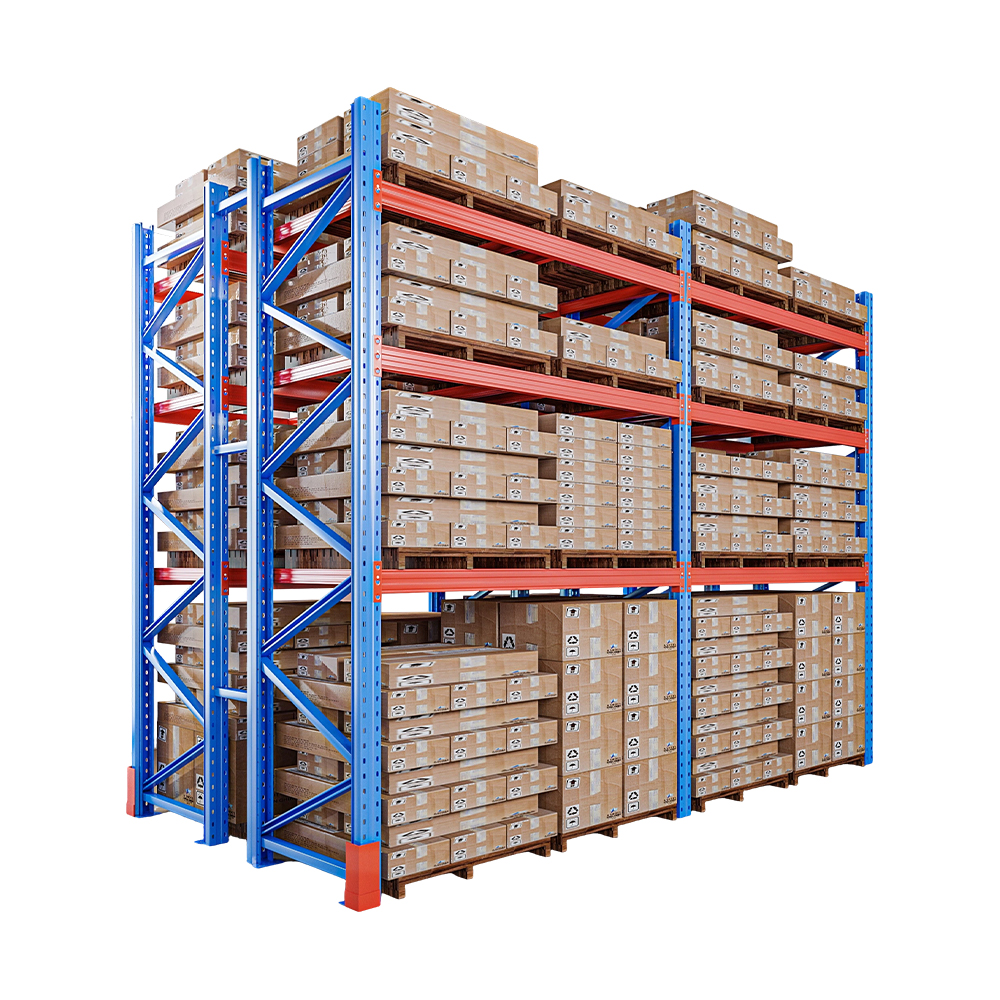
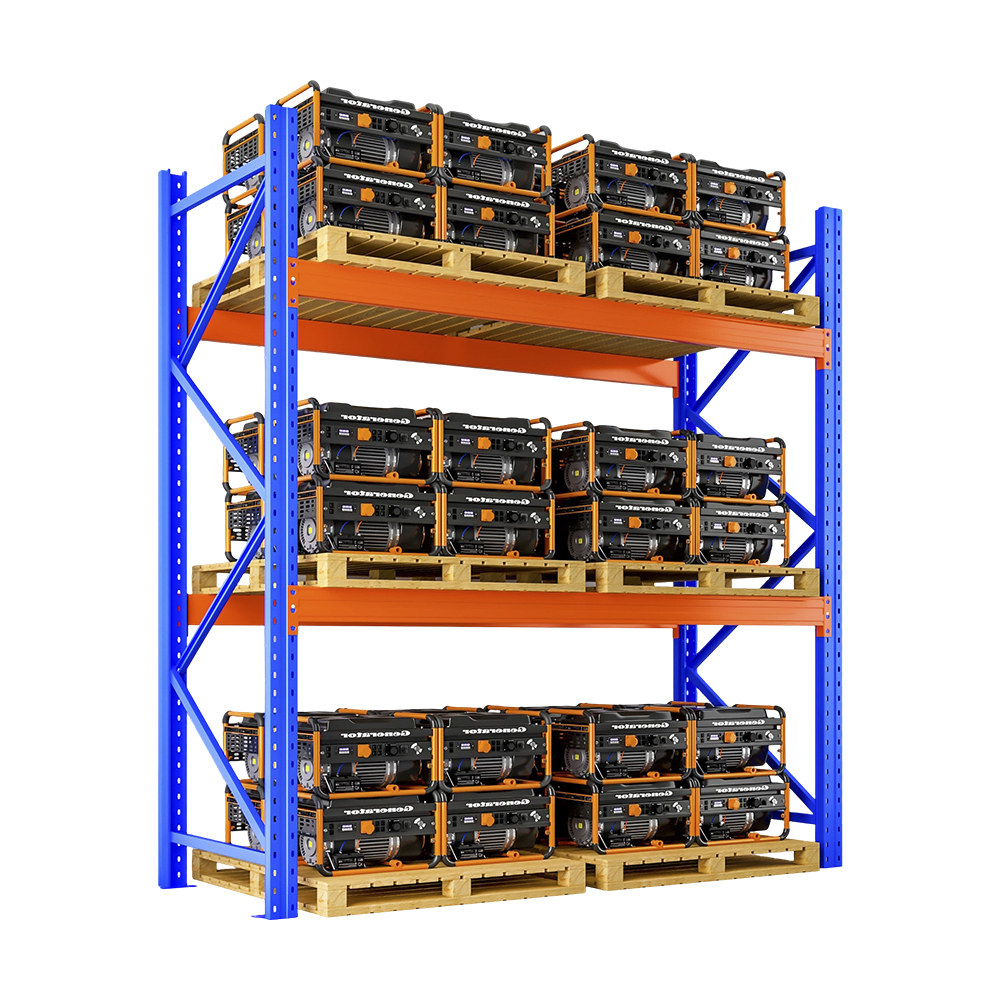
Pallet racking is a standard industrial storage system designed to hold goods placed on pallets, widely used for palletized cargo storage in warehouses.
Application Scenarios
·Large logistics centers & distribution centers
·Manufacturing factories for raw materials and finished products
·Warehouses with high turnover and forklift operations
·Bulk cargo storage in supermarkets and wholesale centers
Pallet Racking: Introduction & Key Advantages
Pallet racking is the most common type of heavy-duty industrial storage system, designed to store goods loaded on pallets (also called skids) in organized, multi-level configurations. It consists of upright frames and adjustable horizontal beams, allowing forklifts or stackers to directly access each pallet position.
Core Features & Advantages
·High Load Capacity: Built to handle heavy palletized goods, with each level supporting 500kg+ (up to several tons). Reinforced uprights and multi-folded beams ensure exceptional structural strength and safety.
·High Space Efficiency: It maximizes vertical space. This significantly increases storage density without expanding the warehouse footprint.
·Flexible & Versatile: Beam heights are fully adjustable to accommodate different pallet sizes and product dimensions. The modular design allows for easy reconfiguration or expansion as your inventory needs change.
·Direct Access to All Pallets: Every stored pallet is immediately accessible, making it ideal for fast-paced logistics and distribution centers where quick inventory turnover is critical.
·Durable & Long-Lasting: Constructed from high-quality steel with anti-rust finishes, pallet racking is engineered for heavy daily use and is a reliable, long-term investment for industrial operations.
What Sets Us Apart
Who We Are
Better Shelving, Better Business
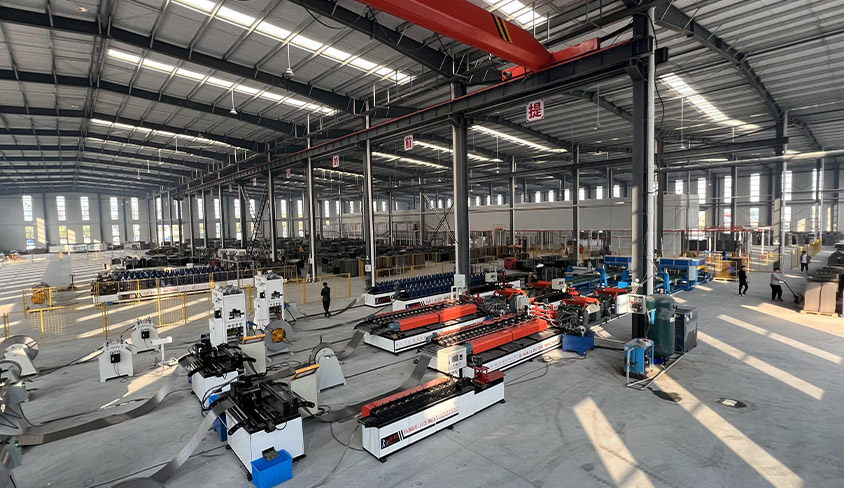
Shanghai King Global Shelf Co.,Ltd. is a leading manufacturer of shelving and storage solutions for
logistics and warehousing. Specializing in home racks, industry heavy-duty shelving, and warehouse
optimization systems. Founded in 2010, we have built strong production capability with a modern facility,
experienced team, and reliable quality control. We are China Warehouse Pallet Rack Manufacturer and OEM/ODM Metal Pallet Racking Factory, our products are designed to improve display, storage
efficiency, and space utilization for different markets. With stable quality, flexible solutions,
and responsive service, we support customers in both domestic and overseas markets.
About Us


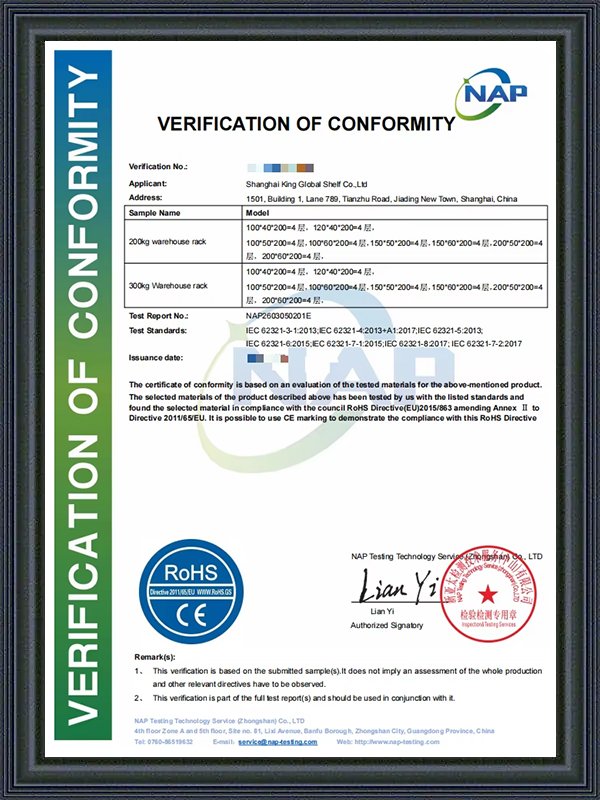
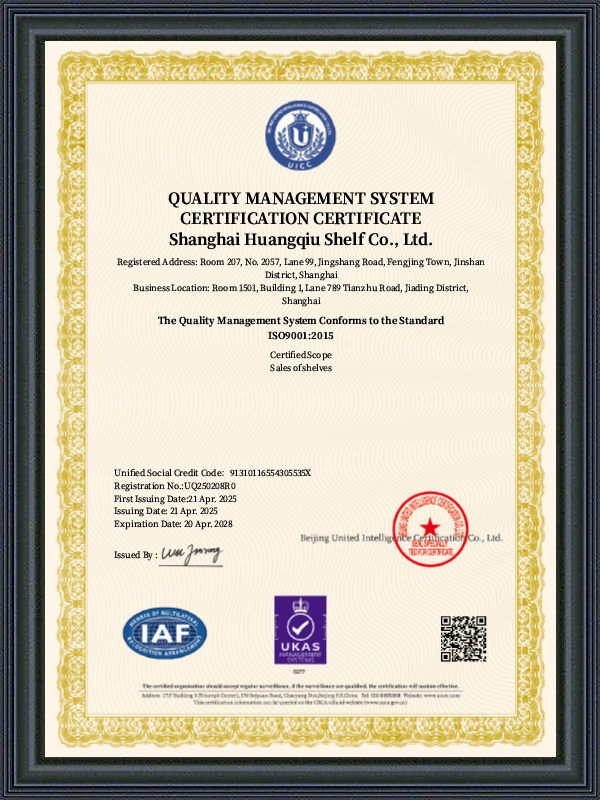
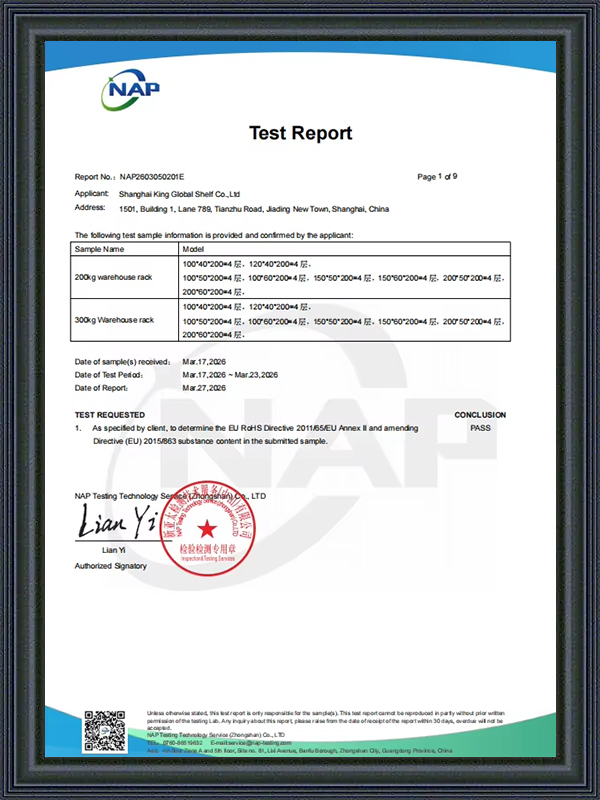
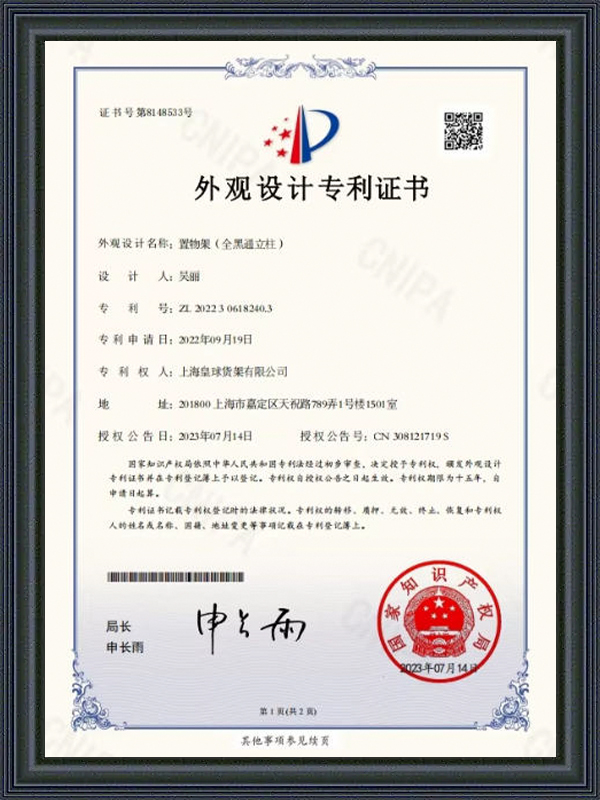
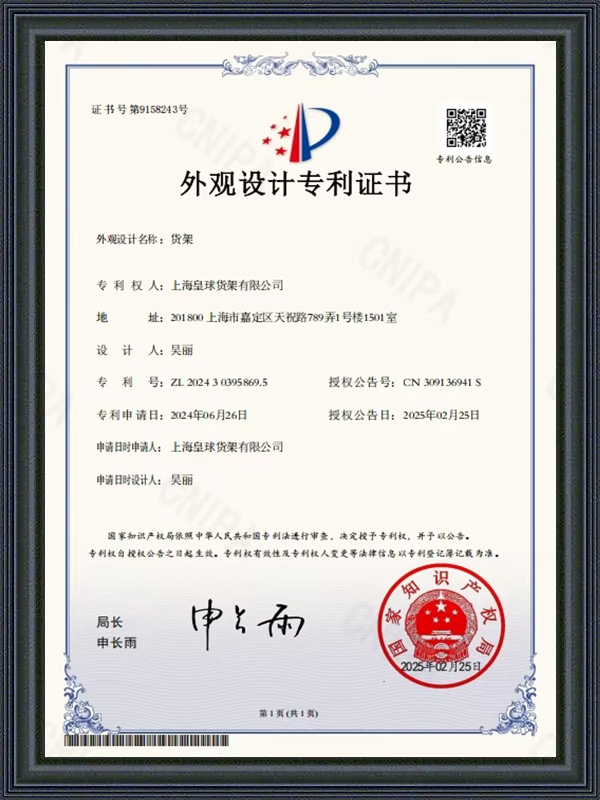
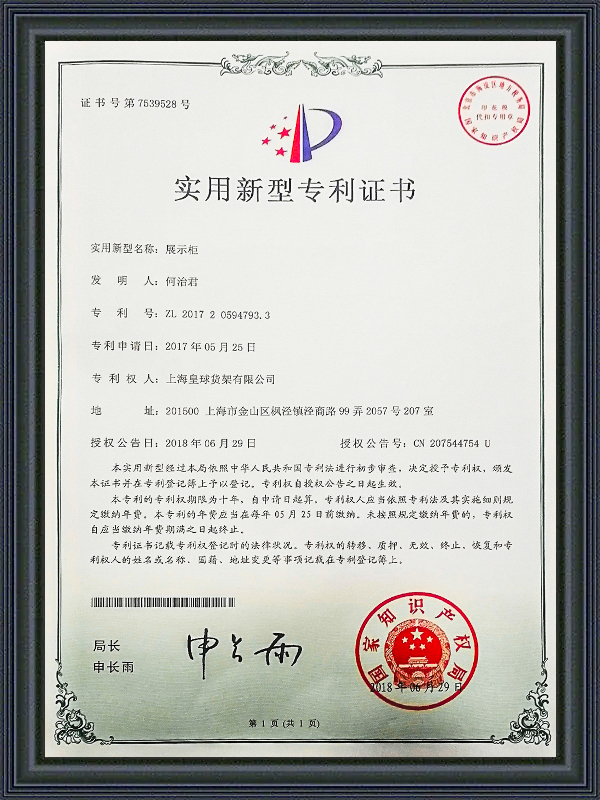
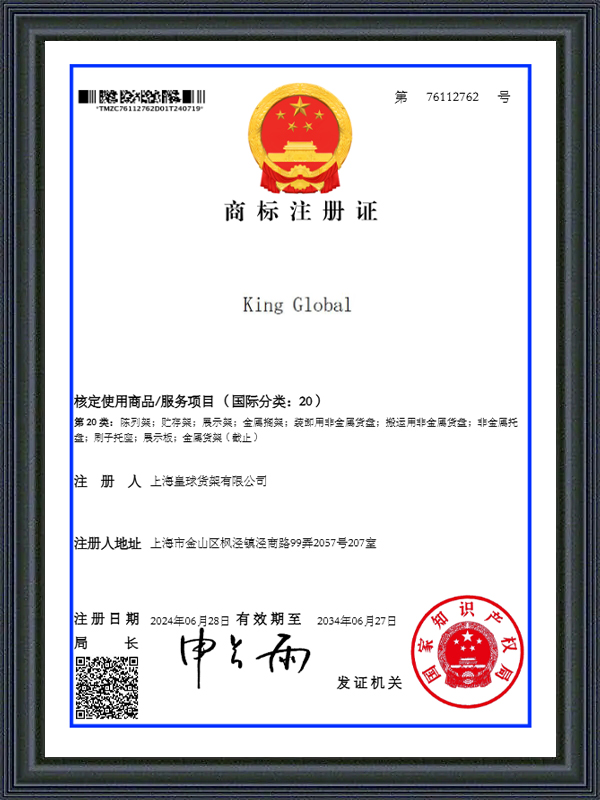
Honor
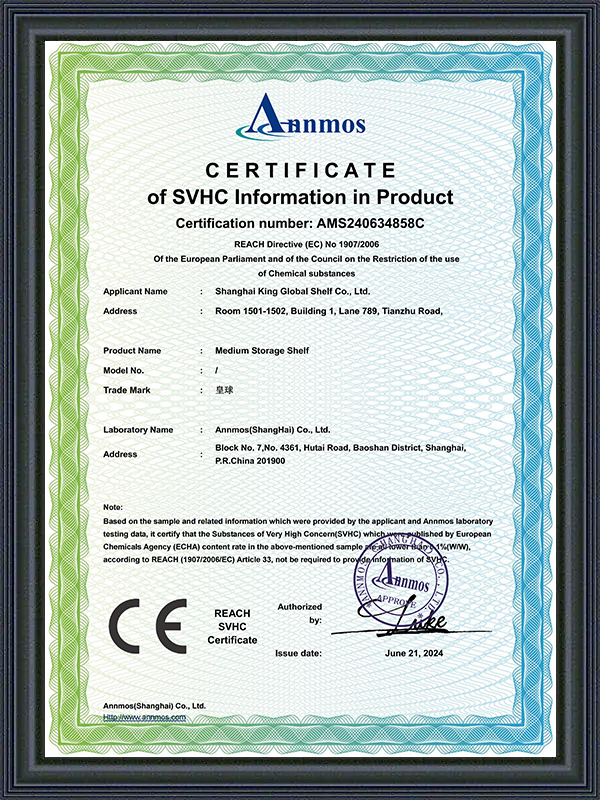
Certificate Of Honor
-

 2026-09-21
 Industry News
-
2026-09-15
Industry News
-
2026-09-08
Industry News
-
2026-09-01
Industry News
Feedback
Message Feedback
Knowledge
Pallet Racking Industry knowledge
1. Warehouse Pallet Rack and Metal Pallet Racking Overview
A warehouse pallet rack is a structural system of upright frames and horizontal beams built to hold palletized goods at multiple levels above the warehouse floor. Metal pallet racking is manufactured from cold-formed or hot-rolled steel sections, which allows each frame to carry concentrated pallet loads while keeping the overall structure lightweight relative to its strength. A pallet storage rack differs from general shelving in that it is engineered around standard pallet dimensions and forklift access, rather than hand-loaded cartons placed directly on a shelf surface. The primary purpose of this equipment category is to convert vertical space above the floor into usable storage positions, which reduces the building area required to hold a given amount of inventory.
Because pallet weights, product turnover, and building dimensions vary widely between operations, a warehouse pallet rack is typically selected by duty classification and configuration rather than as a single universal product. Beam capacity, frame depth, and bay spacing together determine the total storage performance of a metal pallet racking system, so these variables are usually reviewed together during layout planning rather than in isolation. The sections below review the main structural components of a pallet storage rack, explain duty classifications and load behavior, compare configurations using simple data visuals, and outline selection and maintenance guidance relevant to distribution centers, manufacturing sites, and cold storage facilities.
2. Core Components of a Pallet Storage Rack System
Every pallet storage rack, regardless of duty class, is built from a small number of recurring components. Understanding each part helps explain why load rating and safety depend on the assembly as a whole rather than any single piece.
(1) Upright Frames
Upright frames form the vertical backbone of a warehouse pallet rack, transferring load down to base plates anchored to the floor slab. Frame depth is chosen based on pallet size, and horizontal or diagonal bracing between the front and rear columns keeps the frame resistant to side loading from forklift contact or building vibration.
(2) Load Beams
Load beams connect opposing upright frames and directly support pallet weight across each level. Beam profile, most commonly a box-section or step-back design, determines how much a beam can span before deflection becomes excessive, which is why beam thickness increases with heavier duty classifications.
(3) Wire Decking and Safety Accessories
Wire mesh decking is often placed across beam pairs to prevent small items from falling through and to improve fire sprinkler performance by allowing water to pass through the rack level. Safety accessories such as upright protectors, beam locks, and row spacers further reduce the chance of accidental dislodgement or impact damage during daily forklift operation.
3. Duty Classifications: Light, Medium, and Heavy Duty Racking
Metal pallet racking is generally grouped into duty classes based on the load each level is designed to carry. Light duty racking suits small parts and low-volume stock keeping units in general warehouses and workshops, where individual loads are modest and access frequency is high. Medium duty racking is a versatile option used across retail warehousing, e-commerce fulfillment, and light manufacturing, handling mid-weight cartons or mixed pallet loads. Heavy duty and pallet racking configurations are built for fully palletized goods and are common in high-volume distribution centers, cold chain warehouses, and automotive parts storage, where beam levels must reliably support substantial concentrated loads across long spans. Alongside these three general classes, custom and specialized racks extend the same structural principles to particular needs, including hanging garment storage for apparel warehouses, tire racks, stainless steel racks for clean environments, and cold-resistant racks for low-temperature storage.
This donut chart illustrates a general pattern in how the four duty classifications are commonly distributed across mixed warehousing operations rather than a fixed rule for every facility. Medium duty racking often represents the largest single share because it fits the broadest range of general fulfillment and retail storage needs without requiring the heaviest beam sections. Light duty racking still holds a meaningful share since many operations maintain a parts or small-item area alongside their main pallet storage zones. Heavy duty and pallet racking typically accounts for a similar or slightly smaller share, concentrated in facilities that specifically handle palletized bulk goods such as automotive components or beverage distribution. The custom and specialized segment, covering garment hanging racks, tire racks, stainless steel racks, and cold-resistant racks, reflects operations with particular product handling needs that fall outside standard pallet dimensions. Facilities rarely rely on a single duty classification alone, and most distribution centers combine two or more classes across different zones depending on the product mix stored in each area. This distribution should be read as a general planning reference, since the actual proportion used by any specific warehouse depends entirely on its own inventory profile and building layout.
4. Beam Capacity Comparison by Duty Classification
Beam capacity is one of the clearest indicators of how a metal pallet racking system is expected to perform under load. Comparing indexed beam capacity across the three general duty classes helps explain why a facility handling automotive components would not select the same racking as one storing small parts bins. The vertical column chart below presents an indexed comparison rather than an exact weight figure, since actual beam capacity always depends on beam length, profile thickness, and the specific manufacturer specification. Reading this chart alongside the duty classification descriptions above gives a fuller picture of how storage requirements translate into structural selection. The comparison also reinforces why beam thickness and upright gauge increase together as duty class rises, since a heavier beam alone would not be effective without a frame capable of transferring that additional load safely to the floor.
The column heights in this chart rise steadily from light duty through medium duty to heavy duty racking, which visually confirms the expected relationship between duty class and beam strength. Light duty beams show the shortest column because these levels are intended for smaller, evenly distributed loads such as parts bins or lightweight cartons rather than full pallets. Medium duty beams sit roughly midway on the index, reflecting their common use for mixed pallet and carton storage in retail and e-commerce fulfillment settings. Heavy duty beams reach the top of the index, consistent with their role supporting fully loaded pallets in distribution centers and automotive parts storage where concentrated weight per beam level is highest. The gap between medium and heavy duty is often larger than the gap between light and medium, which reflects the more substantial structural reinforcement, thicker steel gauge, and reinforced connectors required once a system moves into full pallet-rated territory. Readers should note that these index values are illustrative rather than fixed engineering figures, since exact beam capacity depends on span length, load distribution pattern, and the specific product line selected. This kind of comparison is most useful during early facility planning, before a specific metal pallet racking product has been finalized, to help align expected pallet weights with the appropriate duty class from the outset.
5. Storage Utilization Trend Across Rack Height
Storage utilization refers to how effectively available height in a warehouse is converted into usable pallet positions once a warehouse pallet rack is installed. Facilities with taller clear ceiling heights generally gain more benefit from additional beam levels, though returns tend to taper off as very high levels become harder to access efficiently with standard forklift equipment. The stacked area chart below presents a general utilization trend as beam levels are added, expressed as a cumulative percentage of theoretical maximum storage rather than an exact figure for any single building. This visualization differs from a simple capacity comparison because it focuses on cumulative space usage rather than load rating at each level. Viewing utilization this way helps explain why very tall racking is not always proportionally more efficient once specialized lift equipment and additional safety measures are factored into the layout decision.
The shaded area in this chart climbs quickly through the first three beam levels, showing that the largest utilization gains generally come from the initial levels above the floor position. This pattern occurs because the first few added levels require the least additional handling complexity, since standard forklifts can usually reach these heights without specialized attachments. As the chart continues toward levels five and six, the curve begins to flatten, indicating that each additional level contributes a smaller marginal gain in usable storage relative to the effort and equipment required to access it safely. This flattening reflects practical constraints such as narrower aisle requirements at height, the need for taller mast forklifts or narrow-aisle equipment, and additional safety considerations at upper levels rather than any change in the physical strength of the pallet storage rack itself. Diminishing returns at greater heights are a normal part of vertical storage planning and do not indicate a flaw in the rack design, but rather a shift in what limits further utilization, from available structure to handling logistics. Facilities with very high ceilings often address this by combining conventional pallet storage rack levels in the lower zones with specialized narrow-aisle or automated retrieval equipment at greater heights. This chart is intended as a general planning illustration, and actual utilization curves will vary based on building height, aisle configuration, and the forklift or lift equipment already available at a given facility.
6. Application Scenarios Across Industries
Different industries tend to gravitate toward particular duty classes and configurations of warehouse pallet rack based on their product characteristics and turnover patterns.
- Retail and e-commerce fulfillment centers commonly rely on medium duty racking for mixed carton and pallet storage with frequent order picking.
- Automotive parts distribution typically uses heavy duty and pallet racking to support dense, concentrated component loads.
- Cold chain and food distribution warehouses often specify cold-resistant metal pallet racking suited to low-temperature environments.
- Apparel warehouses frequently use hanging garment racks alongside standard pallet storage rack sections for folded or boxed stock.
- Clean environment operations, such as certain electronics or pharmaceutical logistics areas, may specify stainless steel racking to meet surface cleanliness requirements.
Shanghai King Global Shelf Co., Ltd. supports this range of applications through a product line that spans light duty racks for small parts and low-volume storage, medium duty racks for retail and light manufacturing use, heavy duty and pallet racking for high-volume distribution, and custom or specialized racks including garment, tire, stainless steel, and cold-resistant designs. Matching the correct product line to the specific application generally has more influence on long-term storage performance than any single structural detail viewed on its own.
7. Selection Checklist for Metal Pallet Racking
The table below summarizes key factors typically reviewed when selecting a warehouse pallet rack configuration, alongside why each factor matters during the planning stage.
| Selection Factor | Why It Matters |
|---|---|
| Pallet weight and dimensions | Determines required beam capacity and duty classification |
| Ceiling clearance | Sets the practical number of beam levels achievable |
| Forklift type and reach | Influences aisle width and accessible rack height |
| Product turnover rate | Affects how many positions require frequent direct access |
| Environmental conditions | Determines whether corrosion-resistant or cold-resistant finishes are needed |
Working through this checklist before finalizing a warehouse pallet rack order helps avoid layout mismatches later, such as beam levels that cannot be reached by existing equipment or duty classes that are under-specified for actual pallet weights. Shanghai King Global Shelf Co., Ltd. provides layout consultation alongside its racking product line, helping align these factors with the building and operational conditions of each customer before installation begins.
8. Maintenance and Safety Inspection Guidance
Ongoing inspection keeps a metal pallet racking system performing as designed throughout its service life. Visual checks should look for bent beams, dented or twisted upright columns, missing beam locks, and loose base plate anchors, since forklift contact is one of the most common sources of gradual structural damage in active warehouses. Damaged components should always be replaced rather than repaired in place, since steel that has been bent under impact does not reliably regain its original strength even if straightened back into shape.
Wire decking should also be checked for sagging or corrosion, particularly in cold storage or high-humidity environments where finish quality has a direct effect on long-term durability. Consistent inspection combined with correct beam locking is central to safe long-term operation of any pallet storage rack. With strict quality control, load testing, and corrosion-resistant finishes applied across its product range, Shanghai King Global Shelf Co., Ltd. designs its warehouse pallet rack and metal pallet racking systems to support long-term durability, and the company provides professional consultation and installation support to help customers maintain safe, well-organized storage over time.
9. Frequently Asked Questions
(1) What is the difference between light, medium, and heavy duty pallet racking
The difference generally comes down to beam capacity and structural gauge, with light duty suited to small parts, medium duty suited to mixed carton and pallet loads, and heavy duty designed for fully palletized, high-weight storage.
(2) How is the correct warehouse pallet rack configuration determined
Configuration is typically based on pallet weight and dimensions, ceiling clearance, forklift type, product turnover rate, and any environmental requirements such as corrosion resistance or cold storage conditions.
(3) Can custom pallet storage rack designs be combined with standard duty classes
Yes, many facilities combine standard light, medium, or heavy duty sections with custom designs such as garment, tire, stainless steel, or cold-resistant racks within the same warehouse to match different product zones.
(4) Why does beam capacity decrease if pallets are not evenly distributed
Uneven or concentrated loading can create stress points beyond what the beam design assumes, so pallets should be centered and evenly distributed across each beam level whenever possible.
(5) How often should metal pallet racking be inspected
Most facilities pair routine informal observation from warehouse staff with scheduled documented inspections, allowing damaged beams, frames, or connectors to be identified and replaced before they affect overall structural performance.
Get exclusive deals and early access to new products.
Experienced staff and experts are always available to provide you with professional guidance and solutions to technical problems.
Mobile
-
Quick Links
Home Products Cooperation Cases Company Service News Contact Us -
Product
Warehouse Rack Pallet Racking Mezzanine Racking Cantilever Racks Supermarket Shelf Office & Home Shelves -
Contact Us

E-mail: liwu78465@gmail.com

WhatsApp: 8613761540945

China Tel: +86-13761540945
Thailand Tel: +66 99 109 1956 (Line Same)
Thailand Tel: +66 92 242 5845 (Line Same)

China Address:Room 1501, Building 1, Lane 789, Tianzhu Road, Jiading District, Shanghai, China.
USA Address: 23787 Eichler St, Unit G, Hayward, CA 94545.
Malaysia Address: METROHUB 2 Warehouse 4, Lot 109363, Persiaran Bukit Rajakayangan/KU5,Bandar Bukit Raja, 41050 Klang, Selangor Darul EhsanReturn to Gate 81, Malaysia.
Thailand Address:จังหวัดสมุทรปราการ อำเภอบางเสาธง ตำบลบางเสาธง 32/7 หมู่7 ถนนบางพลี-ตำหรุ บางพลีใหญ่ Bang Phli District, Samut Prakan 10540,(TH)
Copyright ©
Shanghai King Global Shelf Co.,Ltd.
All Rights Reserved.
Warehouse Pallet Rack Manufacturer
OEM/ODM Metal Pallet Racking Factory
