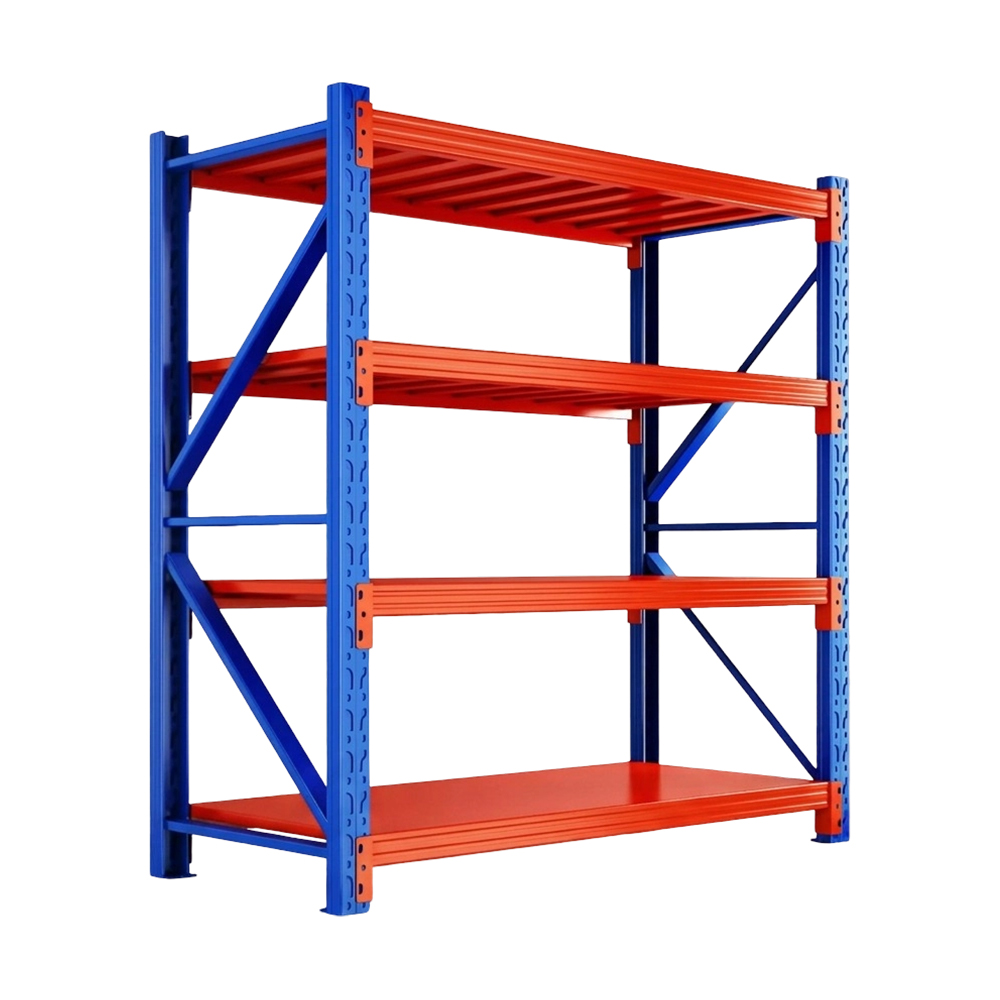
Heavy Duty Wire Racks: Start With the Load Basis, Not the Price
When a warehouse manager asks for a quote on heavy duty wire racks, the first reply often comes back with a capacity number and a price. The useful reply comes with a drawing, a load basis, and a finish specification. That difference matters because two racks that look similar online can behave very differently once a shelf is loaded with dense cartons, spare parts, or packaged food. One may carry 300 kg per level with visible deflection; another may be designed for 1,000 kg per level with reinforced beams and a documented safety factor.
The practical conclusion is simple: treat "heavy duty" as a performance claim, not a product name. Before comparing suppliers, confirm how the load rating was calculated, whether it is a uniformly distributed load or a point load, what decking is included, and how the finish will hold up in your actual environment. Those four points usually explain most of the price gap between a low-cost wire rack and an industrial-grade wire rack.
This guide is written for buyers who need to specify heavy duty wire racks for warehouses, retail backrooms, factories, cold rooms, and service areas. It covers load ratings, wire decking, steel grades, powder coating, dimensional tolerances, sourcing checks, and common mistakes that show up after installation. The aim is not to make every buyer an engineer. It is to make the next quotation easier to compare and the final installation safer to operate.
Heavy duty wire racks should be specified by load basis, deck type, finish, and dimensions, not by a single capacity number on a sales sheet.
What "Heavy Duty Wire Racks" Usually Means in Real Projects
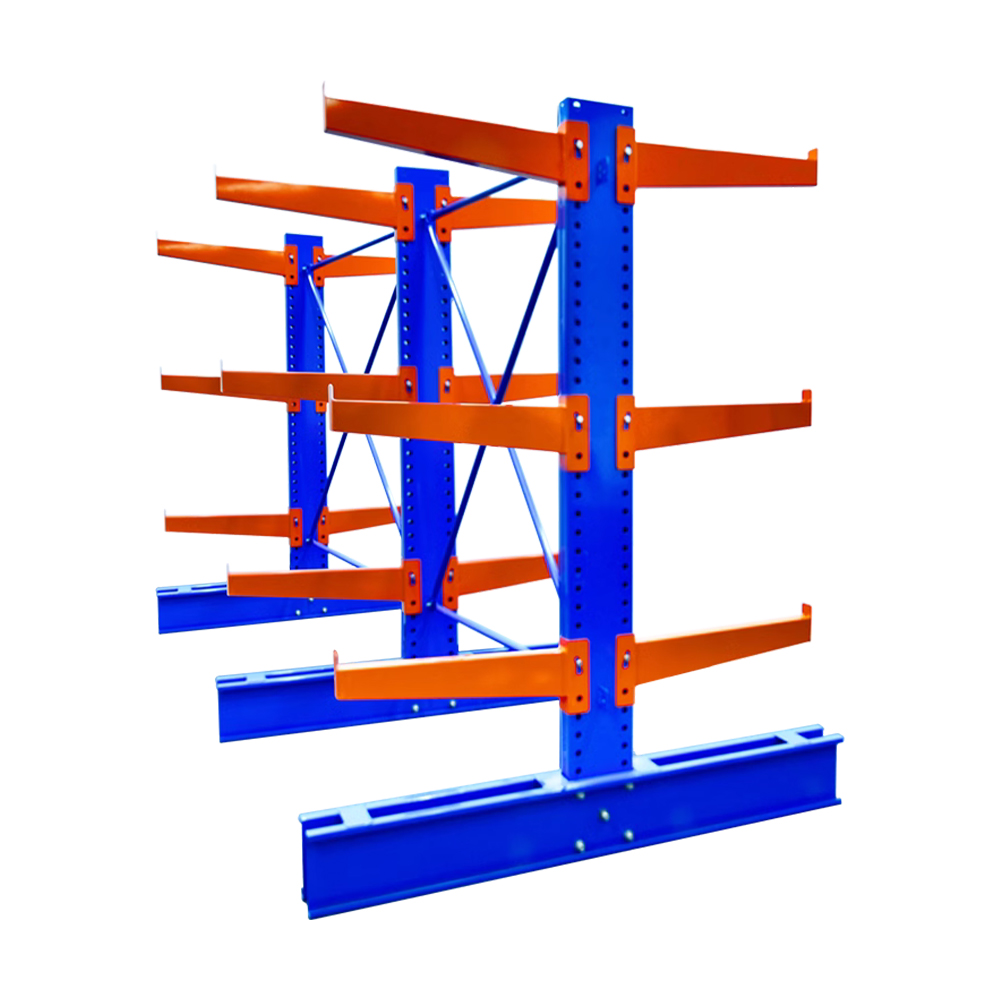
In the storage equipment market, "wire rack" can describe several different products. It may be a wire shelving unit with upright posts and wire shelves, a steel rack frame fitted with wire decking, or a pallet racking system using wire mesh decks instead of solid steel panels. Each format solves a different problem. A retail backroom may need adjustable wire shelving for cartons and cleaning supplies. A factory may need a bolted steel rack with wire decking for heavy tooling. A distribution center may need pallet racking with wire mesh decks for fire sprinkler access and visibility.
The common thread is the open wire surface. Wire decking allows air movement, lets light pass through, reduces dust accumulation on solid shelves, and can improve sprinkler coverage in warehouses. It also makes inventory easier to see from below. Those benefits are real, but they come with trade-offs. Small parts can fall through the openings. Thin wire may deform under point loads. A wire deck that is not properly supported by beams can rattle or slide. The specification has to match the load and the item being stored.
Wire Shelving Versus Wire Decking on Heavy Racks
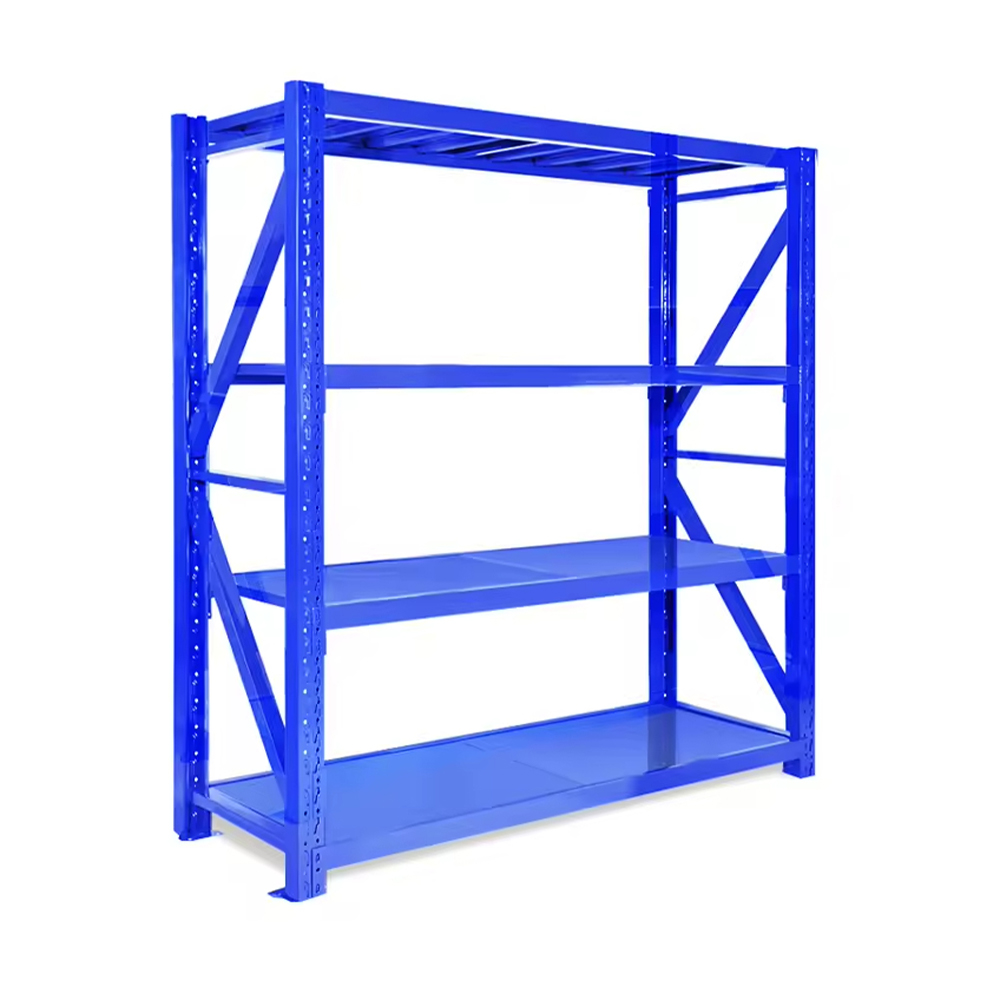
Wire shelving is a standalone product, usually with four posts, adjustable shelf clips, and a wire surface. Heavy duty versions use thicker wire, more support ribs, and larger post diameters. They are common in retail stockrooms, laboratories, and office storage areas. Wire decking is a component used on beam-and-upright racking or pallet racking. It sits on the beams and spreads the load across the beam span. The rack frame carries the load; the deck supports the cartons or pallets.
For buyers, this distinction affects the quotation. If you ask for "heavy duty wire racks" and receive a price for a four-post shelving unit, it may not be interchangeable with a pallet rack fitted with wire decks. The footprint, load path, installation method, and safety requirements are different. Clarify the format before comparing unit prices.
Where the Word "Heavy Duty" Gets Loose
Some suppliers use "heavy duty" to describe a shelf that is stronger than a light office rack, but not necessarily strong enough for industrial use. A 1.2 mm steel shelf with a 200 kg rating may be called heavy duty in a retail catalog, while an industrial rack with a 1,500 kg per level rating may use the same phrase. The word alone does not protect the buyer. The capacity label, load description, and engineering drawing do.
A useful habit is to ask for the load table for each shelf level, not just the maximum capacity for the whole unit. Load capacity often decreases as shelf width increases, as beam span grows, or as the number of support beams decreases. A rack that holds 1,000 kg per level in a narrow width may hold much less in a wide span. The load table should show the relationship between width, depth, and capacity.
Confirm whether the product is a four-post wire shelving unit, a steel rack with wire decking, or a pallet racking system before comparing capacity and price.
Load Ratings: What the Number Should Tell You
Load ratings are the most misunderstood part of buying heavy duty wire racks. A seller may state "1,000 kg" without saying whether that is per shelf, per level, per pair of beams, or for the entire unit. It may refer to a uniformly distributed load, which is spread evenly across the shelf, or a point load, which is concentrated in one spot. It may or may not include a safety factor. These differences are not small details. They determine whether the rack performs safely in daily use.
A uniformly distributed load, often shortened to UDL, assumes the weight is spread across the shelf surface. A pallet of dense cartons may act closer to a UDL if the pallet is fully supported. A heavy machine part on four small feet creates a point load. Wire decking is good at spreading load when the wire mesh is supported by cross beams, but a concentrated load between beams can still deform the deck. The load rating should match the load pattern, not just the total weight.
Typical load ranges for heavy duty wire racks and shelving; confirm the actual capacity with the manufacturer's load test and installation drawings.
| Load class |
Typical UDL per shelf or level |
Common use |
What to verify |
| Light-duty wire shelving |
100 kg to 150 kg |
Office storage, retail display, light cartons |
Wire diameter, shelf clip design, finish |
| Medium-duty wire rack |
250 kg to 400 kg |
Retail backroom, workshop, spare parts |
Steel thickness, number of shelf ribs, beam support |
| Heavy-duty wire rack |
600 kg to 1,200 kg |
Factory storage, dense cartons, tools, components |
Load table by width, deflection limit, anchor requirement |
| Pallet racking with wire decking |
1,000 kg to 2,000 kg per level or more |
Warehouse pallets, distribution centers, cold storage |
Beam capacity, deck load rating, upright protection, sprinkler clearance |
The table above is a planning reference, not a guarantee. A heavy-duty wire rack with a 1,000 kg rating may be rated for that load only when the weight is evenly distributed and the rack is assembled with the specified anchors and bracing. If the rack is installed on an uneven floor, loaded from one side, or modified after delivery, the real capacity can be lower. Ask for the installation manual and the load label that will be attached to the rack.
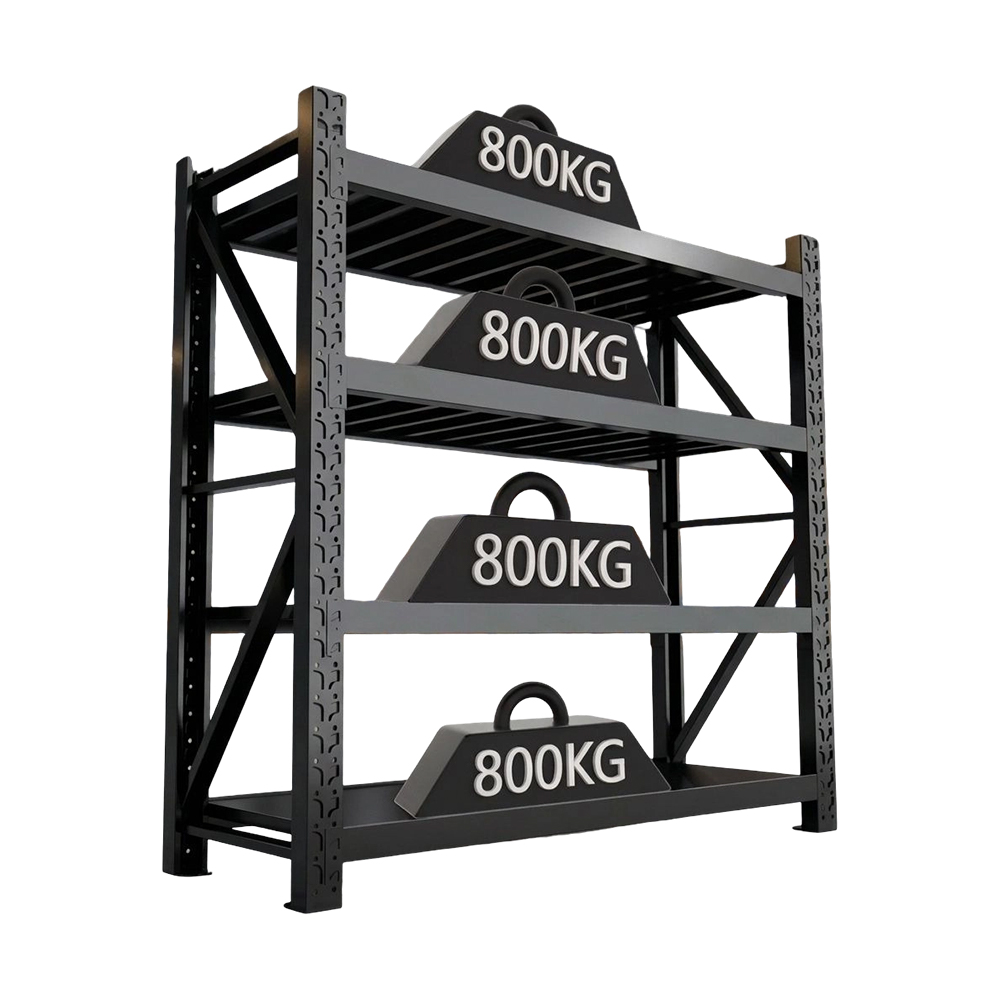
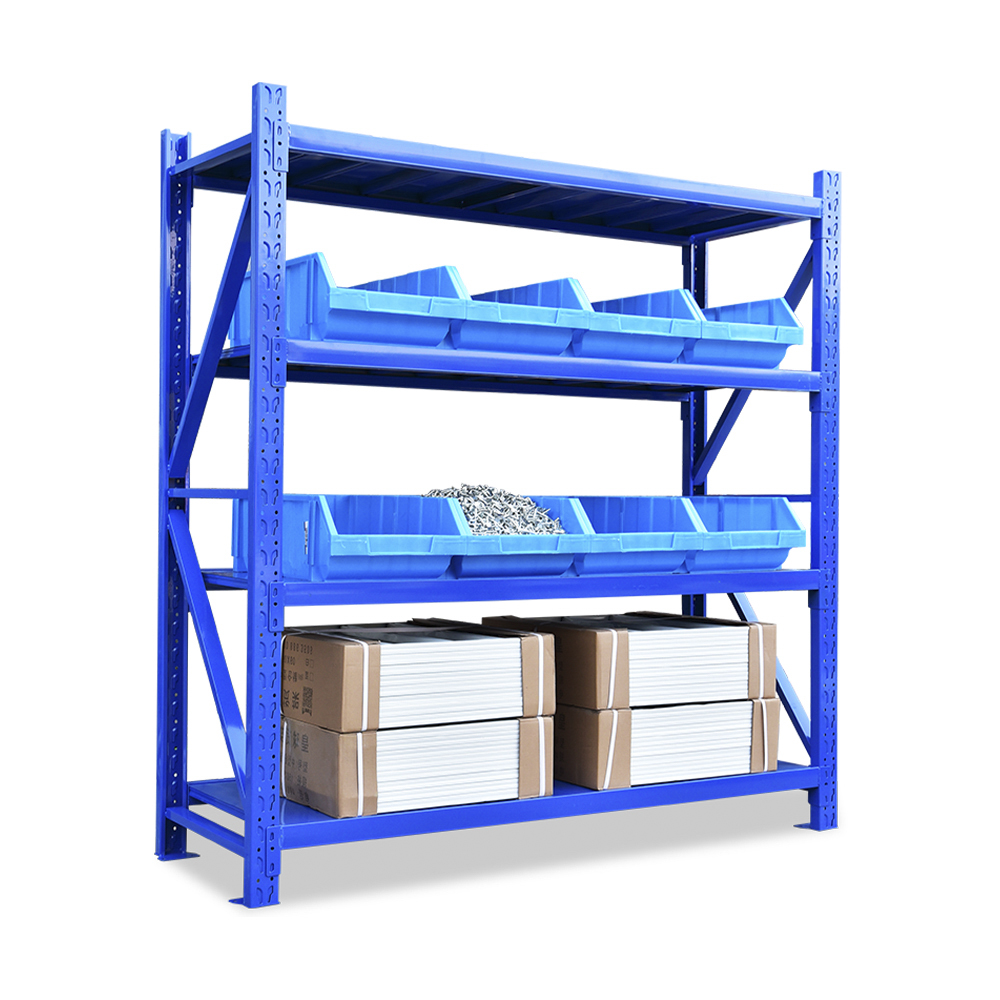 Heavy-Duty Steel Storage Rack for Industrial WarehousesIndustrial boltless rack with over 500 kg per layer and powder-coated steel construction for heavy warehouse, factory, and similar storage.View Product →
For industrial buyers, a steel rack frame with reinforced beams is usually the starting point. The rack frame carries the vertical load, while the wire deck supports the cartons or parts. If the application involves heavy tools or dense raw materials, a heavy-duty steel storage rack with a documented load table is a more responsible choice than a generic wire shelving unit sold without engineering data.
Static Load, Dynamic Load, and Safety Factor
Static load is the weight the rack holds when it is standing still. Dynamic load involves movement, such as a pallet being set down, a cart rolling into a shelf, or a forklift bumping an upright. Heavy duty wire racks are usually rated for static load, but real warehouses introduce dynamic forces. Forklift impact is one of the most common causes of rack damage. Even a rack that is correctly rated for static load needs upright protectors, guide rails, and a inspection routine in a busy warehouse.
Safety factor is the margin between the rated load and the failure load. Different markets and suppliers may use different safety factors. Buyers should ask what safety factor was used and whether the rating follows a recognized test method. A supplier that cannot explain the basis of the load rating is a risk, especially when the rack will hold heavy inventory above people or walkways.
Typical UDL ranges for wire rack and shelving formats
Light-duty wire shelving
100-150 kg
Medium-duty wire rack
250-400 kg
Heavy-duty wire rack
600-1,200 kg
Pallet racking with wire decking
1,000-2,000 kg+
The chart is useful for early planning because it shows how widely the term "heavy duty" can be applied. A retail backroom rack and a pallet racking system with wire decking are both sold as heavy-duty products in some catalogs, but their load ranges are far apart. The chart also shows why a buyer should not choose a rack by appearance alone. A thin wire shelf and a reinforced steel rack can look similar in a photo, yet their structural roles are different.
For warehouse projects, the deck rating should be reviewed together with the beam capacity. A wire deck may be rated for a certain load per square meter, while the beam is rated for a certain load per pair. Both must be adequate. If the deck is strong but the beam deflects too much, the shelf will feel unstable. If the beam is strong but the deck has too few support wires, the deck may deform under point loads. Our heavy-duty rack and pallet racking options can be matched with different deck configurations to suit the load pattern.
Deflection is another practical measure. A shelf that meets its load rating but deflects visibly can still be safe, but it may feel unstable to operators and may cause items to slide. Ask for a deflection limit, especially for wide shelves. A common specification is to limit deflection to a fraction of the span, but the exact limit depends on the application and the standard being used. The important point is that the supplier can state the limit and show how it was calculated.
Ask for the load table by shelf width and depth, the load pattern assumption, and the safety factor before accepting a heavy duty wire rack quotation.
Materials and Finishes: Where Wire Racks Fail First
Most heavy duty wire racks are made from carbon steel. The steel may be cold-rolled, hot-rolled, or formed from strip. The wire itself may be drawn wire, and the shelf frame may use square tube, angle steel, or folded sheet. The quality difference is not only in the steel grade. It is also in the wire diameter, the number of support wires, the weld quality, and the finish. A rack with a good powder coating but thin wire will still deform. A rack with thick wire but a poor coating may rust in a damp room.
The finish matters because wire racks are often used in environments with moisture, cleaning chemicals, or temperature changes. A standard powder-coated finish is suitable for dry warehouses and retail backrooms. A galvanized finish offers better corrosion resistance in humid or outdoor-covered areas. Stainless steel is a better choice for food service, kitchens, cold rooms, and wash-down areas. The right finish should be selected by environment, not by price alone.
Common finishes for heavy duty wire racks and the practical trade-offs buyers should compare.
| Finish |
Best for |
Watch-outs |
Typical specification to request |
| Powder-coated carbon steel |
Dry warehouses, retail stockrooms, offices |
Chipping at joints, rust at bare edges, color variation |
Coating thickness, pre-treatment process, salt-spray test result |
| Galvanized steel |
Humid storage, covered outdoor areas, cold rooms |
Zinc coating thickness, weld protection, surface marks |
Zinc coating weight, post-weld treatment, inspection standard |
| Stainless steel |
Kitchens, food areas, wash-down zones, cleanrooms |
Grade selection, chloride exposure, weld discoloration |
Steel grade, surface finish, weld cleaning, load rating |
| Chrome-plated wire |
Retail display, dry storage, light-duty shelving |
Peeling, corrosion at scratches, limited load capacity |
Plating thickness, base steel, shelf capacity |
 Stainless Steel Storage Rack Shelves for Kitchen and WarehouseStainless steel shelving with 500 kg per layer and adjustable shelves, suited to kitchens, clean rooms, and warehouses where moisture and cleaning are routine.View Product →
Stainless steel wire shelving is often specified when cleaning chemicals or moisture are present. The grade matters. A general-purpose stainless steel may perform well in a kitchen but may not be suitable for a salty or highly chlorinated environment. Buyers should state the cleaning routine and the environmental conditions in the inquiry. If the rack will be washed down daily, the supplier should confirm the steel grade, the weld treatment, and the surface finish. Our stainless steel storage rack shelves are built for kitchen and warehouse storage where corrosion resistance is part of the daily requirement.
Wire Diameter, Rib Count, and Weld Quality
Wire diameter is a simple indicator of strength, but it is not the only one. A shelf with thicker wires but few support ribs may be weaker than a shelf with slightly thinner wires and a well-designed rib pattern. The number of cross wires, the spacing between them, and the way they are welded to the frame all affect load distribution. A good supplier can show a cross-section drawing or a sample. For large orders, request a pre-production sample and load it according to the intended use.
Weld quality is harder to see in a photo. Look for consistent weld nuggets, no burn-through, and no sharp wire ends. Poor welds can fail under vibration, especially in a warehouse with forklift traffic or in a rack that is loaded and unloaded frequently. If the rack will be used in a food area, smooth welds also make cleaning easier. Sharp edges and trapped food debris are practical problems, not just cosmetic issues.
Coating Thickness and Surface Preparation
Powder coating performance depends heavily on surface preparation. A coating applied over oil, rust, or scale may look good at delivery but fail after a few months. Buyers can ask for the pre-treatment steps: degreasing, pickling, phosphating, and drying. They can also ask for a coating thickness range. For standard warehouse use, a coating in the range of 60 to 80 microns is common, but the exact requirement depends on the environment and the supplier's process. The key is consistency, not a single high number on a certificate.
For galvanized products, ask whether the zinc coating is applied before or after welding. Post-weld treatment can protect the weld zone, but it may leave a different surface appearance. For stainless steel, ask how the welds are cleaned and whether a passivation step is included. These details are often missing from a basic quotation, yet they explain why two racks with the same dimensions can have very different service lives.
Match the finish to the environment and verify wire diameter, rib pattern, weld quality, and coating process, because these details decide how long a heavy duty wire rack lasts.
Structural Details That Separate a 500 kg Rack From a 1,500 kg Rack
Two racks can have the same outside dimensions and still differ by a factor of three in capacity. The difference usually sits in the uprights, beams, shelf supports, bracing, and base plates. A heavier upright profile resists bending and torsion. A deeper beam reduces deflection over a wide span. A reinforced shelf support transfers load into the upright without crushing the steel. A larger base plate spreads the load onto the floor and works with anchor bolts to resist tipping.
Buyers do not need to calculate these details, but they should know what to look for in a drawing. A useful quotation includes a front view, a side view, the beam span, the shelf levels, the upright size, the beam profile, the deck type, and the anchor requirement. If the drawing is only a photo of a rack, the buyer cannot verify the structure. For custom projects, a stamped or signed drawing is worth requesting before production.
Uprights, Bracing, and Base Plates
- Upright profile: Measure the steel thickness and the section depth. A thin upright may be adequate for light storage but may deflect under a heavy rack loaded to its limit.
- Horizontal and diagonal bracing: Bracing keeps the upright frame square and resists side sway. Check the number of braces per frame and the weld quality at the connections.
- Base plate: A larger base plate improves stability and load transfer. Confirm the anchor hole size and the recommended anchor type for your floor.
- Foot plates and shims: Uneven floors are common. Shims can level the rack, but they must not reduce the anchor engagement or create a soft foot.
Beams, Shelf Clips, and Deck Support
Beam-to-upright connections should be designed so that the beam cannot accidentally lift out when a load is removed. Safety clips or locking pins are common on industrial racks. On wire shelving, the shelf clip should engage the post securely and resist upward movement. A clip that loosens over time can cause the shelf to drop on one side. For heavy loads, a bolted connection may be preferred over a clip connection.
Wire decking needs support at the beam and, in some designs, at the center. A deck that spans a wide beam without a center support may flex under a concentrated load. The deck should sit flat, without rocking, and should be secured against sliding. If the rack will be loaded by forklift, the deck should be designed to withstand occasional impact from pallet edges. In high-traffic warehouses, add upright protectors and beam guards to reduce damage.
A capacity claim is only credible when the upright profile, beam size, deck support, bracing, and anchor requirement are shown on a drawing.
Sizing and Layout: The Numbers That Decide Usability
Heavy duty wire racks are often selected by capacity first, but usability is driven by dimensions. A rack that is too deep wastes floor space and makes the back of the shelf hard to reach. A rack that is too high may require a ladder for daily picking. A shelf that is too wide may deflect under load even if the steel is heavy. The best size is the one that fits the items, the handling method, and the aisle.
For cartons, a shelf depth of 600 mm to 900 mm is common. For pallets, the depth should match the pallet dimension plus a small clearance. For hand-picked small parts, a depth of 400 mm to 600 mm may be enough. Width per bay often ranges from 900 mm to 1,200 mm for shelving, while pallet racking bays can be wider depending on the beam capacity. Height should be set by the highest safe reach, the sprinkler clearance, and the ceiling height. Do not fill the top level to the ceiling if operators need to stand on a ladder to reach it.
- List the largest and heaviest item that will be stored on each shelf. Record its weight, footprint, and whether it creates a point load.
- Choose the shelf depth and width so that the item sits fully on the deck with a small margin. Avoid overhang that can catch on clothing or equipment.
- Set the number of shelf levels by the picking height and the vertical clearance needed for the item. Leave room for lifting and for the deck thickness.
- Check the aisle width against the handling equipment. A hand pallet truck, a forklift, and a picking cart need different turning space.
- Confirm the floor condition and anchor requirement. A rack that is not anchored may be unstable even if the load rating is correct.
- Review the layout with the people who will use it daily. A rack that is convenient to load is more likely to be loaded correctly.
Dimensional tolerance is another practical point. Steel racks are manufactured with tolerances, and a small variation in hole spacing or beam length can affect assembly. A tolerance of a few millimeters is normal, but it should not prevent the beams from engaging or the shelf from sitting level. Ask for the tolerance on the overall width, depth, height, and diagonal. For large projects, the supplier should provide an assembly drawing with the expected tolerance range.
Size heavy duty wire racks around the item footprint, the handling equipment, and the picking height, then confirm the load rating for that exact size.
Applications: Where Heavy Duty Wire Racks Earn Their Place
Warehouses use heavy duty wire racks for cartons, spare parts, tools, and packaged goods that need visibility and airflow. Wire decking is common in pallet racking because it allows sprinkler water to reach the pallet and reduces dust build-up on solid shelves. In a distribution center, the open deck also makes it easier to see labels from below and to check for damaged cartons. The trade-off is that small items need a solid liner or a finer mesh deck.
Retail backrooms use wire shelving for cleaning supplies, paper goods, and overstock. The open wire surface keeps cartons from sitting in dust and makes it easier to see inventory. In a store with limited space, a heavy duty wire rack can be configured as a multi-level stockroom unit. The same rack can be used for display in a retail area if the finish and appearance are suitable. However, display areas may need a different wire spacing or a solid shelf to prevent small products from falling through.
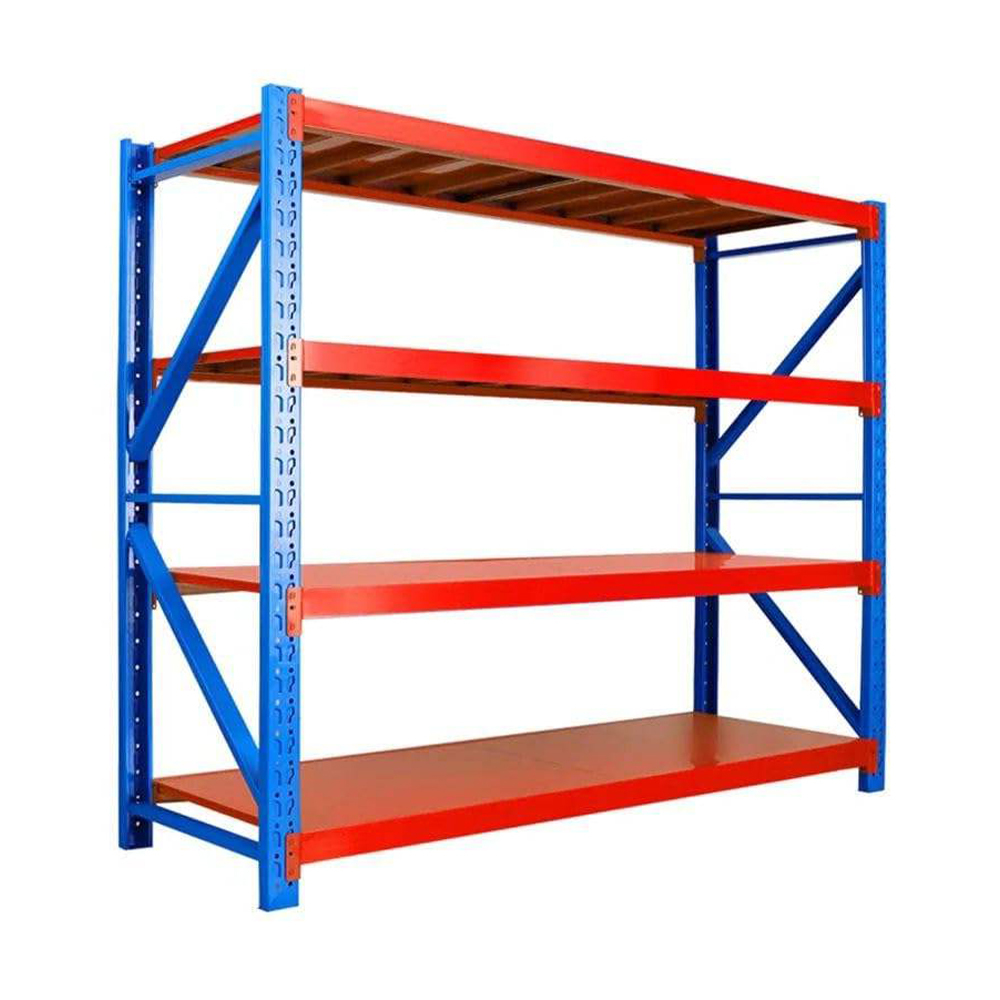
 Heavy-Duty Pallet Storage Shelving System for Warehouse StackingWarehouse pallet rack with reinforced beams, adjustable levels, and powder coating; suitable for heavy palletized goods and bulk materials.View Product →
Pallet racking with wire decking is a common choice for warehouses that handle mixed pallets. The wire deck supports the pallet load while allowing air movement and light. For cold storage, the open deck can help with air circulation. For high-density storage, the rack layout and beam capacity matter more than the deck appearance. Our heavy-duty pallet storage shelf systems are designed for warehouse stacking where the beam, upright, and deck work together as a system.
Factories, Workshops, and Maintenance Areas
Factories use heavy duty wire racks for tooling, fixtures, and components. The rack should be chosen for the heaviest point load, not the average carton weight. A heavy motor or die may weigh 400 kg on a small footprint. That load can dent a wire deck if the deck is not supported. A steel shelf or a reinforced wire deck may be more suitable. In a maintenance area, the rack should be easy to clean and inspect, because oil, dust, and metal chips can hide damage.
Cold Rooms and Food Service Areas
Cold rooms and food service areas need corrosion resistance and cleanability. Stainless steel wire shelving is often preferred because it resists rust and can be washed. The wire surface allows cold air to circulate around cartons and reduces condensation buildup. In a kitchen, the rack should have smooth welds and no sharp edges that could trap debris. The shelf should also be easy to remove for cleaning if the design allows it.
Offices, Archives, and Retail Stockrooms
Offices use lighter wire shelving for files, supplies, and archives. A heavy duty wire rack may be overkill for paper storage, but it can be useful in a records room where boxes are dense and stacked high. In a retail stockroom, the rack should fit the carton sizes and the door opening. A rack that is too deep can block aisles and make it hard to move stock. The best configuration is usually a balance between storage density and access.
Choose the rack format by application: wire shelving for hand-picked stock, reinforced wire decking for pallet racking, and stainless steel for wash-down or cold-room areas.
Sourcing Heavy Duty Wire Racks From a Manufacturer or Supplier
When sourcing from a manufacturer, supplier, or wholesaler, the lowest unit price is rarely the lowest total cost. A rack that arrives with missing parts, inconsistent hole spacing, or a coating that fails after three months creates rework, downtime, and replacement cost. A reliable supplier should be able to provide drawings, load tables, material specifications, finish requirements, packaging details, and a lead time that matches the project schedule. For OEM and ODM projects, the supplier should also be able to work from a sample or a brand specification.
A good inquiry is specific. State the application, the item weight, the shelf size, the number of levels, the finish, the floor condition, and the installation location. If the rack will be used in a cold room, say so. If it will be washed with chemicals, say so. If it will be loaded by forklift, say so. These details allow the supplier to recommend a structure instead of guessing. They also make it easier to compare quotations because each supplier is pricing the same requirement.
What to Include in the Request for Quotation
- Load per shelf or level, including the heaviest point load and the expected load distribution.
- Dimensions: width, depth, height, number of levels, and shelf adjustment pitch.
- Deck type: wire mesh, wire shelving, solid shelf, or a combination.
- Finish and environment: powder-coated, galvanized, or stainless steel, with cleaning routine and humidity level.
- Handling method: hand picking, cart, pallet truck, or forklift.
- Installation requirements: anchor type, floor condition, bracing, and upright protection.
- Packaging and shipping: flat-pack or assembled, carton protection, label requirements, and container loading plan.
- Quality documents: load test report, coating thickness check, dimensional inspection, and material certificate if required.
Supplier Evaluation Beyond the Quotation
Ask for a factory profile, production capacity, and examples of similar projects. A manufacturer with experience in warehouse, retail, and industrial storage is more likely to understand the trade-offs between wire decking and solid shelves. If the supplier offers OEM and ODM support, confirm who owns the drawings and how changes are controlled. For custom branding, confirm the label placement, packaging print, and approval process before mass production.
Quality control should be discussed before the order, not after. A practical inspection plan includes incoming steel verification, weld inspection, dimension check, coating thickness measurement, load test on a sample, and final packing check. If the project is large, consider a pre-shipment inspection. The inspection should record the actual measurements and photos, not just a pass or fail statement. This record is useful if a problem appears during installation.
Delivery planning is also part of sourcing. Heavy duty wire racks are bulky, and shipping damage often comes from poor stacking or insufficient edge protection. Ask how the uprights, beams, and wire decks are packed. Confirm the maximum bundle weight and whether the packages can be unloaded at the site without a forklift. For export orders, confirm the container loading plan and the number of packages. A supplier that plans packaging well usually plans production well too.
Select a heavy duty wire rack manufacturer or supplier on drawings, load data, quality records, packaging, and delivery planning, not on price alone.
Cost and Lifecycle: Why the Cheapest Rack Can Be the Most Expensive
Buyers often compare heavy duty wire racks by price per unit or price per shelf. That is a starting point, but it hides the cost of poor fit. A rack that is too light for the load may need to be replaced or reinforced. A rack with a poor coating may rust and contaminate stored goods. A rack with inconsistent hole spacing may take longer to install and require extra labor. A rack that is not compatible with the handling equipment may slow down picking every day.
A lifecycle view includes the purchase price, installation labor, inspection cost, maintenance, replacement parts, and downtime. For a warehouse, the cost of a damaged rack is not just the rack itself. It includes the inventory that falls, the cleanup, the safety investigation, and the lost productivity. For a retail backroom, a rack that is hard to access can increase restocking time. For a food service area, a rack that is difficult to clean can create hygiene problems.
Cost drivers to compare when evaluating heavy duty wire rack quotations, beyond the unit price.
| Cost driver |
What it affects |
How to compare |
| Steel thickness and wire diameter |
Load capacity, deflection, durability |
Ask for the steel specification and load table for the exact size |
| Finish system |
Corrosion resistance, cleaning, appearance |
Compare pre-treatment, coating thickness, and salt-spray data |
| Deck design |
Load distribution, airflow, small-item retention |
Check wire spacing, support ribs, and deck fixation |
| Packaging and shipping |
Damage rate, unloading time, installation schedule |
Ask for packing drawings and container loading plan |
| Documentation and testing |
Safety, compliance, maintenance planning |
Confirm load test, inspection report, and installation manual |
It is reasonable to pay more for a rack that matches the load and the environment. The key is to know what you are paying for. If the higher price comes from thicker steel, a better coating, or a stronger deck, the value is easier to justify. If the higher price comes from a brand name or a thicker carton, ask for the technical difference. A good supplier will explain it in measurable terms.
Compare heavy duty wire racks by total lifecycle cost, including installation, inspection, maintenance, and downtime, not by the lowest quote alone.
Frequently Asked Questions About Heavy Duty Wire Racks
How do I know if a wire rack is truly heavy duty?
Look for a documented load rating that states the load per shelf or level, the load distribution assumption, and the safety factor. A true heavy duty wire rack should have a drawing showing the upright profile, beam size, deck support, and bracing. If the supplier only provides a capacity number without a load basis, treat it as a claim rather than a specification.
What is the difference between wire shelving and wire decking?
Wire shelving is a standalone unit with posts and wire shelves. Wire decking is a component that sits on the beams of a steel rack or pallet rack. Wire shelving is common for hand-picked stock, while wire decking is common in warehouse racking where pallets or cartons are stored. The load path and installation method are different, so they should not be compared as if they were the same product.
Can heavy duty wire racks be used outdoors?
They can be used in covered outdoor areas if the finish is suitable. Powder-coated steel may rust if water sits on the surface or if the coating is scratched. Galvanized or stainless steel is usually better for humid or outdoor conditions. Even with a corrosion-resistant finish, the rack should be installed on a stable surface and inspected for water traps, rust, and anchor condition.
What load rating should I choose for a warehouse?
Start with the heaviest load per shelf or level, then add a margin for dynamic forces and future inventory changes. Do not choose a rating that exactly matches the current load. If the rack will be loaded by forklift, consider upright protection and a higher capacity margin. The final rating should be confirmed by the manufacturer based on the exact width, depth, and deck type.
How thick should the wire be on a heavy duty wire rack?
Wire diameter alone is not enough to judge strength. The number of support wires, the spacing, the weld quality, and the frame design also matter. A thicker wire with poor support can deflect more than a slightly thinner wire with a well-designed rib pattern. Ask for a sample or a cross-section drawing and compare the load table for the complete shelf.
Do wire decks reduce the load capacity of a pallet rack?
The deck adds weight and can affect how the load is distributed, but it also helps spread the load across the beams. The beam and upright capacity remain the primary structural limits. The deck itself must be rated for the load and supported correctly. The combined system should be reviewed by the rack supplier, especially for heavy pallets or concentrated loads.
What finish is best for a cold room or food area?
Stainless steel is often preferred for cold rooms, kitchens, and wash-down areas because it resists corrosion and is easier to clean. The grade should match the cleaning chemicals and humidity. Galvanized steel can work in some cold storage areas, but the coating and weld protection should be confirmed. Powder-coated steel is usually suitable for dry storage only.
Can I customize the size and branding for an OEM order?
Many manufacturers support OEM and ODM projects, including custom dimensions, shelf levels, finish colors, and packaging labels. The buyer should provide a drawing or sample, confirm the load requirement, and approve a pre-production sample before mass production. Custom work should also define the tolerance, inspection plan, and change control process.
Use the FAQ answers as a checklist: if a supplier cannot clarify load basis, deck type, finish, and customization control, the quotation is not ready for comparison.
Further Reading for Rack Buyers
Two practical resources can help before you finalize a heavy duty wire rack specification. One explains how light, medium, and heavy duty rack ratings differ in real projects. The other shows how industrial storage applications shape rack choice across warehouses, factories, and retail operations. Use them to prepare a clearer inquiry and to compare supplier responses on the same technical basis.
Prepare a specification with load, size, finish, and application details before requesting quotes, so every supplier prices the same scope.
Conclusion: Specify the Rack, Not Just the Category
Heavy duty wire racks are a broad category, and the name alone does not tell a buyer what the product can safely carry. The reliable approach is to define the load, the deck type, the finish, the dimensions, and the installation conditions before comparing prices. A rack that is correctly sized and finished will usually cost less over its service life than a cheaper rack that fails early or slows down daily work.
For warehouse, retail, factory, and food service projects, the most useful supplier is the one that can explain the load basis, show a drawing, document the finish, and support customization without hiding the technical details. That is the standard to apply when reviewing any heavy duty wire rack quotation. The right rack is not simply the strongest one on the page. It is the one that matches the load, the space, the handling method, and the environment with a clear margin for safe operation.
Final takeaway: a safe heavy duty wire rack specification combines a verified load table, the correct deck and finish, accurate dimensions, and a supplier who can document every one of those points.



 English
 Español
 русский
 Français
 한국어
 عربى
 ไทย
 Deutsch
 Bahasa Melayu
 Português
 Polskie