


 English
  Español
  русский
  Français
  한국어
한국어  عربى
عربى  ไทย
ไทย  Deutsch
  Bahasa Melayu
  Português
  Polskie
China Tel: +86-13761540945
Thailand Tel: +66 99 109 1956
Thailand Tel: +66 92 242 5845
liwu78465@gmail.com



Office & Home Shelves Manufacturer
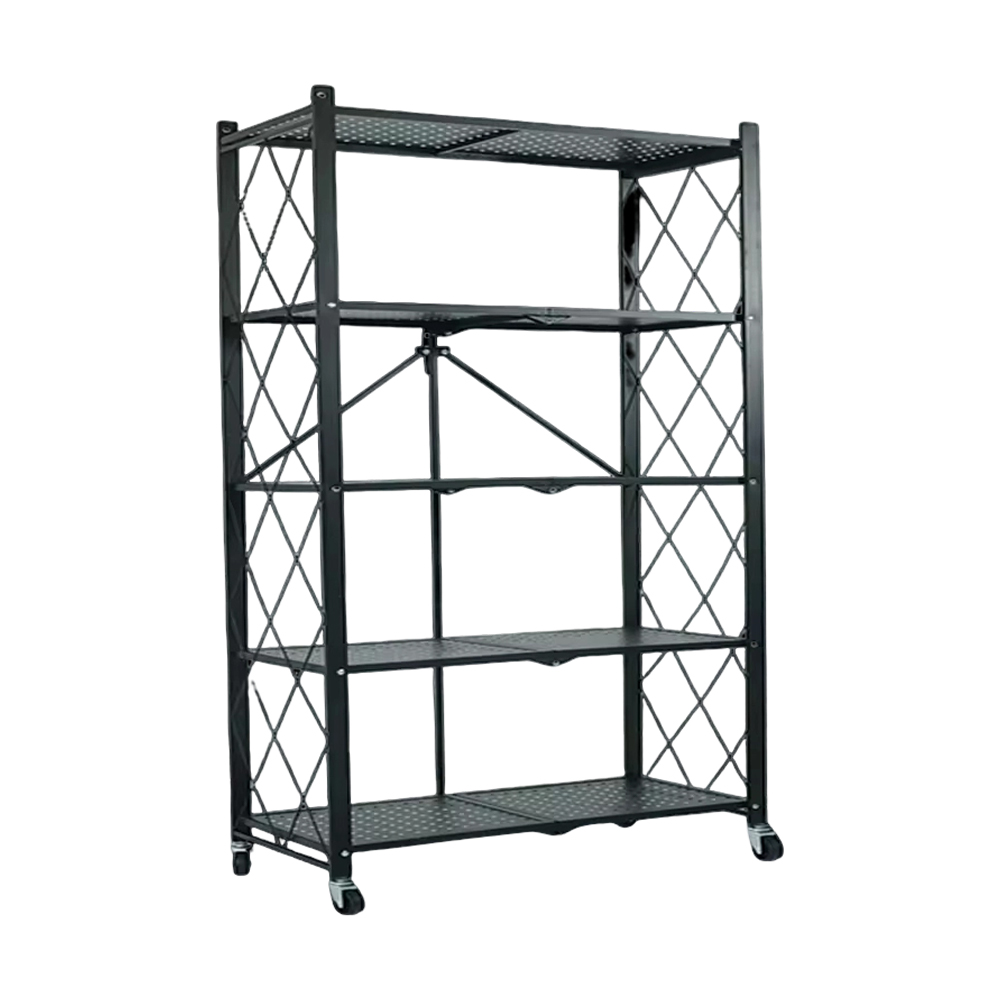
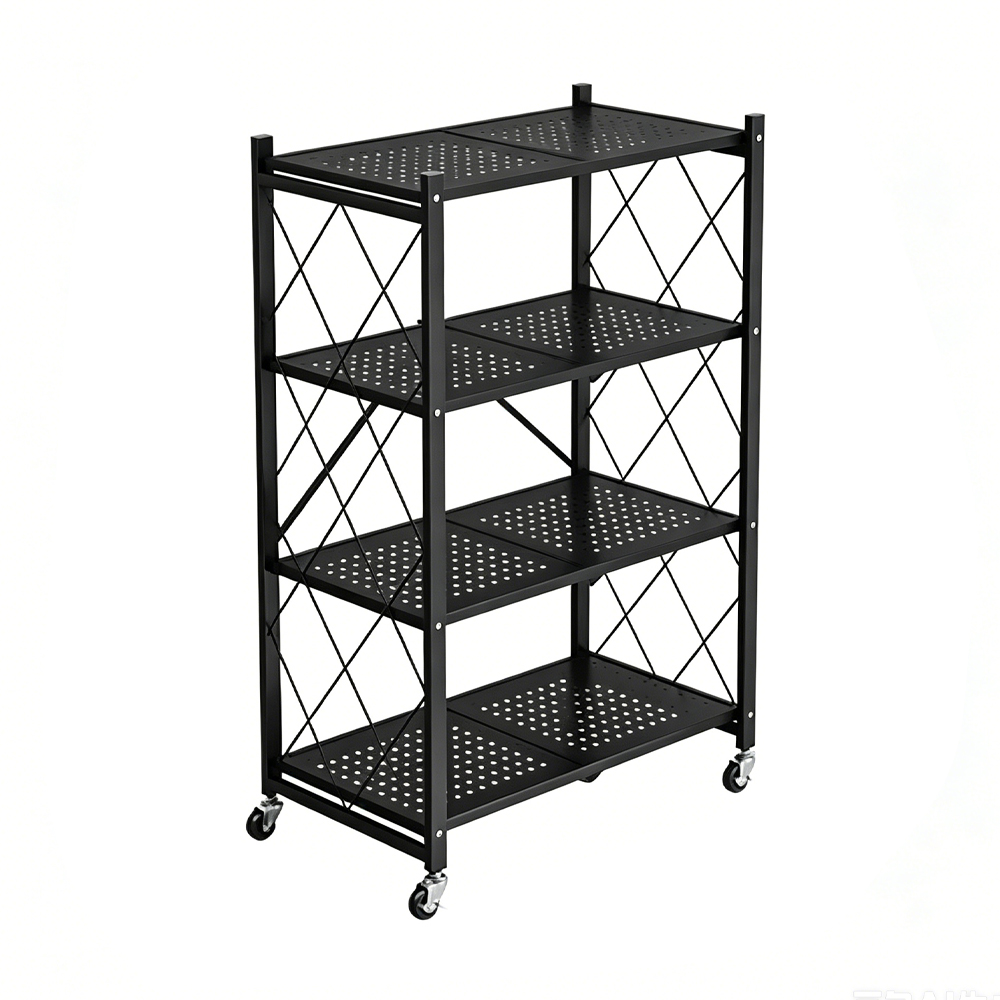
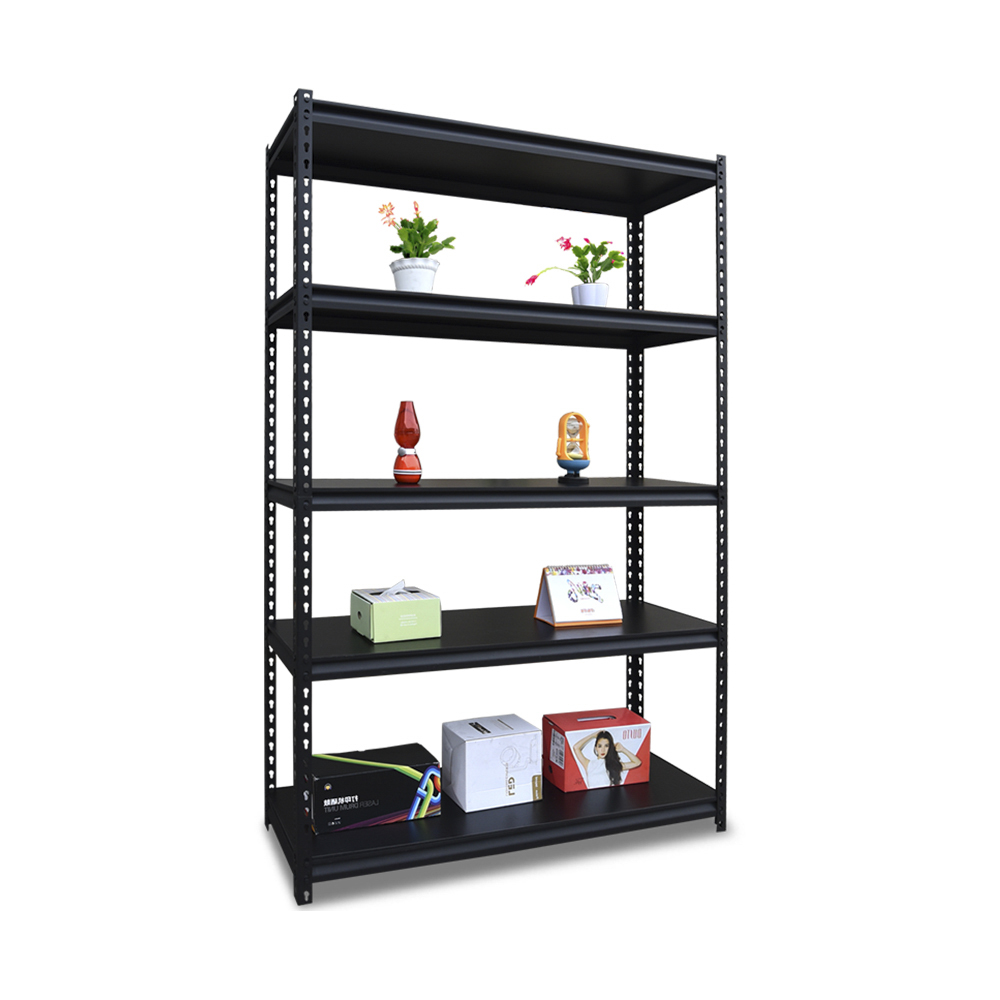
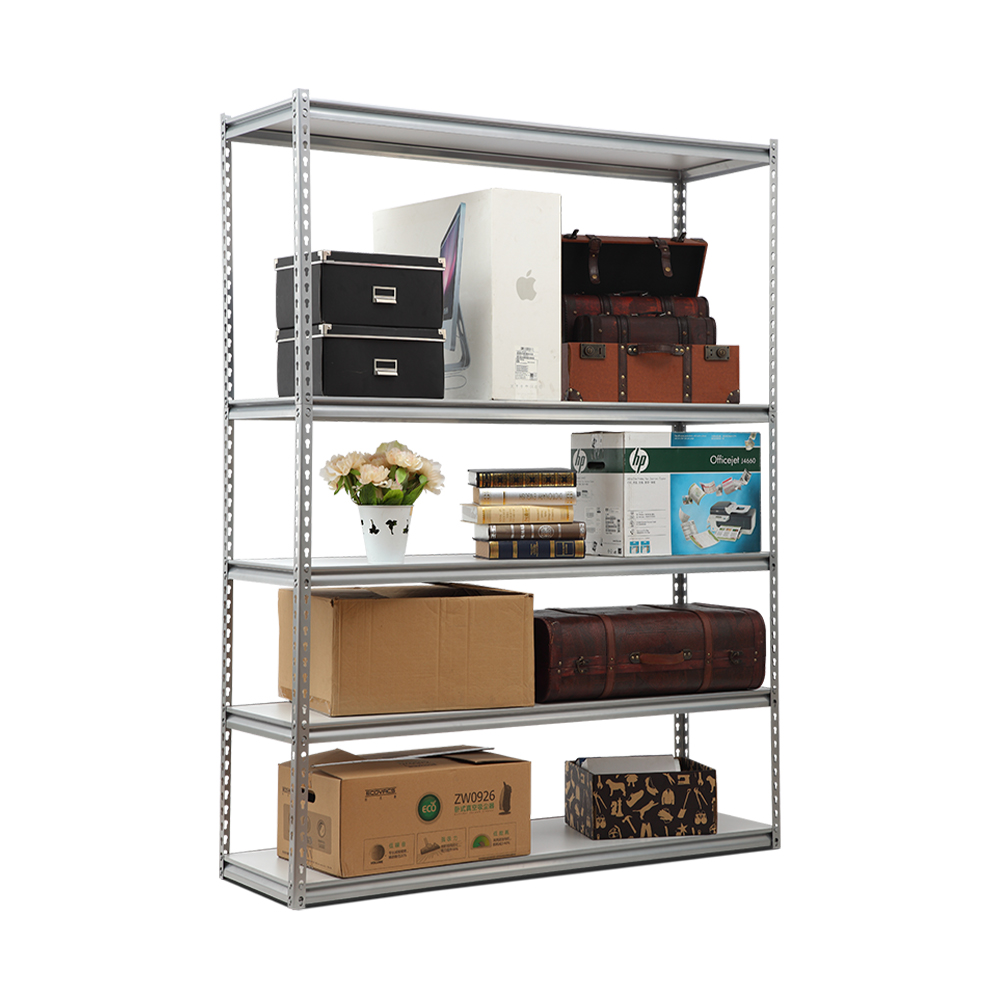
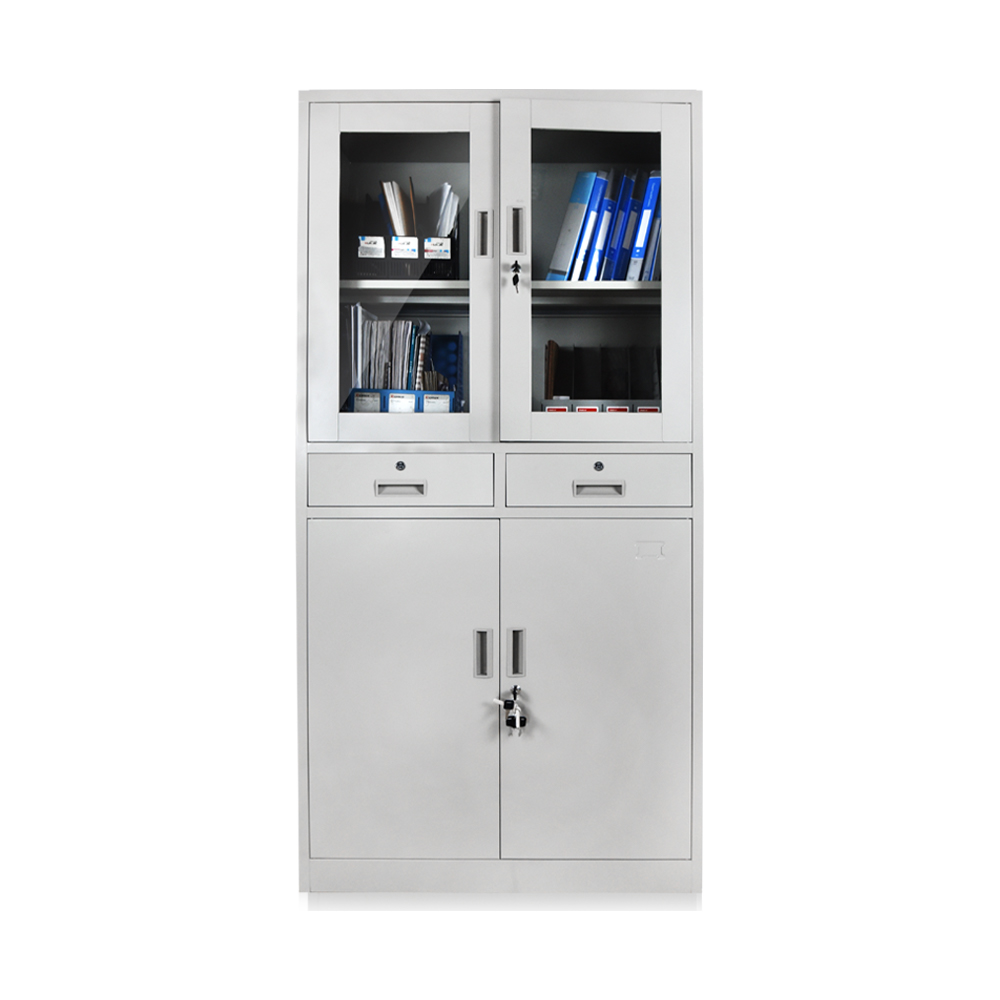
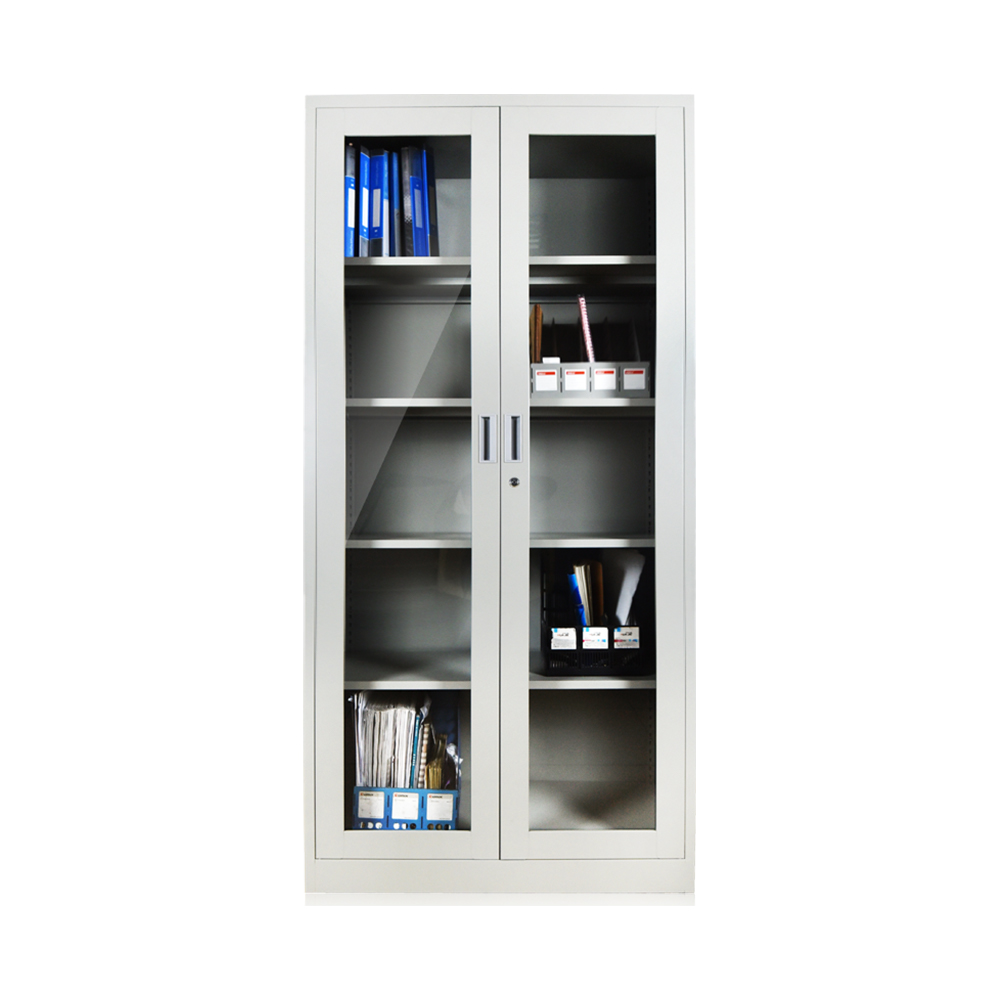
Overall Description and Application
(1) Overall Product Description
Office & Home Series shelves are practical, simple and durable storage solutions for office and home use. Made of high-quality materials, they have stable structure, uniform load-bearing and flexible placement, suitable for various decoration styles and storage needs.
(2) Overall Application Scenarios
1. Office: For storing documents, office supplies and equipment to keep the office tidy and efficient.
2. Home: For organizing clothes, sundries, kitchenware and books in living rooms, bedrooms, kitchens, etc.
3. Others: For commodity display in small stores, book storage in studies and toy organization in children's rooms.
What Sets Us Apart
Who We Are
Better Shelving, Better Business
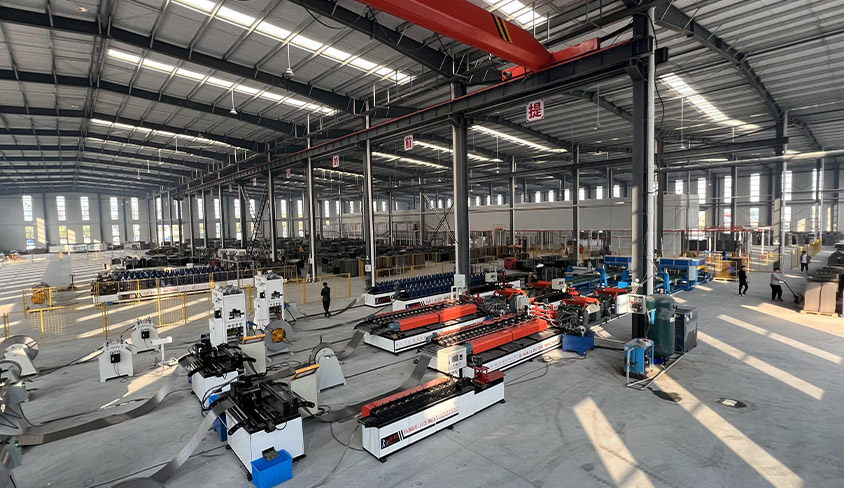
Shanghai King Global Shelf Co.,Ltd. is a leading manufacturer of shelving and storage solutions for
logistics and warehousing. Specializing in home racks, industry heavy-duty shelving, and warehouse
optimization systems. Founded in 2010, we have built strong production capability with a modern facility,
experienced team, and reliable quality control. We are China Office & Home Shelves Manufacturer and OEM/ODM Office & Home Shelves Factory, our products are designed to improve display, storage
efficiency, and space utilization for different markets. With stable quality, flexible solutions,
and responsive service, we support customers in both domestic and overseas markets.
About Us


Honor
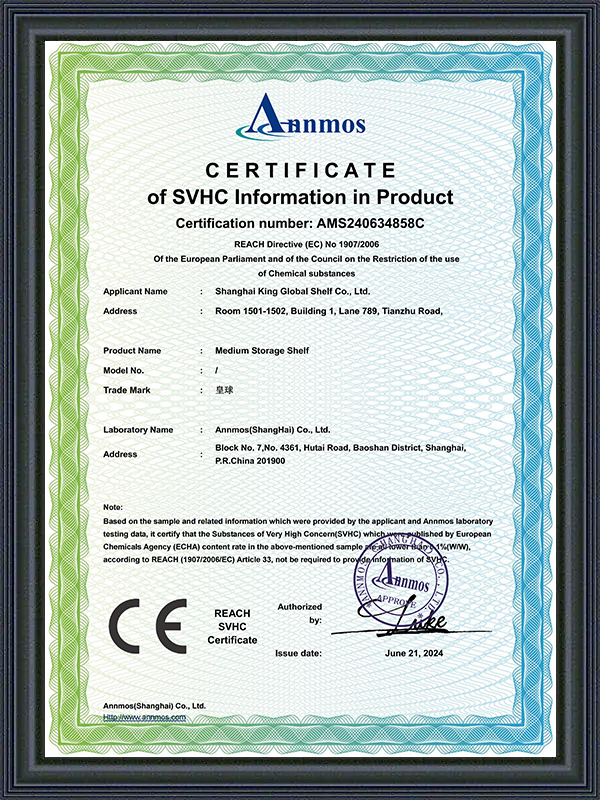
Certificate Of Honor
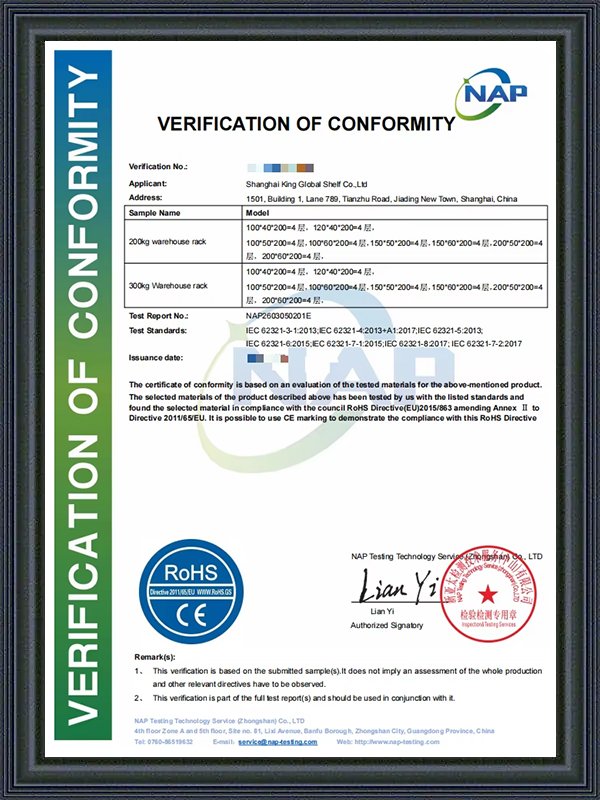

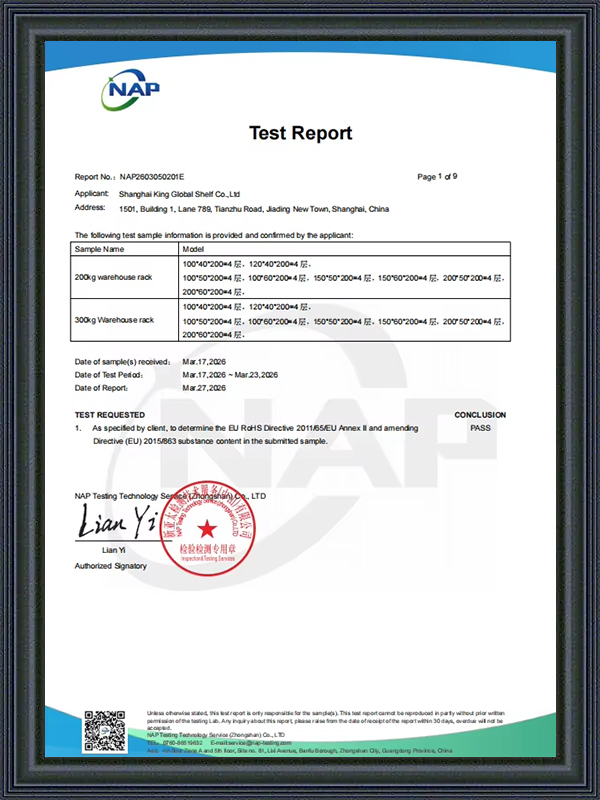

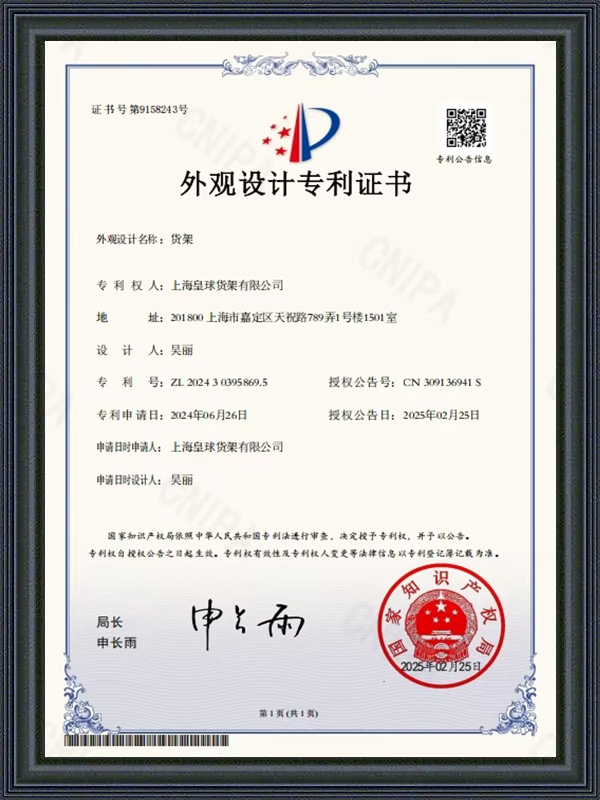


-

 2026-09-21
 Industry News
-
2026-09-15
Industry News
-
2026-09-08
Industry News
-
2026-09-01
Industry News
Feedback
Message Feedback
Knowledge
Office & Home Shelves Industry knowledge
1. Understanding Office & Home Shelves for Everyday Storage
Office & Home Shelves are storage units built around a supporting frame and multiple horizontal shelf levels, designed to organize documents, personal belongings, and household items within a defined footprint. This category covers a wide range of practical storage solutions used in workspaces, living areas, and smaller commercial settings, where a stable structure and consistent shelf spacing help keep frequently used items accessible. Because office and home environments generally involve lighter and more varied inventory than industrial warehouses, office & home shelves are typically built with materials and dimensions suited to everyday handling rather than heavy palletized loads. Common materials include coated steel, engineered wood panels, and combinations of metal frames with wood or laminate shelf boards, each offering a different balance of rigidity, appearance, and weight capacity.
Office & home shelves are commonly found in workspaces for storing documents, binders, and office equipment, as well as in homes for organizing clothing, kitchenware, books, and general household items. Beyond these core settings, the same general format also appears in small retail stores for product display, in studies or home offices for book storage, and in children's rooms for organizing toys and personal items. Because storage needs vary widely across these settings, office & home shelves are often produced in several duty classes and configurations, allowing a single product family to cover both light personal storage and slightly heavier household or small commercial use.
Part of what makes this category so broadly applicable is that the underlying frame-and-shelf-board concept can be scaled up or down without changing the basic working principle. A narrow bookshelf tucked beside a desk and a wider utility rack lining a garage wall share the same structural logic, even though their finish, dimensions, and intended contents differ considerably. This shared foundation is also why buyers moving between a home office, a living room, and a storage closet can often stay within one product family rather than sourcing an entirely different type of furniture for each room.
2. Structural Design and Working Principle of Office & Home Shelves
(1) Frame and Shelf Panel Construction
Most office & home shelves rely on a vertical frame or side panel structure that supports a series of horizontal shelf boards, wire decks, or laminate panels. The frame carries the combined weight of the shelf boards and stored items down to the floor, while connectors, brackets, or clip-in fittings hold each shelf level in place along the upright supports. The even distribution of weight across the shelf board and down through the frame is what keeps the unit stable, which is why shelf material thickness and frame spacing are matched to the expected type of items being stored. Units intended for heavier household or office use generally use thicker steel or reinforced panel materials, while lighter display or decorative shelves can use thinner boards since the loads involved are smaller.
The connection points between the frame and the shelf boards deserve particular attention, since this is often where a unit's real-world durability is decided. Clip-in fittings and bracket systems that seat firmly against the upright, rather than resting loosely in a slot, tend to hold their position better through repeated loading and unloading. Some manufacturers also add a lip or reinforced edge along the front of each shelf board, which helps resist the slight downward flex that can occur when heavier items are placed near the front edge rather than centered on the board.
(2) Fixed and Adjustable Shelf Configurations
Some office & home shelves use fixed shelf spacing that is set during assembly and does not change afterward, which is common in simpler bookshelf or display units. Others use slotted uprights, peg systems, or clip brackets that allow shelf levels to be repositioned as storage needs change, which is useful in offices and homes where item sizes vary over time. Adjustable configurations generally add a small amount of complexity to the frame design but offer more flexibility for reorganizing a room or workspace without replacing the entire unit.
In practice, many households find that a mix of both approaches works best across a single unit: fixed top and bottom shelves for structural rigidity, with adjustable levels in between for everyday items that change in size or quantity over the seasons. Offices tend to favor fully adjustable systems, since binder heights, equipment dimensions, and archive box sizes can shift as departments reorganize files or upgrade equipment.
3. Common Types of Office & Home Shelves and Their Characteristics
(1) Light-Duty Display and Utility Shelves
Light-duty display and utility shelves are generally built from thinner steel, laminate, or engineered wood, sized for smaller decorative items, books, or light kitchenware. This classification is common in living rooms, studies, and small retail counters, where appearance and easy rearrangement often matter as much as raw storage capacity. Because the items placed on these shelves tend to be light and frequently handled, light-duty office & home shelves are often designed with a simpler frame and fewer reinforcing elements than heavier classifications.
(2) Standard Utility Shelving Units
Standard utility shelving units extend the same general format to a wider range of household and office items, including binders, boxed goods, and general kitchen or storage room supplies. This classification typically uses moderately reinforced frames and shelf boards capable of supporting mixed loads without the heavier construction used in garage or storage-room duty classes. Many households and offices select standard utility office & home shelves because they balance everyday storage needs with a manageable size and weight.
(3) Heavy-Duty Storage Shelves
Heavy-duty storage shelves are built with thicker steel frames, reinforced shelf boards, and stronger connectors to support bulkier boxed items, tools, or bulk household supplies. This classification is frequently found in garages, basements, and dedicated storage rooms, where item weight and quantity are generally greater than in living areas or office spaces. Because the loads involved are heavier, this end of the office & home shelves range often benefits from wider footing and secure anchoring, particularly for taller units.
(4) Modular Cube and Bookshelf Configurations
Beyond these three general duty classes, office & home shelves are also produced as modular cube units that can be stacked or arranged in different patterns, as open-back bookshelves for studies and living rooms, and as room-dividing shelf units that provide storage while separating living spaces. King Global Shelf, for example, produces home racks across this broader range of configurations alongside its industrial shelving lines, which allows a single production background to cover both household storage and heavier warehouse-oriented duty classes.
Choosing between these four groupings is rarely a matter of picking the "best" option in isolation, since each is built around a different balance of appearance, flexibility, and load-bearing capability. A household that needs both a decorative display shelf in the living room and a heavier-duty rack in the garage will typically end up combining more than one duty class rather than trying to standardize on a single configuration for every room.
The chart below places light-duty, standard, and heavy-duty office & home shelves side by side using a relative capacity index rather than fixed weight figures. This approach is useful because actual shelf capacity depends on material thickness, shelf span, and how evenly items are placed across each level. Viewing the three duty classes on a common scale still helps illustrate how the general capacity range shifts as the structure is reinforced for heavier household or office items. The horizontal bars extend further to the right as the duty classification increases, giving a quick visual sense of where each classification sits relative to the others. Before choosing a specific unit, this general comparison can serve as a starting point for narrowing down which duty class fits a given storage requirement.
As shown in the chart, light-duty office & home shelves occupy the lower portion of the relative index, reflecting their design for smaller, lighter, and more decorative items that are handled frequently throughout the day. Standard utility shelves sit near the middle of the scale, representing a configuration that can support a wider range of household and office items without requiring the heavier frame sections used in the top classification. Heavy-duty storage shelves extend furthest along the bar, corresponding to configurations built with thicker steel, reinforced shelf boards, and stronger connectors to manage bulkier boxed goods and bulk supplies. The relative positioning in the chart is not meant to represent an exact weight figure for any single product, since two units in the same duty class can still differ once shelf span, material, and reinforcement details are taken into account. Instead, the comparison is intended to show the general direction in which load-bearing capability moves as office & home shelves are built for progressively heavier household or office items. In practical terms, a study or living room displaying books and decorative items would typically look toward the lower end of this scale, while a garage or storage room holding bulk supplies would look toward the upper end. Facilities and households with mixed storage needs sometimes combine more than one duty class within the same room, placing lighter items on upper shelf levels and reserving reinforced lower levels for heavier boxes. Because the exact figure that separates one duty class from another can vary between manufacturers and configurations, buyers are encouraged to confirm shelf-level capacity for their specific items rather than relying on the duty class name alone. This chart is therefore most useful as an orientation tool during the early stage of planning, before shelf spacing and unit height are finalized for a specific room. Understanding this relative positioning also helps when comparing office & home shelves against other storage formats discussed later in this article, since it clarifies where each duty class fits within the broader range of everyday storage solutions.
4. Key Features and Advantages of Office & Home Shelves
(1) Stable Structure and Even Load Distribution
Office & home shelves rely on a supporting frame designed to keep weight evenly distributed across each shelf level, which helps the unit remain stable even when items are added or removed frequently throughout the day. This structural approach allows a single unit to hold a mix of light and moderately heavy items without shifting or leaning, provided the recommended load range for each shelf level is respected.
(2) Adjustable Shelf Spacing
Many office & home shelves allow shelf levels to be repositioned along the frame, making it possible to adapt the spacing as book sizes, box heights, or storage needs change over time. This flexibility means a single unit can often be reorganized to fit new items without needing to purchase a completely different shelving system.
(3) Space-Efficient and Flexible Placement
Because office & home shelves are generally available in a range of widths, depths, and heights, they can be placed against walls, in corners, or used as room dividers to make efficient use of available floor space. This flexibility is particularly useful in smaller offices or homes, where maximizing storage within a limited footprint is often a key consideration.
(4) Ease of Assembly and Long-Term Value
Most office & home shelves are designed for straightforward assembly without specialized tools, which lowers the barrier for households and small offices to add storage as needs grow. Because the components are generally standardized across a product line, replacement shelf boards or connectors are often easier to source later than for a custom-built or one-off storage piece, which can extend the practical service life of the unit well beyond its initial purchase.
The radar chart below places office & home shelves, built-in furniture, and modular storage cabinets side by side across five general characteristics that often influence a storage decision. Rather than assigning a fixed technical rating, the shape drawn for each format is intended as a general comparison based on how each option is typically used in practice. Assembly flexibility, space efficiency, reconfiguration ease, portability, and load capacity are the five reference points used in this comparison. A larger shape toward a particular point suggests that the storage format tends to perform relatively well in that area compared with the other two formats shown. This kind of overview can be useful early in a project, before a household or office settles on one storage format or decides to combine more than one type within the same room.
Looking at the shape for office & home shelves, the widest points fall on assembly flexibility, reconfiguration ease, and portability, which reflects how these units are generally designed to be assembled, moved, and rearranged without specialized tools or permanent installation. Built-in furniture, by comparison, tends to score lower on assembly flexibility and reconfiguration ease because it is generally fitted to a specific space and is not intended to be moved once installed. Modular storage cabinets show a more balanced shape across the five points, since they combine some of the reconfiguration benefits of open shelving with the enclosed appearance of cabinet-style furniture. On space efficiency, built-in furniture and office & home shelves sit closer together, since both formats can be designed to fit closely against walls or within alcoves. Load capacity favors built-in furniture slightly in this comparison, largely because fitted units are often built directly into a wall or floor structure, though well-constructed office & home shelves can still support a considerable range of everyday items. Portability is one of the clearer advantages of office & home shelves, since many units can be disassembled, relocated, or reconfigured as a household or office layout changes. It is worth noting that this radar chart reflects general tendencies rather than a fixed ranking that applies to every situation, since a well-built modular cabinet can still offer good load capacity, and built-in furniture remains a practical choice where a permanent, closely fitted layout is preferred. The comparison is most useful as a starting point when a household or office is deciding between a flexible, reconfigurable storage format and a more permanent, fitted one. In many homes and offices, office & home shelves are used alongside built-in furniture or modular cabinets rather than replacing them entirely, since each format tends to serve a different part of the overall storage plan. Reviewing a chart like this alongside actual room dimensions and storage needs remains a useful step before finalizing a layout.
5. Application Scenarios and Typical Use Cases for Office & Home Shelves
(1) Office Storage
In office settings, office & home shelves are commonly used to store documents, binders, files, and general office equipment, helping keep a workspace organized and efficient. Adjustable shelf spacing is particularly useful in offices, where binder sizes and equipment dimensions can vary considerably from one department to another.
(2) Home Living Areas
At home, office & home shelves are widely used in living rooms, bedrooms, and kitchens to organize clothing, sundries, kitchenware, and books. Because household items come in a wide range of shapes and sizes, adjustable and modular configurations are often preferred for living areas where storage needs may shift over time.
(3) Retail Display in Small Stores
Small stores frequently use office & home shelves for commodity display, taking advantage of open shelf levels that make products easy to see and select. In these settings, appearance and consistent shelf spacing often matter as much as raw storage capacity.
(4) Study and Children's Room Organization
Studies and home offices often rely on office & home shelves for book storage, while children's rooms use similar units to organize toys and personal items. In both cases, lighter duty configurations with rounded edges or simpler frames are commonly chosen to suit the items being stored and the space available.
(5) Mixed-Use and Multi-Purpose Rooms
A growing number of homes now dedicate a single room to more than one function, such as a spare bedroom that doubles as a home office or a living room corner set aside for remote work. In these mixed-use spaces, office & home shelves are often chosen specifically because a single adjustable unit can hold work files on one level and personal items or decorative pieces on another, without needing two separate pieces of furniture crowding a limited floor plan.
The column chart below presents a general, illustrative view of how office & home shelves tend to be distributed across several common settings. These figures are not drawn from a single formal survey but instead reflect broad patterns commonly associated with everyday storage needs across different spaces. Home living areas, office storage, retail display, study and book storage, and children's rooms are used as five representative categories. Taller columns indicate settings where office & home shelves are more frequently associated with everyday storage, while shorter columns represent settings where the format still applies but appears less often relative to the others. This chart is meant to give a general sense of where office & home shelves fit within a broader range of everyday environments rather than to serve as a precise market breakdown.
Home living areas represent the tallest column in this illustration, which lines up with the frequent use of office & home shelves for organizing clothing, sundries, kitchenware, and books throughout living rooms, bedrooms, and kitchens. Office storage follows closely, reflecting how documents, binders, and general equipment are commonly organized on adjustable shelf levels within workspaces. Retail display and study or book storage appear as mid-sized columns of similar height, since both settings rely on open shelf levels to keep items visible and easy to reach, whether those items are products for sale or books and study materials. Children's room organization appears as the smallest column here, though this does not suggest the setting is unimportant, only that it represents a narrower slice of overall usage compared with the other four categories. Across all five categories, the underlying reason office & home shelves appear is largely the same: a stable, adjustable structure helps keep varied items organized, visible, and easy to retrieve within a defined space. Households or small businesses that combine more than one of these settings, such as a home office that also stores books and personal items, often end up using office & home shelves across more than one part of the same space. The relative sizing shown in this chart can shift considerably from one household or business to another depending on available floor space, family size, and the specific mix of items being stored. Because of this variability, the chart should be read as a general orientation rather than a fixed rule for every room or office. Reviewing how office & home shelves are used in similar settings can still provide a useful reference point when planning a new storage layout or reorganizing an existing one. This kind of overview also helps when deciding how many units, and which duty class, might be appropriate for a particular room.
6. How Shelf Span Relates to Load Capacity
Shelf span, meaning the distance a shelf board covers between its supporting points, is one of the most influential factors in determining how much weight a shelf level on office & home shelves can safely hold. Because a wider shelf board is supported only at its ends or at wider intervals, extending that span increases the bending effect across the middle of the board, even if the total weight placed on the shelf stays the same. Understanding this relationship in general terms can help when comparing different office & home shelves or reviewing why manufacturers offer additional support brackets or thicker boards for wider units.
This effect is easiest to picture with a simple example: a thin ruler held flat between two fingers sags noticeably more when the fingers are spread far apart than when they are held close together, even though nothing about the ruler itself has changed. Shelf boards behave the same way, which is why a manufacturer will often keep the material identical across several widths in a product line but add a center bracket, thicken the board, or introduce a stiffening lip only once the span passes a certain point.
The line chart below illustrates a general engineering tendency rather than a specific product specification: as the span of a shelf board increases, the relative load capacity it can safely support tends to decrease unless the board and supporting frame are reinforced further. This pattern follows from basic shelf-loading behavior, where a load spread across a wider unsupported span creates a larger bending effect at the center of the board. The horizontal axis groups shelf span into four general categories, moving from narrow spans toward extra-wide spans, while the vertical axis represents a relative load capacity index rather than an exact weight figure. The downward slope of the line is the main point of interest, since it shows how capacity tends to decline as shelf span extends between support points. This relationship is one of the reasons why wider office & home shelves are sometimes paired with a center support bracket or a thicker shelf board rather than a single unsupported span.
At the narrow end of the horizontal axis, the relative load capacity index sits at its highest point, reflecting how a shorter shelf span keeps the load closer to the supporting frame and therefore creates a smaller bending effect across the board. Moving toward medium spans, the line begins to slope downward, indicating that even a moderate increase in shelf width can reduce the amount of weight that shelf can safely support if board thickness and support spacing remain unchanged. The wide-span category continues this downward trend, illustrating why office & home shelves intended for wider rooms or longer runs of storage typically pair a wider board with a thicker panel or additional support bracket rather than simply stretching a lighter-duty shelf further. At the extra-wide end of the axis, the relative index reaches its lowest point in this illustration, which highlights why very wide shelf sections often call for center support brackets, thicker boards, or closer upright spacing along the frame. It is worth noting that this decline is not automatic proof that a wider shelf is unsuitable for storage, since manufacturers regularly increase board thickness or add support brackets specifically to offset the added bending effect of a wider span. Rather, the chart is meant to show the underlying tendency that must be addressed through design, material selection, and support placement whenever shelf span increases. This is also why concentrating heavy books or boxes near the center of an unsupported wide shelf generally creates more stress than spreading the same weight evenly across the board, a detail that matters when arranging books, files, or kitchenware. Selecting a suitable duty class, discussed earlier in this article, in combination with an appropriate shelf span is therefore a joint decision rather than two separate ones. Households and offices that plan to store increasingly heavy items over time may also want to consider anticipated future needs, since reinforcing a shelf later can be more disruptive than accounting for it during initial planning. Ultimately, this relationship reinforces why selecting office & home shelves benefits from reviewing actual item weights and shelf spans rather than choosing a unit based on appearance alone.
7. Selection Guide: Choosing the Right Office & Home Shelves
Selecting appropriate office & home shelves generally involves reviewing several factors together rather than focusing on a single measurement. Item type and weight, available room dimensions, whether shelf spacing needs to be adjustable, and the setting where the unit will be placed all influence which duty class and configuration will work well for a given space.
(1) Assess Item Type and Weight
The starting point for most selections is a clear picture of what will be stored, including typical item weight and size, since these details determine whether a light-duty, standard, or heavy-duty configuration is appropriate. Households or offices that expect to store a range of item sizes over time may also want to plan for some flexibility in shelf spacing rather than designing strictly around current items alone.
(2) Determine Fixed or Adjustable Shelf System
Whether office & home shelves should use fixed or adjustable shelf spacing generally depends on how often storage needs are expected to change. Simpler fixed-shelf units work well for consistent collections such as a set of matching boxes, while adjustable systems suit rooms where item sizes vary or change over time.
(3) Plan Shelf Spacing and Unit Height
Vertical shelf spacing should generally be planned around the height of the items being stored, with enough clearance between levels to allow items to be placed and removed comfortably. Unit height should also account for the room's ceiling height and how easily the top shelves can be reached.
(4) Match Material to Setting
Because kitchens, garages, and bathrooms often involve more moisture or temperature variation than a living room or office, coated steel or moisture-resistant panel materials are commonly chosen for those areas, while wood or laminate finishes are often preferred for living rooms, studies, and office spaces where appearance matters more. Suppliers such as King Global Shelf typically support this stage by reviewing item types, room dimensions, and setting requirements before recommending a specific configuration and duty classification for a given project.
(5) Account for Future Storage Growth
It is easy to size a shelving purchase around the items on hand today, but storage needs in both homes and offices tend to grow rather than shrink over time. Leaving room for an extra shelf level, choosing a slightly wider footprint than strictly necessary, or selecting an adjustable rather than fixed system can help a unit continue to serve its purpose well after the initial move-in or setup period, reducing how often the entire storage plan needs to be revisited.
| Feature | Office & Home Shelves | Built-in Furniture | Modular Storage Cabinets |
|---|---|---|---|
| Assembly | Freestanding, simple assembly | Fitted to a specific space | Modular, moderate assembly |
| Mobility | Can be relocated or disassembled | Generally fixed in place | Movable, less flexible than open shelving |
| Adjustability | Shelf levels often adjustable | Fixed once installed | Some internal adjustability |
| Typical Setting | Offices, living areas, retail, studies | Custom-fitted rooms | Living areas, offices |
| General Load Range | Light to moderately heavy items | Light to heavy, setting-dependent | Light to moderate items |
8. Maintenance and Care Guidelines for Office & Home Shelves
Like other storage furniture, office & home shelves benefit from routine attention to keep them stable and in good condition over time. The following practices are commonly recommended for households and offices that rely on these units for everyday storage.
(1) Routine Inspection of Connectors and Panels
Periodically checking brackets, clips, and fasteners for looseness helps catch minor issues before they affect the stability of the unit. This is particularly useful for units that are moved or reconfigured from time to time, since repeated assembly and disassembly can gradually loosen certain connectors.
(2) Even Load Placement
Distributing items evenly across each shelf level, rather than concentrating heavy books or boxes at one end, helps reduce unnecessary bending stress on the shelf board. Heavier items are generally best placed on lower shelves, which also helps keep the overall unit more stable.
(3) Cleaning and Surface Care
Wiping down shelf surfaces regularly helps prevent dust buildup and keeps coated steel or laminate finishes looking presentable over time. In kitchens or bathrooms, checking for moisture accumulation around shelf edges can help maintain the material's condition in more humid settings.
(4) Reconfiguration Practices
When repositioning adjustable shelf levels, making sure each shelf is properly seated on its brackets or pegs before adding items helps avoid uneven loading. Facilities and households that reconfigure units often may also want to periodically confirm that the overall frame remains level and securely anchored.
(5) Seasonal Review of Anchoring and Levelling
Floors in both homes and offices can shift very slightly over the seasons as humidity and temperature change, which occasionally leaves a tall unit slightly out of level even if nothing about the shelves themselves has changed. A brief seasonal check, confirming that anti-tip anchors remain secure and that the base still sits flat against the floor, is a simple habit that reduces the risk of a taller unit becoming unstable over years of use.
9. Frequently Asked Questions About Office & Home Shelves
(1) What items are typically stored on office & home shelves?
Office & home shelves are generally used for documents, office supplies, clothing, kitchenware, books, and general household or small commercial items that do not require an enclosed cabinet. Because the shelves are open rather than fully enclosed, they also work well for items that benefit from being visible and easy to reach at a glance, such as frequently used binders or everyday kitchenware.
(2) What is the difference between fixed and adjustable shelf systems?
Fixed shelf systems have shelf levels set during assembly, while adjustable systems use slotted uprights, pegs, or clip brackets that allow shelf spacing to be changed as storage needs evolve. Adjustable systems generally take a little longer to reconfigure than simply removing an item, but they avoid the need to replace the entire unit when storage requirements shift.
(3) Can office & home shelves be used in damp areas like kitchens or bathrooms?
Coated steel or moisture-resistant panel materials are commonly chosen for kitchens, bathrooms, or garages, since these settings involve more moisture exposure than a typical living room or office. Checking edge seals and coating condition periodically in these rooms can help the shelf material hold up better over an extended period of humid or variable-temperature use.
(4) How is the appropriate duty class determined for office & home shelves?
Duty classification is generally based on the expected weight and type of items being stored, along with the shelf span and how evenly that load will be distributed, rather than a single fixed measurement. Reviewing both current items and any storage growth expected over the next few years generally leads to a more suitable long-term choice than sizing strictly around what is on hand today.
(5) Can office & home shelves be combined with other storage formats in the same room?
Many households and offices use office & home shelves alongside built-in furniture or modular cabinets, using each format for the portion of storage it is suited to handle within the same space. This combined approach often works well when a room needs both a permanent, closely fitted section and a flexible area that can be reconfigured as needs change.
(6) Does King Global Shelf provide support for planning an office or home shelving layout?
King Global Shelf offers layout consultation as part of its home rack production background, reviewing item types and room dimensions to help determine a suitable configuration and duty classification before installation. This background across both home and industrial shelving lines allows the same consultation process to cover a light-duty display unit and a heavier-duty storage rack within a single project.
Get exclusive deals and early access to new products.
Experienced staff and experts are always available to provide you with professional guidance and solutions to technical problems.
Mobile
-
Quick Links
Home Products Cooperation Cases Company Service News Contact Us -
Product
Warehouse Rack Pallet Racking Mezzanine Racking Cantilever Racks Supermarket Shelf Office & Home Shelves -
Contact Us

E-mail: liwu78465@gmail.com

WhatsApp: 8613761540945

China Tel: +86-13761540945
Thailand Tel: +66 99 109 1956 (Line Same)
Thailand Tel: +66 92 242 5845 (Line Same)

China Address:Room 1501, Building 1, Lane 789, Tianzhu Road, Jiading District, Shanghai, China.
USA Address: 23787 Eichler St, Unit G, Hayward, CA 94545.
Malaysia Address: METROHUB 2 Warehouse 4, Lot 109363, Persiaran Bukit Rajakayangan/KU5,Bandar Bukit Raja, 41050 Klang, Selangor Darul EhsanReturn to Gate 81, Malaysia.
Thailand Address:จังหวัดสมุทรปราการ อำเภอบางเสาธง ตำบลบางเสาธง 32/7 หมู่7 ถนนบางพลี-ตำหรุ บางพลีใหญ่ Bang Phli District, Samut Prakan 10540,(TH)
Copyright ©
Shanghai King Global Shelf Co.,Ltd.
All Rights Reserved.
Office & Home Shelves Manufacturer
OEM/ODM Office & Home Shelves Factory
