


 English
  Español
  русский
  Français
  한국어
한국어  عربى
عربى  ไทย
ไทย  Deutsch
  Bahasa Melayu
  Português
  Polskie
China Tel: +86-13761540945
Thailand Tel: +66 99 109 1956
Thailand Tel: +66 92 242 5845
liwu78465@gmail.com



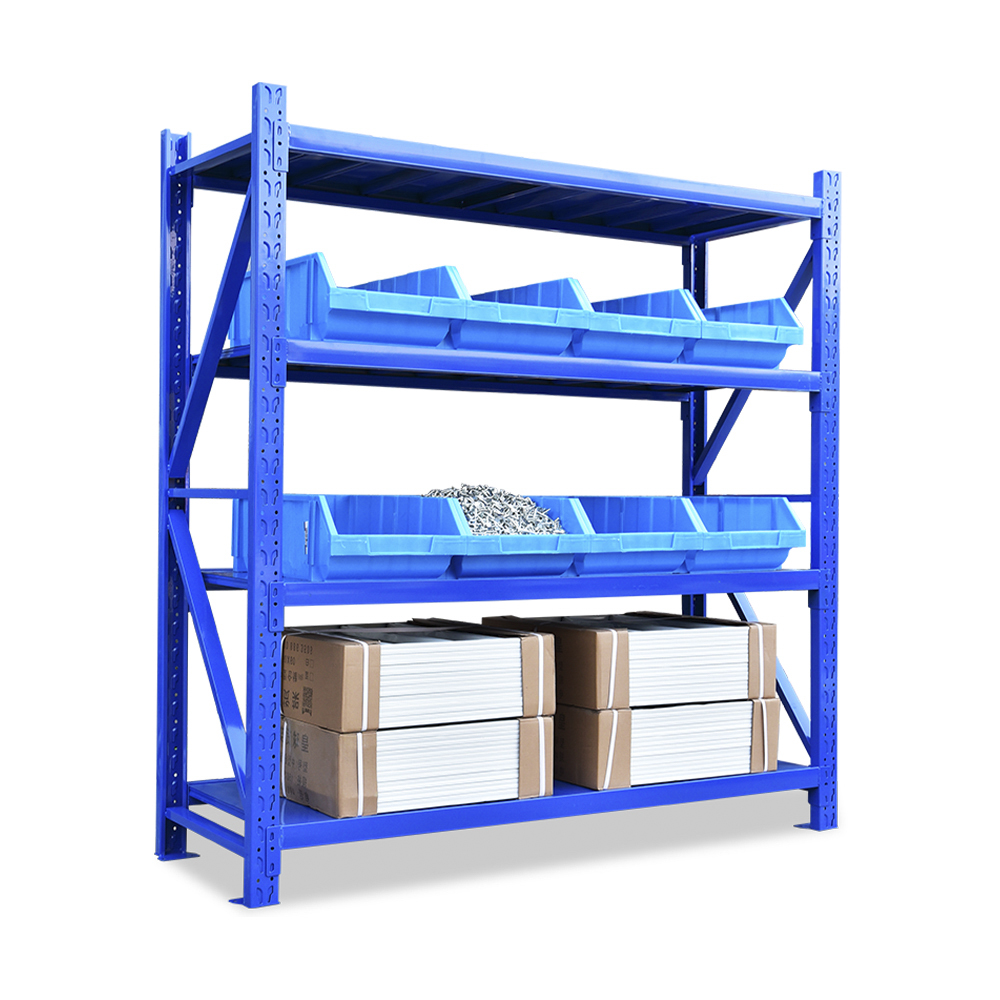
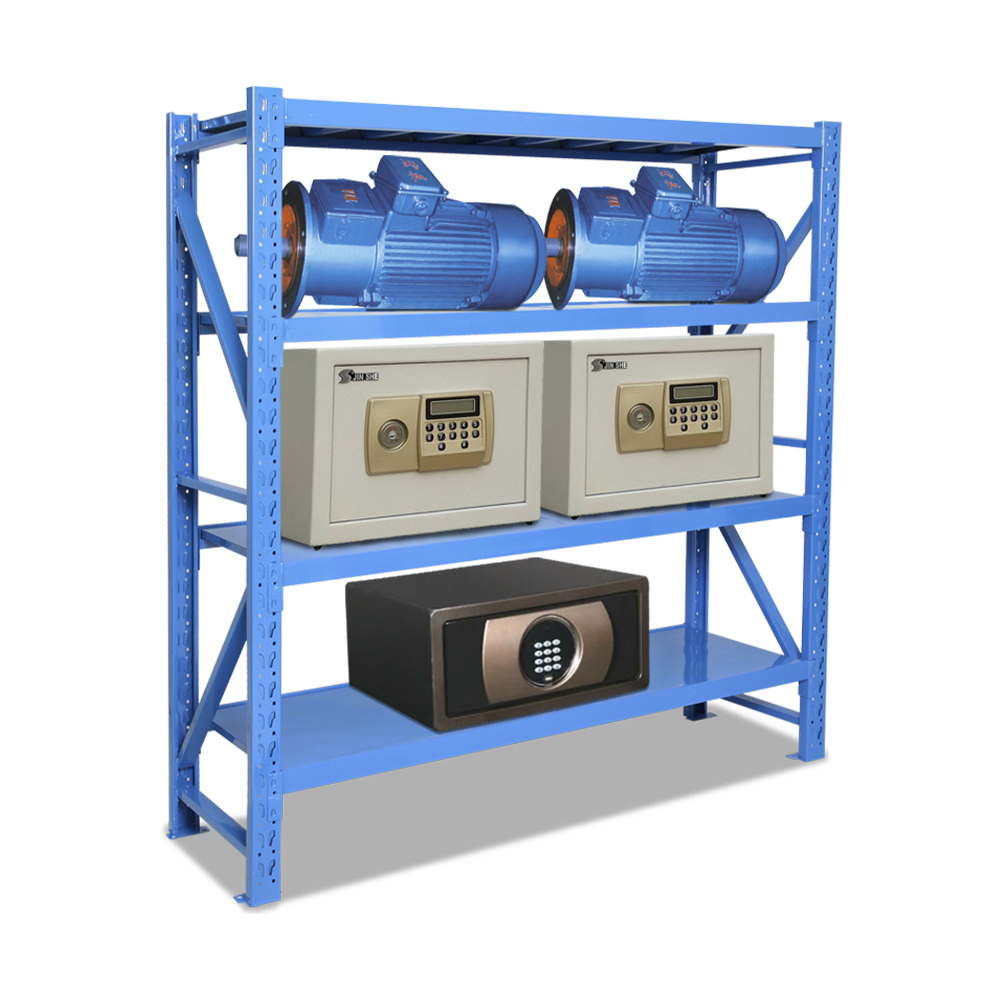
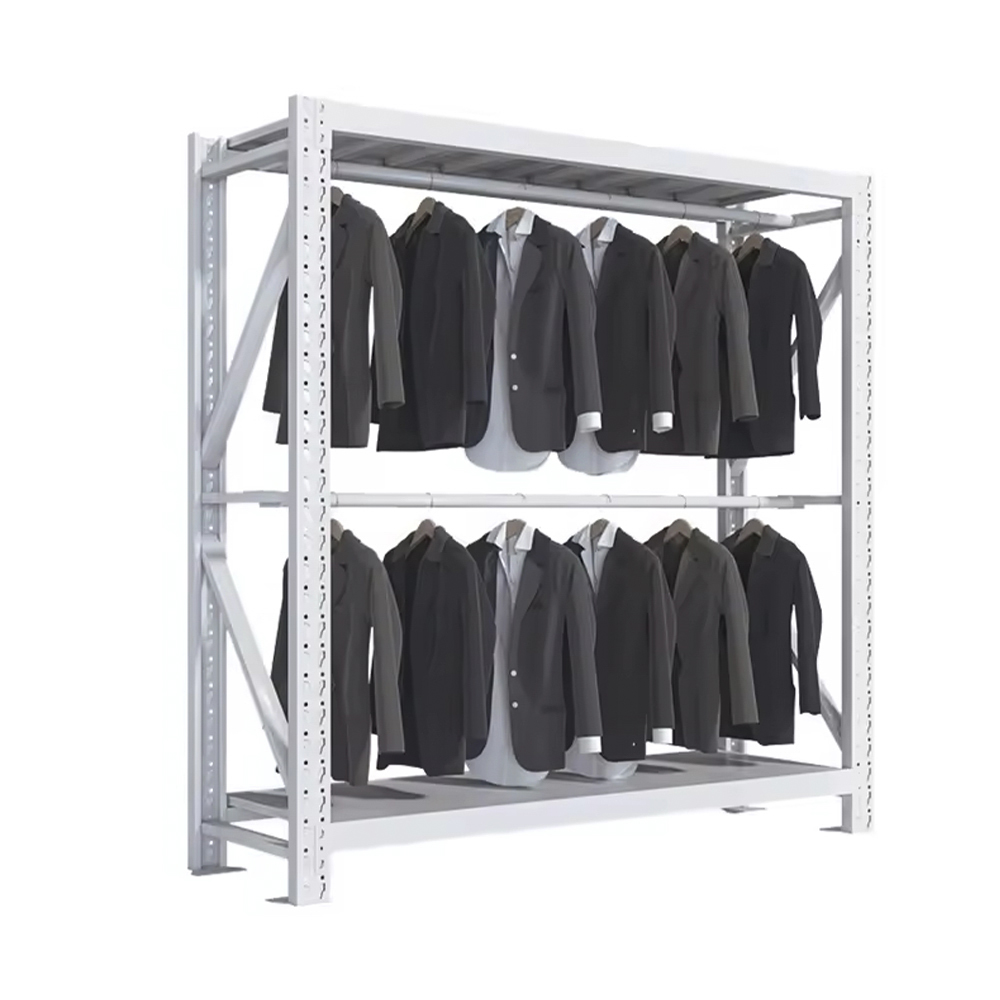
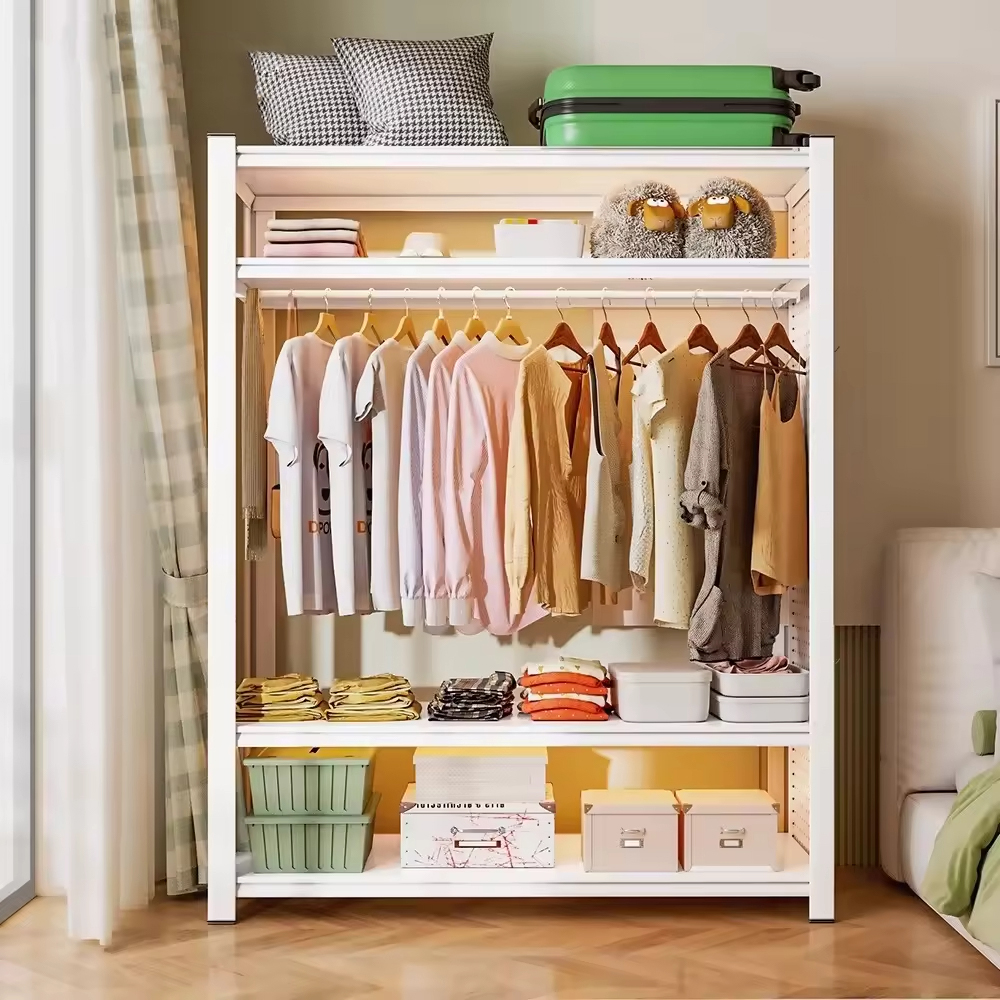
Metallic Shelves & Metallic Racks Supplier
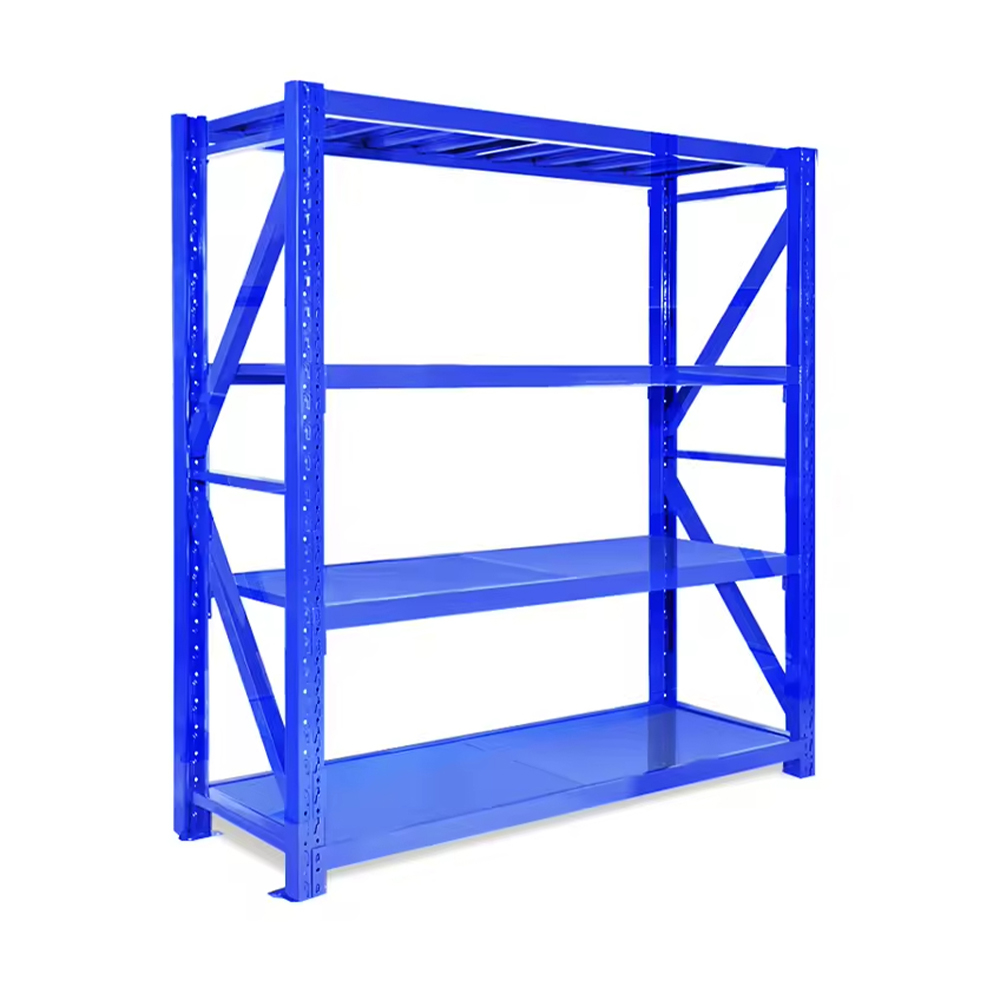
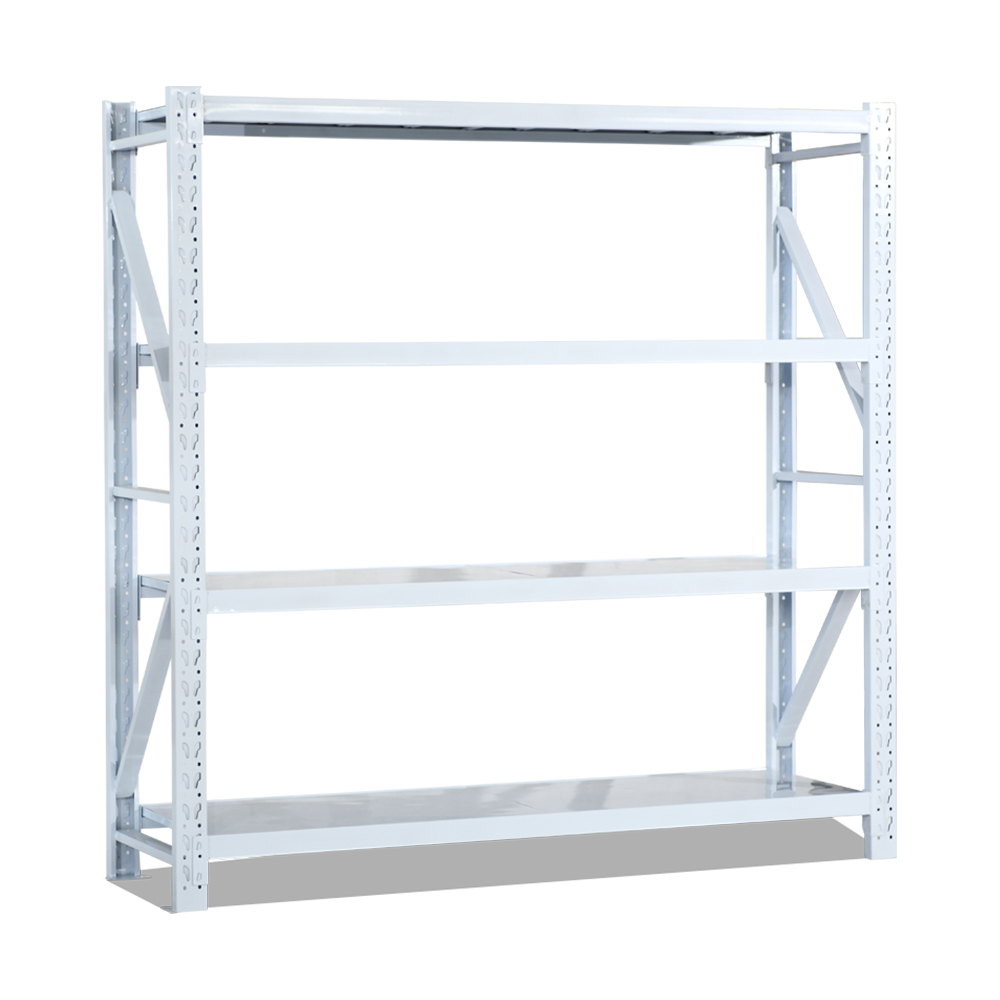
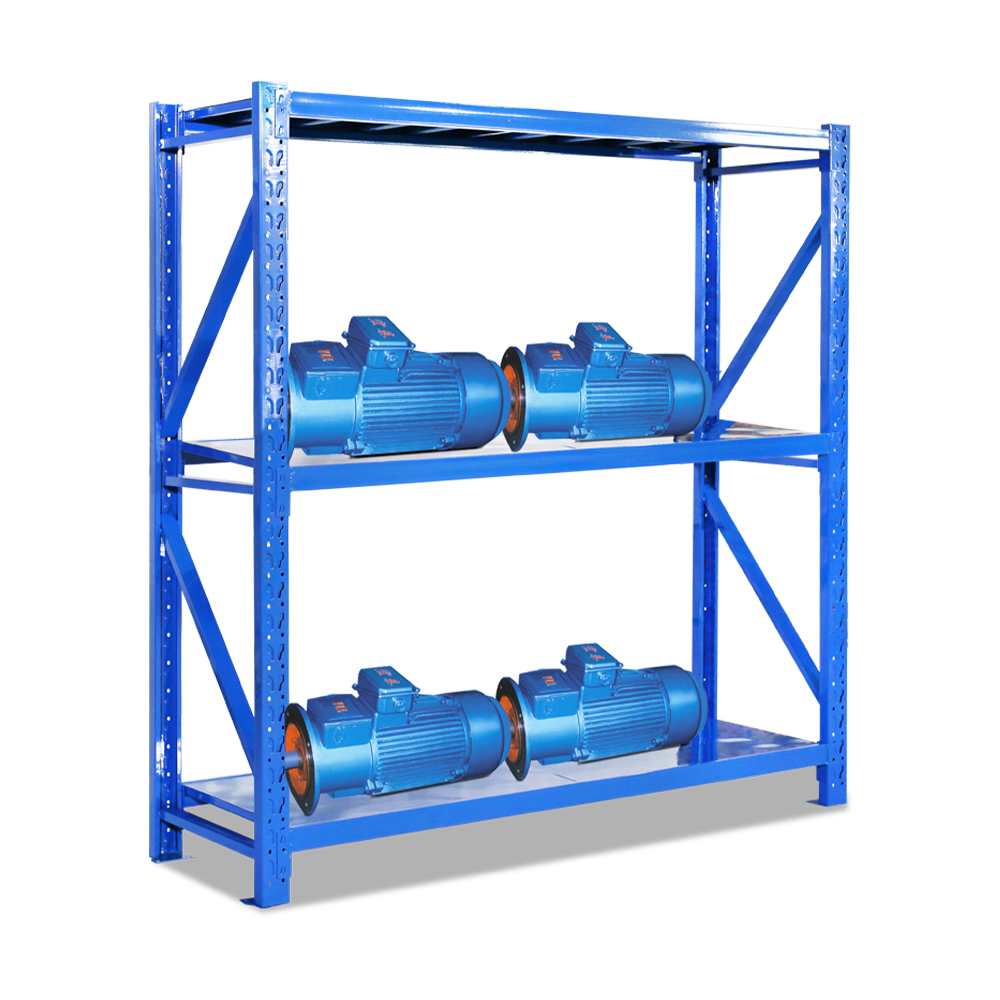
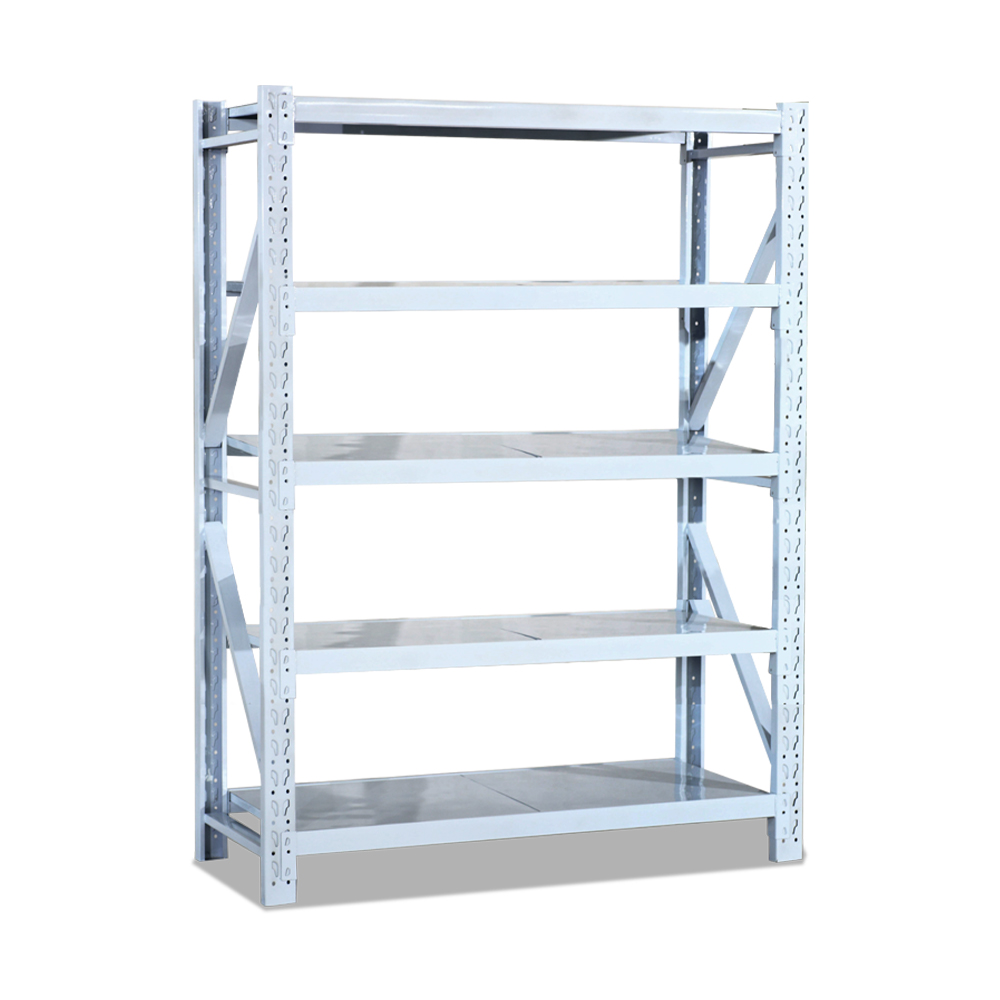
What Sets Us Apart
Who We Are
Better Shelving, Better Business
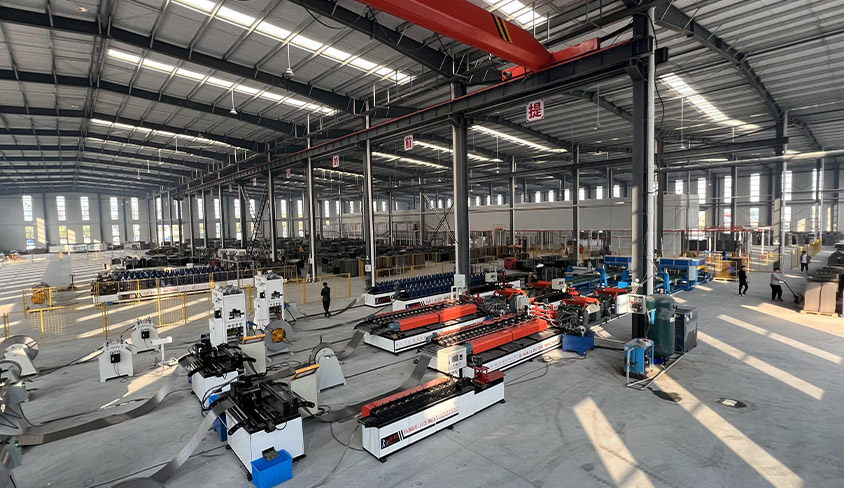
Shanghai King Global Shelf Co.,Ltd. is a leading manufacturer of shelving and storage solutions for
logistics and warehousing. Specializing in home racks, industry heavy-duty shelving, and warehouse
optimization systems. Founded in 2010, we have built strong production capability with a modern facility,
experienced team, and reliable quality control. We are China Metallic Shelves & Metallic Racks Supplier and Storage Shelves Factory, our products are designed to improve display, storage
efficiency, and space utilization for different markets. With stable quality, flexible solutions,
and responsive service, we support customers in both domestic and overseas markets.
About Us


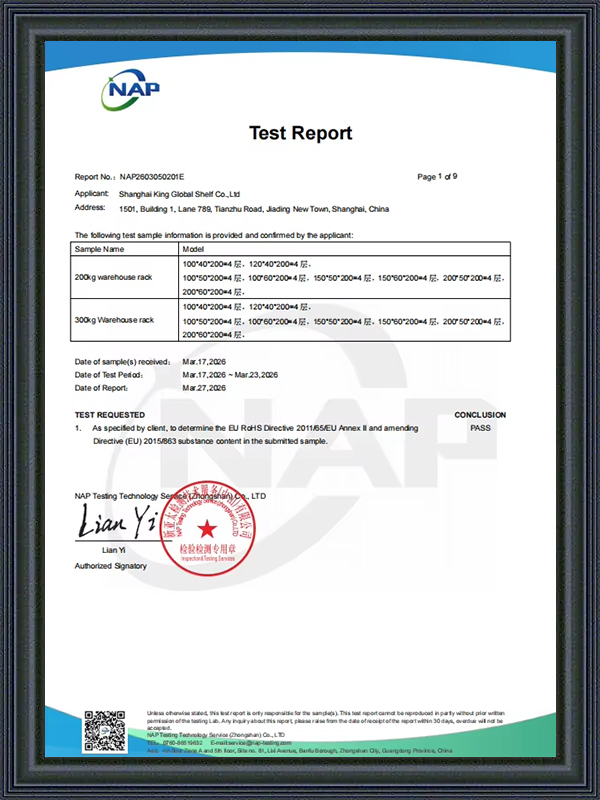
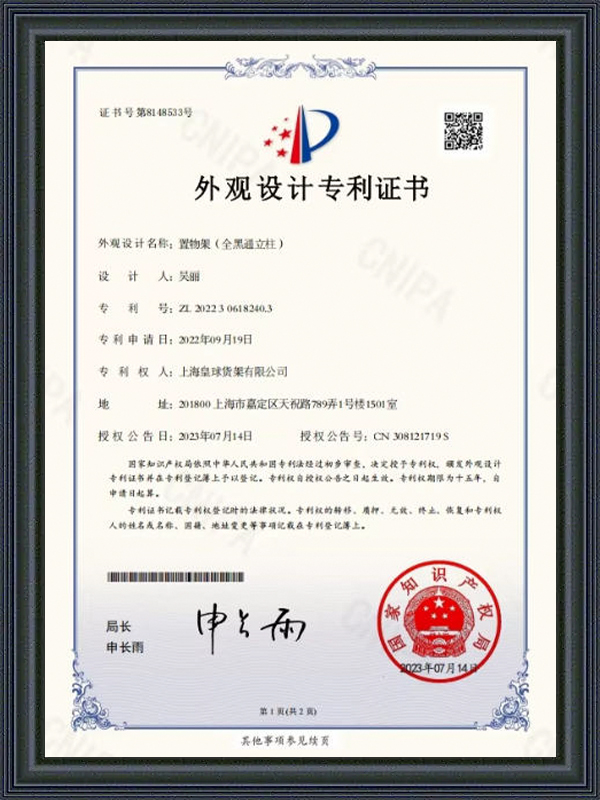
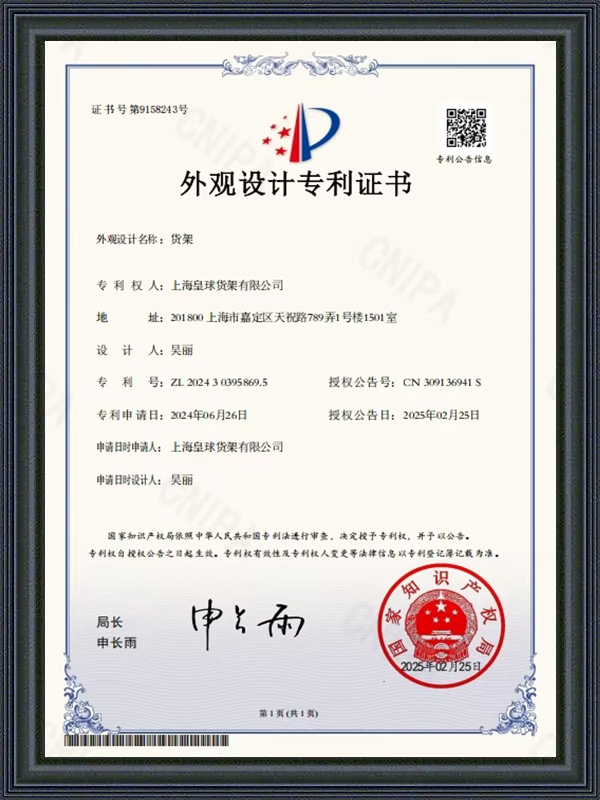
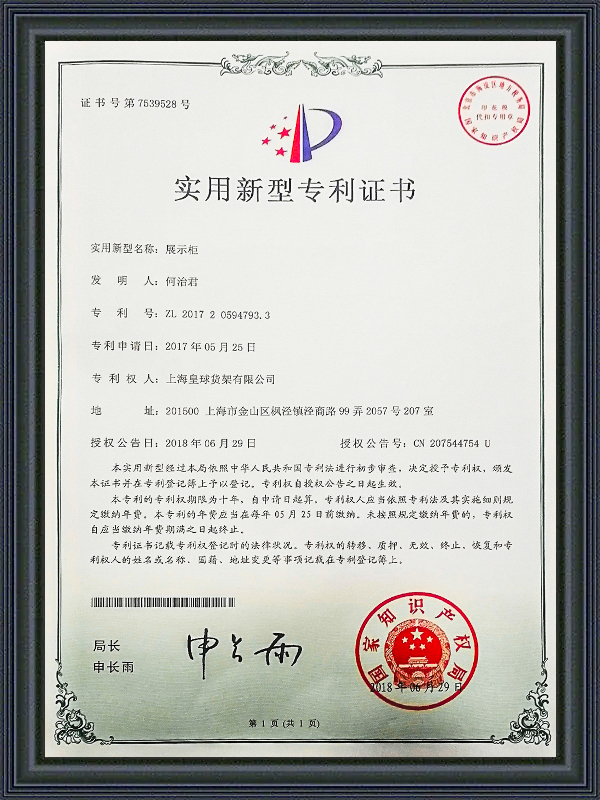
Honor
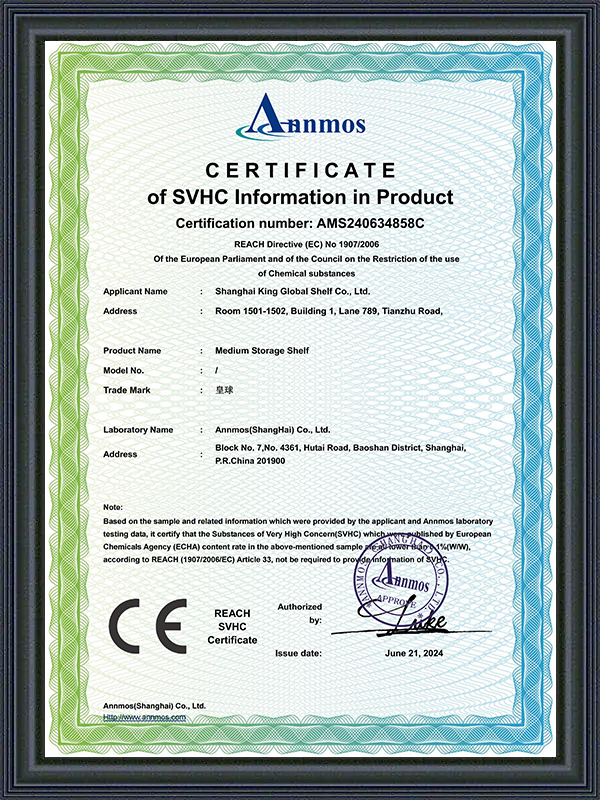
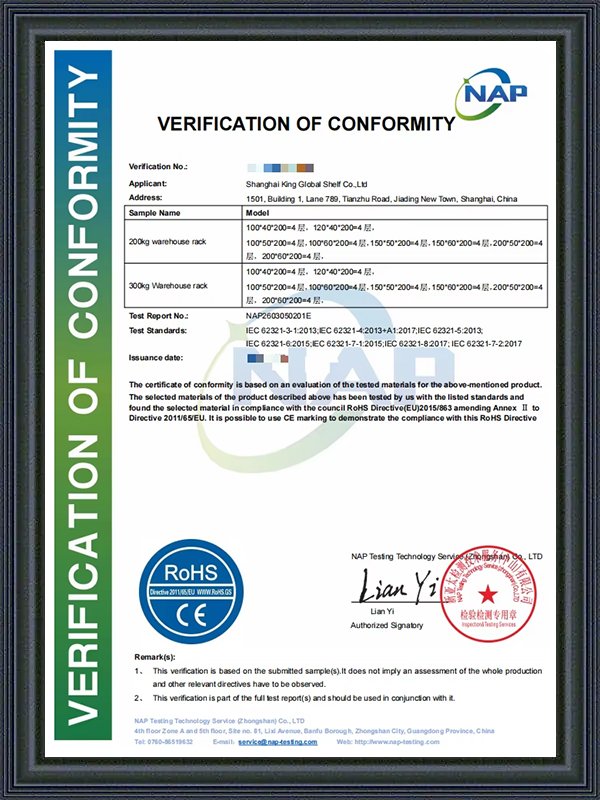
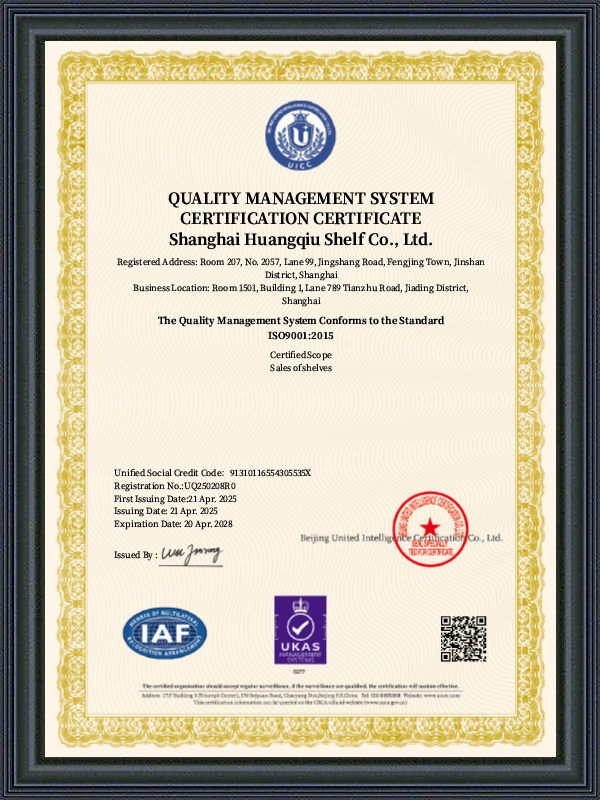
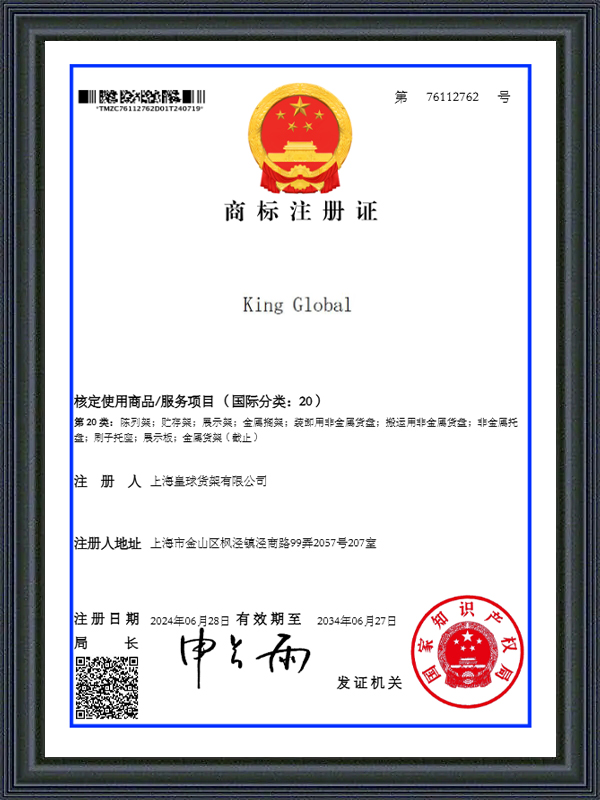
Certificate Of Honor
-

 2026-09-21
 Industry News
-
2026-09-15
Industry News
-
2026-09-08
Industry News
-
2026-09-01
Industry News
Feedback
Message Feedback
Knowledge
Products Industry knowledge
1. Understanding the Metallic Shelves and Garage Shelving Category
Metallic shelves are structural storage units built primarily from steel components, engineered to hold and organize goods across warehouses, garages, retail backrooms, and light industrial spaces. This broad category includes garage shelving intended for household and small workshop storage, along with heavier metallic racks designed for continuous industrial loading in distribution centers and manufacturing facilities. What ties these products together as a single category is a shared structural approach: vertical support posts, horizontal shelf decks or beams, and connecting hardware that together form a rigid, load-bearing frame capable of standing independently on a floor surface. Storage shelves in this category are typically evaluated on a consistent set of performance criteria, including per-shelf load capacity, corrosion resistance of the finish, ease of assembly, and adjustability of shelf height to match different storage needs over time. Garage shelves in particular are frequently selected by both residential users organizing tools and seasonal items, and small businesses needing an affordable, quickly assembled storage solution without a full warehouse racking investment.
This category page consolidates the practical knowledge buyers commonly look for when comparing metallic shelves and metallic racks: the common construction types found across the market, how finish and material choice affects long-term performance, where different shelving formats are typically applied, the structural components that make up a standard unit, and the maintenance routines that help preserve load capacity over years of use. Understanding these fundamentals makes it easier to compare metallic racks and storage shelves on functional merit, rather than relying on surface appearance or a single specification line, and helps buyers select a configuration that matches their intended storage environment, whether that is a home garage, a retail stockroom, or a full logistics facility.
2. Common Types of Metallic Racks and Storage Shelves
Metallic shelving is generally grouped by assembly method and load rating, since these two factors most directly determine which environment a given unit is suited for. Four formats are most commonly encountered across garage, retail, and industrial settings: boltless rivet shelving, wire shelving, heavy-duty steel shelving, and industrial pallet racking. Each type balances assembly speed, load capacity, and ventilation differently, which is why most manufacturers maintain several product lines rather than a single universal design.
(1) Boltless Rivet Shelving
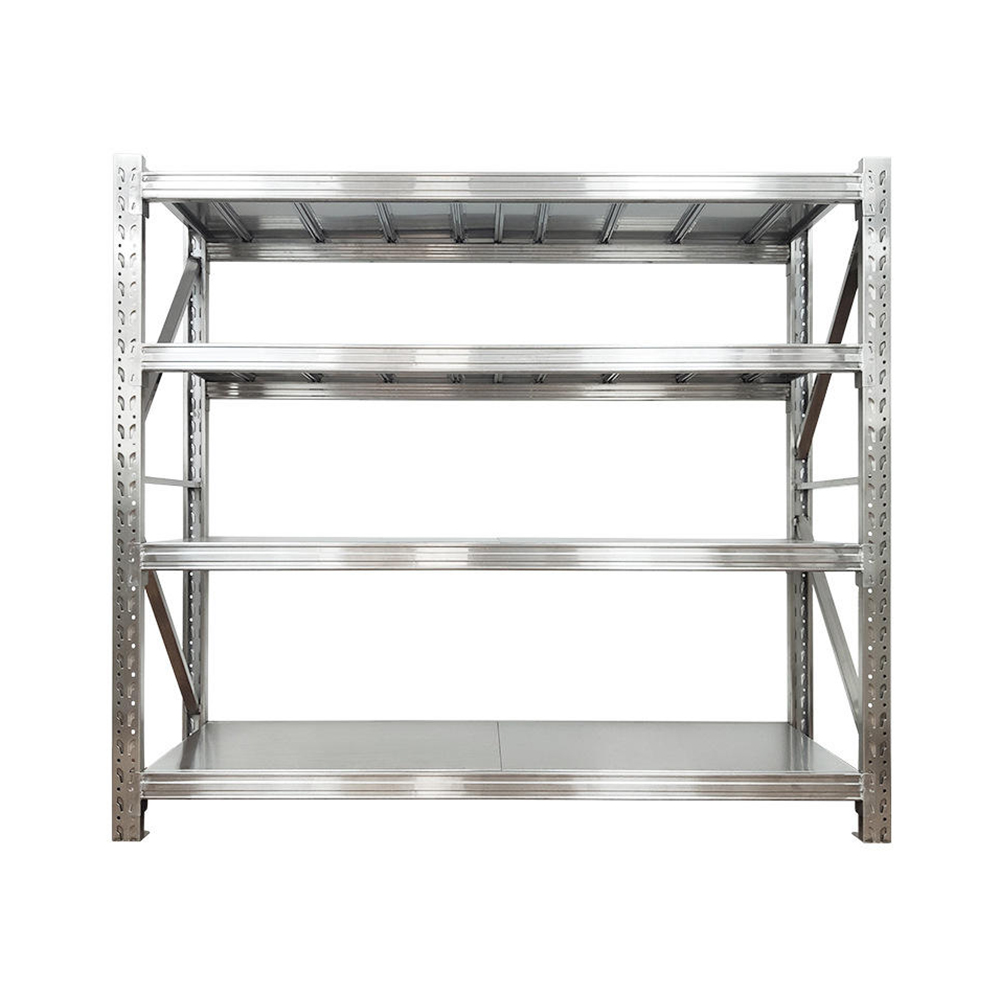
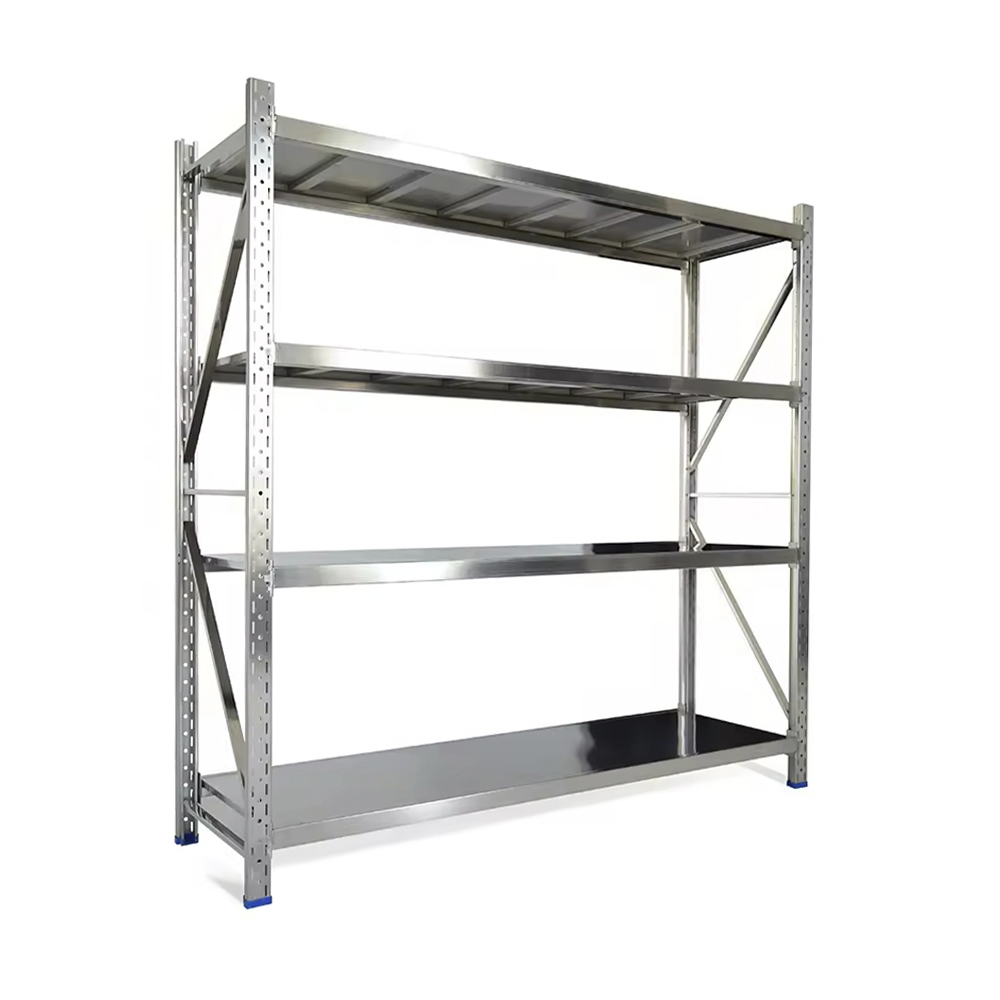
Boltless rivet shelving uses a slotted post and rivet-style connector system that allows shelf decks to be positioned without nuts, bolts, or tools. This design supports quick assembly and tool-free height adjustment, making it a common choice for garage shelving, stockrooms, and general storage areas where configurations may change over time.
(2) Wire Shelving
Wire shelving replaces solid shelf decks with a welded wire grid, allowing air, light, and moisture to pass through the shelf surface. This ventilation characteristic makes wire shelving a frequent choice for storage areas where dust accumulation or airflow restriction is a concern, such as stockrooms handling packaged goods.
(3) Heavy-Duty Steel Shelving
Heavy-duty steel shelving is built with thicker gauge steel posts and reinforced shelf decks to support substantially higher per-shelf weight than standard boltless units. This format is common in workshops, tool storage areas, and light industrial rooms that need to hold dense or bulky items on a small footprint.
(4) Industrial Pallet Racking
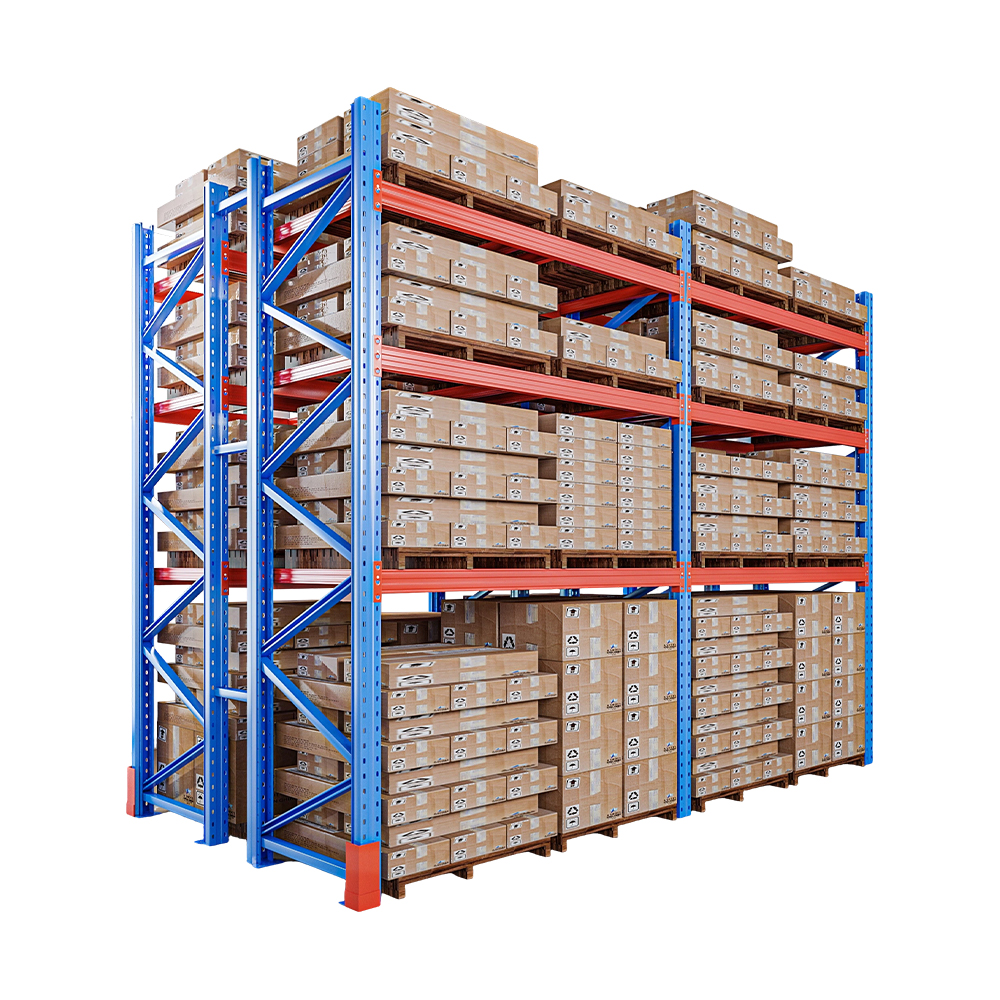
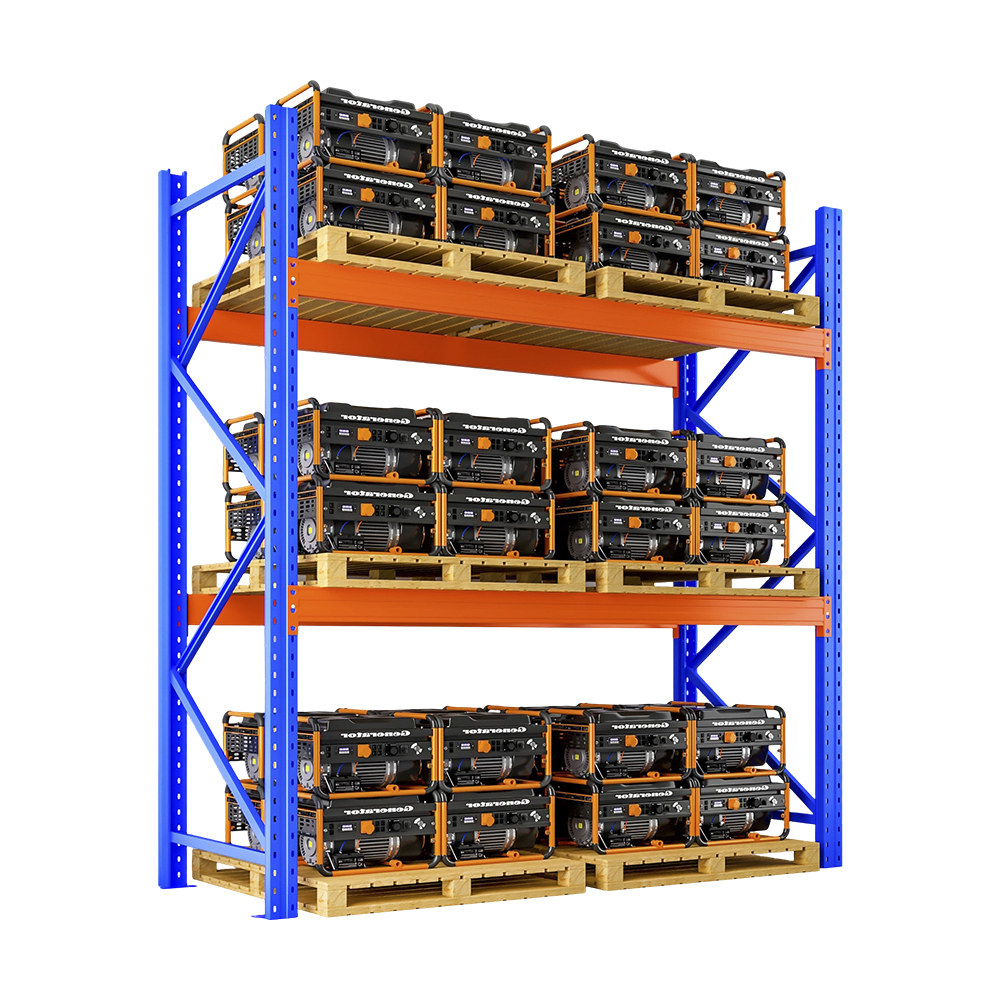
Industrial pallet racking is engineered to hold palletized loads at significant heights, using beam-and-frame construction rather than continuous shelf decks. This format supports the highest load ratings in the category and is typically found in warehouses and distribution centers where forklift access and vertical space utilization are primary design considerations.
3. Market Growth and Industry Trends
Demand for metallic shelves and storage racks has expanded steadily as warehousing, e-commerce fulfillment, and general storage optimization needs have grown across both commercial and residential settings. Modular, boltless shelving formats in particular have seen accelerating adoption because they combine relatively fast assembly with the ability to reconfigure storage layouts as inventory or household storage needs change. Industry research tracking this segment offers a useful reference point for understanding the pace of this growth and the direction the category is heading. The chart below summarizes a general growth trajectory reported for the global boltless shelving segment across recent and projected years, expressed in billions of United States dollars.
The line chart above plots the approximate global value of the boltless shelving segment, a major component of the broader metallic shelves and racks category, from 2025 through 2034. Starting near 4.8 billion dollars in 2025, the segment is tracked climbing at a compound annual rate of just over six percent, reaching close to 8.3 billion dollars by 2034. This steady upward slope reflects sustained rather than short-term demand, driven largely by continued warehouse modernization programs and the ongoing expansion of e-commerce fulfillment operations that require flexible, quickly deployed storage infrastructure. Metal shelving formats specifically have been reported to hold the largest share of the broader shelving product type segment, a pattern consistent with metal's combination of load-bearing strength and manageable cost relative to alternative materials. Industrial applications, including warehousing, logistics, and manufacturing support areas, represent the largest end-use category within this growth, reflecting how central organized storage has become to efficient supply chain operations. At the same time, garage and residential shelving demand has continued to grow in parallel, supported by home organization trends and the increasing popularity of home workshops and DIY storage projects. Heavy-duty load capacity shelving has also been identified as one of the fastest-growing sub-segments, suggesting that buyers across both industrial and residential settings increasingly value shelving that can handle denser, heavier storage loads without compromising structural stability. For manufacturers and distributors, this growth trajectory signals continued relevance for investment in durable, corrosion-resistant, and easily configurable shelving designs. For buyers, it reinforces the value of selecting a shelving system built to remain structurally sound across years of repeated loading and reconfiguration, rather than a unit designed only for short-term or lightweight use. Taken together, this consistent growth pattern underlines why finish quality, load rating, and structural design remain worth close comparison before any metallic shelving purchase decision.
4. Finish and Material Comparison
The finish applied to a metallic shelving unit has a substantial effect on how it performs across different storage environments, particularly where humidity, temperature swings, or frequent cleaning are involved. Three finishes dominate the category: powder-coated steel, galvanized steel, and stainless steel. Each finish offers a different balance of corrosion resistance, load capacity, cost efficiency, and long-term durability, which is why manufacturers typically match the finish to the intended application rather than applying a single finish across an entire product range. Powder-coated steel remains the most widely used finish for general-purpose garage shelving and storage shelves due to its favorable balance of strength and cost efficiency. Galvanized steel is frequently selected for environments with higher humidity or exposure to moisture, since its zinc coating provides strong corrosion protection. The radar chart below compares these three finishes across five practical attributes commonly weighed by buyers.
In the radar chart above, the medium blue outline represents powder-coated steel, the dark navy outline represents galvanized steel, and the lighter blue outline represents stainless steel, each plotted across five attributes on a relative scale. Powder-coated steel scores particularly well on load capacity, cost efficiency, and assembly ease, which explains why it remains the default finish for general-purpose garage shelves and storage shelves used in dry, indoor environments. Its coating provides a reasonable degree of corrosion protection for typical indoor conditions while keeping production cost manageable, supporting its widespread use across residential and light commercial storage. Galvanized steel scores highest on corrosion resistance among the three, since its zinc coating provides a sacrificial layer that protects the underlying steel even where the surface experiences scratches or wear over time. This makes galvanized shelving a common choice for garages, outdoor-adjacent storage areas, and facilities where humidity or temperature fluctuation is a regular factor. Stainless steel scores highest on longevity and corrosion resistance overall, reflecting its dense, non-porous surface and strong resistance to rust even under repeated moisture exposure, though it generally comes at a higher relative cost that can affect large-scale procurement decisions. Assembly ease is fairly consistent across powder-coated and galvanized boltless formats, since both are frequently manufactured using the same slotted post and rivet connector systems, while stainless steel units sometimes involve more precise fabrication that can moderately affect assembly time. When comparing finishes, buyers should weigh the specific storage environment carefully: a dry indoor stockroom may not require the corrosion protection that a humid garage or coastal warehouse setting demands. Load-bearing requirements should also be assessed alongside finish, since a highly corrosion-resistant but lower load-rated unit may not be suitable for dense industrial storage. Ultimately, finish selection is not a matter of one option being universally superior, but a matter of matching known material characteristics to the specific humidity, load, and budget conditions of the intended storage space.
5. Application Scenarios and Selection Considerations
Metallic shelves and racks serve a wide range of settings, and the ideal configuration differs considerably from one environment to the next. Industrial and warehouse settings tend to prioritize heavy-duty steel shelving or pallet racking capable of supporting dense, repeated loading across long operating hours. Garage and residential users generally favor boltless rivet shelving for its fast assembly and reasonable load capacity for household tools, seasonal items, and general storage. Retail backrooms often rely on a mix of wire shelving, valued for ventilation and visibility of stored goods, and standard boltless units for general stockroom storage. Office and institutional storage areas typically use lighter-duty metallic shelving suited to files, supplies, and equipment rather than dense industrial loads. The donut chart below illustrates a general pattern of how metallic shelving and racking usage tends to be distributed across these four application categories.
The donut chart above breaks down general metallic shelving and racking usage into four broad categories: industrial and warehouse storage, garage and residential storage, retail and commercial storage, and office or institutional storage. Industrial and warehouse applications account for the largest share of overall usage, which aligns with the scale at which distribution centers, manufacturing support areas, and logistics operations deploy shelving and racking across large floor areas. Garage and residential storage represents the second-largest share, reflecting steady household demand for organized, easily assembled storage solutions for tools, equipment, and seasonal items. Retail and commercial storage makes up a meaningful portion of total usage, generally consisting of stockroom and backroom shelving that supports inventory management alongside customer-facing retail space. Office and institutional storage represents the smallest share among the four categories, generally consisting of lighter-duty shelving used for files, supplies, and general equipment rather than dense product inventory. This distribution carries practical implications for buyers: a warehouse operator outfitting a distribution center should prioritize heavy-duty steel shelving or pallet racking rated for continuous, high-volume loading. A homeowner setting up garage storage, by contrast, can generally select a lighter boltless system sized to household tools and storage bins without needing industrial-grade load ratings. Retail businesses furnishing a stockroom often benefit from a mix of wire and boltless shelving that balances ventilation, visibility, and general storage capacity. Selection ultimately comes down to matching expected load, frequency of reconfiguration, and available floor space to the shelving format best suited for that specific environment, rather than defaulting to the highest-rated option available regardless of actual need. Businesses sourcing shelving at scale, including retail chains and logistics operators outfitting multiple facilities, often work directly with manufacturers such as Shanghai King Global Shelf Co., Ltd to standardize shelving specifications across every site, which simplifies installation, staff training, and long-term maintenance planning.
For businesses evaluating load capacity across different shelving formats, the horizontal bar chart below compares typical maximum per-shelf or per-level load ranges commonly seen across the four types discussed earlier in this article. This comparison is intended as a general reference point for the relative load-bearing differences between formats, rather than a specification for any single product.
As shown in the bar chart above, industrial pallet racking generally supports the highest working load among the four common formats, which is expected given its beam-and-frame construction and its role in supporting palletized goods at significant heights within a warehouse. Heavy-duty steel shelving follows behind, offering substantially more capacity than lighter formats while still remaining a shelf-based rather than pallet-based system, making it suitable for dense but manually handled storage. Boltless rivet shelving offers a moderate load range that comfortably supports most general storage, tool, and household needs without the reinforced framing required for pallet-scale loads. Wire shelving carries the lowest typical load rating of the group, which is a reasonable trade-off given that its core design priority is ventilation and visibility rather than maximum weight tolerance. These figures serve as a general planning reference, helping buyers understand which shelving category is more likely to comfortably support their intended storage items on a consistent basis. A workshop storing dense equipment or machine parts will generally want to prioritize a format positioned toward the higher end of this comparison, while a household garage storing lighter seasonal items has more flexibility to select a more economical boltless option. It is worth noting that individual product specifications can vary by manufacturer, gauge thickness, and frame design, so this chart should be read as an illustration of general category tendencies rather than a fixed universal figure. Load capacity should also be considered alongside how weight is distributed across a shelf, since concentrated point loads can behave differently than evenly distributed storage even at the same total weight. Buyers managing multiple storage areas often keep a mix of shelving formats on hand, matching lighter wire or boltless units to general storage and reserving heavy-duty or pallet racking formats for denser industrial inventory. This kind of planning helps ensure that shelving investment aligns closely with the actual demands of the storage environment rather than being selected on a single specification alone.
6. Structural Components of a Metallic Shelving Unit
Understanding what physically makes up a metallic shelving unit helps buyers evaluate build quality beyond a basic product listing. While designs vary across manufacturers, most metallic racks and storage shelves share a common set of structural components arranged around a rigid post-and-shelf frame. Recognizing each part, and its function within the overall structure, makes it easier to compare competing products on functional merit rather than surface finish alone. The isometric diagram below labels the five components most commonly found across boltless, wire, and heavy-duty steel shelving designs. Reviewing this structure also clarifies where stress typically concentrates during loading, which is useful context heading into the maintenance guidance that follows later in this article.
The diagram above shows a simplified isometric view of a typical multi-tier metallic shelving unit, with each major component numbered and labeled for reference. The shelf deck panel, marked as component one, is the horizontal surface where stored items rest, and its material and thickness directly determine how much weight a single shelf level can safely support. Component two, the vertical support post, forms the primary load-bearing backbone of the unit, transferring weight from each shelf level down through the frame to the floor, and its gauge thickness is one of the most important indicators of overall unit strength. The boltless connector clip, labeled as component three, is the hardware that locks each shelf deck to the vertical posts without requiring separate nuts or bolts, allowing shelf height to be adjusted quickly as storage needs change over time. Component four, the diagonal cross brace, reinforces the rear or side plane of the unit, reducing lateral sway and improving overall rigidity, particularly important for taller units or those installed in areas with foot traffic nearby. The leveling foot or base plate, shown as component five, sits at the bottom of each vertical post and distributes the unit's total loaded weight evenly across the floor surface, while also allowing minor height adjustment to compensate for uneven flooring. Together, these five components form the functional backbone of nearly every mid-range and heavy-duty metallic shelving unit on the market today, regardless of the specific brand or finish applied to the frame. Understanding how each part contributes to overall performance also helps buyers ask more informed questions when comparing quotations or specification sheets from different suppliers. A unit with a well-engineered post gauge and properly installed cross bracing will generally outperform a similarly priced competitor that has invested more in cosmetic finish than structural substance. This structural breakdown also explains why maintenance routines, covered in the following section, focus heavily on connector integrity, post alignment, and base stability, since these are the components most exposed to repeated mechanical stress over the working life of the unit. Buyers assembling units themselves should pay particular attention to connector clip seating and brace installation, since improperly seated components are among the most common causes of reduced load capacity in field use.
7. Comparing Shelving and Racking Types
The table below consolidates the key comparison points covered across this article into a single reference, making it easier to weigh trade-offs between boltless rivet shelving, wire shelving, heavy-duty steel shelving, and industrial pallet racking side by side.
| Shelving Type | Assembly Method | Typical Load Range | Best Suited Setting | Ventilation |
|---|---|---|---|---|
| Boltless Rivet | Tool-free rivet connectors | Moderate | Garages, general storage | Low |
| Wire Shelving | Clip or boltless connectors | Lower | Stockrooms, ventilated storage | High |
| Heavy-Duty Steel | Bolted or reinforced clip | High | Workshops, light industrial | Low |
| Pallet Racking | Beam-and-frame connectors | Very high | Warehouses, distribution centers | Open frame |
Reviewing the comparison above alongside the earlier material and application sections gives buyers a fairly complete picture for narrowing down options. A warehouse operator planning a new distribution facility, for example, will generally lean toward industrial pallet racking or heavy-duty steel shelving built with a galvanized or powder-coated finish for durability under continuous loading. A homeowner setting up garage storage, on the other hand, is more likely to prioritize a lightweight, quickly assembled boltless system sized for tools, bins, and seasonal items. Manufacturers experienced in producing metallic storage equipment, including companies such as Shanghai King Global Shelf Co., Ltd, typically offer several structural and finish variations within a single shelving line so that buyers can align specification with their specific storage environment rather than settling for a one-size-fits-all product.
8. Maintenance and Care Guidelines
Routine maintenance directly affects how long a metallic shelving unit retains its rated load capacity under repeated use. Shelf decks and posts should be inspected periodically for signs of surface wear, such as scratches or chips in the finish, since exposed base metal can develop corrosion more quickly, particularly in humid or outdoor-adjacent storage areas. Boltless connector clips should be checked to confirm they remain fully seated in their slots, since a partially seated clip can reduce the effective load rating of a shelf level without an obvious visual warning. Diagonal cross braces and any bolted connections should be periodically tightened, since repeated loading and unloading cycles can gradually loosen fasteners over time. Leveling feet and base plates should be checked to confirm the unit remains stable and level, since an uneven base can place uneven stress across the frame and accelerate wear at specific connection points. Overloading individual shelf levels beyond their rated capacity should always be avoided, since exceeding rated limits places stress on connectors and posts that were not engineered for that load. Following a consistent inspection and maintenance schedule helps preserve structural integrity, supports safer daily use, and extends the overall service life of the shelving unit across years of storage operations.
9. Frequently Asked Questions
What is the difference between boltless shelving and wire shelving?
Boltless shelving uses solid or perforated shelf decks connected with a tool-free rivet system, while wire shelving uses a welded wire grid surface that prioritizes ventilation and visibility over a fully solid deck.
Is galvanized steel shelving suitable for garage use?
Galvanized steel is a common choice for garage shelving because its zinc coating offers strong corrosion resistance in environments where humidity or temperature fluctuation is more likely than in a fully climate-controlled space.
How is shelf load capacity typically determined?
Load capacity is generally determined by the gauge thickness of the shelf deck and posts, the connector system used, and whether the load is evenly distributed across the shelf surface.
Can shelf height be adjusted after the unit is assembled?
Most boltless and wire shelving formats allow shelf height to be reconfigured after initial assembly by repositioning the shelf decks along the slotted vertical posts.
What maintenance steps help extend the life of a metallic shelving unit?
Regular inspection of connector seating, finish condition, brace tightness, and base leveling all contribute to preserving structural integrity and rated load capacity over time.
Do manufacturers offer customized shelving specifications for bulk orders?
Many manufacturers, including suppliers such as Shanghai King Global Shelf Co., Ltd, work with warehouses, retail chains, and distributors to adapt shelf dimensions, finish, and load rating to specific storage requirements.
Get exclusive deals and early access to new products.
Experienced staff and experts are always available to provide you with professional guidance and solutions to technical problems.
Mobile
-
Quick Links
Home Products Cooperation Cases Company Service News Contact Us -
Product
Warehouse Rack Pallet Racking Mezzanine Racking Cantilever Racks Supermarket Shelf Office & Home Shelves -
Contact Us

E-mail: liwu78465@gmail.com

WhatsApp: 8613761540945

China Tel: +86-13761540945
Thailand Tel: +66 99 109 1956 (Line Same)
Thailand Tel: +66 92 242 5845 (Line Same)

China Address:Room 1501, Building 1, Lane 789, Tianzhu Road, Jiading District, Shanghai, China.
USA Address: 23787 Eichler St, Unit G, Hayward, CA 94545.
Malaysia Address: METROHUB 2 Warehouse 4, Lot 109363, Persiaran Bukit Rajakayangan/KU5,Bandar Bukit Raja, 41050 Klang, Selangor Darul EhsanReturn to Gate 81, Malaysia.
Thailand Address:จังหวัดสมุทรปราการ อำเภอบางเสาธง ตำบลบางเสาธง 32/7 หมู่7 ถนนบางพลี-ตำหรุ บางพลีใหญ่ Bang Phli District, Samut Prakan 10540,(TH)
Copyright ©
Shanghai King Global Shelf Co.,Ltd.
All Rights Reserved.
Metallic Shelves & Metallic Racks Supplier
Storage Shelves Factory
