


 English
  Español
  русский
  Français
  한국어
한국어  عربى
عربى  ไทย
ไทย  Deutsch
  Bahasa Melayu
  Português
  Polskie
China Tel: +86-13761540945
Thailand Tel: +66 99 109 1956
Thailand Tel: +66 92 242 5845
liwu78465@gmail.com



Shopping Baskets & Carts Supplier
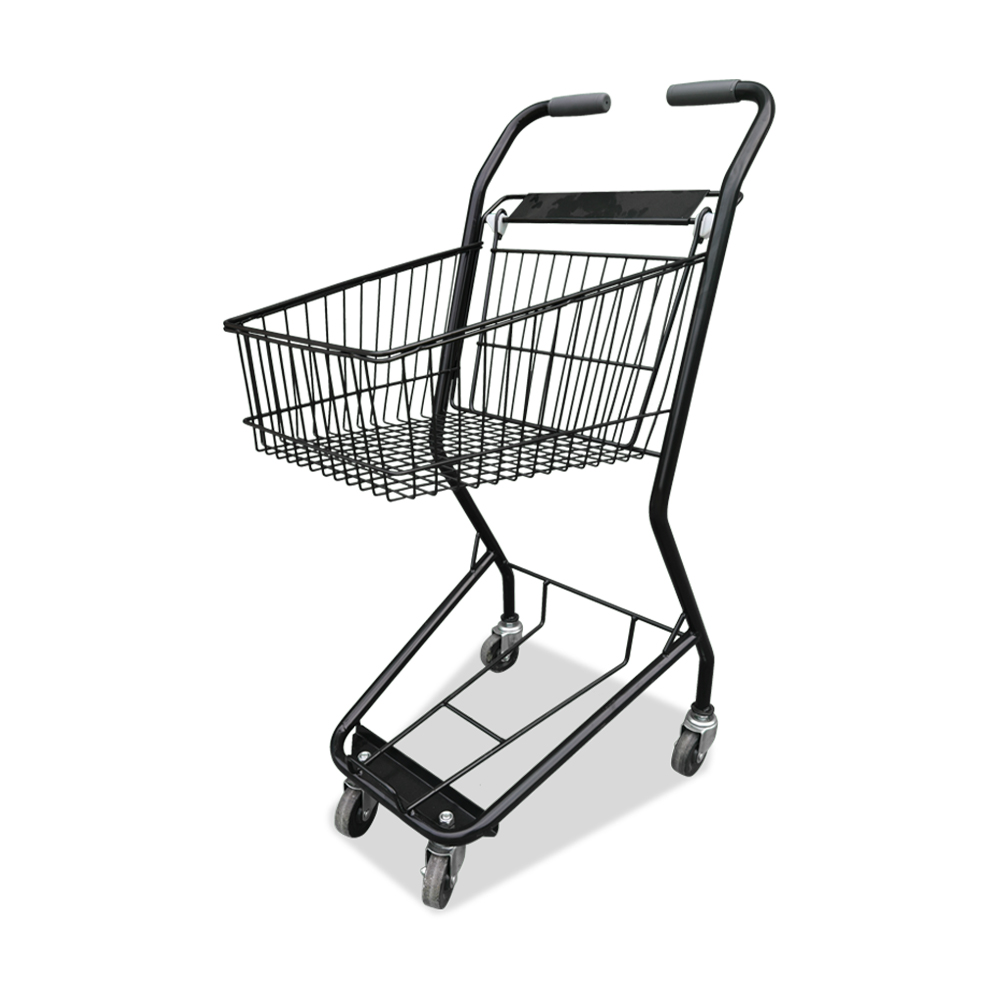
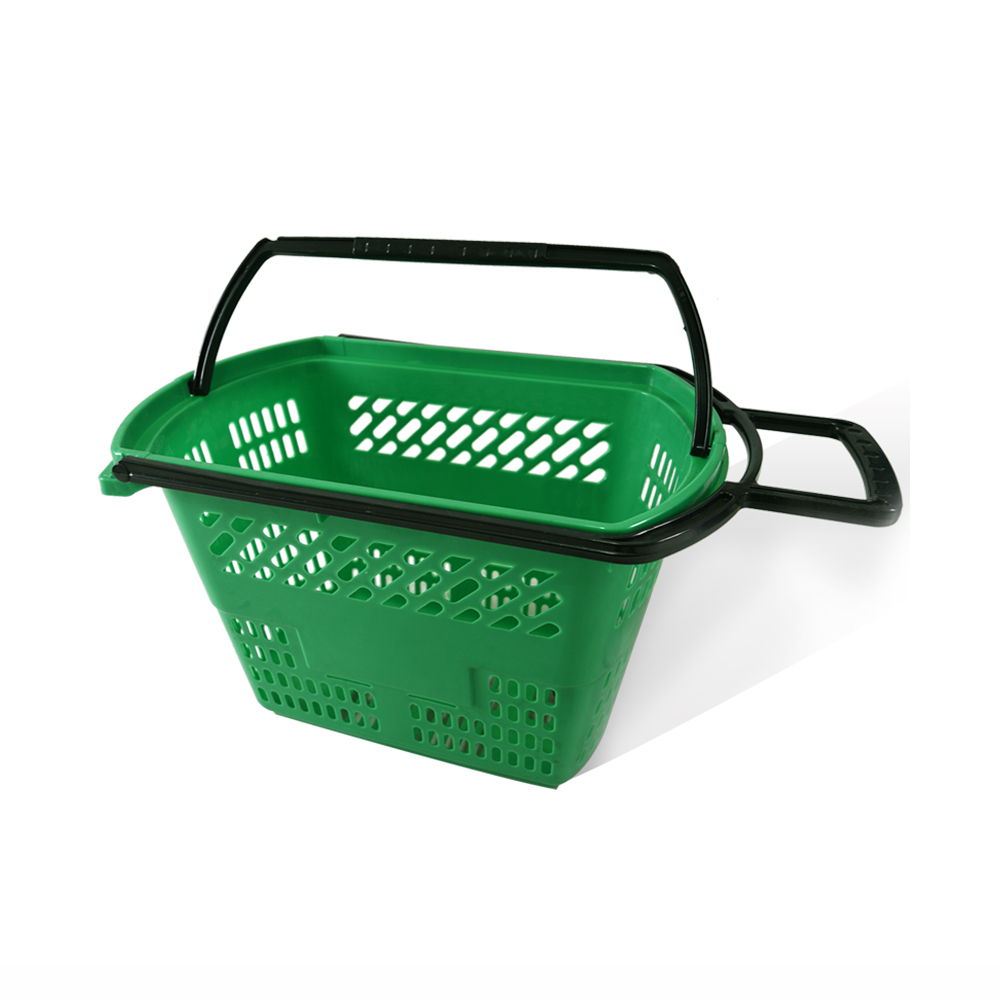
Shopping baskets and carts are portable tools designed to help customers carry purchased goods conveniently, improving shopping experience and increasing purchase volume.
Application Scenarios
Supermarkets, hypermarkets, convenience stores, and shopping malls; suitable for customers to carry groceries, daily necessities, and other purchased items.
What Sets Us Apart
Who We Are
Better Shelving, Better Business
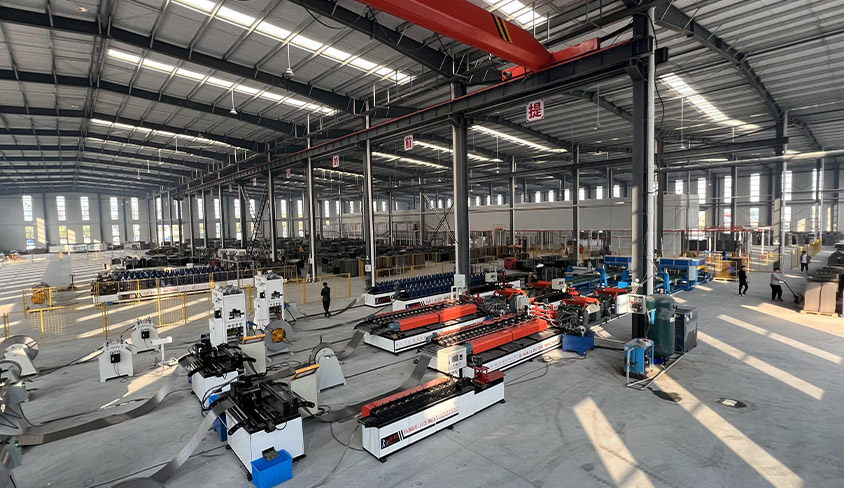
Shanghai King Global Shelf Co.,Ltd. is a leading manufacturer of shelving and storage solutions for
logistics and warehousing. Specializing in home racks, industry heavy-duty shelving, and warehouse
optimization systems. Founded in 2010, we have built strong production capability with a modern facility,
experienced team, and reliable quality control. We are China Shopping Baskets & Carts Supplier and Wholesale Shopping Baskets & Carts Factory, our products are designed to improve display, storage
efficiency, and space utilization for different markets. With stable quality, flexible solutions,
and responsive service, we support customers in both domestic and overseas markets.
About Us


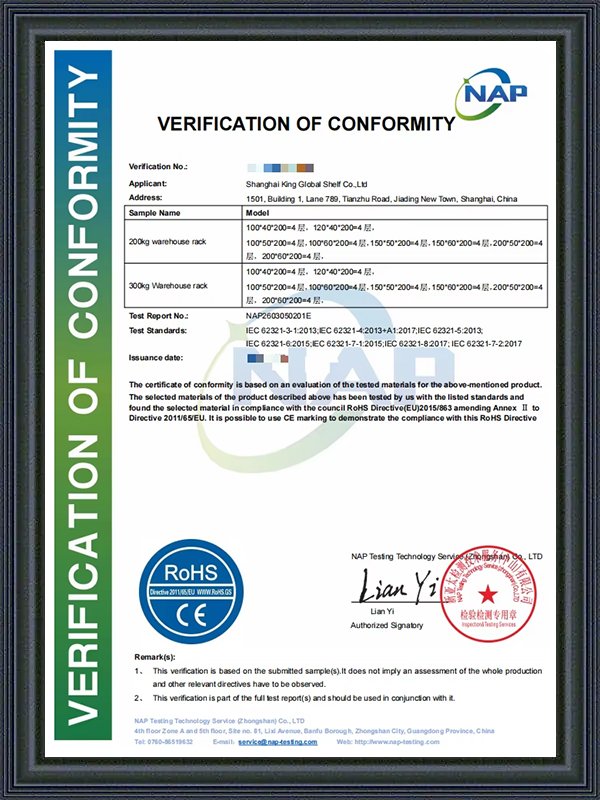
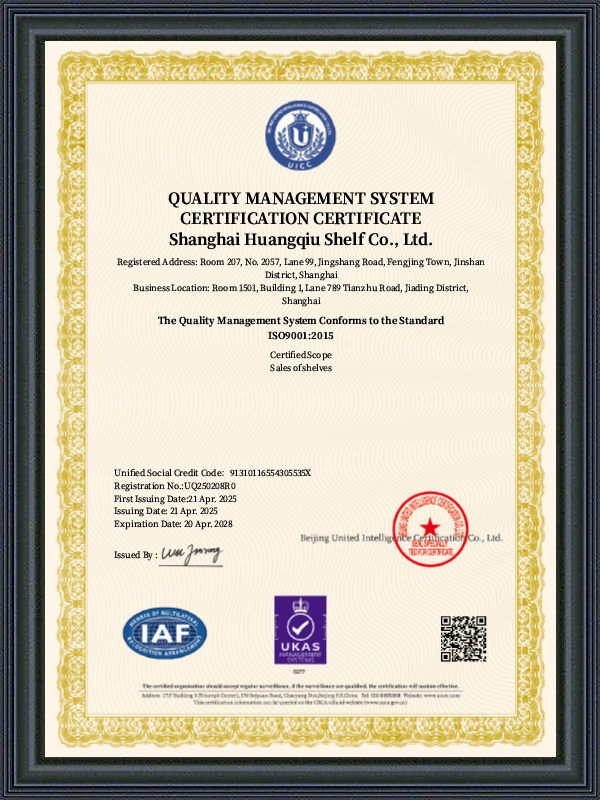
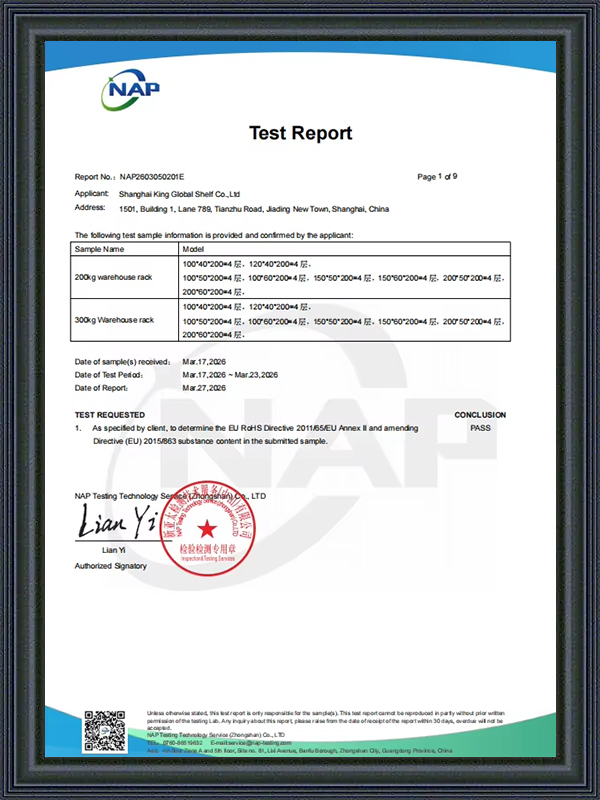
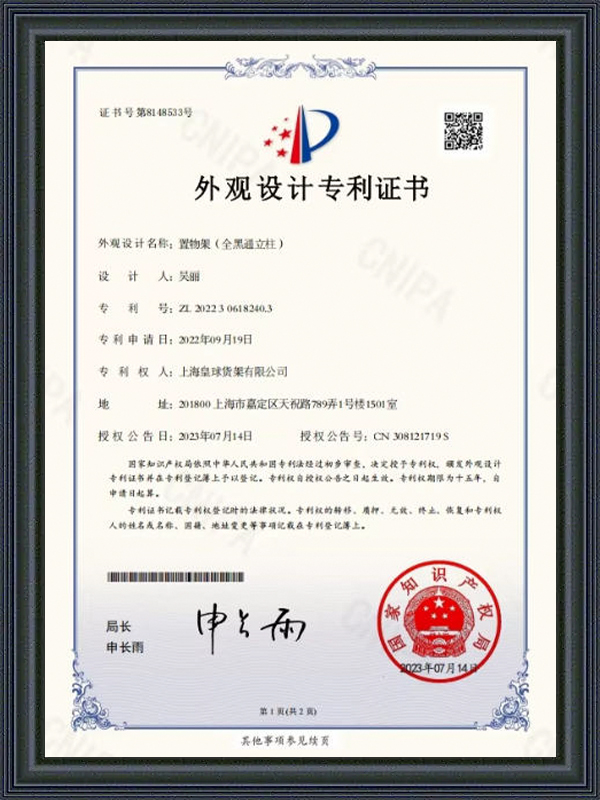
Honor
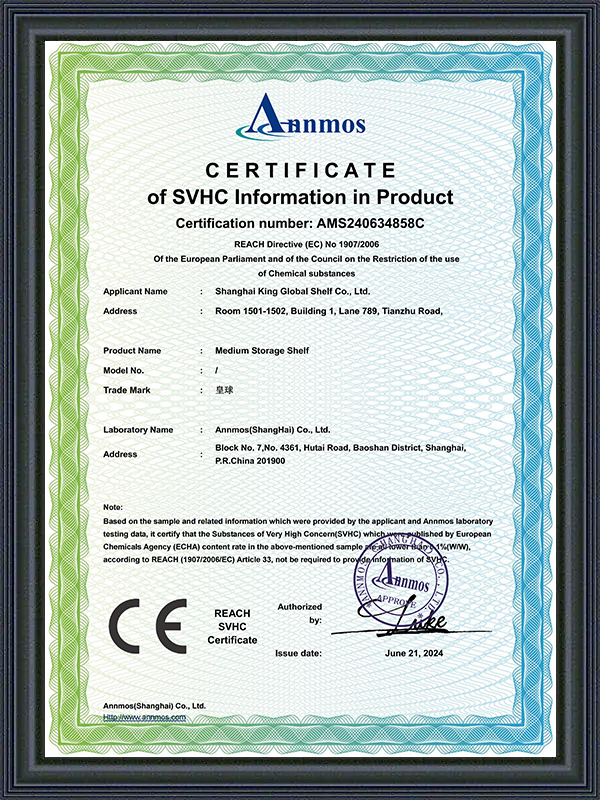
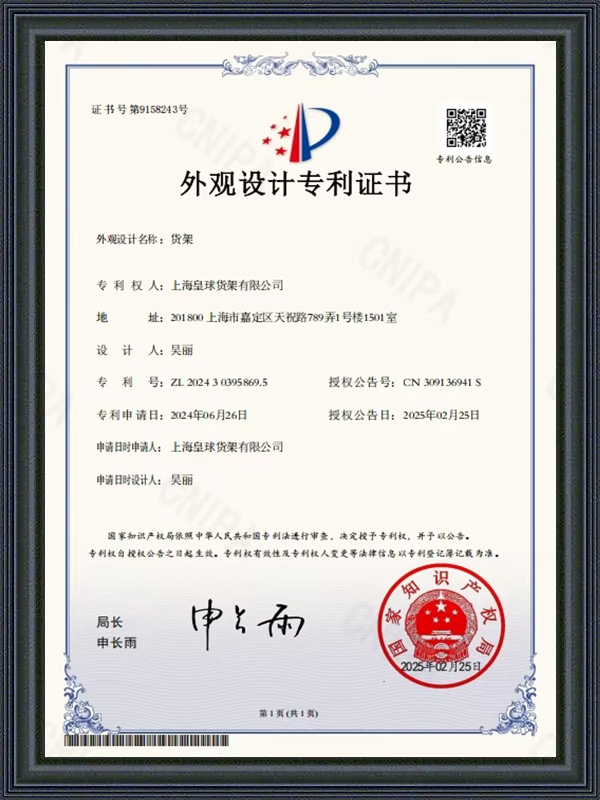
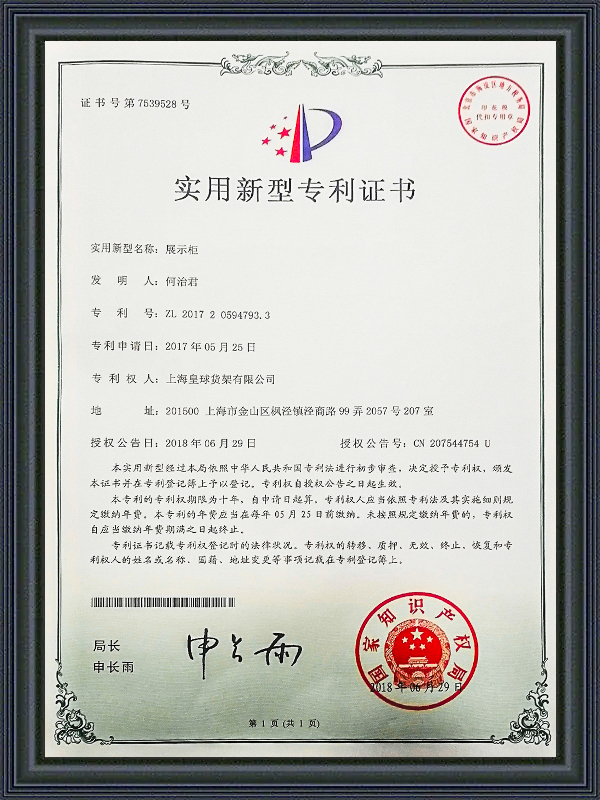
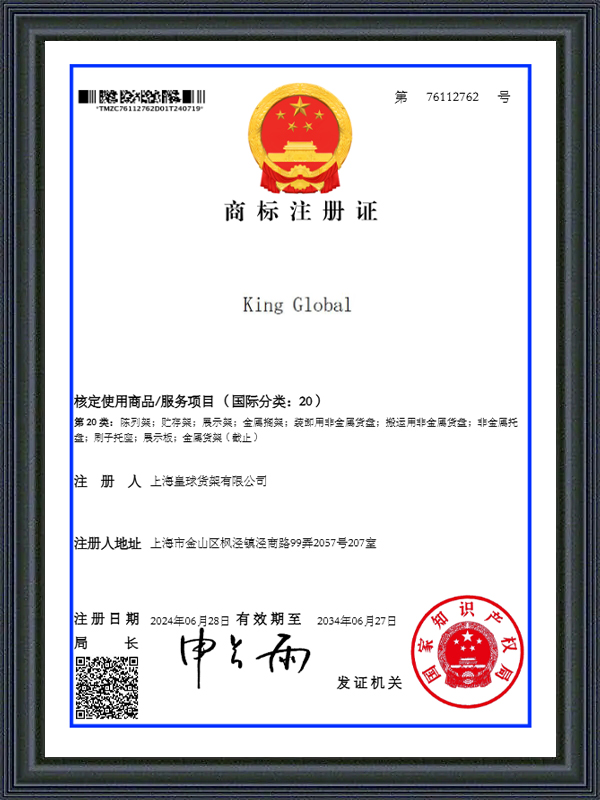
Certificate Of Honor
-

 2026-09-21
 Industry News
-
2026-09-15
Industry News
-
2026-09-08
Industry News
-
2026-09-01
Industry News
Feedback
Message Feedback
Knowledge
Shopping Baskets & Carts Industry knowledge
1. Overview of Shopping Baskets and Carts
Shopping baskets and carts are portable retail tools designed to help customers carry purchased goods conveniently while moving through a store, supporting a smoother shopping experience and allowing shoppers to select a larger volume of items during a single visit. Unlike fixed shelving or display equipment, shopping baskets and carts are mobile by design, built to be picked up, pushed, or wheeled through aisles before being returned to a designated collection point near the store entrance or checkout area. Baskets are typically formed from molded plastic or welded wire, sized for smaller purchases or quick trips, while carts are built around a wire or metal basket mounted on a wheeled frame, designed for larger volume shopping. Both formats share the common function of temporarily holding goods during the shopping process, and both are engineered to be lightweight enough for easy handling while remaining sturdy enough to carry a reasonable volume of packaged goods. Because these tools are handled repeatedly throughout each day, shopping baskets and carts are generally built with rounded edges, smooth handles, and durable joints to withstand frequent use across a wide range of store environments.
The design of shopping baskets and carts directly influences how customers move through a store and how much they are able to purchase in a single visit. A basket, being hand carried or looped over the arm, is generally suited to a small number of items, while a cart allows customers to gather a significantly larger volume of goods without added physical strain. Many retail environments offer both formats side by side, allowing shoppers to select the option that matches their intended purchase volume. This dual availability is a common feature across supermarkets, hypermarkets, convenience stores, and shopping malls, where customer traffic patterns and purchase sizes vary throughout the day.
2. Structural Design and Working Principle
(1) Core Components
The working principle of a shopping cart centers on a wire or metal basket mounted on a tubular frame, supported by four caster wheels that allow smooth movement across flat store flooring. A folding or fixed child seat is often incorporated near the handle end of larger carts, while a lower rack beneath the main basket provides additional carrying space for bulkier items. The basket itself is commonly hinged at the rear, allowing one cart to nest partially inside another for compact storage when not in use, which is a key factor in how many carts a store can store within a limited entrance or corral area. Shopping baskets, by comparison, rely on a simpler single-piece or two-handle design, either carried directly by hand or looped over the forearm, with reinforced rims or handle points to distribute weight evenly and reduce strain during use.
(2) Capacity Comparison Across Formats
Before reviewing the chart below, it is useful to understand how carrying capacity generally varies across common shopping basket and cart formats. Capacity in this context refers to the approximate internal volume available for holding purchased goods, which directly relates to how many items a customer can collect before needing to proceed to checkout. Smaller formats such as hand baskets are suited to quick trips involving a limited number of items, while larger cart formats are designed for full grocery shopping trips involving a broad mix of products. Understanding this relationship helps retailers offer an appropriate mix of formats based on typical customer shopping patterns. The chart below presents an illustrative comparison of typical internal volume across four common formats.
The bar chart above illustrates a general pattern seen across common shopping basket and cart formats, showing how carrying capacity increases progressively from the smallest hand basket to the largest family cart. As shown, the hand basket occupies the lowest end of the range, typically offering between ten and twenty liters of internal volume, making it well suited to convenience store visits or quick supermarket trips involving only a handful of items. The mini cart, sometimes offered as a smaller wheeled option near store entrances, sits in the next tier, generally providing between forty and sixty liters of capacity, bridging the gap between a hand carried basket and a full sized cart for shoppers with a moderate purchase list. The standard cart, the most widely used format across supermarkets and hypermarkets, typically offers between ninety and one hundred twenty liters, accommodating a broad grocery shop covering multiple product categories in a single trip. The large family cart, shown at the top of the chart, generally exceeds one hundred fifty liters and often includes an extended lower rack, suited to bulk shopping trips or larger households purchasing a wide range of goods at once. This progression reflects the general design intent behind each format, where smaller formats prioritize ease of handling and quick movement through aisles, while larger formats prioritize total carrying volume for extended shopping trips. For a retailer planning its basket and cart inventory, this comparison offers a useful reference point when deciding how many of each format to make available near store entrances. A convenience store with predominantly quick, small purchases may rely primarily on hand baskets, while a hypermarket serving weekly grocery shoppers is likely to prioritize a larger proportion of standard and family sized carts. Matching the available format mix to actual customer shopping patterns supports a smoother in-store experience and can help reduce congestion near basket and cart storage areas during peak hours.
3. Common Types and Characteristics
Shopping baskets and carts are available in several distinct formats, each suited to a particular purchase volume, store type, or customer preference.
- Plastic hand basket: a lightweight, molded basket carried by handle, commonly used in convenience stores and for quick supermarket trips.
- Wire hand basket: a welded wire alternative offering similar capacity to plastic baskets with a different visual and structural profile.
- Mini shopping cart: a compact wheeled cart offering more capacity than a hand basket while remaining easy to maneuver in narrower aisles.
- Standard shopping cart: the most common wheeled format, featuring a main basket, lower rack, and nesting frame for compact storage.
- Family or bulk cart: a larger wheeled format with extended basket and rack space, suited to bulk shopping trips in hypermarkets or wholesale-style stores.
Each of these formats shares the common characteristic of shopping baskets and carts: a portable, easy to handle structure designed to temporarily carry purchased goods, with the specific format selected based on expected purchase volume and store layout considerations.
4. Application Scenarios and Selection Points
(1) Core Application Scenarios
Shopping baskets and carts are applied across a range of retail settings where customers need a convenient way to carry purchased goods while shopping.
- Supermarkets: providing both hand baskets and standard carts to accommodate a wide range of trip sizes throughout the day.
- Hypermarkets: relying more heavily on standard and family carts due to larger average purchase volumes and broader product ranges.
- Convenience stores: primarily offering hand baskets suited to quick, low-volume purchases.
- Shopping malls: offering baskets or carts within larger retail units, particularly those selling groceries, household goods, or bulk items.
(2) Selection Criteria Overview
Selecting an appropriate mix of shopping baskets and carts involves weighing several store-specific factors against one another. The radar chart below outlines five commonly referenced evaluation dimensions used when comparing basket and cart options for a given retail environment. This visual is intended as a general educational reference rather than a rating of any specific product, and reflects characteristics broadly associated with the shopping basket and cart category as a whole. Reviewing these dimensions together helps clarify which format mix is likely to suit a particular store type and customer base. The five dimensions include mobility, carrying capacity, space efficiency in storage areas, durability, and ease of handling for a wide range of customers.
The radar chart above illustrates how a typical shopping cart profile scores across five commonly referenced evaluation dimensions relative to the maximum possible range on each axis, with hand baskets generally scoring differently on the same dimensions due to their simpler, non-wheeled design. As the shaded area shows, mobility is represented as a relatively strong attribute for wheeled carts, reflecting the caster wheel design that allows customers to move larger volumes of goods through aisles with minimal physical effort. Carrying capacity also appears prominently, since a wheeled cart can hold significantly more than a hand carried basket without adding strain to the customer. Space efficiency in storage areas is shown at a moderately high level, largely due to the nesting frame design common to most standard and family carts, which allows many units to be stored compactly in a corral or entrance area between uses. Durability is represented at a moderate to high level, consistent with the welded wire and steel tube construction typical of most cart frames, which are built to withstand repeated daily use across a high volume of shopping trips. Ease of handling sits toward the middle of the chart, reflecting a balance between the convenience of a wheeled format and the physical effort required to maneuver a fully loaded cart, particularly in tighter aisle spaces. When a retailer maps its own store layout and customer base onto a chart like this, it becomes easier to decide on an appropriate ratio of baskets to carts. For example, a convenience store with narrow aisles and small average purchase sizes may prioritize ease of handling and space efficiency, favoring hand baskets, while a hypermarket with wide aisles and large purchase volumes is likely to prioritize carrying capacity and mobility, favoring a higher proportion of standard and family carts. This type of comparative visualization is a practical planning tool when determining the right balance of formats for a specific retail environment, helping avoid situations where customers cannot find an appropriate basket or cart for their intended purchase volume.
5. Comparing Basket and Cart Formats
The table below summarizes general differences among common shopping basket and cart formats across several practical dimensions, offering a reference point for retailers comparing available options.
| Format | Typical Capacity | Mobility | Common Setting |
|---|---|---|---|
| Hand Basket | 10-20 L | Hand carried | Convenience stores, quick trips |
| Mini Cart | 40-60 L | Wheeled, compact | Supermarkets, moderate trips |
| Standard Cart | 90-120 L | Wheeled, nesting | Supermarkets, hypermarkets |
| Family Cart | 150+ L | Wheeled, extended rack | Hypermarkets, bulk shopping |
As shown in the table, each format reflects a different balance between capacity and mobility, which is why most retail environments offer a mix of formats rather than relying on a single basket or cart type across the entire store.
6. Nesting Design and Storage Space Efficiency
One of the practical design features of shopping carts is their ability to nest together when not in use, reducing the amount of entrance or corral space needed to store a large fleet of carts. Before reviewing the line chart below, it is useful to understand that a nesting frame allows the front of one cart to slide partially underneath the rear of the cart in front of it, compressing a row of carts into a much shorter overall length than if each unit stood alone. The degree of nesting depth, meaning how compactly each cart fits into the one ahead of it, directly affects how many carts can be stored within a given corral length. The chart below illustrates a general relationship between nesting depth efficiency and the number of carts that can be stored within a fixed length corral. This relationship is particularly relevant for larger stores that manage sizable cart fleets near their main entrance.
The line chart above shows a general upward relationship between nesting efficiency and the number of carts that can be stored within a fixed length corral area. As the chart demonstrates, a cart design with low nesting efficiency, meaning each cart occupies most of its own length even when nested, allows only a small number of carts to fit within a given corral space. As nesting efficiency improves, represented along the horizontal axis, the number of carts that can be stored within the same fixed length increases correspondingly, shown by the upward trend of the line. This relationship is particularly relevant for hypermarkets and larger supermarkets that maintain sizable cart fleets, since limited entrance space often constrains how many carts can be kept readily available for customers during peak shopping hours. A store with a compact entrance area benefits significantly from carts offering higher nesting efficiency, allowing more units to be stored without expanding the physical corral footprint. Conversely, a store with ample entrance space may place less emphasis on nesting efficiency and prioritize other factors such as basket volume or wheel quality instead. The chart also shows the trend continuing to rise steadily across the range presented, suggesting that incremental improvements in nesting design continue to add practical storage value. In practical terms, nesting efficiency is influenced by frame angle, basket depth, and how the rear of one cart is shaped to accept the front of the cart behind it. Retailers managing large cart fleets across multiple entrances often consider nesting efficiency alongside capacity and mobility when selecting a cart format for their stores. From an operational standpoint, better nesting efficiency also reduces the time staff spend organizing scattered carts across a parking area or entrance zone during busy periods. Overall, the chart reinforces why nesting design is frequently highlighted as a practical consideration for retailers managing cart availability within limited entrance space.
7. Maintenance Guidance for Shopping Baskets and Carts
Routine maintenance helps preserve the mobility, appearance, and structural safety of shopping baskets and carts, which are among the most frequently handled equipment in any retail environment. Before reviewing the column chart below, it is worth outlining the general inspection categories commonly scheduled for basket and cart fleets. These categories range from simple wheel and cleanliness checks performed very frequently to more detailed structural reviews performed less often. Understanding the relative frequency of each inspection type helps store staff plan a maintenance routine suited to daily customer handling and outdoor exposure for carts kept near entrances. The chart below presents a general illustration of how often each inspection category is commonly scheduled within a calendar year.
The column chart above provides a general overview of how frequently different inspection categories are commonly scheduled for shopping basket and cart fleets in a typical retail environment. Wheel and cleanliness checks appear as the most frequent category, often performed on a weekly basis or even daily in high traffic stores, since caster wheels are exposed to debris, moisture, and constant rolling contact with flooring and outdoor pavement near entrances. Handle and basket condition checks are shown at a lower frequency, commonly reviewed monthly, focusing on whether handles remain securely attached and whether basket wire or plastic panels show cracks, sharp edges, or other signs of wear from repeated customer handling. Frame structure checks, which involve a closer look at joints, axles, and the overall nesting mechanism, are depicted at an even lower frequency, often reviewed quarterly as part of broader fleet maintenance. Deep inspection, representing the most thorough review of the entire cart or basket fleet, including load bearing frame components, is shown at the lowest frequency, typically conducted once annually or after a significant increase in customer traffic. This general pattern reflects a common approach to maintaining highly handled retail equipment, where lighter and more frequent checks focused on moving parts are paired with less frequent but more detailed structural reviews. Following a routine along these lines can help identify early signs of wear, such as squeaking or sticking wheels, loose handles, or minor frame misalignment, before they affect customer experience or cart availability. Carts stored outdoors near entrances often require closer attention to wheel condition due to exposure to weather and outdoor debris compared to baskets kept indoors. Store staff who document inspection dates and observations over time tend to build a clearer picture of how their specific basket and cart fleet performs under daily customer use. This kind of structured maintenance approach supports the long term reliability of shopping baskets and carts across continuous daily retail operation.
8. Retail Equipment Context and Store Planning
Shopping baskets and carts function alongside other retail storage and display equipment as part of a broader in-store customer flow, from initial product selection at supermarket shelves through to checkout. Shanghai King Global Shelf Co., Ltd., established in 2010, focuses on shelving and storage solutions for logistics, warehousing, and retail environments, supporting the display and space utilization side of store planning that basket and cart fleets complement during the actual shopping process. When a store layout is planned with both shelving arrangement and basket or cart availability in mind, aisle width and corral placement can be coordinated more effectively, reducing congestion during peak shopping periods. Retailers often consider basket and cart placement alongside shelf layout during store design or renovation projects, since customer movement patterns are shaped by both elements working together rather than in isolation. Coordinating these aspects of store planning supports a smoother overall shopping experience across the full customer journey from entrance to checkout.
9. Frequently Asked Questions
(1) What is the typical capacity difference between a basket and a cart?
A hand basket typically offers around 10 to 20 liters of capacity, while a standard shopping cart offers around 90 to 120 liters, with larger family carts exceeding 150 liters for bulk shopping trips.
(2) Why do shopping carts nest together?
Shopping carts are designed with a nesting frame that allows one cart to slide partially into the one ahead of it, reducing the overall space needed to store a large fleet of carts near a store entrance.
(3) What settings commonly offer both baskets and carts?
Supermarkets and hypermarkets commonly offer both formats side by side, allowing customers to choose based on their intended purchase volume for a given shopping trip.
(4) How often should cart wheels be checked?
Wheel checks are commonly performed on a frequent basis, such as weekly, particularly for carts stored outdoors near entrances where exposure to debris and weather is greater.
(5) Are convenience stores more likely to use baskets or carts?
Convenience stores generally rely primarily on hand baskets due to smaller average purchase volumes and more limited floor space compared to supermarkets or hypermarkets.
10. Summary
Shopping baskets and carts provide a practical, mobile solution for customers carrying purchased goods across supermarkets, hypermarkets, convenience stores, and shopping malls. Their various formats, from compact hand baskets to large family carts, allow retailers to match available equipment to typical customer purchase volumes and store layout constraints. Understanding the structural principles, common types, selection criteria, nesting design, and maintenance practices associated with shopping baskets and carts supports more informed decision making when planning the customer-facing side of retail operations.
Get exclusive deals and early access to new products.
Experienced staff and experts are always available to provide you with professional guidance and solutions to technical problems.
Mobile
-
Quick Links
Home Products Cooperation Cases Company Service News Contact Us -
Product
Warehouse Rack Pallet Racking Mezzanine Racking Cantilever Racks Supermarket Shelf Office & Home Shelves -
Contact Us

E-mail: liwu78465@gmail.com

WhatsApp: 8613761540945

China Tel: +86-13761540945
Thailand Tel: +66 99 109 1956 (Line Same)
Thailand Tel: +66 92 242 5845 (Line Same)

China Address:Room 1501, Building 1, Lane 789, Tianzhu Road, Jiading District, Shanghai, China.
USA Address: 23787 Eichler St, Unit G, Hayward, CA 94545.
Malaysia Address: METROHUB 2 Warehouse 4, Lot 109363, Persiaran Bukit Rajakayangan/KU5,Bandar Bukit Raja, 41050 Klang, Selangor Darul EhsanReturn to Gate 81, Malaysia.
Thailand Address:จังหวัดสมุทรปราการ อำเภอบางเสาธง ตำบลบางเสาธง 32/7 หมู่7 ถนนบางพลี-ตำหรุ บางพลีใหญ่ Bang Phli District, Samut Prakan 10540,(TH)
Copyright ©
Shanghai King Global Shelf Co.,Ltd.
All Rights Reserved.
Shopping Baskets & Carts Supplier
Wholesale Shopping Baskets & Carts Factory
