


 English
  Español
  русский
  Français
  한국어
한국어  عربى
عربى  ไทย
ไทย  Deutsch
  Bahasa Melayu
  Português
  Polskie
China Tel: +86-13761540945
Thailand Tel: +66 99 109 1956
Thailand Tel: +66 92 242 5845
liwu78465@gmail.com



Storage Rack Supplier
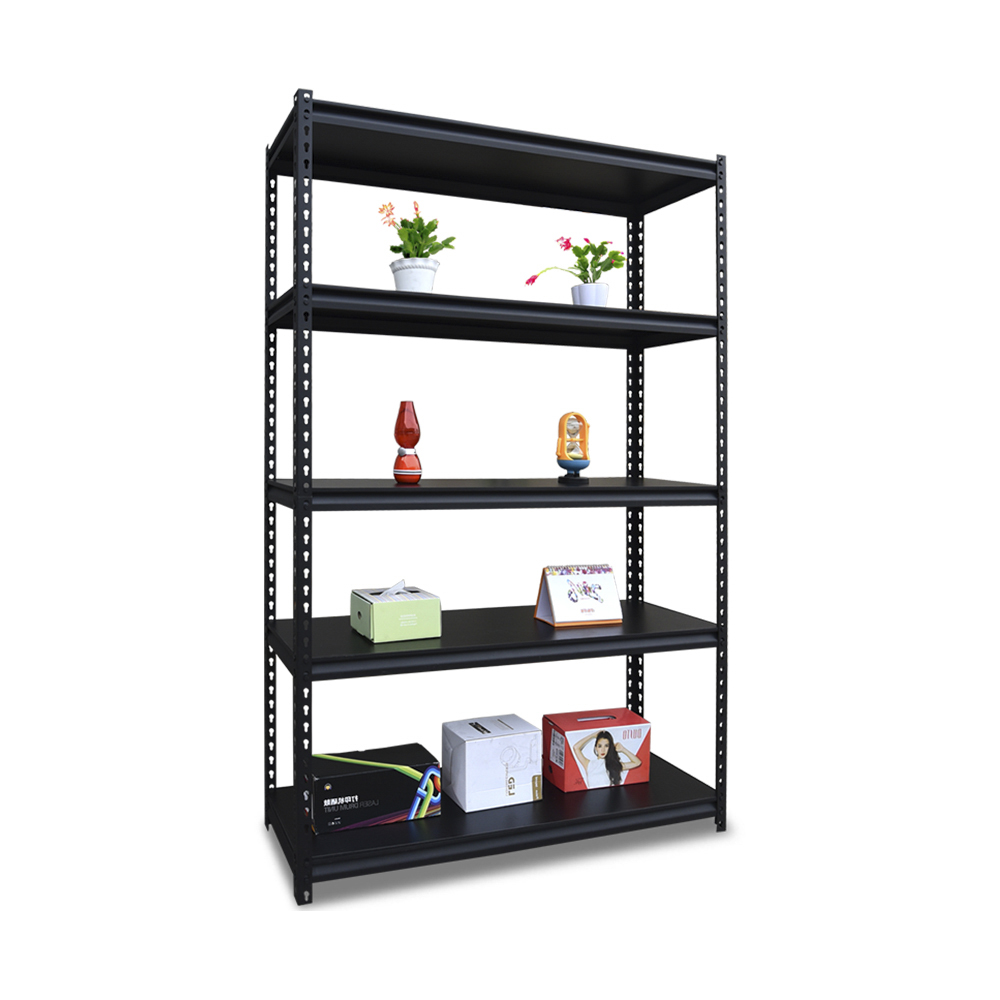
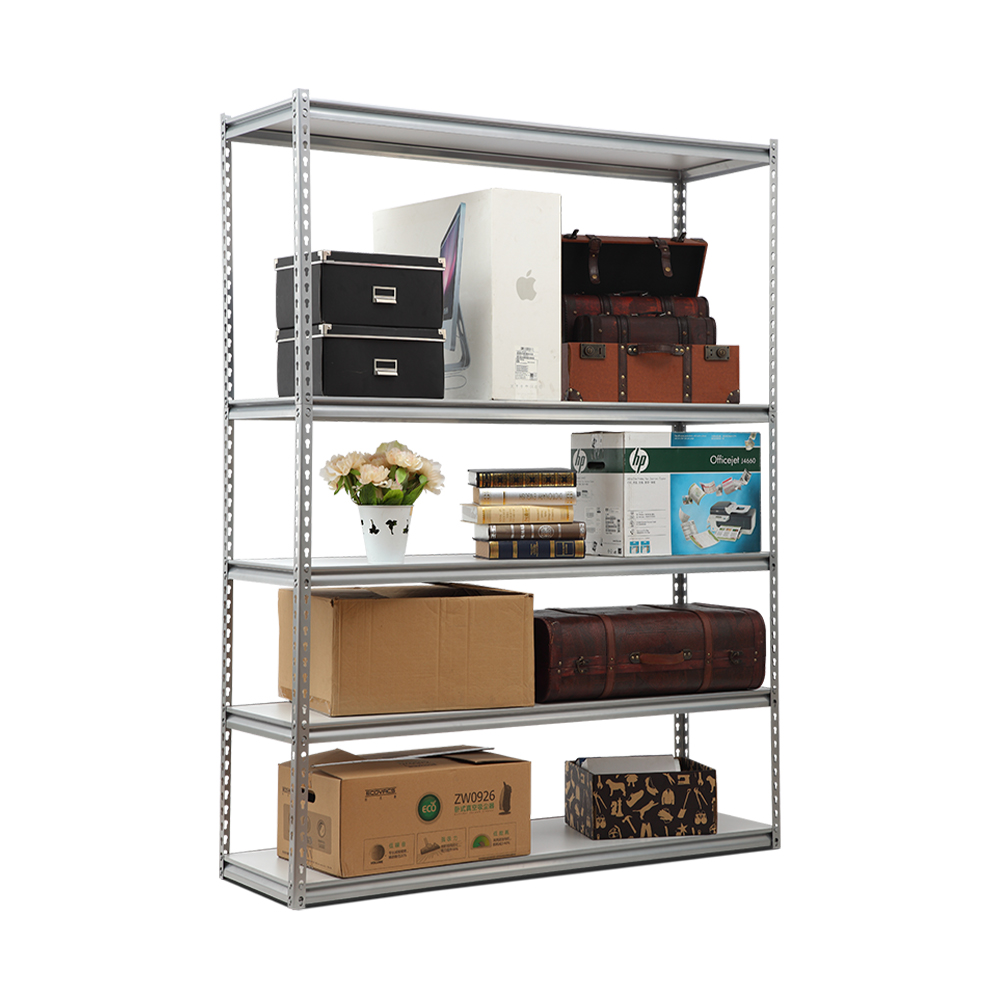
This heavy-duty 5-tier metal storage rack offers versatile, open storage for home, office, and commercial spaces. Its adjustable shelves fit items of all sizes, while the sturdy steel frame ensures stable support.
Applications
·Home: Garage, kitchen, bedroom, and living room organization
·Office: Storing files, electronics, and office supplies
What Sets Us Apart
Who We Are
Better Shelving, Better Business
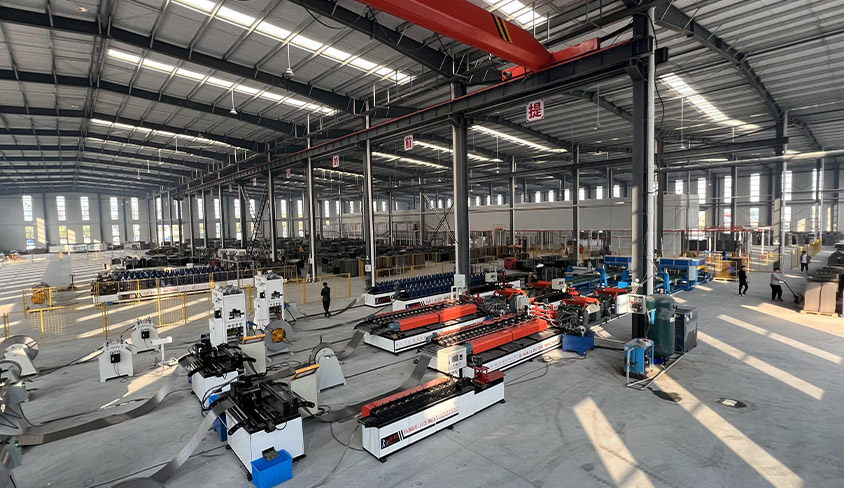
Shanghai King Global Shelf Co.,Ltd. is a leading manufacturer of shelving and storage solutions for
logistics and warehousing. Specializing in home racks, industry heavy-duty shelving, and warehouse
optimization systems. Founded in 2010, we have built strong production capability with a modern facility,
experienced team, and reliable quality control. We are China Storage Rack Supplier and Wholesale Storage Rack Factory, our products are designed to improve display, storage
efficiency, and space utilization for different markets. With stable quality, flexible solutions,
and responsive service, we support customers in both domestic and overseas markets.
About Us


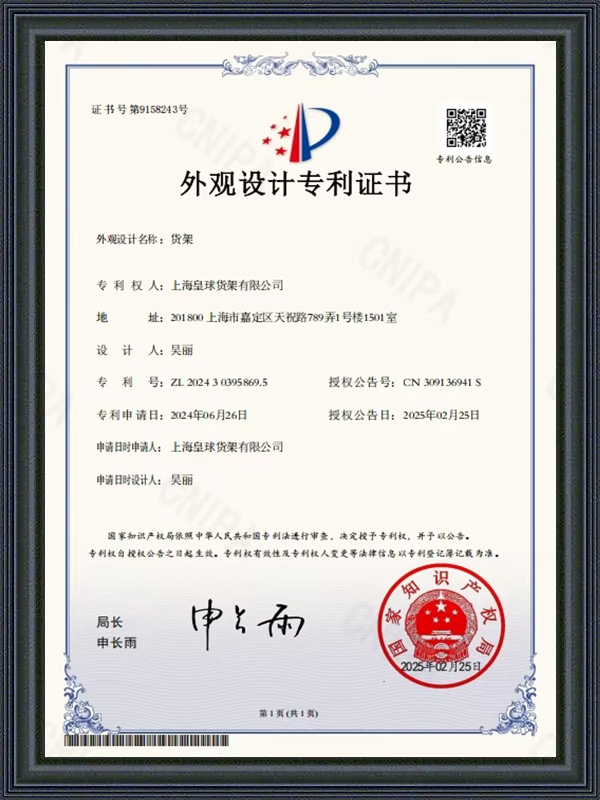
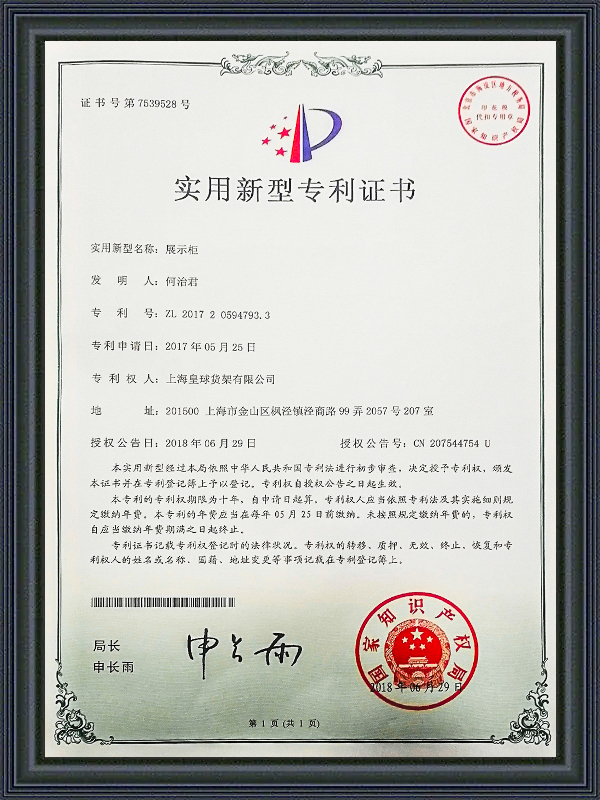
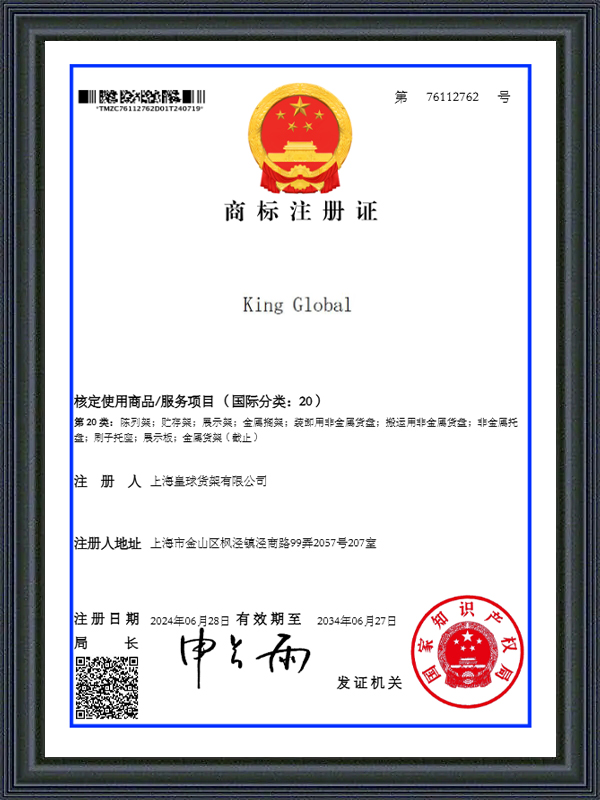
Honor
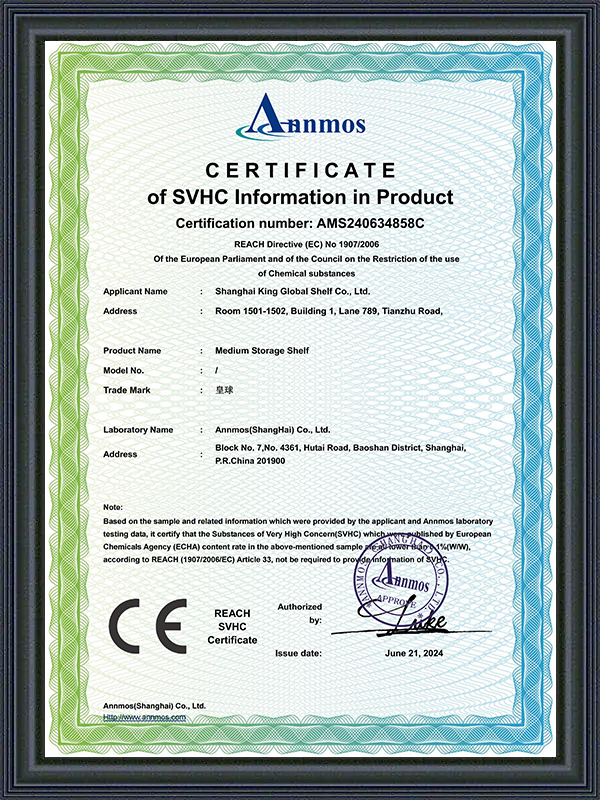
Certificate Of Honor
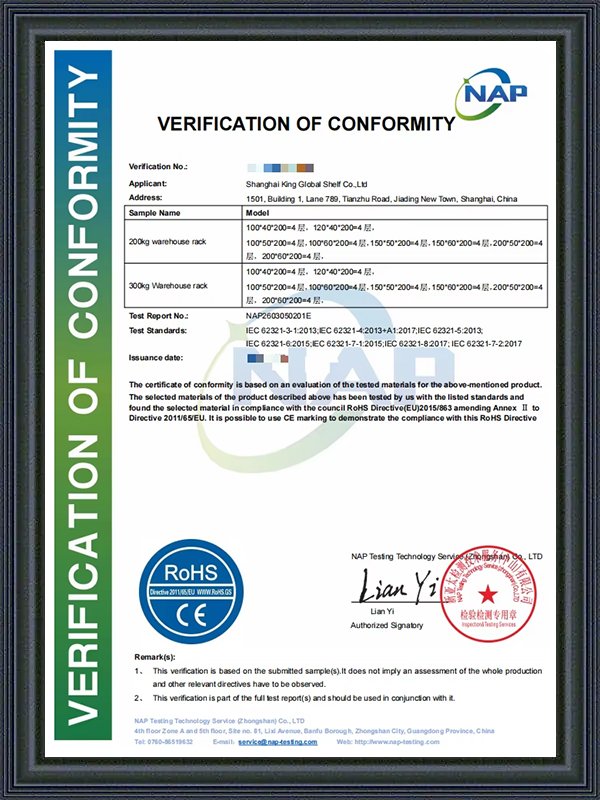
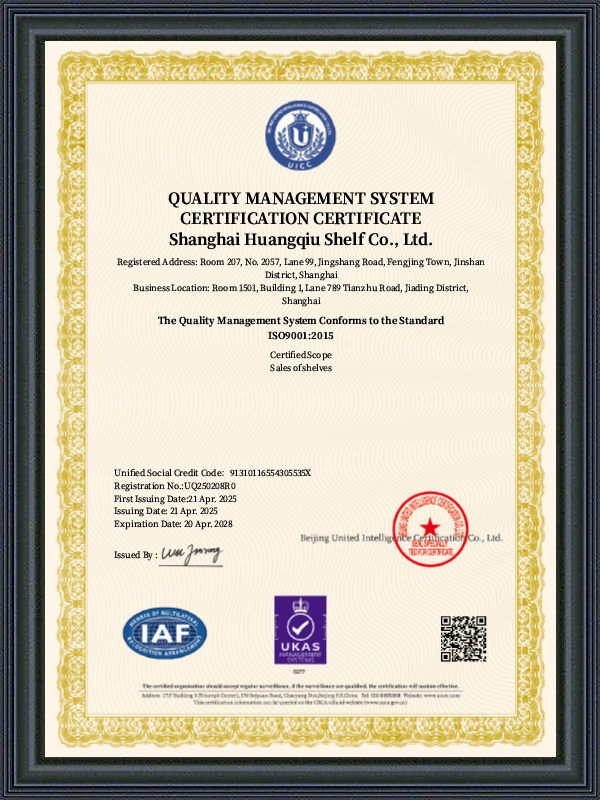
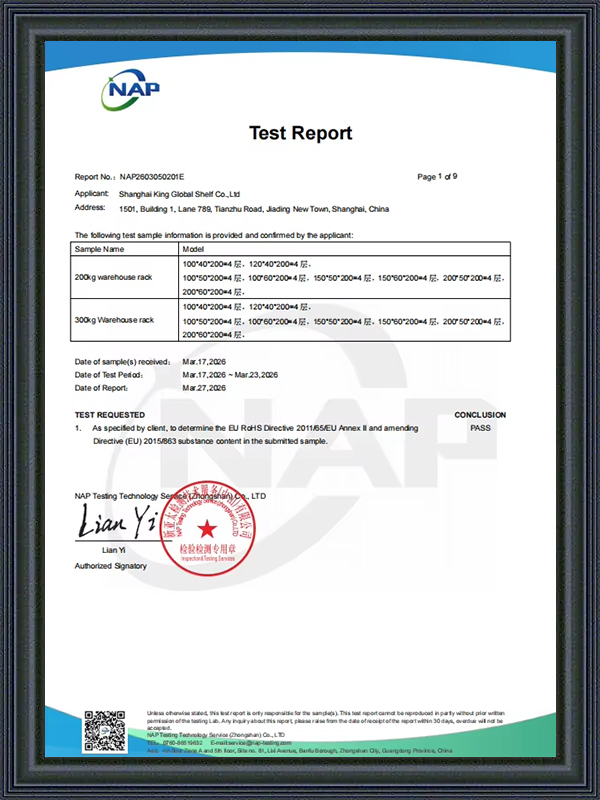
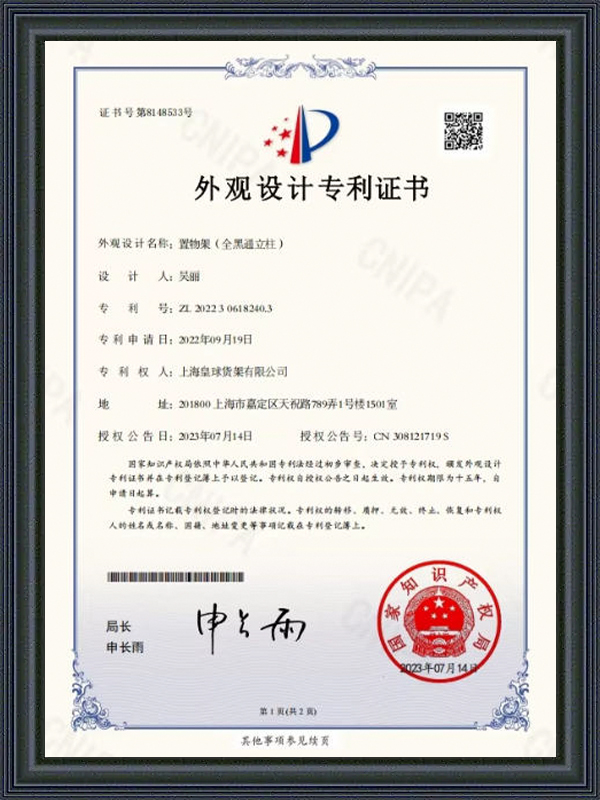
-

 2026-09-21
 Industry News
-
2026-09-15
Industry News
-
2026-09-08
Industry News
-
2026-09-01
Industry News
Feedback
Message Feedback
Knowledge
Storage Rack Industry knowledge
1. What Is a Storage Rack
A storage rack is an open shelving unit built around a steel post frame with several horizontal levels, most commonly sold as a five tier configuration for home, office, and small commercial use. The frame carries the load down through four vertical posts, while each shelf panel clips or rivets onto the posts at a chosen height, so the same rack can hold anything from folded linens on one level to a printer or a box of files on another. Typical five tier units stand roughly 150 to 190 centimeters tall, with a footprint that fits against a wall or in a corner without requiring a dedicated room.
The reason a storage rack shows up in a garage, a kitchen, and an office alike is simply that the format solves the same basic problem in each place: too many loose items and not enough organized vertical space. A garage version usually carries a solid or wire shelf rated for heavier tool boxes and bins, while a kitchen version leans toward a lighter chrome wire shelf that lets air move around stored food containers. An office version generally uses a flat particleboard or steel panel sized for binders, paper boxes, and small electronics.
2. How the Frame and Shelves Work Together
(1) Boltless Rivet Assembly
Most storage racks use a boltless rivet system: each post is punched with angled tabs at regular intervals, usually every 2.5 centimeters along the post length, and the shelf panel simply rests on four matching tabs without screws or bolts. This is why a five tier unit can be reconfigured in minutes, since a shelf only needs to be lifted off one set of tabs and dropped onto another. The trade off is that a rivet connection depends on the shelf sitting flat and fully seated, so a corner resting slightly off its tab is the most common cause of a wobble.
(2) Load Path Through the Posts
Every shelf transfers its load down through the same four posts, so the bottom section of the frame ends up carrying the combined weight of everything on all five tiers, not just what sits on the bottom shelf. This is a simple but often overlooked point: a rack rated for 150 kilograms per shelf is not automatically rated for 750 kilograms total, since post gauge and base footing set the real ceiling. Manufacturers generally publish a per shelf rating and a total unit rating separately for this reason.
3. Common Storage Rack Types
(1) Wire Shelving
Wire shelving uses a chrome plated or epoxy coated steel mesh panel instead of a solid board. Open mesh lets air circulate around stored food, reduces dust settling on the shelf surface, and makes it easy to see what is stored at a glance, which is why this type is the default choice for pantries and kitchen storage.
(2) Boltless Rivet Shelving
This is the general purpose version described above, using particleboard or solid steel panels on a rivet frame. It covers most garage, office, and closet applications where a flat surface for boxes, files, or bins matters more than airflow.
(3) Welded Frame Racks
Welded connections replace the rivet tabs with a permanently fixed joint, removing the small amount of play that a boltless connection can develop over years of loading and unloading. This type is more common in small commercial storerooms where the rack stays in one place and shelf height rarely changes.
(4) Modular Add On Units
Some storage racks are designed to connect side by side or stack an extra tier onto an existing frame, letting a household or office extend a five tier layout into a six or seven tier run without buying a second freestanding unit. King Global Shelf produces wire, boltless rivet, welded, and modular storage rack lines from the same production base used for its industrial shelving.
The chart below compares typical per shelf load ratings across the three main construction types, using representative figures rather than a single manufacturer's exact specification sheet.
Wire shelving sits at the lower end largely because the mesh pattern removes material compared with a solid panel, which is a reasonable trade for airflow in a pantry but not the strongest option for dense boxed goods. Boltless rivet shelving covers the middle ground that fits most garages and offices. Welded frame racks reach the highest figures shown here because a fixed joint does not rely on gravity and tab alignment the way a rivet connection does, which allows a thicker panel and post combination to be rated with more confidence. These numbers describe a single shelf loaded evenly across its surface, not a corner or edge load, and not the total weight the whole five tier unit can carry once every level is loaded at once.
4. Why Households and Offices Choose Storage Racks
(1) Five Open Tiers in One Footprint
Stacking five shelf levels on the same post footprint means a single rack can replace several smaller pieces of furniture, which matters most in a garage or a small office where floor space is limited but ceiling height is not.
(2) Shelf Height Changes Without Tools
Because the rivet tabs run the full height of each post, a shelf can be raised or lowered by hand in a few seconds, which is useful when a new appliance or a taller box no longer fits the current gap.
(3) No Fixed Installation
Unlike a built in closet system, a storage rack is not attached to the wall or floor, so it can be taken apart, moved to a different room, or sold on if a household relocates.
The radar chart below sets storage racks against built in closet systems and plastic bins on five points that most commonly come up when someone is deciding between them.
Storage racks lead on load capacity and portability, since a steel frame can carry more weight per shelf than a stacked bin and can still be broken down and moved. Built in closet systems score better on space efficiency because they are cut to fit a specific alcove with no wasted gap, but that same custom fit is what makes them impossible to relocate. Plastic bins keep items visible only until they are stacked two or three high, at which point the bottom bins disappear from view the way a low shelf tier does not. In practice, a garage or office rarely uses just one of these three, and the more common pattern is a storage rack for anything over about 10 kilograms with bins or closet space reserved for lighter, less frequently used items.
5. Where Storage Racks Are Actually Used
(1) Garage
Tools, paint cans, seasonal decorations, and sports equipment are the most common garage contents, and a boltless rivet or welded rack rated for heavier per shelf loads suits this mix better than a wire unit.
(2) Kitchen
Canned goods, small appliances, and cookware go on a wire shelf, where airflow helps prevent moisture buildup around food packaging in a way a solid panel does not.
(3) Bedroom and Living Room
Folded linens, books, and general household items typically go on a boltless rivet rack, often placed in a closet or against a wall where it does not interrupt the room's main furniture layout.
(4) Office
Files, boxed paper, and smaller electronics sit well on a flat panel rack, with the bottom two tiers usually reserved for archive boxes and the upper tiers for lighter, more frequently accessed supplies.
(5) Small Commercial Storeroom
Shops and service businesses running a backroom of modest size generally step up to welded frame racks, since these spaces see more frequent loading and unloading over a longer service period than a home installation.
The column chart below shows a rough split of where storage racks tend to end up, based on general patterns rather than a specific survey.
Garages and offices account for more than half of the usage shown here, which lines up with the fact that both spaces regularly need to hold items heavier than a plastic bin can comfortably manage. Kitchens and living areas trail behind mainly because these rooms already have some built in cabinetry or closet space competing for the same function. Commercial storerooms make up the smallest share simply because there are fewer of them relative to homes and offices, not because the rack performs any differently there.
6. Why Heavier Items Belong on the Bottom Tier
A five tier rack does not tip over because any single shelf fails, it tips because the combined weight sitting high up shifts the whole unit's center of gravity away from its base. A 20 kilogram box on the bottom tier barely changes how the rack balances; the same box on the top tier changes it considerably, since the leverage arm from the floor is roughly five times longer.
This is why the practical rule for loading a five tier rack is simple: put the heaviest, least frequently moved items on tier one, put things you reach for daily around tier two or three at a comfortable height, and reserve the top tier for light, empty, or rarely used items such as decorations or spare containers. Following this order also happens to make the rack more convenient to use, since it puts the items you touch most often at the height that requires the least bending or reaching.
7. Picking the Right Storage Rack
(1) Match the Shelf Type to the Room
Wire for kitchens and pantries, boltless rivet for garages, offices, and closets, welded for a commercial storeroom that will not be reconfigured often.
(2) Check the Ceiling Height First
A standard five tier unit near 180 centimeters tall needs a few centimeters of clearance above it and enough reach to access the top shelf safely, which rules out low ceiling storage spots such as under stairs or in a crawl space.
(3) Load the Bottom Tiers First
Plan which items go where before assembly is finished, following the tier order described in the previous section rather than adjusting after everything is already loaded.
King Global Shelf reviews room dimensions and typical item weight with customers before recommending a specific storage rack configuration, since the same five tier format still needs to be matched to a garage, a kitchen, or an office correctly.
- Wire shelving for kitchens and pantries
- Boltless rivet shelving for garages, offices, and closets
- Welded frame racks for commercial storerooms
- Modular add on levels for growing storage needs
| Feature | Storage Rack | Built In Closet | Plastic Bins |
|---|---|---|---|
| Assembly | Tool free, boltless | Custom fitted install | None |
| Relocate later | Yes, disassembles | No | Yes |
| Per shelf load | Around 90 to 300 kg | Varies by build | Around 10 to 20 kg |
| Best for | Garage, office, storeroom | Fixed bedroom or hallway space | Light, small, loose items |
8. Keeping a Storage Rack in Good Condition
(1) Check the Rivet Seats
Every few months, confirm that each shelf corner still sits flat on its tab, since a shelf that has slipped partly off a tab is the most common source of a wobbly or uneven rack.
(2) Spread the Load
Piling everything toward one side of a shelf stresses that corner far more than the same weight spread across the panel, even when the total weight is within the rated limit.
(3) Wipe Down Wire Shelves
Kitchen wire racks collect grease and dust in the mesh gaps faster than a solid panel, so a quick wipe every week or two keeps them from becoming a cleaning chore later.
(4) Reload Heaviest First After Moving
After relocating a rack, put items back starting with the bottom tier and the heaviest boxes before filling the upper tiers, rather than reloading in whatever order boxes happen to be unpacked.
9. Common Questions
(1) Is a five tier storage rack strong enough for a garage?
A boltless rivet or welded rack rated in the 150 to 300 kilogram per shelf range covers most garage contents, including tool boxes and sealed storage bins, as long as weight is spread evenly across the shelf.
(2) Why does my rack wobble even though nothing looks broken?
This is almost always a shelf corner that has slipped off its rivet tab rather than a frame defect, and reseating each corner usually resolves it.
(3) Can I add a sixth shelf to a five tier rack?
Modular storage racks with matching post height and rivet spacing allow an extra shelf to be added, though this reduces the vertical gap available for each remaining tier.
(4) Should the top shelf be left empty?
Not necessarily empty, but it should hold the lightest and least frequently used items, since weight placed here has the biggest effect on the rack's overall balance.
(5) Is wire or solid shelving better for a kitchen?
Wire shelving is generally preferred in kitchens because the open mesh allows airflow around food containers and reduces moisture buildup compared with a solid panel.
(6) Does King Global Shelf help choose a configuration?
Yes, King Global Shelf reviews the intended room, item types, and expected weight before recommending a wire, boltless rivet, welded, or modular storage rack configuration.
Get exclusive deals and early access to new products.
Experienced staff and experts are always available to provide you with professional guidance and solutions to technical problems.
Mobile
-
Quick Links
Home Products Cooperation Cases Company Service News Contact Us -
Product
Warehouse Rack Pallet Racking Mezzanine Racking Cantilever Racks Supermarket Shelf Office & Home Shelves -
Contact Us

E-mail: liwu78465@gmail.com

WhatsApp: 8613761540945

China Tel: +86-13761540945
Thailand Tel: +66 99 109 1956 (Line Same)
Thailand Tel: +66 92 242 5845 (Line Same)

China Address:Room 1501, Building 1, Lane 789, Tianzhu Road, Jiading District, Shanghai, China.
USA Address: 23787 Eichler St, Unit G, Hayward, CA 94545.
Malaysia Address: METROHUB 2 Warehouse 4, Lot 109363, Persiaran Bukit Rajakayangan/KU5,Bandar Bukit Raja, 41050 Klang, Selangor Darul EhsanReturn to Gate 81, Malaysia.
Thailand Address:จังหวัดสมุทรปราการ อำเภอบางเสาธง ตำบลบางเสาธง 32/7 หมู่7 ถนนบางพลี-ตำหรุ บางพลีใหญ่ Bang Phli District, Samut Prakan 10540,(TH)
Copyright ©
Shanghai King Global Shelf Co.,Ltd.
All Rights Reserved.
Storage Rack Supplier
Wholesale Storage Rack Factory
