A 1.2 m wide balcony that also holds a washing machine leaves roughly 600 mm of clear floor. A freestanding drying rack eats most of that footprint and blocks the door swing. A foldable wall mounted clothes drying rack solves the conflict by moving the drying zone onto the wall and folding nearly flat when the laundry is dry. The real decision is not the bar count or the finish: it is whether the wall can carry the wet load, how far the rack projects when open, and how the folding mechanism behaves after hundreds of cycles.
For homeowners, facility managers, and retail buyers, that means starting with wall construction, wet-laundry weight, and daily clearance. A rack that looks slim in a product photo may still foul a window frame, a wall cabinet, or a door track. A rack rated for 25 kg may be fine for shirts but not for wet towels and bedding. This guide explains the structural differences, selection tolerances, installation risks, and sourcing checks that matter when you buy a foldable wall mounted clothes drying rack from a manufacturer or supplier.
Start with wall type and wet-load rating; fold depth and bar layout come second because they determine daily usability, not structural safety.
Why a Foldable Wall Mounted Clothes Drying Rack Beats Floor Racks in Tight Spaces
Floor racks are simple, but they consume the same square meters you need for walking, cleaning, and opening appliances. In a laundry room, a floor rack can block a front-loading washer door or a utility sink. On a balcony, it can trap moisture against the wall and reduce airflow around wet garments. A wall-mounted folding rack keeps the floor clear and puts the drying plane where air movement is often better: above the floor, near a window, or across a radiator.
The trade-off is installation. A wall rack transfers load into anchors and the wall substrate. That is an advantage when the wall is solid concrete or structural brick, and a risk when the wall is hollow drywall or a thin partition. For renters, the decision often comes down to whether the landlord allows drilling and whether the rack can be removed with minimal repair. For commercial laundry rooms, retail backrooms, and small apartment buildings, the same logic applies: fewer floor obstructions mean faster cleaning and lower trip hazards.
Compared with ceiling-mounted racks, wall-mounted foldable racks are usually easier to reach and simpler to install in rooms with lower ceilings. Compared with retractable clotheslines, they offer fixed bar spacing and predictable load distribution. That predictability matters when staff or residents hang heavy items such as wet jeans, towels, or workwear.
A wall-mounted folding rack is most valuable where floor space is shared, but it only performs safely when the wall substrate and anchor system match the wet load.
Common Types and Mechanical Differences
Not every foldable wall mounted clothes drying rack folds the same way. The mechanism affects projection, reach, maintenance, and how much wall area you need. Three families dominate the market.
Accordion and Scissor Folding Racks
These racks use linked bars or a scissor frame that collapses toward the wall. When open, the bars sit parallel to the wall or project a short distance. They are common in balconies and narrow utility rooms because the folded depth is often under 100 mm. The hinge points carry repeated stress, so the rivets or bolts should be stainless or zinc-plated. A weak hinge is the first thing to fail after two or three years of weekly use.
Swing-Arm and Drop-Down Wall Racks
Swing-arm designs pivot outward from a wall plate. Drop-down racks fold down from a horizontal or vertical stowed position. Both can handle longer garments because the arms project farther from the wall. The projection is also the main risk: a 500 mm arm can interfere with a door swing, a window opening, or a wall-mounted boiler. Check the open projection against the room layout before ordering.
Shelf-Integrated and Multi-Bar Designs
Some racks combine drying bars with a small shelf or a foldable storage surface. These are useful in entryways, laundry rooms, and small apartments where one wall must do two jobs. The shelf adds weight, so the wall fixing must be rated for the combined load. If the shelf is used for detergent or folded towels, the rack's dynamic load can increase even when the drying bars are not fully loaded.
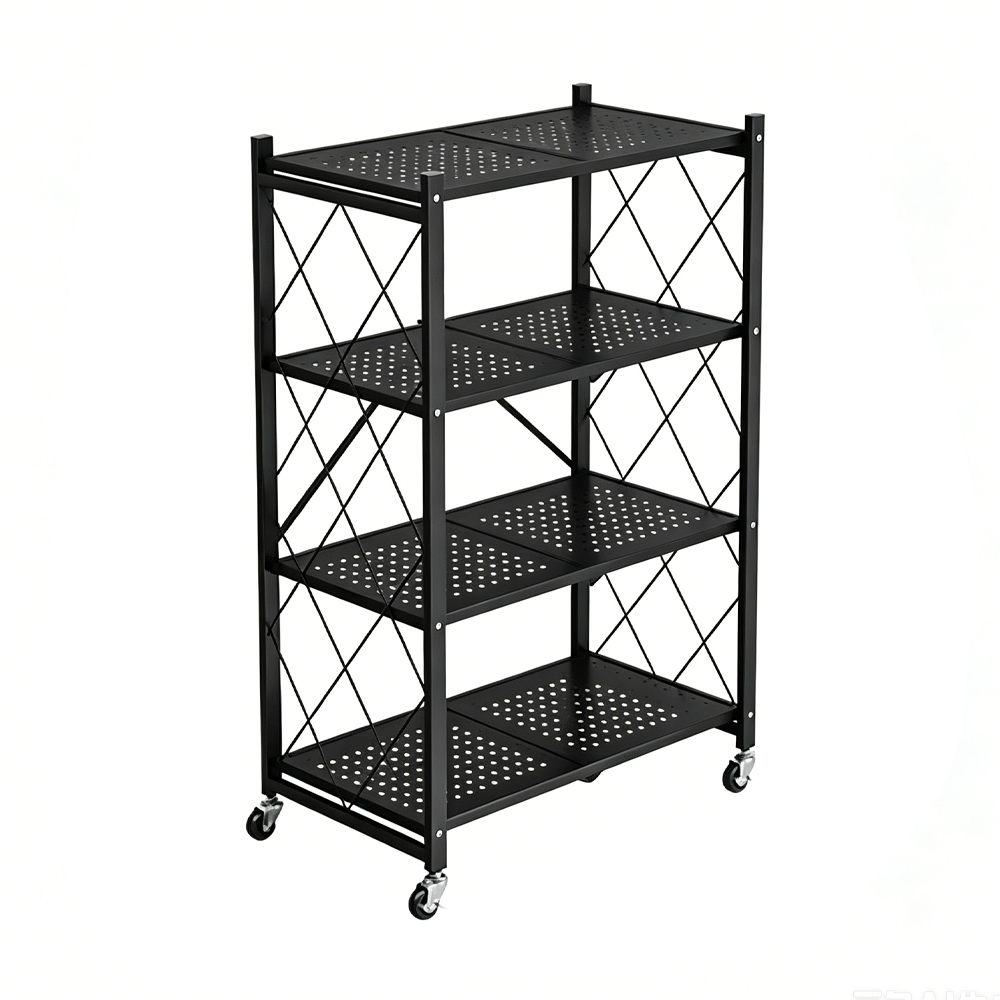
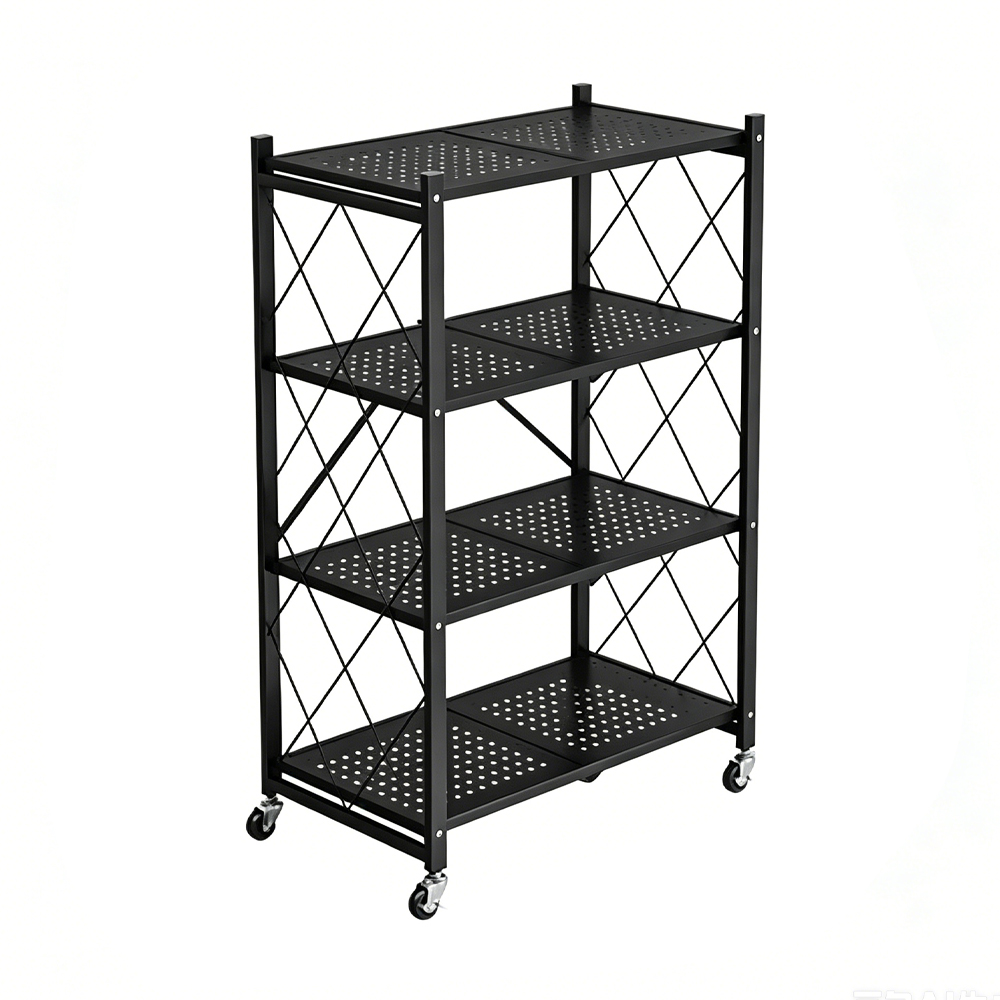 Foldable Multi-Tier Large-Capacity Storage Shelves for Home【Perfect Storage Solution for Small Living Spaces】 If you live in a small apartment, studio or condo with limited space, this foldable storage rack is the perfect solu...View Product →
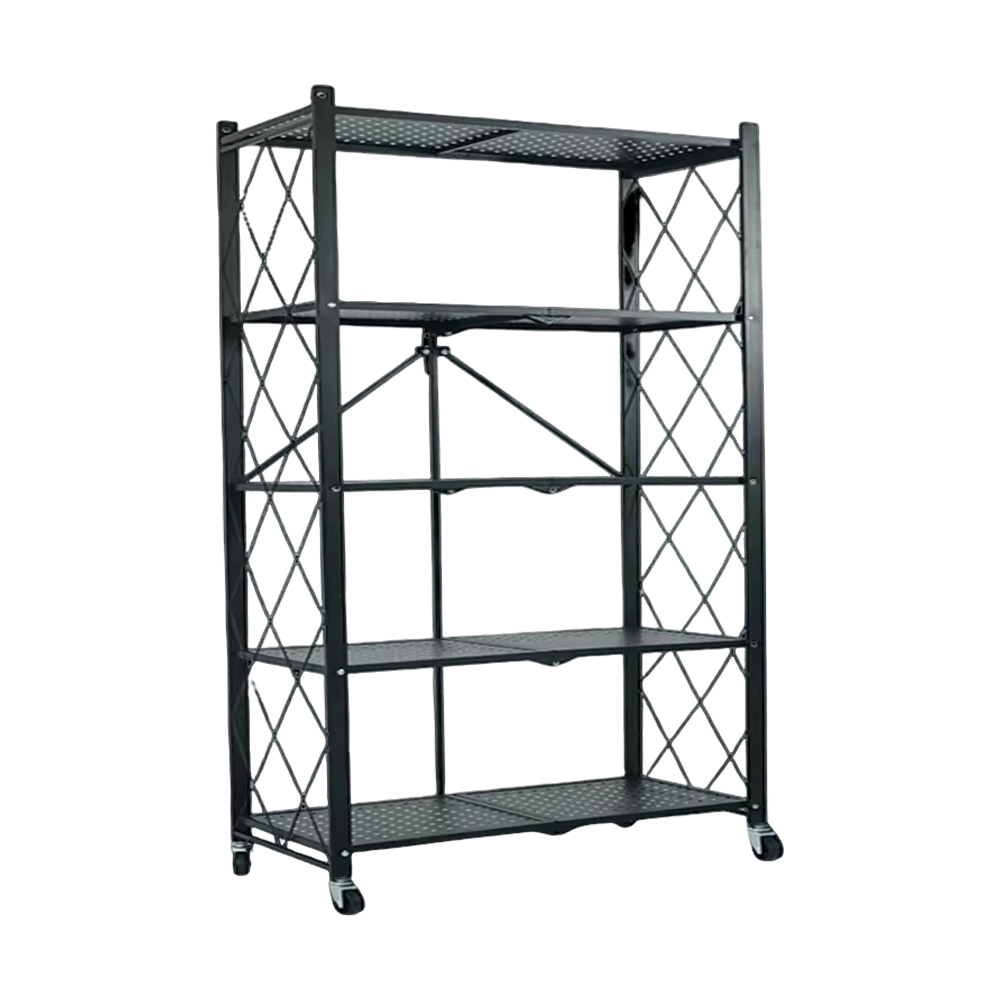
For buyers who need a foldable storage and drying combination, the folding storage shelf range from King Global Shelf shows how multi-tier folding structures can be adapted for home and utility areas. The key is to confirm the folded dimensions, the open footprint, and the per-tier load before matching the rack to a specific wall.
Match the folding mechanism to the room's clearance first; a rack that cannot open fully is less useful than a simpler design that fits.
Material, Load Rating, and Fixing Selection
Material choice affects corrosion resistance, weight, and the feel of the folding action. Load rating is not a marketing number: it should describe the total wet laundry weight the rack can hold when fully open, including dynamic loads from hanging and removing items. A practical safety factor is to choose a rack rated at least 1.5 times the weight of a typical wet load.
The table below compares common material and fixing combinations. Use it as a screening tool, not a substitute for the manufacturer's installation instructions.
Comparison of common materials and wall fixings for foldable wall mounted clothes drying racks.
| Material |
Typical wet-load range |
Corrosion resistance |
Best wall substrate |
Watch point |
| Powder-coated carbon steel |
20–40 kg |
Moderate; chips can rust |
Concrete, solid brick |
Touch up chips; avoid constant damp |
| Stainless steel 304 |
25–50 kg |
High; suitable for humid rooms |
Concrete, brick, block |
Higher cost; verify grade |
| Aluminum alloy |
10–25 kg |
Good; no rust but can oxidize |
Drywall with heavy-duty anchors |
Lower stiffness; check bar sag |
| Steel with plastic coating |
15–30 kg |
Moderate; coating can crack |
Wood studs, concrete |
Heat can soften coating |
Fixing selection is where many installations fail. Plastic wall plugs are common in retail kits but are rarely suitable for wet laundry loads in hollow drywall. For drywall, use metal toggle anchors or a wall plate that spans at least two studs. For concrete and solid brick, use sleeve anchors or chemical anchors sized to the rack's base plate. For thin panels, add a plywood backing board or a steel mounting plate to spread the load.
Never rely on the anchors included in a generic kit for a wet-load rack; specify the fixing to the wall substrate and the rack's rated load.
Installation Depth, Wall Types, and Real-World Tolerances
Two measurements decide whether a foldable wall mounted clothes drying rack works in practice: folded depth and open projection. Folded depth tells you how much the rack intrudes when not in use. Open projection tells you how far wet clothes will hang into the room. Both should be checked against door swings, window handles, light switches, and wall cabinets.
The chart below compares four drying solutions by how much usable floor area they free up. The scores are indexed for illustration and assume a typical 3–4 kg mixed laundry load in a room with a 2.4 m ceiling.
Floor Area Freed by Drying Solution (indexed, higher is better)
The chart shows that wall-mounted and ceiling-mounted systems free up much more floor area than freestanding racks. Retractable clotheslines also perform well, but they depend on two opposing walls and do not offer the same fixed bar spacing. The indexed scores are not absolute performance ratings; they reflect typical clearance and access conditions rather than laboratory measurements.
For installers, a useful tolerance is to leave at least 100 mm between the open rack and any wall projection or door track. If the rack is mounted above a radiator or heater, check the manufacturer's minimum clearance because heat can affect powder coating and plastic parts. In humid bathrooms and covered balconies, stainless steel or aluminum is usually the safer material choice.
Measure folded depth, open projection, and clearance to doors or windows before drilling; these three dimensions prevent most installation regrets.
Where Foldable Wall Mounted Drying Racks Fit: Balconies, Laundry Rooms, Retail, and Small Apartments
Different rooms impose different constraints. A balcony rack must resist UV and rain exposure if it is not fully covered. A laundry room rack needs to handle heavier loads and stay clear of appliance doors. A retail backroom rack may be used for staff uniforms, cleaning cloths, or mop heads, so it must survive daily use and occasional overload. Small apartments often use the same wall for drying, storage, and entryway functions, which makes a folding rack with a shelf or multi-bar layout practical.
For multi-unit residential buildings, wall-mounted drying racks can reduce balcony clutter and improve facade appearance. For hotels and gyms, they can be installed in back-of-house laundry areas where floor space is reserved for carts and linen bins. The industries we serve page outlines how shelf and storage products are adapted across warehouse, retail, office, and home environments, which is useful when specifying drying racks for mixed-use facilities.
Selection criteria also shift by user. A single-person apartment may need 2–3 bars and a 15 kg rating. A family of four may need 5–8 bars and a 30 kg rating. A commercial laundry room may need multiple wall racks or a mix of wall and ceiling systems. In each case, the folded depth should allow the rack to sit behind a door or above a counter without becoming a daily obstacle.
Specify the rack by room function and user load, not by a single generic size; balconies, laundry rooms, and retail backrooms have different tolerances.
Maintenance and Long-Term Reliability
A folding rack is a mechanical product, so maintenance is simple but not optional. Check wall fixings every three to six months. Tighten any loosened bolts and look for cracks in the wall around the anchors. In humid rooms, inspect hinges and rivets for white or brown corrosion. Wipe bars with a damp cloth and dry them to prevent mineral buildup, especially in hard-water areas.
For powder-coated steel, touch up scratches with matching paint to prevent rust creep. For stainless steel, avoid chlorine-based cleaners because they can pit the surface. For aluminum, check plastic end caps and pivot bushings; UV exposure can make them brittle over time. If the rack becomes stiff, apply a small amount of silicone spray to the hinge points rather than oil, which can attract dust.
Load discipline matters more than cleaning. Hanging wet items unevenly can twist the frame and loosen anchors. Distribute weight across the bars and avoid sudden impacts. If the rack is used for heavy workwear or bedding, consider a model with a higher rated load rather than overloading a lighter unit.
Regular fixing checks and even load distribution extend a folding rack's service life more than any surface treatment.
Sourcing from a Manufacturer: What B2B Buyers Should Verify
For wholesalers, retail brands, and facility suppliers, the buying decision goes beyond a single rack. You need a manufacturer who can control tube thickness, hinge quality, powder coating, packaging, and documentation. A supplier who only assembles imported parts may struggle with replacement components or custom bar lengths. An OEM or ODM partner should be able to adjust folded depth, bar count, mounting plate size, and finish color to match your market.
Ask for the following before placing a bulk order:
- Wet-load test method and safety factor, not just a nominal kilogram figure.
- Wall anchor specification for drywall, concrete, and brick.
- Salt-spray or humidity test results for the coating or stainless grade.
- Hinge cycle test data, ideally covering at least 5,000 open-close cycles.
- Packaging dimensions and drop-test performance for export shipping.
- Spare parts availability for hinges, end caps, and mounting plates.
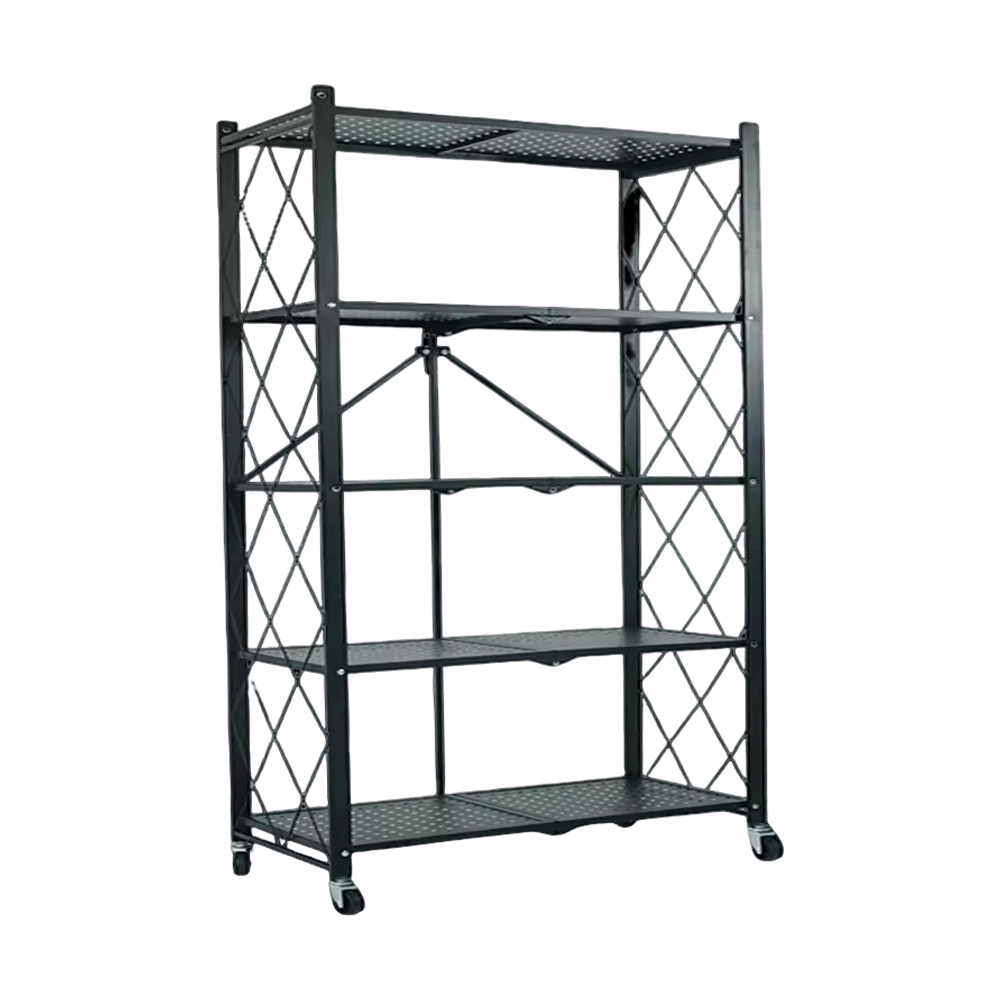 Large Capacity Foldable Multilayer Storage Racks for Home【Foldable Space-Saving Storage Rack】 This innovative storage rack features a foldable design, allowing you to easily fold it up and store it away when not in use, savi...View Product →
King Global Shelf produces foldable storage and shelving products in a 60,000 m² manufacturing base and supports OEM and ODM projects for global customers. For buyers sourcing a foldable wall mounted clothes drying rack, that means the folding mechanism, tube gauge, and mounting interface can be reviewed against your target market's installation habits. If you need a custom bar length or a private-label finish, contact our team with the wall type, load target, and annual volume.
Qualify a manufacturer by hinge testing, anchor specifications, and spare-part supply; the lowest unit price rarely covers the cost of field failures.
FAQ about Foldable Wall Mounted Clothes Drying Racks
Can a foldable wall mounted clothes drying rack be installed on drywall?
Yes, but only with appropriate anchors. Standard plastic plugs are usually not suitable for wet laundry loads. Use metal toggle anchors, or better, mount a steel or plywood backing plate that spans at least two studs. The rack's rated load should be reduced if the wall is hollow unless the manufacturer provides specific drywall fixing instructions.
What wet load should I choose for a family of four?
A practical starting point is 30–40 kg total wet load, spread across at least six bars. This allows for towels, bedding, and heavier garments without consistently loading the rack to its limit. If you regularly dry workwear or heavy denim, choose a higher rating and a stainless steel or reinforced steel frame.
How much clearance does a foldable wall rack need?
Check both folded depth and open projection. Leave at least 100 mm between the open rack and any door, window, or wall cabinet. If the rack is above a radiator or heater, follow the manufacturer's minimum clearance because heat can damage coatings and plastic components.
Are stainless steel racks worth the higher cost?
For humid bathrooms, covered balconies, and coastal areas, stainless steel 304 is usually worth it because it resists corrosion far better than powder-coated carbon steel. For dry indoor laundry rooms, a powder-coated steel rack with proper maintenance can be sufficient and more economical.
What should a wholesaler verify before buying in bulk?
Verify hinge cycle test data, wet-load test methods, anchor specifications, coating adhesion, and spare-part availability. Also confirm packaging drop-test performance and whether the manufacturer can supply replacement mounting plates and end caps. These details reduce returns and installation complaints in export markets.
Most FAQ issues come down to wall fixing and load expectations, so document both clearly for end users and retail partners.
A foldable wall mounted clothes drying rack is a small product with a large installation decision behind it. The rack itself may be simple, but the wall, the anchors, the wet load, and the folding clearance determine whether it becomes a daily convenience or a recurring repair. For homeowners, the safest path is to measure the wall, confirm the substrate, and choose a rack with a realistic wet-load rating and a folding depth that matches the room. For wholesalers and facility buyers, the safest path is to qualify the manufacturer on hinge testing, anchor specifications, and spare-part support.
When the product, the wall, and the user behavior are aligned, a folding wall rack can free up floor space, improve airflow, and reduce clutter in balconies, laundry rooms, small apartments, and commercial backrooms. When they are not aligned, even a well-finished rack will sag, loosen, or interfere with daily movement. The difference is rarely the price tag; it is the selection and installation discipline before the first drill hole.
Treat the wall and the wet load as the primary specification, and the rack becomes a reliable long-term fixture rather than a seasonal compromise.



 English
 Español
 русский
 Français
 한국어
 عربى
 ไทย
 Deutsch
 Bahasa Melayu
 Português
 Polskie