A cafe fit-out specified a 1.4 m oak shelf above the espresso machine. The joiners ordered concealed floating wall shelf brackets from a photograph, fixed them into plasterboard with the plastic plugs that came in the box, and loaded the shelf with 22 kg of cups and saucers. Three weeks later the shelf had rotated 6 mm off the wall and the front edge was dipping into a light fitting. Nobody had checked the substrate, the cantilever length, or the safe working load of the bracket itself.
That failure story is common, and it is almost never a manufacturing defect. The short answer first: a pair of concealed floating wall shelf brackets holds roughly 35 to 50 kg when fixed into timber studs at a 250 mm shelf depth, roughly 20 to 30 kg when fixed into plasterboard with rated toggle anchors, and around 10 to 15 kg when fixed into plasterboard with the light plastic plugs supplied in a budget retail pack. Cantilever length changes those numbers more than most buyers expect. Moving from a 200 mm to a 300 mm shelf depth typically removes 40 to 50 percent of the usable capacity, because deflection in a cantilever grows with the cube of its length.
This guide works through the bracket families available from a shelving manufacturer, the load path inside a hidden bracket, indicative capacity comparisons, wall substrate and anchor specification, board thickness limits, steel grades and coatings, retail rollout risks, and the installation and maintenance checks that keep a shelf true for a decade.
Capacity is set by the wall, the anchor, and the cantilever in that order, and never by how slim or invisible the bracket looks.
How Floating Wall Shelf Brackets Carry Load
A floating shelf hides its support inside the shelf body, so the visible result is a board apparently glued to the wall. Mechanically, nothing is floating. Every concealed system is a cantilever: a steel rod, plate, or rail that projects from the wall, converts vertical load into a bending moment at the wall plate, and delivers that moment into the anchors as a combination of compression at the lower fixing and pull-out at the upper fixing.
The load path in four steps
- The shelf board transfers the contents load into the bracket arm through contact pressure along the rod or the interlocking plate.
- The arm deflects. A 10 mm steel rod at 250 mm projection typically sags 1 to 2 mm under a 20 kg load per pair, which is acceptable and largely invisible on a finished shelf.
- The bending moment arrives at the wall plate. A 250 mm cantilever multiplies the load by roughly four compared with a bracket projecting 60 mm, so the plate must be stiff enough not to bow.
- The anchors resolve the moment. The bottom anchor is pushed into the wall, the top anchor is pulled out. Pull-out resistance, not shear strength, is usually the limiting factor.
Why deflection matters more than breaking
Steel brackets rarely snap. They rotate, creep, and let the shelf sag slowly until a gap opens at the wall. For a shelf, a practical deflection limit is about L/200 of the cantilever under full working load: 1.2 mm at 250 mm projection, 1.8 mm at 300 mm. Beyond roughly 3 mm the shadow line at the wall becomes visible and the shelf looks broken even though it is structurally sound.
The three failure points to inspect
- Anchor pull-out at the top fixing, most often on plasterboard, aerated block, or a wall where only one of the two fixings reached a stud.
- Wall plate rotation or bowing, common with thin 2 mm plates and long spans between screws.
- Board failure, where the rod or plate tears out of particleboard or a hollow-core shelf that has no solid blocking at the bracket positions.
Field experience across warehouse and retail installations points to the same conclusion that applies to heavy racking: the connection, not the profile, decides the result. The same logic is set out in a practical comparison of light, medium and heavy duty rack ratings on the King Global Shelf site, where the rated figure is always tied to a defined wall, span, and loading condition.
A concealed bracket fails quietly by rotating, not loudly by snapping, so a 24 hour deflection test under full load at installation is the cheapest quality control available.
Types of Floating Wall Shelf Brackets and What Each One Suits
Bracket families differ mainly in how they resist rotation and how many wall fixings they engage. Six types cover almost every residential and commercial specification, and each one has a distinct cost, tolerance, and installation profile.
Steel rod and sleeve brackets
Two to four steel rods, usually 8 to 12 mm diameter, are welded to a wall plate of 4 to 6 mm steel. The rods sit inside a sleeve tube fixed in the wall plate, and the shelf is drilled to slide over them. Rod projection of 150 to 300 mm is normal, and the system suits shelves of 40 to 60 mm thickness where the drilled holes remain fully hidden. Capacity depends on rod diameter, weld quality, and how far the rods are inserted into the shelf: 100 mm minimum engagement prevents the shelf from twisting off the rods when someone leans on the front edge.
French cleat systems
A French cleat uses two interlocking 45 degree rails, one screwed to the wall and one to the back of the shelf. Load is spread across every screw along the full shelf length, so each fixing carries very little and the total capacity is high, typically 40 to 50 kg per pair equivalently on a 1 m shelf fixed into studs. Cleats are self-aligning and quick to hang, which makes them popular for long shelving runs and wall panelling. Their weak direction is pull-off: a shelf that gets dragged forward repeatedly can unseat unless a locking screw is added.
Z-clip and interlocking plate brackets
Pressed steel plates of 2 to 3 mm, usually 200 to 300 mm long, that interlock vertically as the shelf drops into place. They are the cheapest concealed option and the most sensitive to wall flatness. Capacity of 15 to 25 kg per pair makes them suitable for light retail display, picture ledges, and residential accent shelves, not for loaded kitchen storage.
Cam-lock and wedge-lock concealed brackets
These add an adjustment cam so the shelf can be levelled after installation, which matters when ten shelves sit in a row and the wall is 5 mm out over 3 m. Expect 25 to 35 kg per pair, a higher unit cost, and a longer assembly time per shelf.
Surface-mounted L and gusset brackets
Visible, simple, and roughly two to three times stronger than concealed alternatives at the same projection. They are the correct answer when loads are heavy, when the wall is weak, or when the shelf is inside a warehouse or back-of-house area where appearance does not justify the risk. They are useful as a capacity baseline when specifying concealed hardware.
Table 1. Indicative safe working loads per pair of floating wall shelf brackets at 250 mm shelf depth, fixed into timber studs; plasterboard-only fixing typically halves these figures.
| Bracket type |
Typical plate or rod thickness |
Safe load per pair into studs |
Adjustment |
Best suited to |
| Z-clip interlocking plate |
2 to 3 mm |
15 to 25 kg |
None |
Light retail display, ledges |
| Cam-lock concealed |
3 to 4 mm |
25 to 35 kg |
2 to 3 mm vertical |
Aligned multi-shelf runs |
| Steel rod and sleeve, 10 mm |
4 to 5 mm plate |
35 to 45 kg |
Shimming only |
Kitchens, thick timber shelves |
| French cleat, steel |
3 to 5 mm |
40 to 50 kg |
Vertical shim |
Long shelves, wall panelling |
| Surface-mounted L bracket |
4 to 6 mm |
55 to 70 kg |
None |
Heavy loads, workshops, stores |
Select the bracket family by how the shelf will be loaded: a French cleat spreads force along the whole wall length, while a rod bracket concentrates it at two points that must both find structure.
Compared: Typical Load Capacity of Floating Wall Shelf Brackets
Published capacity figures are difficult to compare because manufacturers test at different shelf depths, different wall substrates, and different bracket counts per shelf. A number printed on a retail box may refer to a single bracket, a pair, or a shelf with three brackets, and the substrate is frequently unstated. To make the comparison meaningful, all values must be normalised to one depth, one substrate, and one bracket count. The chart below uses a 250 mm shelf depth, two brackets per shelf, and fixing into timber studs, which is the most common residential and light commercial condition. The values shown are safe working loads with a safety factor of roughly two to three already applied, not ultimate failure loads recorded in a laboratory pull test. Bars are ordered from the lightest concealed system to the heaviest visible bracket so the trade-off between invisibility and capacity is visible at a glance.
Safe working load per pair of brackets, 250 mm shelf depth, fixed into timber studs
Z-clip interlocking plate20 kg
Concealed cam-lock30 kg
Steel rod and sleeve, 10 mm40 kg
French cleat, 3 mm steel48 kg
Visible steel L bracket60 kg
Indicative values for specification planning only; confirm figures with the manufacturer for each bracket reference and fixing type.
The spread between the lightest concealed bracket and the visible steel bracket is roughly three to one, and that ratio is the single most useful fact when writing a specification. Z-clip plates at about 20 kg per pair are entirely adequate for a 900 mm display shelf holding ceramics, packaged goods, or folded textiles, and they cost the least. They are not adequate for a kitchen shelf holding cast iron pans or a retail shelf loaded with bottled liquids, and no amount of extra screws will fix that, because the limiting factor is the 2 mm plate bowing at the wall rather than the fixings.
Concealed cam-lock brackets sit in the middle at around 30 kg per pair and earn their higher price through adjustability. On a long wall where ten shelves must line up visually, the ability to raise or lower a shelf by 2 to 3 mm after installation saves a return visit and prevents the ragged shadow line that customers notice immediately.
Steel rod and sleeve brackets reach roughly 40 kg per pair and are the correct choice for thicker timber and MDF shelves in kitchens and hospitality. The rod diameter does most of the work: moving from 8 mm to 12 mm rod on the same wall plate raises stiffness by more than three times, because the second moment of area scales with the fourth power of diameter.
French cleats produce the highest concealed capacity at around 48 kg per pair simply because they engage the wall along the entire shelf length, not at two points. Fifteen screws spread across a 1.2 m rail carry far less each than four screws in two small plates. The trade-off is a 10 to 15 mm setback from the wall, which reduces usable shelf depth and can look wrong on a thin, minimal shelf.
Visible L brackets at around 60 kg per pair are the honest engineering answer wherever the load is heavy or the wall is marginal. A 300 mm deep shelf holding tools, retail stock, or archive boxes belongs on a visible bracket, and specifying a concealed system in that situation moves risk onto the installer.
Every figure in the chart assumes two brackets per shelf. Adding a third bracket does not raise capacity by fifty percent. The middle bracket takes less load than the outer two because the wall and shelf behave as a continuous beam, and in practice a third bracket typically adds 15 to 25 percent while improving deflection noticeably. It is worth adding for stiffness, not for headline capacity.
The chart also assumes timber studs. Replace studs with a single layer of 12.5 mm plasterboard and rated toggle anchors, and every number drops by roughly half. Replace studs with plastic plugs, and the figures fall by 60 to 70 percent, which is what happened in the cafe described at the start of this guide.
Depth has the same order of magnitude of effect as substrate. Testing the same bracket at 200 mm and 300 mm projection usually shows a reduction of 40 to 50 percent at the longer projection, so a bracket rated 40 kg at 200 mm should be treated as roughly 22 to 25 kg at 300 mm. Buyers who compare only the printed kilogram figure across suppliers, without checking the stated projection, often specify a bracket that is 30 percent weaker than they believe.
The correct way to read the chart is as a short list of candidates, not as a final answer. Pick the family that matches the load and the wall, then confirm the safe working load for your exact projection, substrate, and fixing pattern with the bracket manufacturer, and add a third bracket if the shelf exceeds 1.2 m or the deflection measured on site exceeds 2 mm.
Normalise every capacity figure to the same depth, substrate, and bracket count before comparing suppliers, because a 40 kg bracket at 200 mm can be a 22 kg bracket at 300 mm.
Wall Substrate, Anchors, and Tolerance: Where Failures Start
The bracket is usually the strongest part of the assembly. The wall is usually the weakest, and it is the part buyers specify least carefully. Four substrate families cover most projects, and each one demands a different fixing strategy.
Plasterboard and plasterboard on battens
A single layer of 12.5 mm plasterboard has almost no pull-out strength of its own, and plastic plugs rely on the board's compressive strength, which is where the 10 to 15 kg figure comes from. Rated metal toggle anchors, which spread load over a 40 to 60 mm disc behind the board, lift a pair of brackets into the 20 to 30 kg range. The anchor rating, not the bracket rating, then governs the installation, and any specification that quotes bracket capacity on a plasterboard wall without naming the anchor is incomplete.
Timber studs and battens
Studs at 400 or 600 mm centres are the ideal substrate. Use 4.5 to 5 mm diameter wood screws at 50 to 60 mm length, drilled with a 3.5 mm pilot hole, and confirm they engage at least 30 mm of solid timber. Where stud positions do not align with the bracket plates, a French cleat or a horizontal batten fixed across the studs is the standard solution, since it converts two point fixings into a continuous rail.
Concrete, brick and block
Solid concrete and dense brick accept M6 to M8 sleeve anchors with 60 to 80 mm embedment and routinely deliver 60 kg or more per pair. Aerated block and hollow brick do not: they need chemical anchors with mesh sleeves, and even then the safe figure stays close to a plasterboard-with-toggle installation. It is worth testing one fixing on site before drilling twenty holes in a finished wall.
Flatness, stud spacing and drilling tolerance
- Check wall flatness over the shelf length. A 3 mm bow over 1.2 m is common and will show as a visible gap at one end of a rigid shelf.
- Mark stud centres with a detector and record them before any drilling, because a misplaced hole cannot be reused and a filled hole will not hold a screw.
- Keep drilling depth consistent between the two brackets; a 5 mm difference in plate seating translates into a visibly tilted shelf.
- Use shims behind the wall plate rather than oversized holes when the wall is out of flat, and re-check with a 600 mm level across the shelf front.
Two screws into a stud outperform eight plastic plugs in plasterboard, because substrate choice changes capacity by a factor of three rather than by a few percent.
How to Specify Floating Wall Shelf Brackets for a Project
Specification is a short sequence, and skipping any step moves risk downstream to the installer or to the end user. The sequence below works for a single residential shelf and for a 200 store retail rollout.
- Define the working load. Add the shelf self-weight to the contents and then add 50 percent spare. A 1.2 m oak shelf weighs about 8 kg, packaged retail goods on a display shelf commonly reach 12 to 18 kg, and kitchen crockery frequently exceeds 20 kg.
- Identify the substrate along the entire shelf length and mark stud positions or decide on a batten or cleat strategy.
- Set the maximum cantilever. Keep concealed systems at or below 300 mm projection unless the bracket has been tested at that depth, and remember that capacity falls sharply beyond 250 mm.
- Choose the bracket family from the comparison table, then confirm the fixing pattern and the anchor type in writing.
- Check shelf thickness and core construction. Rod brackets need 40 mm minimum thickness for full concealment, and hollow or honeycomb cores need solid blocking at the bracket positions.
- Confirm fixings, pilot-hole diameters, and the supplied screw length actually match the substrate.
- Install one bracket and load it fully for 24 hours, then measure deflection at the shelf front edge before completing the run.
Depth, thickness and board material limits
Board material decides whether the bracket or the shelf fails first. Solid timber and plywood hold a drilled rod or a screwed plate reliably. MDF performs well with cleats and plates because load spreads over a large area, but it can crumble around a small rod hole under repeated loading. Particleboard is the weakest option: screw tear-out strength is roughly half that of plywood of the same thickness, so cleats and plates are preferable to rods, and additional blocking is essential.
Purchasing risks in bulk orders
When a buyer orders 500 bracket sets for a rollout, the risk profile changes completely. Consistency matters more than the headline load figure, because a mixed batch produces shelves that sit at slightly different heights across stores.
- Steel thickness variation within a batch: a 0.2 mm difference in wall plate gauge changes stiffness noticeably, so ask for the gauge tolerance in writing.
- Coating thickness variation, which shows up as colour difference between stores and as early rust on the cut edges of cheaper plates.
- Hole pattern drift between production runs, which stops new brackets from matching shelves drilled in an earlier phase.
- Missing or substituted fixings, particularly plastic plugs replacing rated anchors in export cartons.
- Packaging damage to powder-coated edges during container transport.
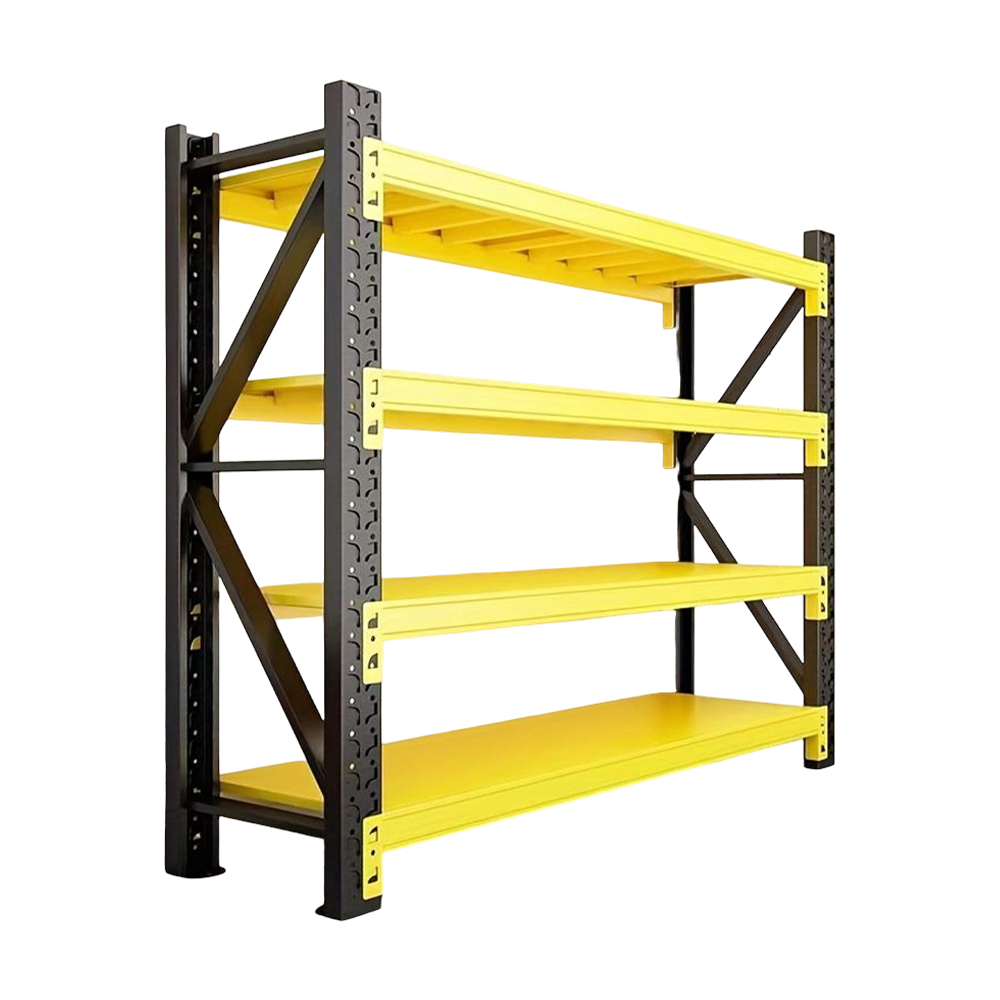
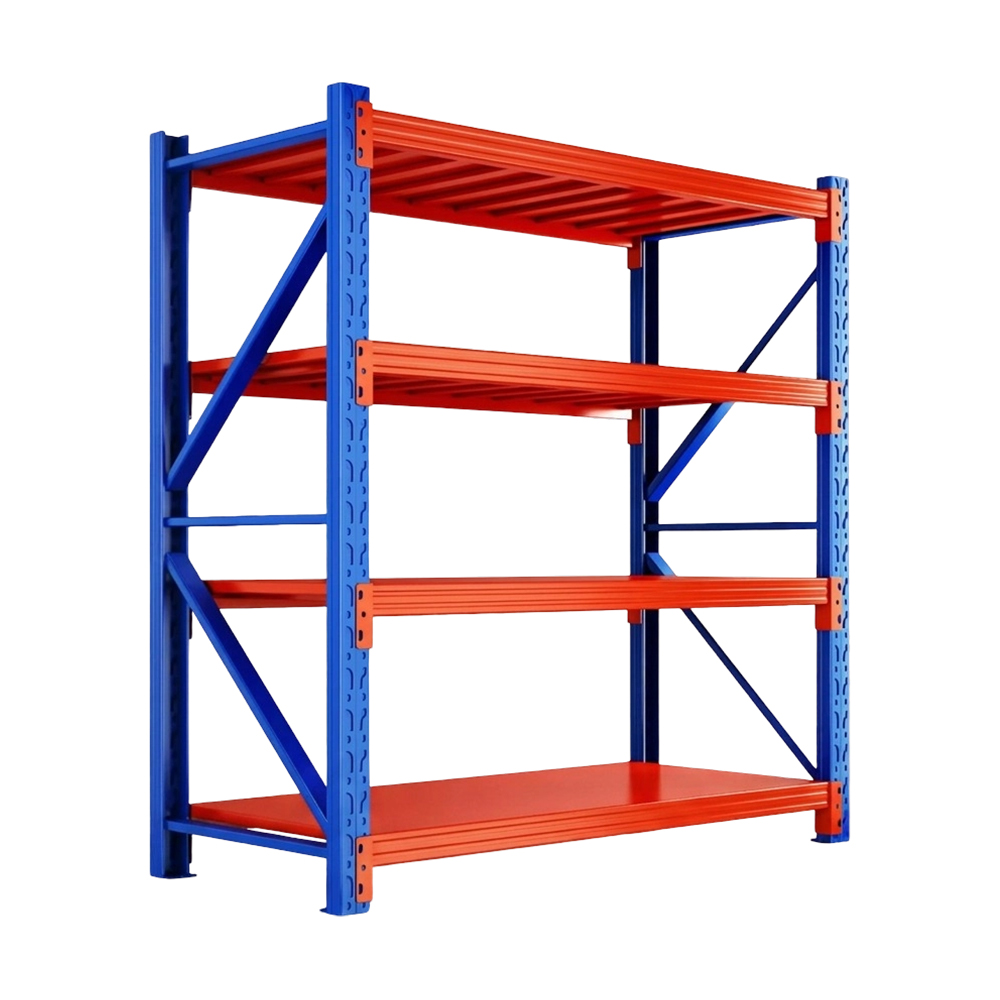
For projects where the wall is unsuitable for concealed hardware or where the shelf run must be reconfigurable, adjustable metal shelving is a more practical answer than a decorative floating shelf, and the same factory usually supplies both. A representative option is the adjustable light duty storage shelving used in offices and retail areas, which tolerates uneven walls and can be re-levelled shelf by shelf without new drilling.
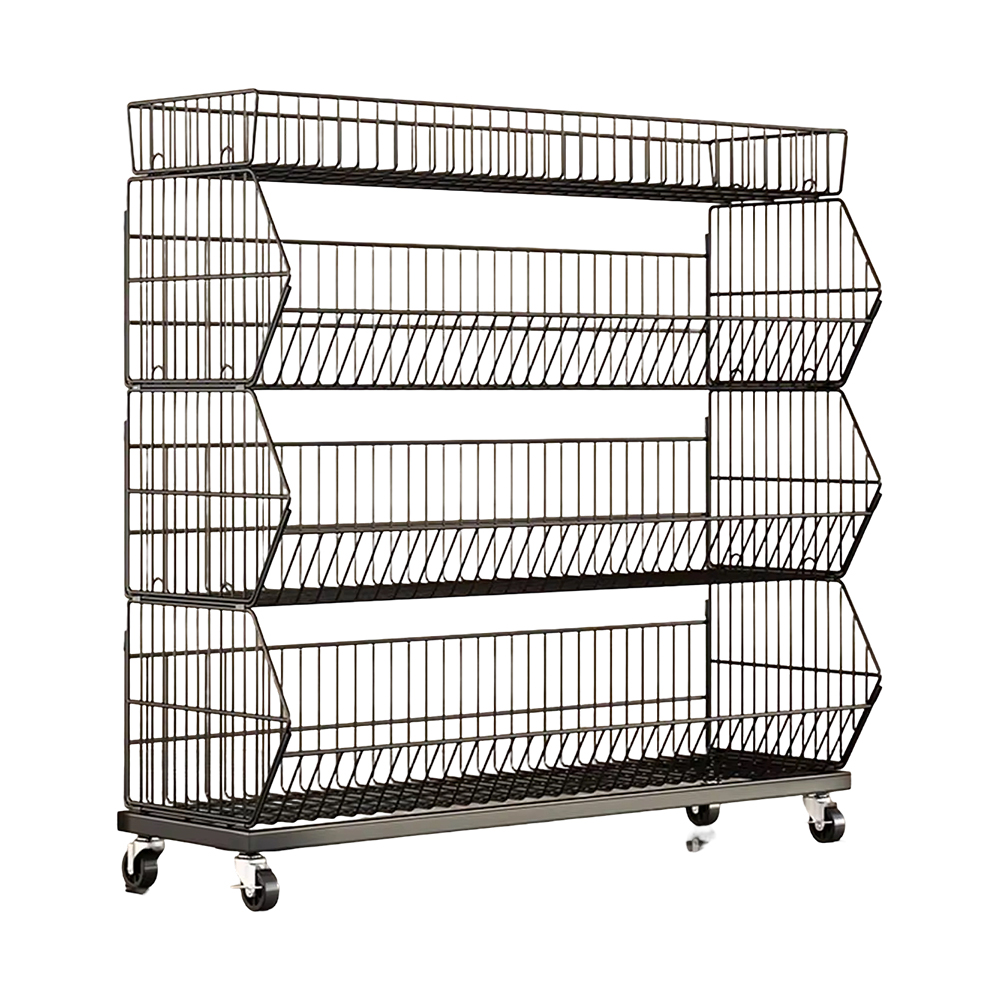
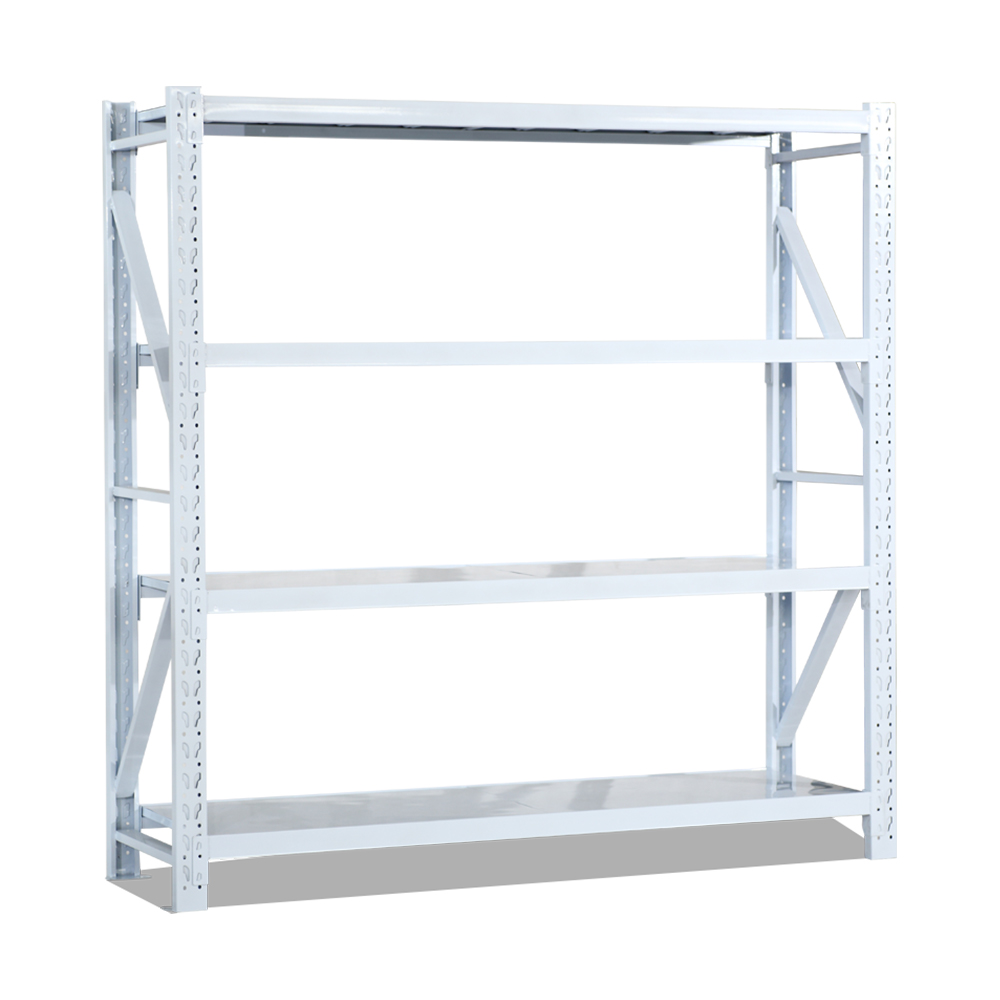 Light-Duty Adjustable Storage Shelving for Home, Office & Retail·Space-Saving Storage for Small Apartments This vertical storage rack maximizes your vertical space, helping you keep your home tidy and organized without taking up to...View Product →
Specify the substrate and the anchor before you specify the bracket, and lock the steel gauge tolerance into the purchase order, not just the load figure on the sample.
Steel Grades, Coatings and Corrosion Resistance
Two brackets that look identical in a catalogue can differ by a factor of four in corrosion life depending on steel grade and coating. For indoor dry retail and residential use, that difference rarely matters. For kitchens, bathrooms, cold stores, and coastal hospitality sites, it decides whether the bracket still looks new after eighteen months.
Material choices
- Mild steel, commonly SPCC or Q235, in 3 to 6 mm plate thickness. The default choice for wall plates and rods, with good stiffness and low cost, but it must be coated.
- Stainless steel 304 for damp environments, kitchens, and food-adjacent storage. Higher cost, excellent corrosion resistance, and no coating required except passivation.
- Stainless steel 201 as a lower-cost alternative. It resists indoor humidity but performs noticeably worse than 304 in chlorinated or salt-laden air.
- Aluminium 6061, which never rusts and is light, but has roughly one third of the stiffness of steel, so sections must be thicker to reach the same deflection limit.
Coating options and typical thickness
- Powder coating at 60 to 80 microns, the standard finish for visible brackets, available in matched colours and matte or textured surfaces.
- Electrophoretic coating, which penetrates edges and welds better than powder and is common on high-volume export orders.
- Hot dip or pre-galvanising at 40 to 60 microns for back-of-house and warehouse use where appearance is secondary.
- Black oxide or oiled finishes, suitable for indoor dry display only, since they offer no barrier to moisture.
How to test what the supplier claims
Ask for the salt spray hours behind the finish. Indoor dry applications are adequately served by 48 to 96 hours, damp retail and kitchens need 240 hours or more, and coastal or cold-room installations should be specified in stainless rather than relying on coating thickness. Request a coupon or pre-production sample and check the coating thickness at a cut edge, because that is where corrosion starts first.
Where the same wall carries both a display shelf and a damp-area storage unit, corrosion-protected stainless shelving is the more consistent specification than mixing a coated decorative shelf with unprotected hardware.
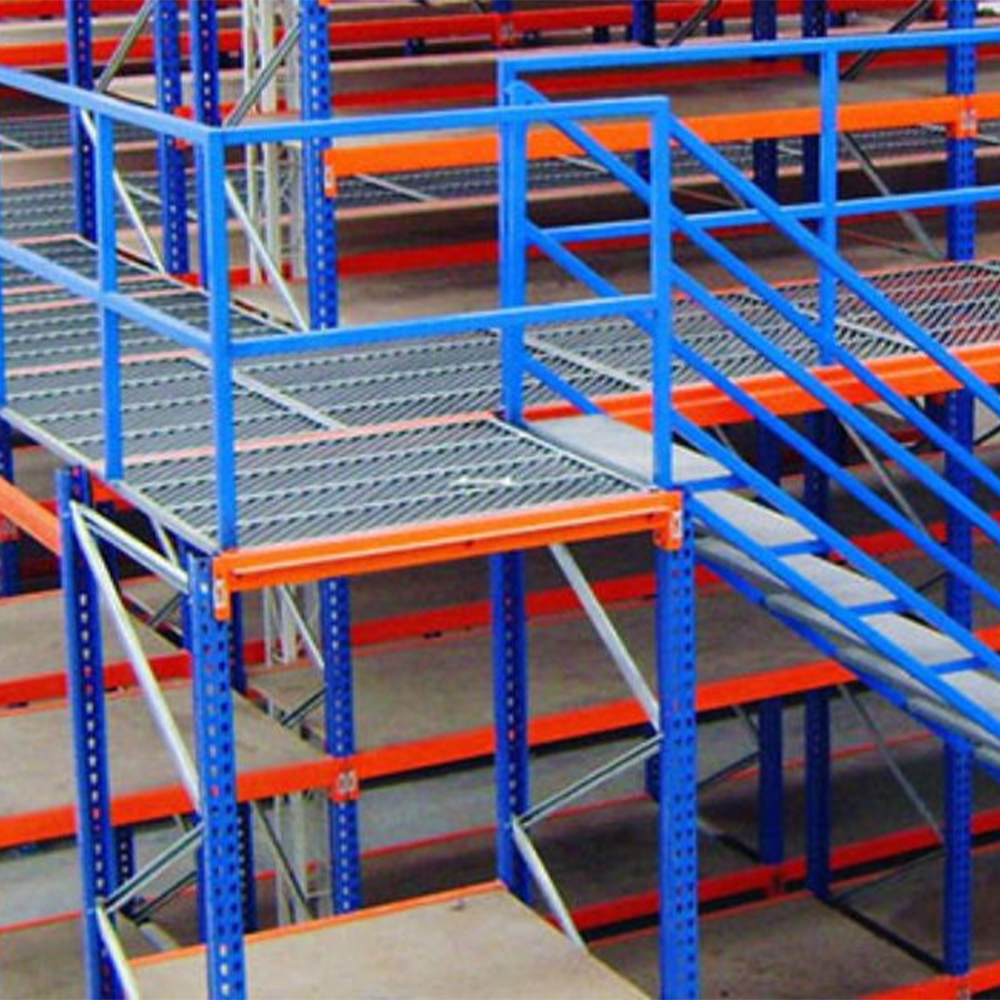
 Anti-Corrosion Stainless Steel Shelving for Kitchen & Warehouse Storage【Ideal for Industrial Commercial Storage】 This heavy-duty stainless steel rack is the perfect storage solution for industrial warehouses, factories, commercial kitchen...View Product →
Corrosion starts at cut edges and welds, so specify coating thickness at those points and salt spray hours in writing rather than accepting a colour swatch as proof of durability.
Commercial and Retail Applications
Floating wall shelf brackets move from a domestic detail to a commercial asset when a brand needs consistent wall presentation across dozens of sites. The engineering is unchanged, but the tolerances tighten.
Convenience stores and boutique retail
Display shelves in convenience stores typically carry 15 to 25 kg of packaged goods per 900 mm shelf, which sits comfortably inside a Z-clip or cam-lock specification. What matters more is repeatability: the same hole pattern, the same bracket height, and the same shelf thickness across every store so that planograms can be replicated without redrilling. A single supplier working to one drawing set removes most of that risk.
Hospitality and food service
Cafes, bars, and restaurants combine heavier loads with humidity and heat. Rod brackets of 10 to 12 mm with stainless hardware and a 250 mm maximum projection are a reliable default, and anything above 1.5 m in length benefits from a third bracket for stiffness rather than for load.
Office and back-of-house
Offices rarely need concealed brackets for capacity, but they do need visual consistency between meeting rooms, reception, and storage areas. In back-of-house zones where the shelf itself is a working surface, a modular supermarket display rack that can be re-levelled and extended is usually a better investment than decorative wall shelves, especially where stock mix changes seasonally.
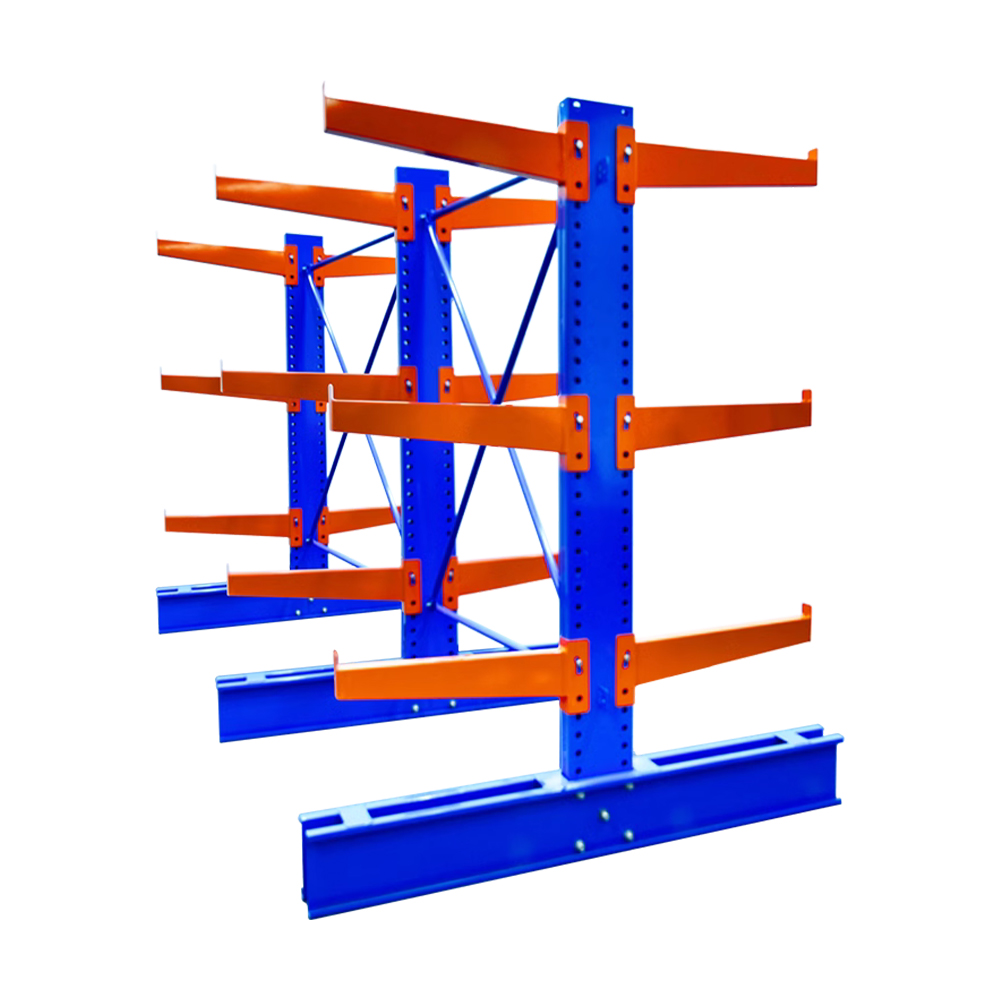
 Shelf Display Rack for Supermarket【Compact Space-Saving Retail Display Rack】 This retail display rack features a compact, space-saving design, making it perfect for small to medium-sized retail stores,...View Product →
In multi-site retail, hole pattern consistency across production batches is worth more than an extra 5 kg of rated capacity.
Installation and Maintenance Checklist
Installation quality determines real capacity more than the bracket specification does, because a correctly rated bracket installed with the wrong anchor performs below a cheaper bracket installed properly. The sequence below is a practical site routine.
- Confirm stud positions and record them on the wall with light pencil marks before drilling anything.
- Drill pilot holes at the diameter specified by the manufacturer, and keep drill depth consistent between brackets.
- Test the fixing: tighten the top screw first, then the bottom, and check that the plate cannot rock by hand.
- Hang the shelf, check level across the full length with a 600 mm level, and shim rather than over-tighten to correct any tilt.
- Load the shelf with the intended contents plus 50 percent, wait 24 hours, and measure the gap at the wall at both ends.
- Re-tighten the top fixings once after the first week of service, since timber and plasterboard settle slightly under sustained load.
Maintenance for long service life
- Inspect concealed brackets every six to twelve months and re-tighten fixings that have loosened, especially in retail environments with frequent restocking.
- Watch for a growing shadow line at the wall, which signals rotation before it becomes visible to customers.
- Clean powder-coated brackets with a damp cloth; avoid abrasive pads, which cut through the coating and start corrosion at the scratch.
- Keep a small stock of matching fixings on site so repairs use the correct anchor rather than whatever is in the toolbox.
- Replace any bracket that shows a cracked weld or a bent rod rather than straightening it, because the steel has already yielded.
The 24 hour loaded test after installation, plus one re-tightening in the first week, prevents most of the sagging complaints that reach a supplier later.
Buying from a Manufacturer, Supplier or Wholesaler
Floating wall shelf brackets are usually one item inside a larger order of shelving, display fixtures, and storage equipment, so the buying decision is often about the supplier as much as the product. A direct manufacturer that also produces warehouse racking, retail shelving, and storage racks can supply the display brackets, the adjustable shelving behind the counter, and the back-of-house racks on one purchase order, which simplifies lead time and container loading.
Questions worth asking before placing a bulk order
- What is the nominal and tolerance steel gauge of the wall plate, and can it be confirmed on a pre-production sample?
- Is the stated load figure a safe working load at a stated projection, and was it tested into studs, concrete, or plasterboard?
- What coating thickness and salt spray hours apply, and are cut edges protected?
- What is the minimum order quantity, and does it differ between standard colours and custom colours?
- Is OEM or ODM cooperation available for branded packaging, custom lengths, or a specific hole pattern?
- What is the production lead time, and how are brackets packed to survive container transport without edge damage?
- Are rated anchors supplied with each set, and can the supplied fixing be specified per market?
- Can the factory supply a matched range of adjustable shelving and display racks for the same project?
Distinguishing a manufacturer from a trading company
Price alone rarely identifies the difference. Ask about production capacity, factory area, in-house coating lines, and whether a third-party inspection is welcomed. A supplier that can describe its own quality control steps, offer samples from current production rather than a showroom piece, and explain how it holds a hole pattern tolerance across batches is usually the one controlling the process rather than reselling it.
Project and Sourcing Enquiries
For bracket specifications, bulk shelf hardware, or a combined shelving package, you can contact the manufacturer's team with your loads, wall substrate, quantities, and target market, and request a pre-production sample before the order is confirmed.
Order the sample from current production, not from the showroom, because that is the only way to verify gauge, coating, and hole pattern before committing to volume.
FAQ: Floating Wall Shelf Brackets
How much weight can floating wall shelf brackets hold?
A pair of concealed brackets fixed into timber studs at a 250 mm shelf depth holds roughly 35 to 50 kg depending on bracket type, with steel rod and French cleat systems at the upper end and Z-clip plates at 15 to 25 kg. Into plasterboard with rated toggle anchors the same brackets hold roughly half that, and with plastic plugs supplied in a retail pack, around 10 to 15 kg for the pair.
Do floating wall shelf brackets need to be fixed into studs?
They do not have to be, but the capacity figure changes substantially if they are not. Studs give a reliable point fixing that resists pull-out. On plasterboard walls without studs, use rated metal toggle anchors and treat the pair as holding about half the stud-fixed load. If neither studs nor rated anchors are available, use a French cleat or a surface-mounted bracket instead of a concealed rod system.
What size screws do floating wall shelf brackets normally use?
Into timber, 4.5 to 5 mm diameter wood screws at 50 to 60 mm length with a 3.5 mm pilot hole, engaging at least 30 mm of solid timber. Into concrete or dense brick, M6 to M8 sleeve anchors with 60 to 80 mm embedment. The screws supplied in a retail pack are often shorter and lighter than the bracket can actually accept, so check them against the substrate before installation.
Can floating wall shelf brackets be used on plasterboard only?
Yes, with the right anchor and a reduced load. Metal toggle anchors spreading load over a 40 to 60 mm disc behind the board lift a pair of brackets into the 20 to 30 kg range. Plastic plugs should not be used for anything heavier than a small decorative shelf, because plasterboard has very little pull-out resistance of its own.
How deep can a floating shelf be with concealed brackets?
Keep concealed systems at or below 300 mm projection, and treat 250 mm as the practical working limit for most brackets. Capacity falls by roughly 40 to 50 percent between a 200 mm and a 300 mm cantilever, so a shelf that needs to be deeper than 300 mm should use a surface-mounted bracket or a supported shelving system rather than concealed hardware.
How many brackets do I need for a 1.2 m shelf?
Two brackets meet the load requirement in most cases, and a third bracket adds roughly 15 to 25 percent to the total capacity while noticeably reducing deflection. For shelves longer than 1.2 m, or where the measured deflection under load exceeds 2 mm, a third bracket is the simplest improvement and costs far less than moving to a heavier bracket family.
Do floating wall shelf brackets work with MDF shelves?
MDF works well with cleats and interlocking plates because the load spreads across a large area, but it is less reliable around small drilled rod holes under repeated loading. If a rod bracket is used with MDF, keep the rods at 100 mm minimum engagement, ensure the board is at least 40 mm thick, and avoid particleboard entirely for shelves that will be loaded above 15 kg.
What steel thickness should brackets be for commercial use?
Wall plates of 4 to 6 mm and rods of 10 to 12 mm for display shelves carrying 20 to 40 kg, and Z-clip plates of 2 to 3 mm only for light display under 25 kg. Commercial rollouts should also fix the gauge tolerance in the purchase order, since a 0.2 mm variation within a batch changes stiffness enough to produce visibly different shelf behaviour between stores.
Can I buy floating wall shelf brackets in bulk for a retail rollout?
Yes, and the practical route is to order through a manufacturer that also produces the shelving and storage equipment used in the same stores. A single supplier keeps hole patterns, finishes, and anchor specifications consistent across phases, and OEM or ODM cooperation allows branded packaging and custom lengths without changing the fixing pattern between production runs.
How do I stop a floating shelf from sagging?
Reduce the cantilever, add a third bracket, move from plasterboard plugs to rated toggle anchors or into studs, and increase rod diameter or plate thickness at the wall. Then run a loaded 24 hour test and re-tighten the top fixings after the first week, because most sagging starts as a small amount of rotation at the top anchor rather than as bending in the bracket itself.
Floating wall shelf brackets are a small hardware item that quietly determines whether a display, kitchen, or retail wall performs for a decade or fails in a month. The decision sequence is short and repeatable: measure the substrate, define the real working load with spare capacity, keep the cantilever inside the bracket's tested projection, choose the bracket family that matches how the shelf will be loaded, and lock the steel gauge, coating, and hole pattern into the purchase order.
For single residential shelves, that means two brackets into studs, rated anchors if studs are missing, and a 24 hour loaded test before the room is signed off. For multi-site retail and commercial projects, it means one supplier, one drawing set, and one consistent fixing pattern across every store, supported by samples taken from current production rather than from a showroom shelf.
The bracket is rarely the weakest link: control the wall, the anchor, the cantilever, and the batch consistency, and the load figure on the box becomes a promise the installation can actually keep.



 English
 Español
 русский
 Français
 한국어
 عربى
 ไทย
 Deutsch
 Bahasa Melayu
 Português
 Polskie